REVIEW · HONOLULU
Battleships of WWII at Pearl Harbor from Maui
Book on Viator →Operated by Aloha Sunshine Tours · Bookable on Viator
WWII memories, plus Honolulu royalty. It’s a long day built around USS Arizona Memorial reflection, a guided walk on USS Missouri’s surrender deck, and then a shift into Hawaii’s monarchy and historic landmarks. You’ll also get expert narration that ties the mainland battleship story to what was happening in Hawaii at the time.
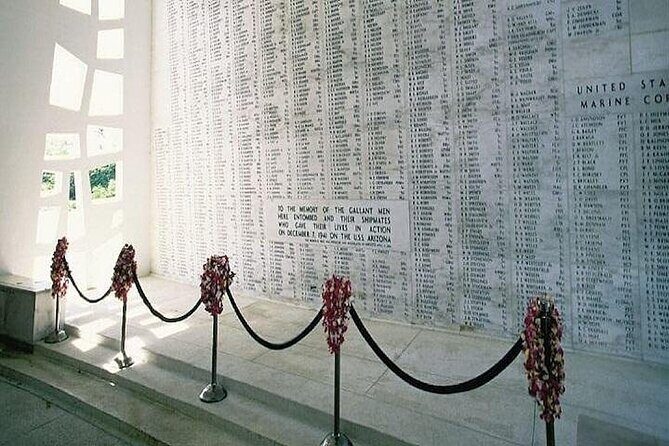
What I really like is how the tour handles the solemn parts with care: at Arizona you get the wreckage view, including oil droplets known as The Tears of the Arizona, and a wall with the names of the 1,177 crew members. I also love the way Missouri is treated like a real place, not just a photo stop—your guided deck tour includes officer and crew quarters, artillery areas, a kamikaze crash area, and a surrender ceremony moment.
One possible drawback to plan for: this is not a museum day. The museums are not part of the tour, so if you want extra time inside exhibits, you’ll need a different Pearl Harbor option.
In This Review
- Key things to know before you go
- A WWII day that also fits Honolulu’s royal story
- Value check: what $459.99 covers (and why it can be worth it)
- Getting started at 7:00 am: why the early timing helps
- Pearl Harbor Visitor Center: context first, then the harbor ride
- USS Arizona Memorial: wreckage details and the names wall
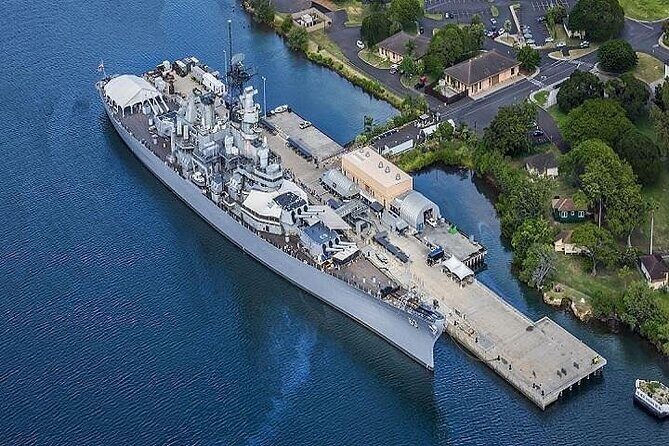
- USS Missouri Memorial: walking the surrender deck and key WWII moments
- USS Oklahoma Memorial: why a land-based memorial hits differently
- Downtown Honolulu narration and the timing that keeps the day moving
- Punchbowl Crater (National Memorial Cemetery) for views and quiet
- Iolani Palace, Aliʻiōlani Hale, Kawaiahaʻo Church, and talk story
- Practical notes that affect your comfort
- Who should book this WWII and royal Honolulu combo (and who should skip)
- Should you book it?
- FAQ
- What’s the duration of the tour?
- Does this include the boat admission to USS Arizona Memorial?
- Are Pearl Harbor museums part of this tour?
- What other Pearl Harbor sites are included besides USS Arizona?
- Is round-trip airfare from Maui included?
- Is airport pickup included in Honolulu?
- Can I bring a purse or bag into Pearl Harbor?
- Are meals included?
- What happens if weather is stormy?
Key things to know before you go
- Navy-operated boat ride to Arizona with calm harbor views
- Guided deck tour on USS Missouri, including the surrender story and more than just the main deck
- USS Oklahoma Memorial on Ford Island as a land-based counterpoint to Arizona
- Punchbowl (National Memorial Cemetery of the Pacific) for quiet grounds and major city views
- Royal Honolulu stops at Iolani Palace, Aliʻiōlani Hale, and Kawaiahaʻo Church
- Small group limit of 24 with air-conditioned transportation and expert narration
A WWII day that also fits Honolulu’s royal story
This tour isn’t only about warships and dates. It’s a mix: Pearl Harbor’s memorial weight in the morning, then Honolulu’s monarchy and cultural landmarks later. That pacing matters because Hawaii isn’t a backdrop here—it’s the setting. The narration connects the events of December 7, 1941 to the islands’ own historical arc, so you come away with more than “what happened.”
The tone is also different at each stop. Arizona is designed for silence and reflection. Missouri is still serious, but it’s presented as a working battleship experience, with walkable decks and specific areas tied to WWII’s final phase. Then the day swings into royal Honolulu buildings and church history—more human scale, less military scale.
The whole thing is guided end to end, which is a big deal on Oʻahu. You don’t have to coordinate tickets, shuttles, or the order of stops. You also get clear reminders about what’s allowed and what’s not, like the no-bags-inside-Pearl-Harbor rule.
You can also read our reviews of more tours and experiences in Honolulu.


Value check: what $459.99 covers (and why it can be worth it)
At $459.99 per person, the headline price feels steep—until you look at what’s included. You’re not just buying attractions. You’re also getting round-trip airfare from Kahului Airport to Honolulu International Airport, plus guided transportation around Pearl Harbor and Honolulu.
On top of that, you receive admissions you can easily end up paying separately:
- Arizona Memorial boat admission (included)
- USS Missouri admission (included)
- USS Arizona and other memorial entry handled by your guide on tour day
Add in the air-conditioned vehicle, the shuttle service from the Pearl Harbor Visitor Center to the USS Missouri Memorial, and you have a package that’s built for convenience from Maui. In practical terms, this is a good fit when you don’t want to spend your vacation time juggling flights and schedules.
The cost downside is what you’ll still pay for yourself: meals. You’ll find options near the Visitor Center and around Missouri (food trucks, snack stands, cafes), but you should budget for lunch and snacks.
Getting started at 7:00 am: why the early timing helps
The tour starts at 7:00 am, so you’ll likely feel the day working like a machine—visit, boat, walk, remember, move on. That’s not a bad thing here. Pearl Harbor logistics and memorial timing can be tight, and this schedule is designed to get you through multiple sites without you missing key parts.
The group stays small (max 24 travelers). That matters because it keeps boarding and transitions manageable, especially around the memorial zones. You’re also in an air-conditioned vehicle, which is a quiet blessing if the morning turns hot.
Another helpful point: tickets are provided by your driver on the morning of your tour, and your entry into the Arizona area is handled through the organized process. Bags are where you’ll want to stay organized: purses and bags aren’t allowed inside Pearl Harbor, and you can store them for a $7.00 fee.
If you like a calm plan, this tour leans that way. If you hate early starts, take a hard look at the 7:00 am start before booking.
Pearl Harbor Visitor Center: context first, then the harbor ride
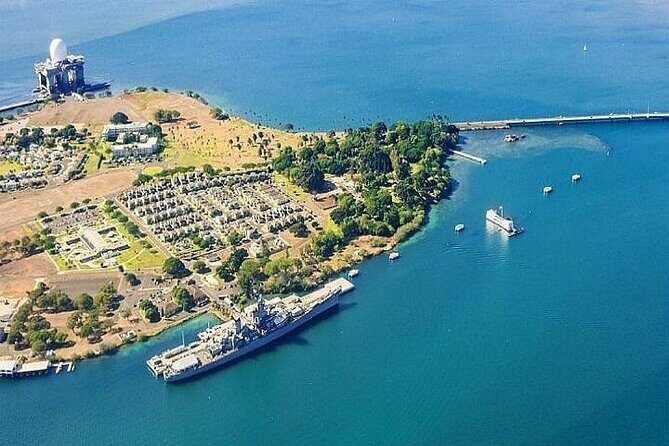
Your morning begins at the Pearl Harbor Historic Sites Visitor Center. This stop is the “set the stage” part. You get to explore exhibits that explain the events leading up to the attack on December 7, 1941, and you’ll watch a 23-minute documentary focused on the attack and the USS Arizona Memorial’s significance.
I like this structure because it prevents the day from becoming only a collection of monuments. The documentary gives you a mental timeline, and the exhibits help you understand why certain names and ships mattered so much.
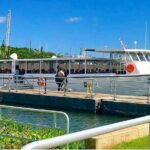
Then you board a U.S. Navy-operated boat for the ride across the harbor. It’s only about 10 minutes, but it’s an important buffer between the museum-like context and the memorial’s quiet space. The ride is described as calm, and you get views of the surrounding military installations—useful for understanding the scale of what surrounded the harbor that day.
One practical note: visiting the museums is not included beyond this core Visitor Center stop. If you want more time inside additional museum galleries, this might feel a bit quick for you.
USS Arizona Memorial: wreckage details and the names wall
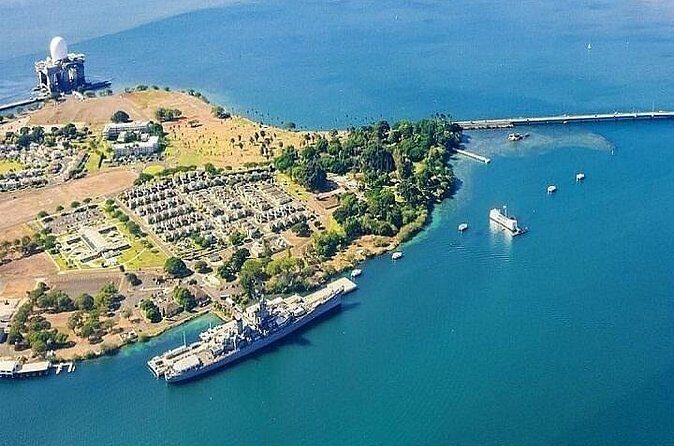
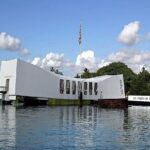
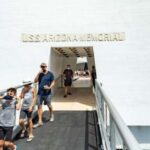
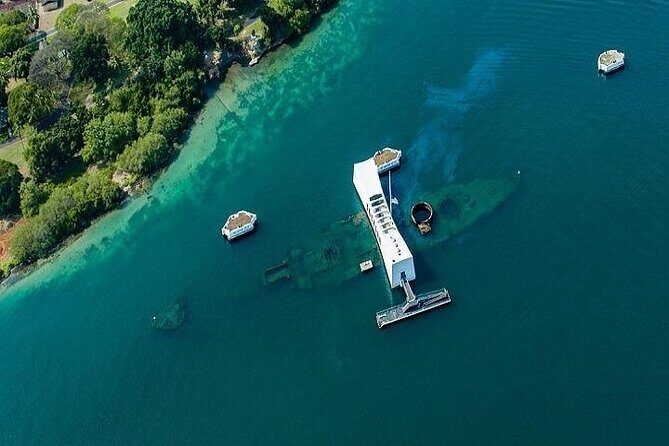
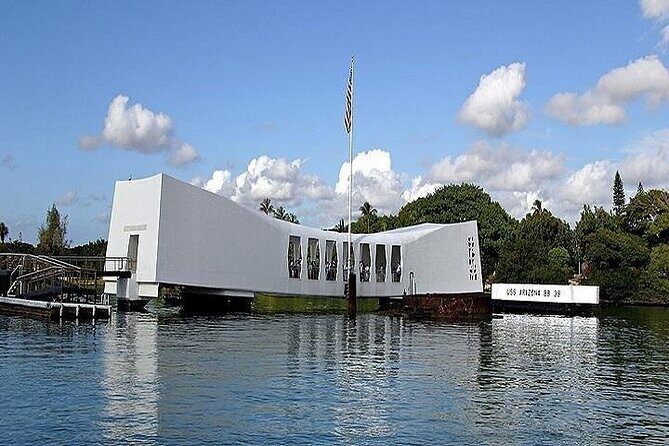
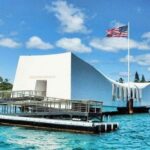
The USS Arizona Memorial is the emotional center of the day. It’s an open-air white structure spanning the remains of the sunken battleship. The design supports the intended mood: quiet reflection.
What you’ll actually do here is specific and powerful. Inside the memorial, you can look down to see parts of the wreckage beneath the water. The ship’s outline is visible just below the surface, and oil droplets—often called The Tears of the Arizona—rise to the water’s surface.
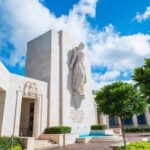
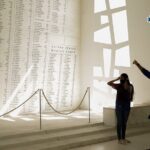
Then you reach the far end and the Remembrance Wall, inscribed with the names of 1,177 crew members lost aboard USS Arizona. This is where the memorial turns from event history into personal loss. Seeing names collected in a single place does something different than reading a story.
You’re also encouraged to maintain respectful silence while on the USS Arizona Memorial. That’s not just etiquette; it’s part of why the experience hits so hard. If you’re the type who wants space to think, you’ll appreciate this. If you need lots of conversation to feel comfortable, plan for a quieter pace here.


USS Missouri Memorial: walking the surrender deck and key WWII moments
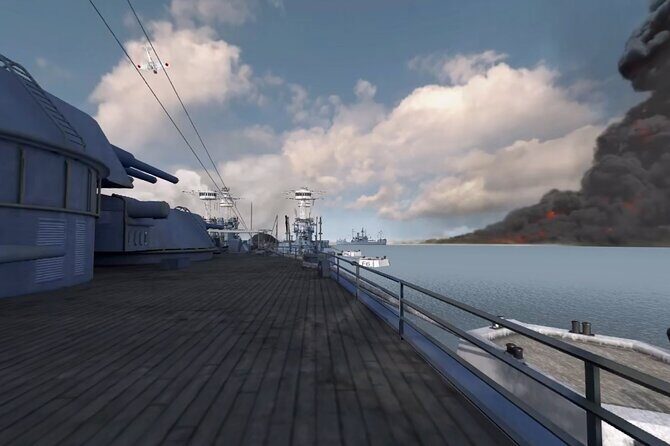
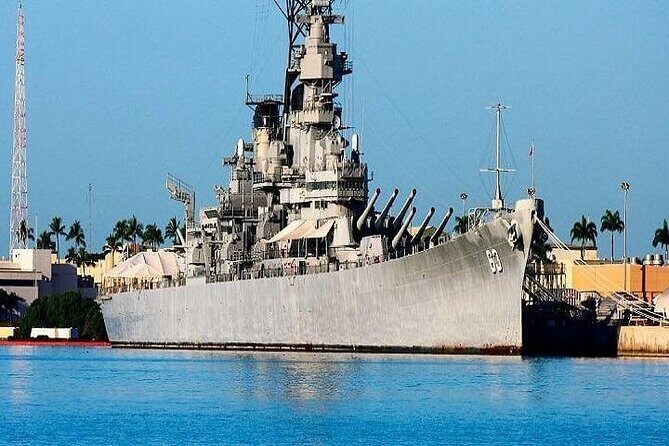
Next comes the battleship everyone associates with the end of WWII: USS Missouri. This isn’t just viewing from the shore. You walk the deck on the last battleship the U.S. ever built, including areas tied to major WWII leadership.
You’ll walk in the footprints of General MacArthur and Admiral Chester Nimitz. That detail helps you understand why Missouri is treated differently than older memorials—it’s linked to the final chapter. Your guided deck tour includes:
- officer and crew quarters
- artillery areas
- viewing a kamikaze aircraft crash area
- a surrender ceremony moment tied to 1945
This is one of the stops where the tour earns strong praise. The Missouri experience isn’t only solemn; it’s structured. You’re guided to see how the ship was arranged, how it functioned, and how the surrender process played out on deck.
Another reason I’d recommend this part of the tour: the guided approach means you’re not guessing what you’re looking at. And on a battleship, guessing wastes time. You want a guide pointing out what matters.
USS Oklahoma Memorial: why a land-based memorial hits differently
Your day also includes the USS Oklahoma Memorial, described as the only land-based memorial at Pearl Harbor. It honors more than 400 servicemen who died aboard USS Oklahoma during the flurry of attacks on Dec. 7, 1941.
Second only to USS Arizona in casualties that day, Oklahoma’s memorial is on Ford Island and is a quieter counterpart to Arizona’s underwater wreck story. The placement and format make it easier to understand loss in a direct, grounded way—no boat ride, no looking down through open-water. You’re given a clear point of remembrance on land.
If Arizona feels almost too heavy to process, Oklahoma can offer a different kind of closure. And if you’re a WWII history fan, having both ships covered in one tour helps you see how different naval tragedies unfolded in the same attack window.
Downtown Honolulu narration and the timing that keeps the day moving
After the memorial portion, you shift into downtown Honolulu for narrated context. This segment is about 45 minutes, and it’s aimed at blending Hawaii’s history and cultural heritage with modern city life.
This is a smart reset. You’ve been moving through spaces tied to war and loss. Now your guide is steering you toward the living city—old streets, symbolic landmarks, and stories that help the islands feel like a place, not a set piece.
The tradeoff is that 45 minutes isn’t long enough to turn this into a full city tour. It’s more of a guided orientation. If you love lingering in neighborhoods, save that energy for a separate self-guided day later.
Punchbowl Crater (National Memorial Cemetery) for views and quiet
The day includes a stop at the National Memorial Cemetery of the Pacific, located on Punchbowl—an extinct volcano. This cemetery is the final resting place for thousands of U.S. military members, and the grounds are maintained with rows of white headstones against lush greenery.
What I think makes Punchbowl especially memorable on this particular tour is the combination of formality and geography. You get a chance to look out over Honolulu from a crater position. From there, you can see downtown, Diamond Head, and the coastline.
That view matters because it puts the memorial into the everyday world you’re actually visiting. The city feels real again. The day shifts from “past events” to “here we are now,” which helps prevent emotional whiplash.
Iolani Palace, Aliʻiōlani Hale, Kawaiahaʻo Church, and talk story
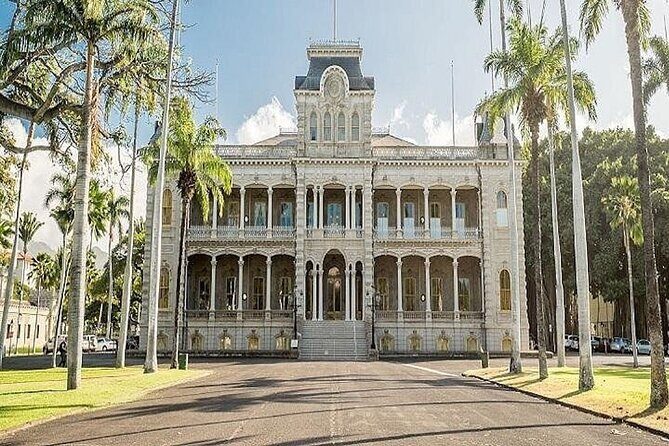
After Punchbowl, the tour moves into Hawaiian royal and religious landmarks. The standout stop here is Iolani Palace, the only royal palace in the United States. You’ll learn about the monarchy and hear stories about King Kalākaua and Queen Liliʻuokalani, the last reigning monarchs. The palace visit is brief—about 15 minutes—but it’s enough to give you a starting point.
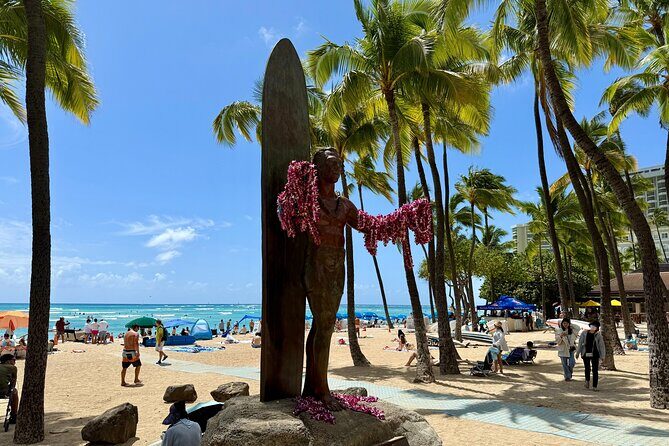
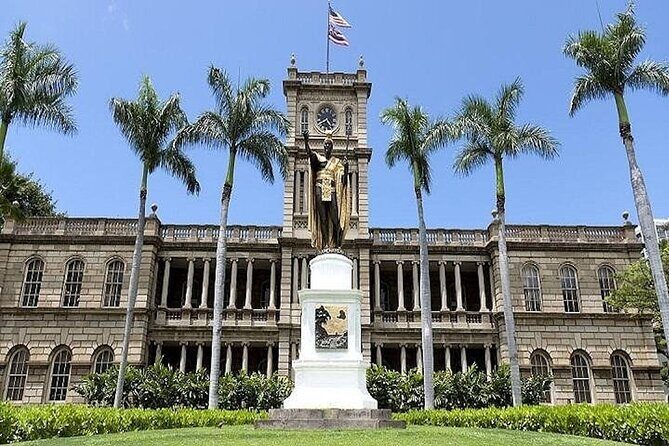
From the palace, you’ll also view the King Kamehameha statue in front of Aliʻiōlani Hale, which is now home to the Hawaii State Supreme Court. Your guide provides what’s described as talk story—history tied to the original government building of the Hawaiian Kingdom.
Then you’ll visit Kawaiahaʻo Church, often referred to as the Westminster Abbey of the Pacific. It’s one of the oldest Christian worship places in Hawaii, and the guide explains its significance in the islands’ religious history.
This section is a big part of why I like the overall shape of the day. If Pearl Harbor makes you think only about WWII, the royal and church stops pull you back to Hawaii’s own story—political, spiritual, and cultural.
Practical notes that affect your comfort
This is a walking day. You’ll wear comfortable shoes because you’ll be walking much of the tour. There’s also a specific caution: it’s not recommended for visitors who can’t walk 4 city blocks.
Bag rules also matter. Purses and bags aren’t allowed inside Pearl Harbor, so plan to store them for $7.00. Clear plastic bags are allowed if the contents are readily visible, and bags containing medical equipment unsuitable for lightweight bags are allowed if they meet the transparent bag rules.
A few other reminders:
- No smoking on visitor center grounds or at the memorial
- No swimwear
- Respectful silence at the USS Arizona Memorial
- Sites can close due to stormy weather, so you’ll want to keep an eye on day-of conditions
- Service animals are allowed
Also remember meals are at your own expense, though there are on-site options near the Visitor Center and near Battleship Missouri.
Who should book this WWII and royal Honolulu combo (and who should skip)
This tour is a strong match if you want a structured, guided day with major Pearl Harbor memorials and then Hawaiian landmarks without planning your own route. It’s also ideal for visitors who value interpretation and signage—having the guide narrate key points helps you understand what you’re looking at instead of speeding through.
You might want a different option if:
- You want more museum time at Pearl Harbor (museums are not part of this tour)
- You dislike early morning departures (it starts at 7:00 am)
- Your mobility is limited beyond a short walk (the tour is not recommended if you can’t walk 4 city blocks)
The group limit of 24 keeps it from feeling like a chaotic bus line. And with an air-conditioned vehicle, the day stays more comfortable than if you were bouncing between stops in a hot open setup.
Should you book it?
Book this tour if you want an efficient day that hits the emotional core of USS Arizona, the WWII end-stage story on USS Missouri, and then adds Honolulu royal and cemetery context. It’s also good value for the right person because airfare and key admissions are wrapped into the price.
Think twice if you’re a slow-paced museum person. This isn’t built for long exhibit sessions. It’s built to move you through major memorial spaces and then return you to Honolulu history.
If you can handle walking, early start energy, and a quieter tone at Arizona, you’ll likely find this day both moving and surprisingly balanced—warships in the morning, Hawaiian stories in the afternoon, with great guiding through both.
FAQ
What’s the duration of the tour?
The tour runs about 7 to 9 hours.
Does this include the boat admission to USS Arizona Memorial?
Yes. Arizona Memorial boat admission is included.
Are Pearl Harbor museums part of this tour?
No. Visiting the museums is not part of this tour. A different option is needed if you want museum time.
What other Pearl Harbor sites are included besides USS Arizona?
In addition to USS Arizona Memorial, you also visit Battleship Missouri, USS Oklahoma Memorial, plus time at the Pearl Harbor Historic Sites Visitor Center.
Is round-trip airfare from Maui included?
Yes. Round trip airfare from Kahului Airport to Honolulu International Airport is included.
Is airport pickup included in Honolulu?
Yes. Pickup is offered at Honolulu Airport with details depending on your airline: Southwest Airlines pickup at Terminal 2, baggage claim 31, area 5, and Hawaiian Airlines pickup at Terminal 1, area 1.
Can I bring a purse or bag into Pearl Harbor?
No. Purses and bags are not allowed inside Pearl Harbor, and bags may be stored for $7.00 each. Clear plastic bags that are visibly clear are allowed.
Are meals included?
No. Meals are at your own expense, though there are on-site dining options near the Visitor Center and near Battleship Missouri.
What happens if weather is stormy?
Sites are subject to close due to stormy weather. If the experience is canceled due to poor weather, you’ll be offered a different date or a full refund.