REVIEW · HONOLULU
First-Time Scuba Diving in Honolulu + Free Videos
Book on Viator →Operated by Try Scuba Diving-Honolulu · Bookable on Viator
First time in scuba gear, in Honolulu.
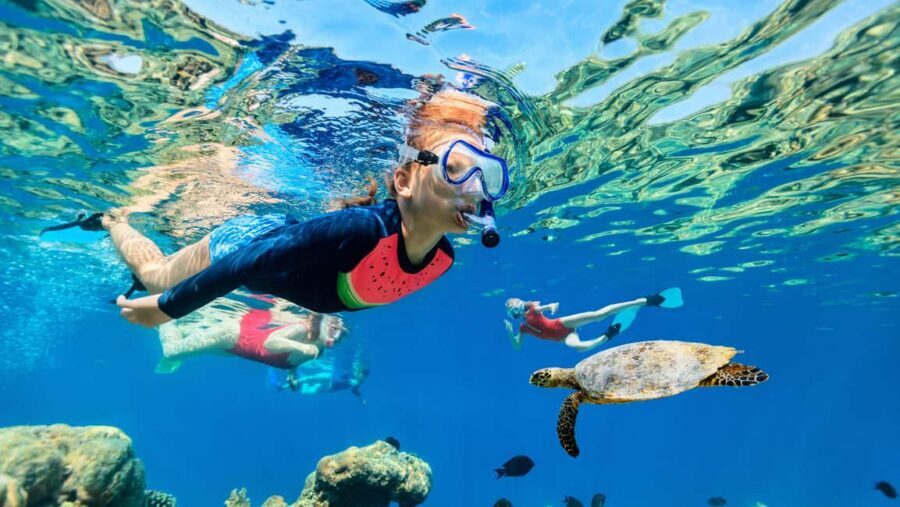
If you want an underwater experience without the pressure of being certified, this 1.5-hour small-group lesson is a great match. You start at Magic Island Lagoon, get fitted with a wetsuit and scuba gear, then work up from waist-deep water toward a max depth of about 15 feet while your instructor keeps the safety focus tight. In the water, you’ll look for green sea turtles, octopuses, sea stars, and colorful tropical fish, with GoPro video captured during the session.
I especially like the patient coaching I’ve seen highlighted by instructors such as Danny, Alex, Nick, Rida, and Aleksander. I also like the small-group setup (up to 16 people), which helps you get more hands-on help when you’re learning mask and breathing control. One drawback to consider: the water can be affected by wind and clarity, and in some lagoon conditions the marine life you’re hoping for may be less abundant than expected.
In This Review
- Key things to know before you go
- Honolulu’s calm lagoon setup: what to expect in 1.5 hours
- Gear fitting and the safety seminar that sets your comfort level
- From waist-deep to about 15 feet: how the training actually unfolds
- Ala Moana Beach Park: why the second stop fits beginners
- Marine life expectations: turtles, octopuses, sea stars, and the reality of clarity
- The GoPro video and photos you take home
- Price and value: why $89 can make sense for first-timers
- Who should book this, and who might want a different plan
- Should you book this Honolulu first-timer scuba session?
- FAQ
- Do I need scuba certification to take this lesson?
- How deep do you go during the session?
- What if I am not a strong swimmer?
- What’s included in the price?
- Is hotel pickup included?
- Can I wear prescription glasses or contacts?
- Can I fly soon after scuba?
- What is the cancellation policy?
Key things to know before you go
- Shallow training depth: you build confidence in waist-deep water and go only to around 15 feet.
- No certification needed: the experience is set up for first-timers and skill refreshers.
- Instructor-led safety all the way: you get a safety seminar and one guide accompanies you.
- GoPro video and photos included: taken during the session so you can share right away.
- Marine life is possible, not guaranteed: lagoons and weather can change what you see.
- Contacts, not prescription glasses under the mask: contacts are allowed, or you can go without.
Honolulu’s calm lagoon setup: what to expect in 1.5 hours
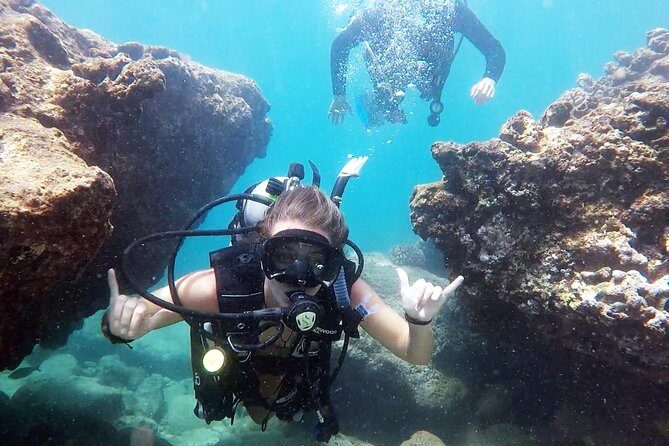
This is a short experience by design. You’re not signing up for an all-day adventure. Instead, you get a focused on-ramp: gear fitting, safety basics, then time in the water with close coaching.
Most people come in nervous, and that’s normal. The max depth is around 15 feet, and you start in very manageable water while you practice breathing and buoyancy. The result is that the session often feels more like a guided skills workout than a scary jump into open ocean.
Timing matters too. This is booked fairly regularly (often about a couple of weeks in advance), so you’re usually not stuck waiting around for hours. You meet at Magic Island Lagoon, then the plan includes time at Ala Moana Beach Park as part of the overall flow of the activity.
You can also read our reviews of more scuba diving tours in Honolulu
Gear fitting and the safety seminar that sets your comfort level
Before you enter the water, you’ll be fitted with a wetsuit and scuba equipment. This part matters more than most people think. If the gear isn’t right, your mask squeeze, breathing resistance, and comfort all get harder.
Then comes a comprehensive safety tutorial. You’ll get instruction on how to handle basic scuba safety behaviors, and your guide stays with you through the water time. If you’re worried about not understanding the gear, this is where the experience wins.
I like that the instructors you’ll see referenced in feedback are repeatedly described as patient and calm with first-timers. People mention feeling safe because the instructors keep checking on them and explain what to do before things get physical. That’s a big value for you if you’re anxious, not athletic, or just not sure how your body will react underwater.
Practical note: if you wear glasses, prescription glasses can’t be worn under snorkel or scuba masks. Contact lenses are allowed, or you can go without. Underwater magnification makes objects appear about 25% closer and larger, so the “I can’t see well” panic usually doesn’t play out the way it might on land.
From waist-deep to about 15 feet: how the training actually unfolds
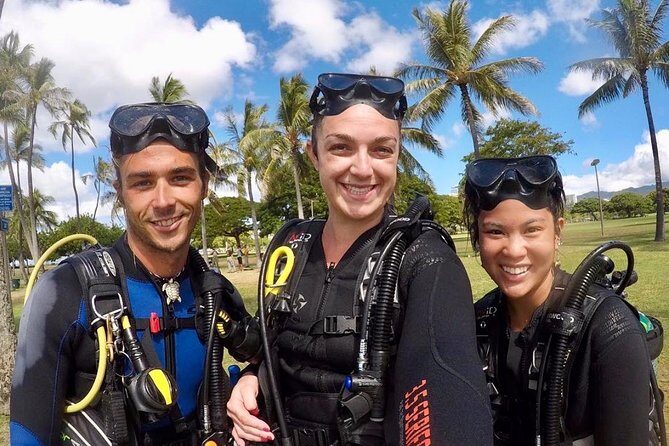
Your water time starts in shallow conditions. You’ll begin in waist-deep water to build confidence. This is where you practice core skills without the stress of a deeper environment. Once you feel comfortable, you’ll gradually go deeper.
The tour is designed for low-key learning. You’re not doing complicated navigation or long underwater swims. The emphasis is on staying relaxed, following your guide’s instructions, and respecting the ocean life you encounter.
Depth is limited to around 15 feet, which also helps your learning curve. Less depth means less strain on your breathing control and buoyancy habits, especially for your first attempt. And because your instructor stays close, you’re not left alone while you figure things out.
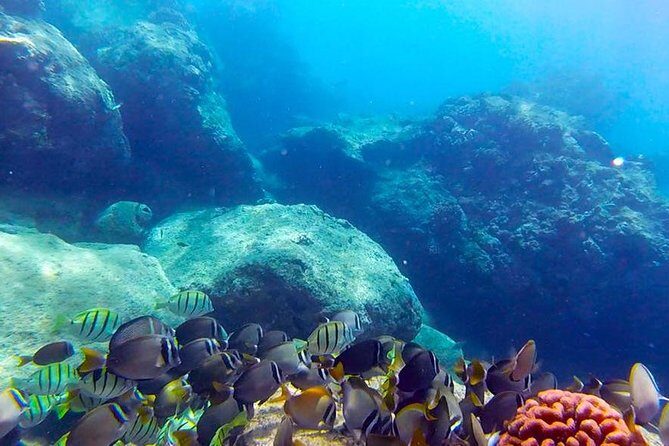
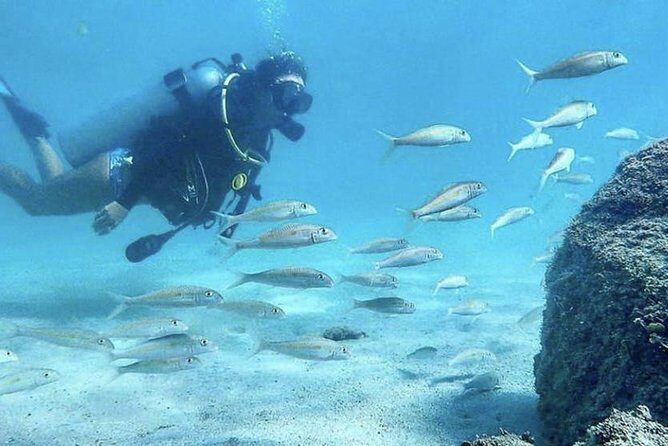
As for what you’ll see: the experience focuses on colorful marine life like octopuses, sea stars, bright tropical fish, and green sea turtles. Real talk: lagoon conditions vary, so your “highlight animal” might change based on water clarity and how the ocean decides to cooperate that day.
Ala Moana Beach Park: why the second stop fits beginners
The itinerary includes Ala Moana Beach Park as a named stop. While the exact flow at that stop isn’t spelled out in detail, its inclusion makes sense for beginners. It gives you a recognizable, accessible area tied to Oahu’s shoreline vibe, and it usually helps break up the experience so you’re not just gear-on, water-on, then done.
You’ll be close to public transportation, and the overall experience is structured around easy transitions: meet at Magic Island Lagoon, do your gear-up and training, spend time around the beach park area, then finish back at the meeting point.
This matters if you want a simple plan with minimal logistics. You’re not trying to coordinate separate transfers or hunt for a meeting spot that feels like an escape room.
Marine life expectations: turtles, octopuses, sea stars, and the reality of clarity
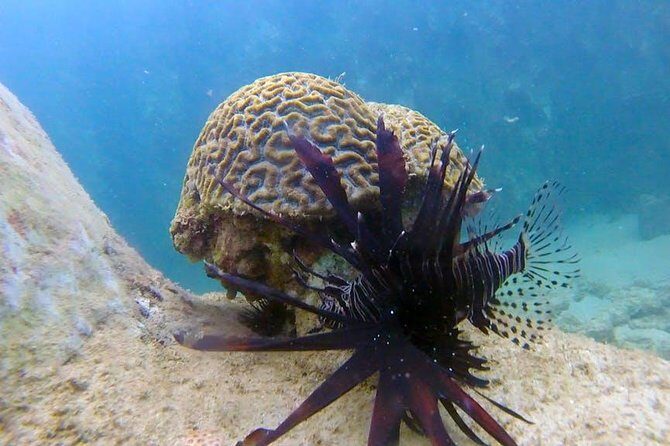
The promise includes a good range of marine life: green sea turtles, octopuses, sea stars, and colorful fish. That’s what makes this attractive to first-timers—you get the thrill of seeing real ocean animals, not just watching a guide point at a reef photo.
But the ocean is not a vending machine. One low-star experience described a setup that felt more like a small pool with murky water and a wall limiting views to open sea. Another note highlighted that plans can change due to winds and water clarity.
So here’s the way to set expectations so you don’t feel shortchanged:
- Treat marine life as a strong chance, not a guarantee.
- Know that lagoon visibility can vary with wind and conditions.
- If the water is less clear that day, the experience is still valuable because you’re there for your skills and comfort under instruction.
When things are working well, people mention seeing starfish and lots of fish and corals. When conditions aren’t ideal, you’ll still likely come away feeling proud you made it underwater and got the hang of the gear.


The GoPro video and photos you take home
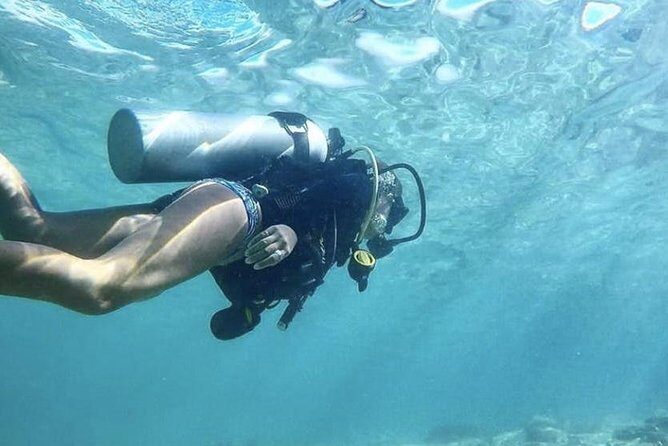
One of the nicest “value add” elements is that your instructor takes GoPro video of your underwater session, plus pictures. You’ll get complimentary videos for the tour, and the visuals help you remember details you might miss in the moment while concentrating on breathing.
A key rule: if there’s a camera malfunction, there’s no refund for the tour. It’s worth knowing so you don’t assume the photo/video part is protected like a standard retail product.
In practice, multiple reviews mention receiving videos and photos via air drop, and that quick shareability is great. After your session, you’re not stuck waiting or trying to reconstruct what happened underwater. You also get proof for yourself that you really did this without years of training.
Price and value: why $89 can make sense for first-timers
At $89 per person for about 1 hour 30 minutes, the value depends on what you’re trying to get out of it. This isn’t priced like a long deep-ocean expedition. It’s priced like a beginner-friendly instruction package.
What you get for that cost is the important stuff:
- All scuba gear and equipment included
- A guided safety seminar
- A small-group experience with an instructor staying with you
- GoPro video of your session
If you’ve been considering certification someday, this is also a smart “try it first” step. You’ll see how your body handles mask pressure, breathing, and staying calm. Several reviews suggest people would consider getting certified after their experience, which is exactly how a good introduction should feel.
Also, because flying soon after scuba is not recommended, think of this as a half-day plan on the front end of your trip. Your body will feel better when you’re not rushing into airports right away.
Who should book this, and who might want a different plan
This experience is well matched for:
- First-timers who want guided coaching and a shallow, controlled progression
- People with moderate physical fitness who can walk with equipment
- Anyone who’s comfortable in the water, even if you don’t have swimming experience
- Families and kids who can follow instructions and stay close to the group
- Skill refreshers who want a structured session rather than a DIY attempt
You might choose something else if:
- You’re expecting guaranteed open-ocean visibility every time
- You want a long underwater session with deeper exploration (this caps around 15 feet)
- You’re highly sensitive to water clarity changes and need world-class visibility to enjoy the day
A small-but-real tip from feedback: bring a little extra cash to tip your instructor. It’s not listed in the package details, but it’s a practical gesture if you feel you got real help.
Should you book this Honolulu first-timer scuba session?
If you want a calm, beginner-focused way to try scuba in Honolulu, I think this is a strong booking. The shallow max depth, the safety seminar, and the small-group instructor attention are exactly what you need when you’re nervous or new to the gear. Add the GoPro video and photos, and you’re not just buying a lesson—you’re buying a memory you can keep.
Just be honest with your expectations about marine life and visibility. Lagoon conditions can shift with wind and clarity, and one experience noted fewer creatures when water visibility and access to open sea were limited. If you treat this as a first training win—plus a chance to spot turtles, octopus, and starfish—you’ll come away happy.
FAQ
Do I need scuba certification to take this lesson?
No prior certification is needed. This is designed for first-timers and for people who want to refresh their skills.
How deep do you go during the session?
The max depth of the dive is around 15 feet.
What if I am not a strong swimmer?
No swimming experience is necessary, but you must be comfortable in the water.
What’s included in the price?
You get a guided scuba diving adventure, all scuba gear/equipment, a safety seminar, and complimentary GoPro videos (and pictures). It’s also a small-group experience with a professional guide.
Is hotel pickup included?
No. Hotel pick-up and drop off are not included.
Can I wear prescription glasses or contacts?
Prescription glasses cannot be worn under snorkel or scuba masks. Contact lenses are allowed, or you may go without.
Can I fly soon after scuba?
Flying within 12 hours after scuba diving is not recommended.
What is the cancellation policy?
You can cancel for a full refund up to 24 hours before the experience’s start time. If you cancel within 24 hours, the amount paid will not be refunded.