REVIEW · HONOLULU
Hawaii Volcanoes National Park Experience Departing from Oahu
Book on Viator →Operated by Hawaii Island Experiences, LLC · Bookable on Viator
Volcano time beats the usual Big Island wait. This one-day tour from Oahu sends you by inter-island flight to Kona and then gives you a full stretch chasing Hawaii Volcanoes National Park geology and roadside surprises.
What I really like is the mix of stops: you get Kona coffee at Greenwell Farms and a slow, low-stress nature pause at Manuka State Wayside Park before you head toward the park’s active places. Second, the day is made for learning on the move, with guides like Mel and Henry (and others such as Brandon or Jim) sharing the why behind what you’re seeing, from volcanic formation to local culture.
The main drawback is simple: it’s a long day with a lot of driving time. Also, conditions change quickly at higher elevations and in an active volcanic area, so you’ll want layers and you should take volcanic gas cautions seriously if you have respiratory issues.
In This Review
- Key highlights at a glance
- Why Flying Oahu to Kona Makes This Volcano Day Trip Work
- Price and Value: What $589.99 Buys You (and What It Avoids)
- The 8:00 AM Start: Meeting at Kona and Beating Confusion
- Greenwell Farms on Mauna Loa Slopes: Coffee That Explains the Land
- Manuka State Wayside Park: A 2-Mile Nature Trail Without the Big-Crowd Feeling
- Punaluʻu Bake Shop Lunch Stop: The Quick Meal That Can Feel Like a Food Challenge
- Punaluʻu Black Sand Beach: Sea Turtles and Volcanic Basalt
- Hawaii Volcanoes National Park: How the Stops Build One Big Story
- A smart photo tip: ask for the welcome sign stop
- Mauna Kea Access Road and Kohala Coast: From Air Changes to Dry-Climate Views
- Hilo Stop: Town Time for Museums, Gardens, and Local Rhythm
- Guides Are the Real Engine: Mel, Henry, Brandon, and Jim
- What to Pack for an Active Volcano Day (No, Seriously)
- Who This Tour Fits Best (and Who Might Want a Longer Stay)
- Should You Book This Oahu to Big Island Volcanoes Day Trip?
- FAQ
- How long is the tour, and what time does it start?
- What’s included in the $589.99 price?
- Where do I meet my group after I fly to Kona?
- Are tickets required for the stops, or are they handled?
- Are meals included?
- How large is the group?
- What should I bring for the weather and walking?
- What if I cancel or the tour is canceled for weather?
Key highlights at a glance
- Fly Oahu to Kona, then go Big Island route all day without renting a car
- Greenwell Farms for a real Kona coffee stop on Mauna Loa slopes
- Punaluʻu Black Sand Beach for volcanic basalt shoreline and sea turtle viewing
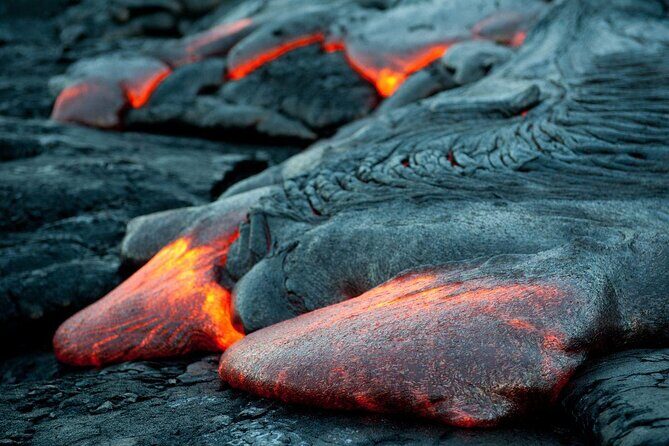
- Hawaii Volcanoes National Park stops from Halemaʻumaʻu to lava tube and steam vents
- Mauna Kea Access Road + Kohala Coast + Hilo for big-elevation and town variety in one day
Why Flying Oahu to Kona Makes This Volcano Day Trip Work
If you’re basing your trip on Oahu, the Big Island can feel like a logistical headache. This is the rare day plan that tackles the hardest part first: you get roundtrip airfare between Honolulu and Kona International Airport, then the rest of the day runs on the ground with an air-conditioned vehicle.
The payoff is that you’re not just doing a quick park visit. You’re also getting context. You start the day with coffee country, then you move through different ecosystems and coastal scenery, and you end up at Volcanoes National Park ready to connect the dots between geology, land shape, and Hawaiian culture.
You can also read our reviews of more tours and experiences in Honolulu.



Price and Value: What $589.99 Buys You (and What It Avoids)
At $589.99 per person, this isn’t a bargain in the simple sense. But it’s one of those prices that starts to make sense when you compare it to the common alternative: adding flights + tickets + a rental car + parking + your own navigation across unfamiliar roads.
Here’s what the price is already covering:
- Inter-island flights to Kona (included)
- Roundtrip airfare between Honolulu and Kona
- Hawaii Volcanoes National Park admission (included)
- Guided narration throughout the day
- Transport on an air-conditioned vehicle
You also don’t have to fight the “where do we meet” chaos all day—your driver handles entry tickets for the stops and keeps things moving. You’ll still pay for food since meals are at your own expense, but the core travel cost and major logistics are handled.
The 8:00 AM Start: Meeting at Kona and Beating Confusion
Your day begins at 8:00 am. Since this tour departs from Oahu, you’ll fly into Kona International Airport, then meet your group at the lot behind Alaska Baggage claim B-2.
Two practical tips from real-world experience:
- Give yourself time to find the meeting area. Airport timing can get tight when you’re moving between baggage and pickup.
- When you’re inside the van, do a quick headcount and learn names right away. It makes the day feel more friendly, and it helps if you need to flag the guide about anything.
Once you’re rolling, the schedule is structured for stops that keep you from feeling trapped in one place too long—about 30 minutes at several of the earlier stops, then a longer push through Volcanoes National Park.
Greenwell Farms on Mauna Loa Slopes: Coffee That Explains the Land
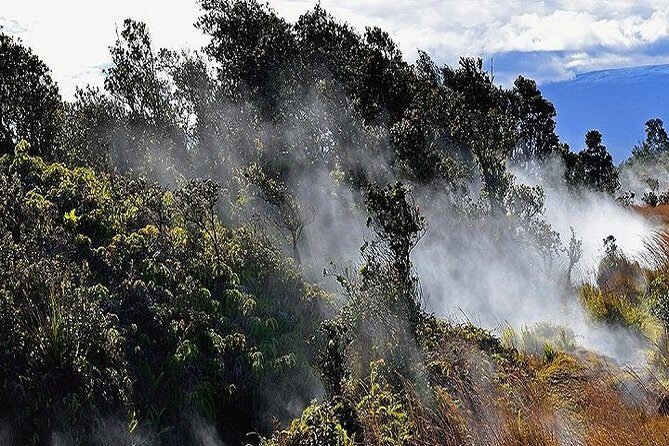
The first major stop is Greenwell Farms, one of Kona’s oldest coffee producers. The farm traces back to Henry Nicholas Greenwell in 1850, and that historical link matters because Kona coffee didn’t happen in a vacuum—its success is tied to the area’s volcanic soils and weather patterns.
Expect a guided stop that connects climate to crop:
- volcanic soil
- sunny mornings
- cloud-covered afternoons
- consistent rainfall
Even if coffee tours aren’t your thing, I like this stop because it’s a quick primer on how Hawaiʻi’s geology shows up in everyday life. It also gives you a calm start before you go from “plants and people” into “molten earth” territory later.
Manuka State Wayside Park: A 2-Mile Nature Trail Without the Big-Crowd Feeling
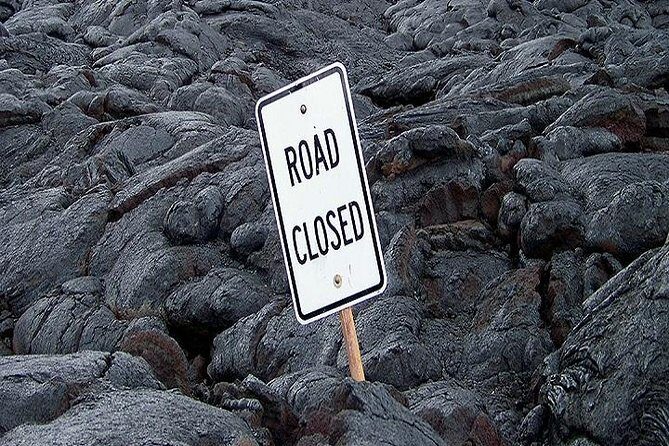
Next is Manuka State Wayside Park, a 13-acre patch along Hawaii Belt Road (Highway 11). The highlight here is variety in a small area: it mixes wet and dry forest ecosystems, so you get more than one “feel” in a short hike.
The park’s Manuka Nature Trail runs about 2 miles, and it’s built for learning as you walk. Interpretive signs and the trail layout point you toward:
- native Hawaiian plants
- volcanic features
- ecology and geology connections
Wildlife notes include endemic birds like the Hawaiian hawk and honeycreeper. Even if you don’t spot birds on the day you go, the trail is a good reset—less time in a parking lot, more time moving through Hawaiian nature.



Punaluʻu Bake Shop Lunch Stop: The Quick Meal That Can Feel Like a Food Challenge
You’ll stop at Punaluʻu Bake Shop in Naʻālehu. This is where the day gets practical: you need fuel before the long, feet-on-ground portion of Volcanoes National Park.
The bakery is known as the southernmost bakery in the U.S. and it sells traditional Hawaiian sweet bread in flavors like taro, guava, and mango. There’s also a gift shop and a garden area.
Plan for a shorter window here. The stop time is listed at 30 minutes, and the spot can get busy, so if you want a specific item, you’ll do better moving efficiently. If you’re traveling with a group, decide who’s getting what before you step into the line.
Punaluʻu Black Sand Beach: Sea Turtles and Volcanic Basalt
After lunch comes the showstopper shoreline: Punaluʻu Black Sand Beach. The black sand is volcanic basalt, so the beach literally looks like it’s carved out of a cooled lava story.
This is also one of the best-known places on the island for spotting Hawaiian green sea turtles basking near shore. Do not count on swimming here. The waters can be rough, and this is more of a viewing and photo stop than a beach hangout.
What I like about this stop is the “Hawaiʻi in one glance” feeling. You’re seeing:
- volcanic material turned into a shoreline ecosystem
- turtles using the coast
- coconut palms and a very distinct coastal vibe
Hawaii Volcanoes National Park: How the Stops Build One Big Story
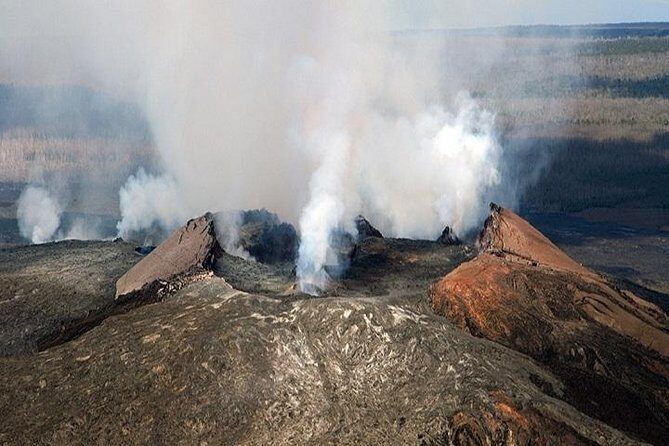
This is the reason for the entire day: Hawaii Volcanoes National Park. You start at the visitor center, where you get the geology and history framing before you go outside.
Then the park route hits multiple styles of volcanic activity, including places like:
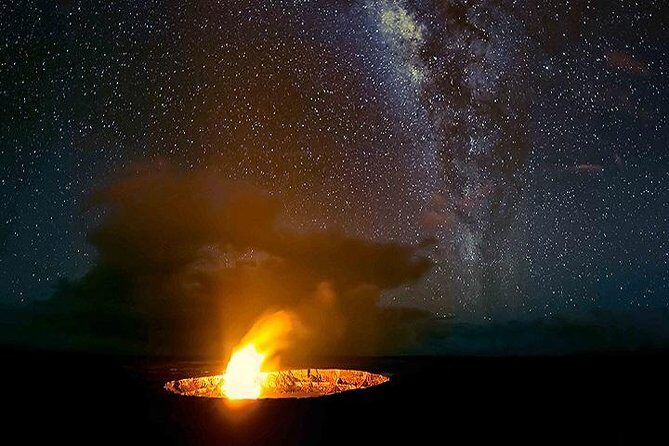
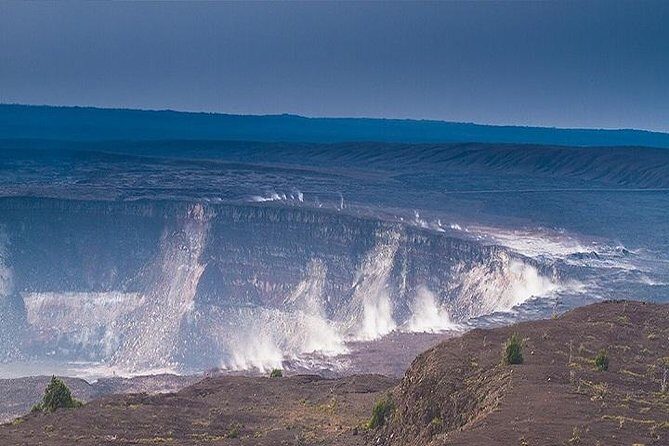
- Halemaʻumaʻu Crater, where you can see molten-lava glow when conditions allow
- Kīlauea Iki Rainforest Lookout, a view contrast: lush rainforest surrounding a crater, with a trail that reaches through remnants from a past eruption
- Thurston Lava Tube, a walk through a tunnel formed by flowing lava
- Active steam vents, where you feel the heat rising from geothermal activity
Two key things to know going in:
- You’re walking on uneven ground. Wear sturdy closed-toe shoes—flip-flops are a bad idea here.
- Active volcanic areas can mean volcanic gases. If you have asthma or other respiratory issues, take the warning about sulfur dioxide seriously and follow all safety guidance.
A smart photo tip: ask for the welcome sign stop
One small regret I’d prevent for you: ask your guide to pause for photos at the Volcanoes National Park Welcome sign. It’s easy to forget in the rush, and it’s one of those “we should’ve done that” moments that you won’t need to have.
Mauna Kea Access Road and Kohala Coast: From Air Changes to Dry-Climate Views
After Volcanoes National Park, the drive shifts you into a different kind of Hawaiʻi. Mauna Kea Access Road is steep and winding, and it’s the kind of road where you can feel the island changing under your feet. As you climb from Route 200, the area shifts through different climates.
Expect:
- thinner air as you go higher
- noticeably cooler temperatures
- a road trip feel where the scenery changes quickly
Then you head toward Kohala Coast, known for beaches, scenic views, and luxury resorts, plus a drier climate than many other parts of the island. Even if you’re not stopping for a long beach break, this is a good contrast after the humid and geothermal park atmosphere.
Hilo Stop: Town Time for Museums, Gardens, and Local Rhythm
The day also includes a stop in Hilo, a town with a mix of historical sites and present-day culture. The highlighted stops you’ll hear about include:
- Lyman Museum, focused on natural and cultural history
- Hilo Historic District, with preserved early 20th-century buildings
- Pacific Tsunami Museum, explaining tsunami impacts on the region
- Liliuokalani Gardens, honoring Queen Liliuokalani
- Hilo Farmers Market, which reflects local goods and produce
You won’t get “hours” of museum time promised in the information you have, so treat Hilo as a flexible add-on: a place to stretch your legs, grab a last look at the island’s human side, and switch gears from volcano heat to town calm.
Guides Are the Real Engine: Mel, Henry, Brandon, and Jim
The best part of this tour isn’t just the checklist of places. It’s how the day gets translated into plain language by the guide.
In the feedback I saw, Mel and Henry were repeatedly praised for making the day engaging even when weather threw curveballs. Brandon and Jim also came up as strong guides—fun storytelling, clear explanations, and keeping the group together.
If you want the day to feel smooth, pay attention to what your guide sets up at the start. Clear expectations help a lot when cell service can disappear in parts of the route and when you’re switching environments from coast to crater to colder elevation roads.
What to Pack for an Active Volcano Day (No, Seriously)
This is where planning keeps the trip fun instead of annoying. Bring:
- layers, because higher elevations can get cool and wet fast
- a rain jacket if you have one
- sturdy closed-toe shoes
- water and snacks (services in the park are limited)
- sunscreen and a hat
Also consider a few extras:
- bug spray (use it only within your airline rules if you’re flying with it)
- a small plan for limited phone service, since cell coverage is limited or nonexistent in many park areas
- respect for sacred sites: don’t move or disturb anything, even small objects or cultural markers
And do the unglamorous thing: Leave No Trace. Pack out your trash and keep the trails clean.
Who This Tour Fits Best (and Who Might Want a Longer Stay)
This works best if you:
- only have a day to see the Big Island
- don’t want to rent a car or figure out route timing yourself
- like learning while you’re moving
- want a concentrated hit of volcano + coffee + coast + a little town
It might be less ideal if you:
- hate long days and lots of driving
- want total control over timing and stops
- have strong limits on walking on uneven terrain
- have respiratory sensitivity and are worried about sulfur dioxide and volcanic gases
Should You Book This Oahu to Big Island Volcanoes Day Trip?
I’d book it if your priority is a single, organized day that hits the essentials: coffee farm, black sand beach, and the major Volcanoes National Park stops, plus a little Mauna Kea and Hilo variety. The biggest selling point is value beyond the sightseeing—your inter-island flights and the park admission are handled, so you’re not piecing together your own plan while you’re on vacation.
I’d think twice if you’re the type who wants zero stress and unlimited flexibility. This tour is structured, it’s long, and it depends on weather and real-world conditions at an active volcanic site.
If you’re ready for a packed day with a strong guide, this is a smart way to make the Big Island happen even when you’re anchored on Oahu.
FAQ
How long is the tour, and what time does it start?
The tour runs about 12 hours (approx.) and starts at 8:00 am.
What’s included in the $589.99 price?
The price includes roundtrip airfare between Honolulu and Kona International Airport, air-conditioned ground transport, Hawaii Volcanoes National Park admission, and narration from a local guide.
Where do I meet my group after I fly to Kona?
If you arrive at Kona International Airport, meet at the lot behind Alaska Baggage claim B-2.
Are tickets required for the stops, or are they handled?
Hawaii Volcanoes National Park admission is included, and entry tickets for the attractions will be provided by your driver on the morning of your tour. The listed stops also show free admission tickets.
Are meals included?
No. Meals are at your own expense, though there is a lunch stop at Punaluʻu Bake Shop.
How large is the group?
The tour has a maximum of 22 people.
What should I bring for the weather and walking?
Bring layers, ideally a rain jacket, and wear sturdy closed-toe shoes. Also pack water, snacks, sunscreen, and a hat.
What if I cancel or the tour is canceled for weather?
You can cancel for a full refund up to 24 hours before the experience starts. If the experience is canceled due to poor weather, you’ll be offered a different date or a full refund.