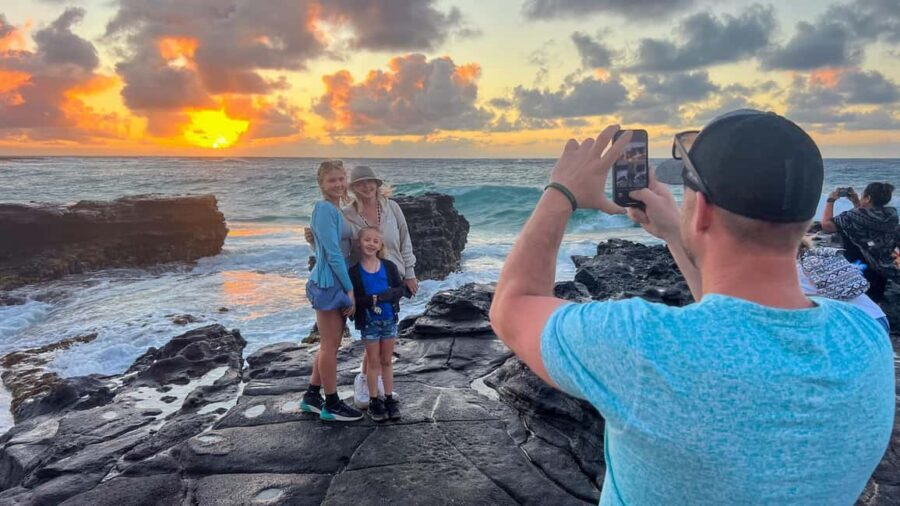
REVIEW · HONOLULU
Honolulu: Diamond Head Segway Tour
Book on GetYourGuide →Operated by Sidewalk Surfing Tours · Bookable on GetYourGuide
Diamond Head by Segway is a fun shortcut to big views. You glide for two hours past Pacific Ocean scenery, plus the Coconut Avenue historic homes and memorial stops that give Waikiki more texture than a beach walk. One heads-up: this tour isn’t for wheelchair users or people who need help climbing and descending stairs.
What makes it work is the calm coaching. Before you roll, you get Segway training and a helmet, and the guide explains the area as you ride in English or Japanese. In particular, I’d count on guides like Timo (ティモさん) for clear instructions and a friendly vibe that helps first-timers feel steady fast.
In This Review
- Key things I’d prioritize
- Starting at the Honolulu Zoo: where your tour begins
- Segway training first: how they set you up to enjoy it
- Diamond Head crater views: why two hours feels like more
- Kapiolani Park, Waikiki Aquarium, and the War Memorial stops
- Coconut Avenue historic homes and Leahi Beach Park
- Diamond Head lighthouse and the Emilia Earhart lookout point
- Red Wings Memorial Park and Fort Ruger pathways
- What you’ll learn from the guide while you ride
- Comfort and planning: shoes, sun, water, and stairs
- Price and value: is $155 worth two hours?
- Who this tour suits best (and who should skip it)
- Should you book the Honolulu Diamond Head Segway Tour?
- FAQ
- How long is the Honolulu Diamond Head Segway Tour?
- How much does it cost?
- Where do we meet the guide?
- What’s included in the tour?
- What languages are available for the tour?
- What should I bring?
- Is the tour offered in bad weather?
- Is it suitable for wheelchair users or mobility impairments?
Key things I’d prioritize

- Small group (up to 7) keeps the pace comfortable and questions easy.
- Training before riding makes a big difference if it’s your first time on a Segway.
- Diamond Head + coast viewpoints give you photo-worthy stops without lots of hiking.
- Historic stops on the route add meaning beyond scenery: War Memorial, Coconut Avenue, and more.
- Multilingual guidance (English/Japanese) helps you actually understand what you’re seeing.
- Plenty of photo moments along the route, especially near the lookouts.
Starting at the Honolulu Zoo: where your tour begins
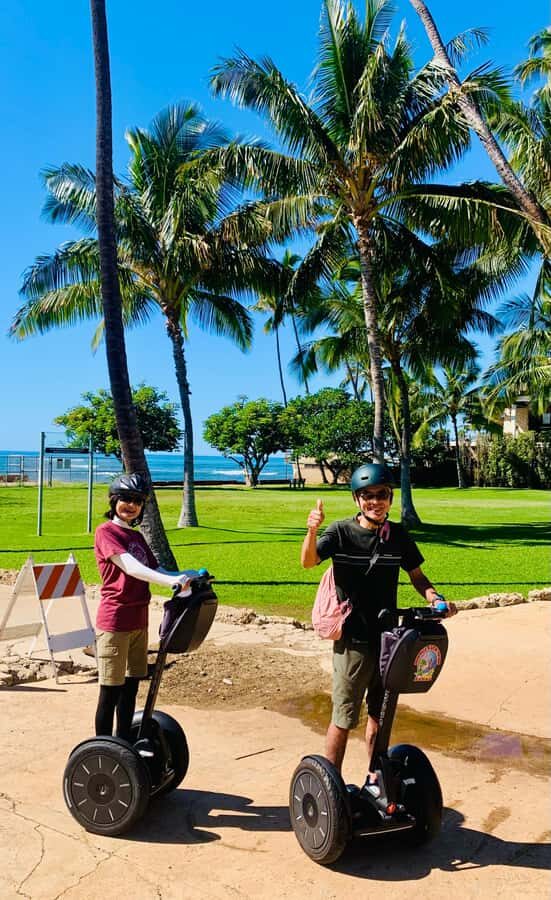
The meeting point is outside the main entrance to the Honolulu Zoo, on the sidewalk next to the zoo parking lot. That matters because Diamond Head area routes can feel a bit confusing at first glance, so having a clear, obvious landmark is reassuring.
Plan to arrive a little early. You’ll want time to get your helmet on comfortably and settle your nerves before the training. Also, if you’re coming from Waikiki, give yourself buffer time—traffic and parking can slow things down, and you don’t want to rush your first minutes on a Segway.
You can also read our reviews of more tours and experiences in Honolulu.



Segway training first: how they set you up to enjoy it
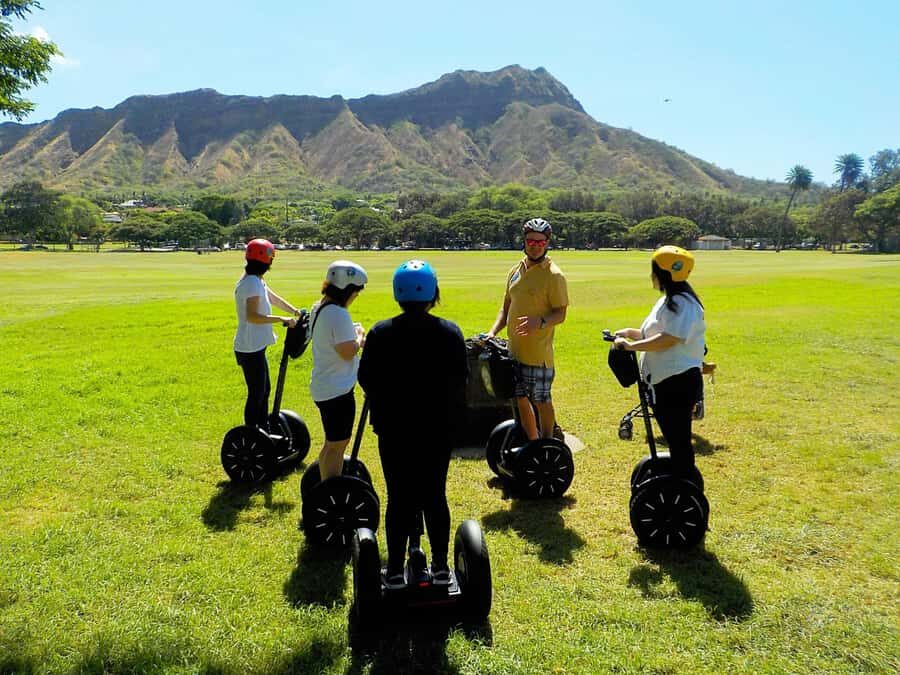
This tour includes Segway training and a helmet, so you’re not starting “cold.” You’ll begin with a brief instruction session, then head out to explore around Diamond Head.
The key rule for choosing this tour is your body comfort with basic movement. Participants must be able to climb and descend stairs without assistance. Even if you’re not doing a long hike, the route and setups can still involve steps, so be honest about your mobility needs before you book.
If you’ve never ridden before, you’ll likely appreciate the structured start. The guide’s style described in the experience stories is very hands-on: clear explanations, practice before going out, and frequent reassurance. Guides like Timo are repeatedly named for making first-time riders comfortable, especially when Japanese support is available.
Diamond Head crater views: why two hours feels like more
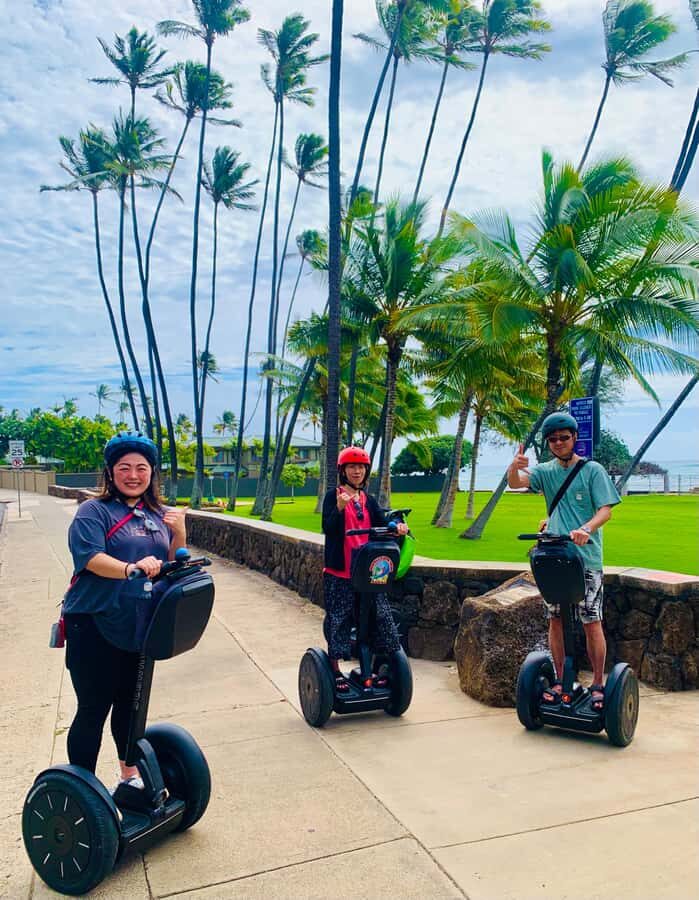
Once you’re underway, the whole point is motion plus viewpoints. You explore the area around Diamond Head crater by Segway, which lets you cover ground while still stopping for the sights.
Why it’s a good value for a short visit: Diamond Head is one of those places people talk about a lot, but doing it efficiently can take planning. Here, the Segway ride handles the logistics. You get to focus on the coast views and the fun of gliding between key spots rather than mapping a route on your own.
Expect a mix of scenery types:
- Ocean views that open up as you approach higher sightlines
- Park paths that feel easier and less crowded than you’d expect
- Several built-in stops where you can park, look around, and take photos
And because the tour runs in all weather conditions, you’re not waiting around all day for perfect skies. Dress for the conditions you actually get.
Kapiolani Park, Waikiki Aquarium, and the War Memorial stops
Early on, you pass the Waikiki Aquarium and ride through Kapiolani Park. This is a smart pairing because it gives you a contrast: Waikiki’s busy edge nearby, then park space that feels calmer and more open for viewing.
From there, you head toward the War Memorial. Memorial stops can sometimes feel like a “drive-by,” but the best part here is the guide narration while you move. As you ride, you learn the history of the area, which makes these moments more than just photo backgrounds.
What I like about this portion of the route is the balance:
- You’re not only chasing overlooks.
- You’re also getting context for the ground you’re cruising over.
- The pacing stays varied, so you don’t feel locked into one kind of scenery for the entire tour.
Coconut Avenue historic homes and Leahi Beach Park
Next, you move through areas known for character and history, including Coconut Avenue and the historic homes along it. This part is especially worth paying attention to if you like neighborhoods with stories, not just landmark photos.
After that, you continue toward Leahi Beach Park and other Diamond Head-adjacent points. It’s a good reminder that this area isn’t only about crater views. You also get the feel of Hawaii’s coastal edge—where the ocean is close enough that you can sense the weather and light shift as you ride.
Photo tip: keep your camera ready as you transition from park-like areas to shoreline-adjacent points. The lighting changes quickly around coastlines, and stopping at the right moment is the difference between a decent photo and a memorable one.






Diamond Head lighthouse and the Emilia Earhart lookout point
The route includes the Diamond Head lighthouse area and then heads to the Emilia Earhart Lookout Point. This is where the tour earns its “Diamond Head” reputation—big viewpoints, a strong sense of place, and a feeling that you’re standing above the rest of Waikiki.
Lookouts are also where a small group helps. With limited participants, you’re less likely to get tangled in bottlenecks at a photo stop. You can take your time, check your angles, and move on when you’re ready.
One practical thing: don’t plan on perfect timing for sunsets or special lighting unless your schedule is fixed for it. This tour is designed as a practical two-hour experience with stops that work throughout the day. If you’re sensitive to lighting and want a specific time window, choose your departure time carefully.
Red Wings Memorial Park and Fort Ruger pathways
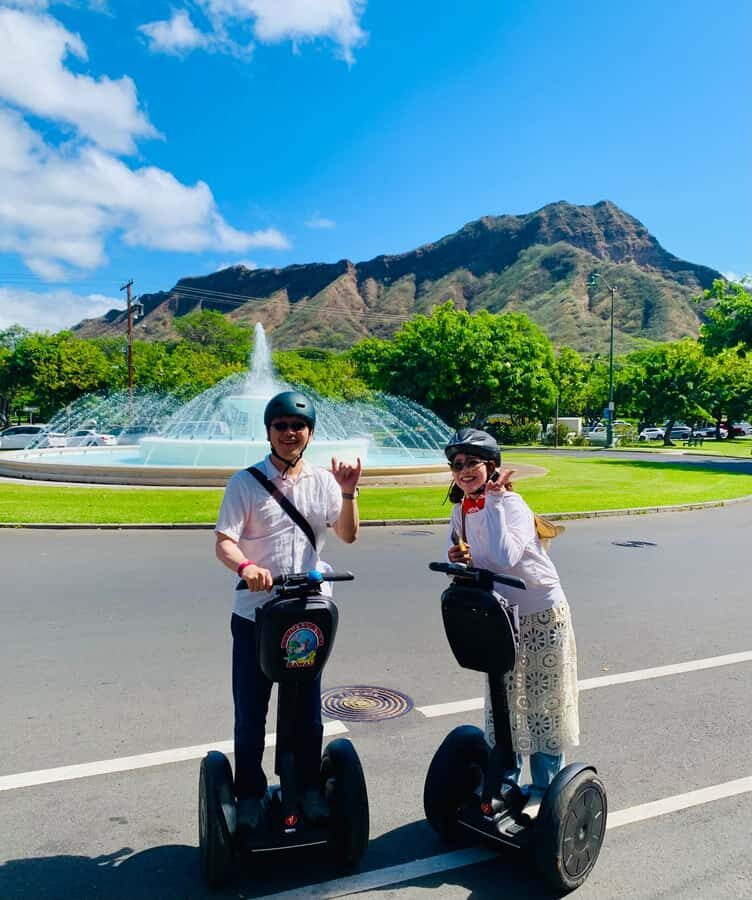
Later in the ride, you’ll visit Red Wings Memorial Park and then ride the Fort Ruger pathways. These stops add depth in a different way than the crater itself. Instead of only focusing on ocean views, you’re also seeing how the area has been used and remembered over time.
Pathways at places like Fort Ruger also tend to give you gentle turns and changing angles—great for photos and for keeping the experience lively. It’s less about a single “one moment” and more about an arc: start with Diamond Head and coast, then add memorial and historical layers before you head back.
If you’re the type who gets tired of repeating the same viewpoint, this section helps reset your attention. You’ll still be looking for scenery, but the scene has meaning, not just height.
What you’ll learn from the guide while you ride
The tour is built around a live guide, and history is included as part of the ride experience. You’re not just moving from one stop to another—you’re also picking up context about what you’re passing.
The guidance quality is a major theme in the experience stories. People mention:
- Very clear training so you don’t feel lost
- Explanations in Japanese and English so language isn’t a barrier
- Friendly staff who keep the mood relaxed
- Meaningful narration about historic buildings and landmarks
One name that comes up in the experiences is Timo (ティモさん). If you’re booking mainly for the “how do I understand this place” factor, that kind of staff-driven communication is a strong sign the tour will feel like more than sightseeing.
Comfort and planning: shoes, sun, water, and stairs
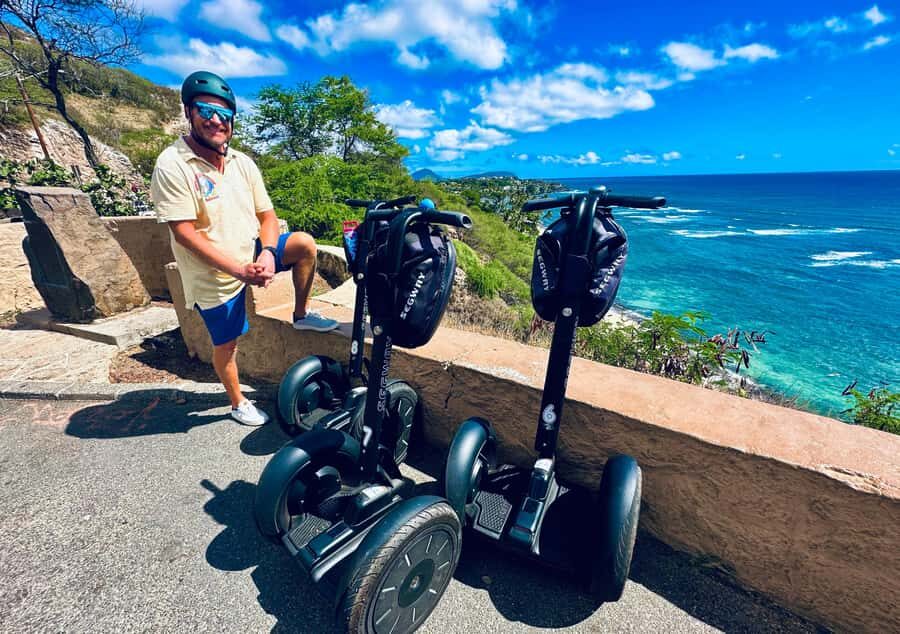
This tour is outdoors and runs in all weather conditions, so your comfort plan matters. Bring:
- Comfortable shoes
- A camera
- Sunscreen
- Water
Even though Segways do the “work” for you, you’ll still be getting on and off, and you’ll likely navigate short stretches that involve steps or uneven transitions. That’s why the stair requirement is listed. If you can’t do stairs without assistance, this isn’t the right fit.
Also note the rules: smoking isn’t allowed. It’s a small thing, but it keeps the experience pleasant for everyone.
Price and value: is $155 worth two hours?
At $155 per person for a 2-hour small-group tour, you’re paying for three things that add up quickly:
- A live guide who explains the area while you ride
- Segway training plus a helmet
- Access to a route that links multiple viewpoints and landmark zones efficiently
If you like the idea of “one guide, one device, many stops,” the price makes sense. You’re buying convenience and interpretation. Instead of spending your time figuring out logistics, you follow a planned route and get context as you go.
If you’re a budget traveler, the cost may feel steep compared with simply walking or using public transit. But you’re also paying for a guided activity that changes how you experience Diamond Head—faster than walking, more guided than renting and guessing.
My rule of thumb: if you want a hands-on activity with built-in storytelling, the value clicks. If you just want a view and you’re happy navigating on your own, you might decide this is optional.
Who this tour suits best (and who should skip it)
This tour is best for people who:
- Want a fun, guided way to see the Diamond Head area in a short window
- Are comfortable learning a new skill with training first
- Enjoy park-and-viewpoint routes with history mixed in
- Like small-group attention (up to 7 participants)
It’s not suitable for:
- Wheelchair users or people with mobility impairments
- Anyone who can’t climb and descend stairs without assistance
And if you’re traveling with a language need, it’s a plus that the guide speaks English and Japanese. That can turn the tour from “watching scenery” into “understanding what you’re seeing.”
Should you book the Honolulu Diamond Head Segway Tour?
Book it if you want Diamond Head area viewpoints without committing to a long, strenuous day. The Segway training lowers the learning curve, and the route connects ocean outlooks with memorials and neighborhood history, so you get variety in just two hours.
Skip it if stairs are a problem for you or if you prefer purely independent travel with zero structured instruction. And if you’re expecting a mostly “crater hike,” this isn’t that. You’re touring by Segway, with stops and narration—not doing an all-on-foot adventure.
If you’re on the fence, I’d make the decision based on one question: do you want guided context while you move, or are you happy piecing it together yourself? For most people who enjoy hands-on sightseeing, this tour is a very efficient way to get more from Diamond Head.
FAQ
How long is the Honolulu Diamond Head Segway Tour?
The tour lasts 2 hours.
How much does it cost?
It costs $155 per person.
Where do we meet the guide?
Meet outside the main entrance to the Honolulu Zoo, on the sidewalk next to the zoo parking lot.
What’s included in the tour?
You’ll get a live tour guide, a helmet, and Segway training.
What languages are available for the tour?
The guide offers English and Japanese.
What should I bring?
Bring comfortable shoes, a camera, sunscreen, and water.
Is the tour offered in bad weather?
Yes. This tour operates in all weather conditions, so dress appropriately.
Is it suitable for wheelchair users or mobility impairments?
No. It is not suitable for wheelchair users or people with mobility impairments, and participants must be able to climb and descend stairs without assistance.