REVIEW · HONOLULU
Honolulu: Liljestrand House Architectural Tour
Book on GetYourGuide →Operated by Liljestrand Foundation · Bookable on GetYourGuide
A house tour usually means “pretty rooms.” This one turns into a lesson on Hawaiian modern architecture and why it looks the way it does. You’ll walk through the preserved Liljestrand House and get the design logic behind Vladimir Ossipoff, including how he shaped views and used natural materials.
I love two things most: first, the way the tour connects architecture to real living, not just style. You’ll see original furnishings and artworks that help explain how the Liljestrand family experienced the house day to day. Second, the small group size (10 people max) makes it easier to ask questions and actually follow the guide’s explanations.
One heads-up before you go: the house is not air-conditioned, and it can feel quite hot in summer and fall.
In This Review
- Key things you’ll appreciate
- A mid-century Hawaiian house made for how you see and feel
- What Ossipoff’s principles really mean inside the house
- Inside the Liljestrand House: why the furnishings matter
- The guide experience: small group, big clarity
- Timing and pace: how 90 minutes usually feels
- Price and value: is $78 worth it?
- Practical tips that make your visit easier
- Who should book this tour
- Should you book the Honolulu Liljestrand House Architectural Tour?
- FAQ
- How long is the Liljestrand House Architectural Tour?
- How many people are in the group?
- What’s included with the ticket?
- Is the house air-conditioned?
- Do I need to remove my shoes?
- Is the tour suitable for children?
- What items are not allowed during the tour?
- What languages are offered, and can I cancel?
Key things you’ll appreciate
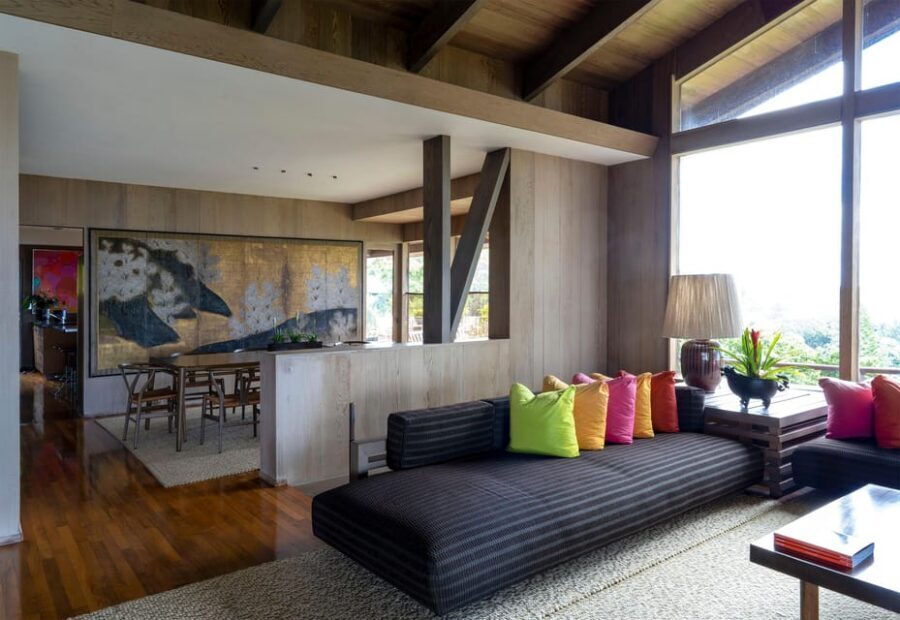
- A preserved mid-century house you can actually walk through, not just see from outside
- Design-by-design explanations from a live guide focused on Ossipoff’s principles
- Views and natural materials as part of the building system, not decoration
- Original furnishings and artwork that show how the home was lived in
- A mission-minded visit through the Liljestrand Foundation, focused on preservation and education
A mid-century Hawaiian house made for how you see and feel
The Liljestrand House is the kind of architectural stop that makes you slow down. It’s not just because the place is beautiful. It’s because the design is doing work—guiding light, framing outdoor sight lines, and shaping the mood of indoor spaces.
This is Hawaiian modern architecture at its most practical: the building isn’t pretending it’s somewhere else. Instead, the architecture responds to place—materials, openness, and the way you move through spaces that look out toward the landscape. Even if you’re not an architecture nerd, the tour helps you understand what you’re seeing and why it matters.
And there’s a human side too. This home belonged to the Liljestrand family, and the tour connects their life in the house to their ongoing friendship with Ossipoff. That adds weight. You’re not touring an object behind glass. You’re stepping into someone’s everyday world, still shaped by the thinking of the architect.
You can also read our reviews of more tours and experiences in Honolulu.



What Ossipoff’s principles really mean inside the house
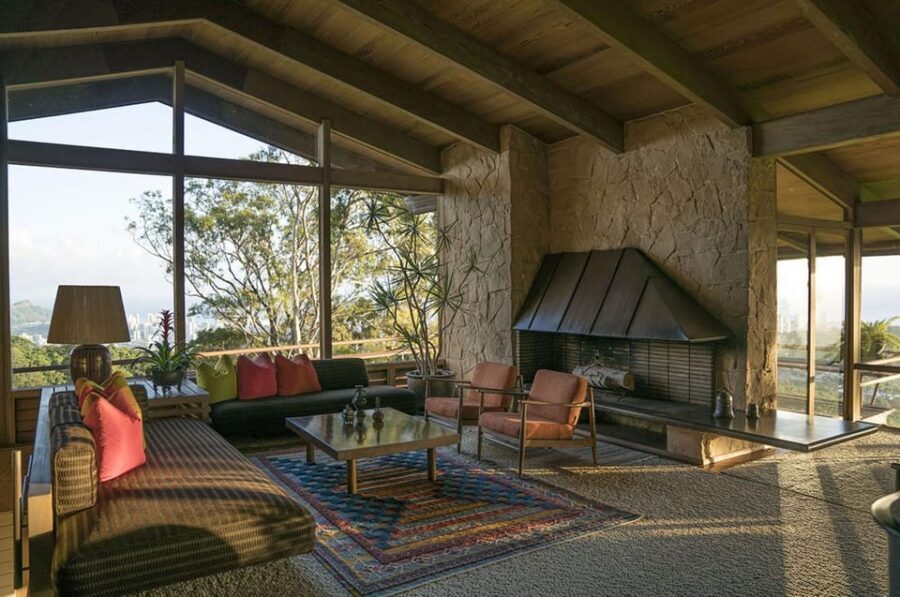
The tour’s backbone is the design thinking of Vladimir Ossipoff. You’ll hear about the principles that guided his work and how they show up in the Liljestrand House.
The two ideas I found most useful are about control and integration:
- View management: Instead of treating scenery as an accident, the house channels sight lines. You’ll notice how windows and openings help you look outward in a composed way, rather than scattering your attention.
- Natural materials: The design doesn’t rely on heavy visual gimmicks. Materials help define warmth, texture, and continuity with the outdoors.
As you move room to room, it starts to click. You stop seeing the home as a set of interesting features and start recognizing a system. The guide will point out how the architecture directs your attention—often toward the outside—while still feeling livable inside.
If you want a souvenir, this is one of the rare tours where the real take-home is mental. You’ll walk away with a clearer eye for what makes modern architecture “work,” especially in a climate like Hawaii.
Inside the Liljestrand House: why the furnishings matter
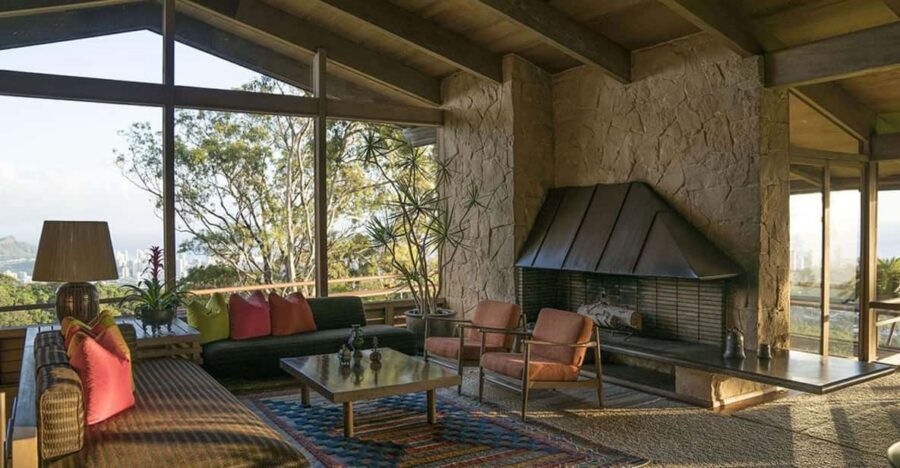
It’s tempting to focus only on the structure: lines, openings, angles, and the overall look. That’s important here. But the tour wisely adds something more satisfying—the story held in the details.
You’ll spend time with original furnishings and artworks, and that’s where the house becomes more than an architectural diagram. Original pieces show what the design team expected from the space. They hint at the household rhythm: what got used, what mattered, and how the room layout supported daily life.
That’s also where you get a real sense of the Liljestrand family’s presence. The tour frames their home as a lived environment shaped by a long creative relationship with Ossipoff, not a one-off project.
The biggest value for you is this: you’ll learn to read the room. Instead of asking, Is this modern? you’ll start asking, How did this space guide comfort, light, and movement?
The guide experience: small group, big clarity
This is a small-group tour limited to 10 participants, and it shows. A group that size keeps the pace human. It also helps you catch the guide’s explanations without having to shout over everyone else.
A strong point is how specific the guide’s knowledge can be. One docent mentioned in the tour experience is Perry, and his insight is tied to personal familiarity with Ossipoff. That kind of background matters because it turns the tour from a list of facts into practical interpretation: why a design choice makes sense and what it was trying to do.
Even if your guide isn’t Perry, the format stays the same: a live guide with clear focus, walking you through what to look at and why it’s worth noticing.
And because the group is small, you can ask follow-up questions. That’s a big deal on architecture tours, where the best answer is often the one that connects the building to a detail you just noticed.
Timing and pace: how 90 minutes usually feels
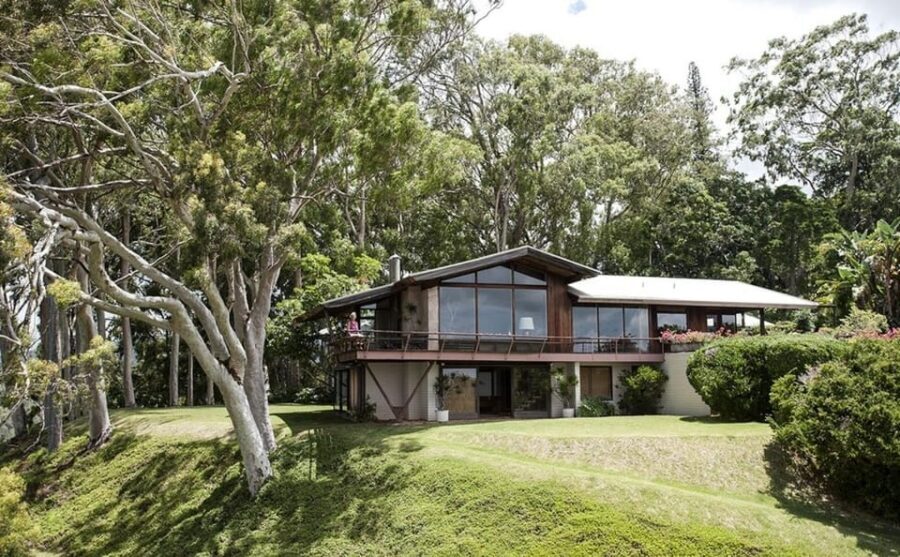
The tour runs for 90 minutes, which is a sweet spot. Too short, and you miss the explanation. Too long, and it becomes hard to keep attention on details.
Here, the length gives you time to move through the house at a comfortable pace while still getting a layered story—architecture principles first, then real-life context, then the fine details like furnishings and artwork. You’ll likely feel like you’re getting a guided walk-through, not a rushed viewing.
Plan for a calm pace inside. This isn’t the kind of tour where you sprint from spot to spot taking quick snapshots. It’s better when you slow down and let the guide’s points land.






Price and value: is $78 worth it?
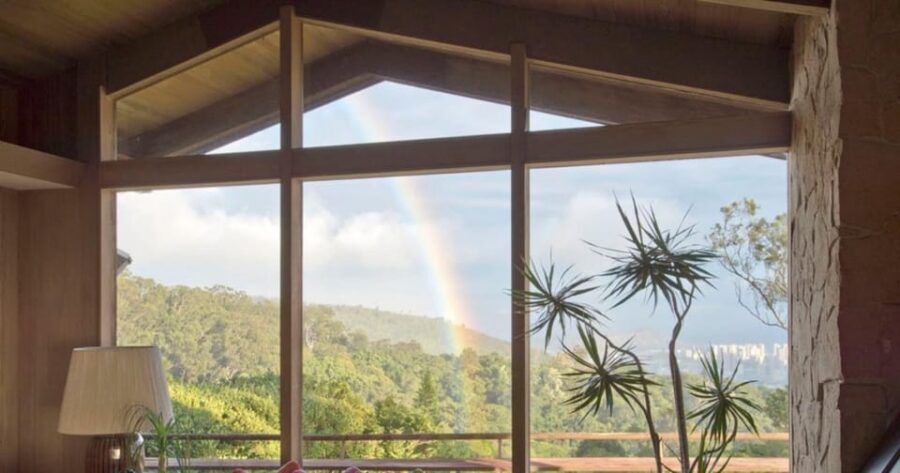
At $78 per person for a 90-minute guided entry, the price makes sense if you care about more than surface-level beauty.
Here’s why it’s good value:
- You’re paying for a guided interpretation, not just access to a house. The guide’s role is central because the architecture’s meaning isn’t always obvious at first glance.
- The house is preserved by the Liljestrand Foundation, and your ticket supports that educational and cultural mission. That matters because preservation is expensive and ongoing.
- The small group size adds value in a practical way: fewer people means more chance for questions and a clearer explanation.
If you want a quick photo stop, you might feel like it’s pricier than you need. But if you want to understand the architecture and leave with real context, this price-to-experience ratio is strong.
Practical tips that make your visit easier
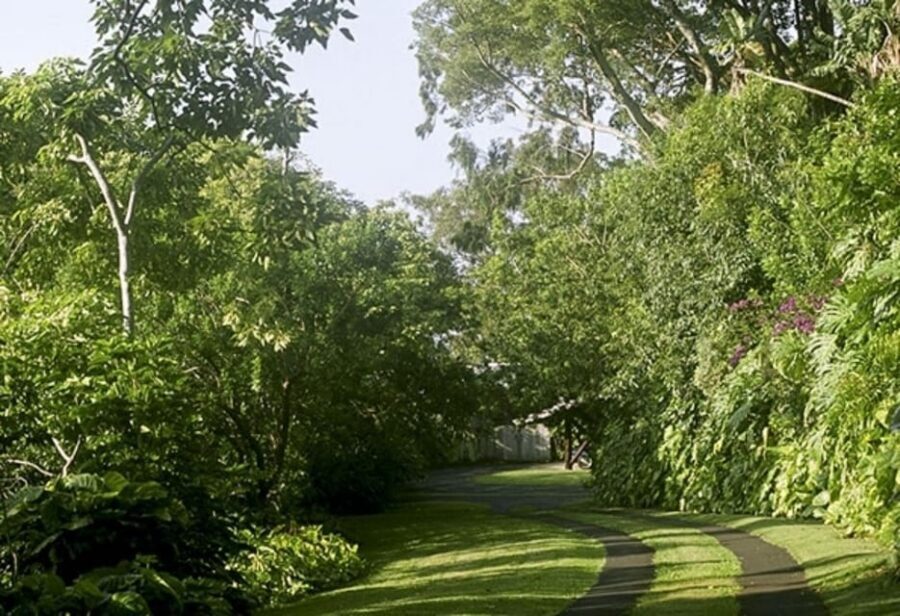
A few rules can affect comfort, so read them like part of the plan.
Remove your shoes: The wood floors are fragile, so you’ll be asked to take your shoes off. Wear socks you don’t mind walking in.
Heat can be real: The house is not air-conditioned. If you’re going in summer or fall, expect warm indoor conditions. Dress lightly and plan for staying comfortable for the full 90 minutes.
What not to bring: Pets, backpacks, large bags, tripods, extension poles, and selfie-sticks are not permitted. If you’re the type who travels with camera gear, pare it down so you don’t get slowed at the door.
No smoking or vaping: It’s standard, but it matters for indoor comfort.
Age fit: This isn’t suitable for children under 10. The tour style is about listening and walking through a preserved environment, so older kids who can handle that will fit better.
Who should book this tour
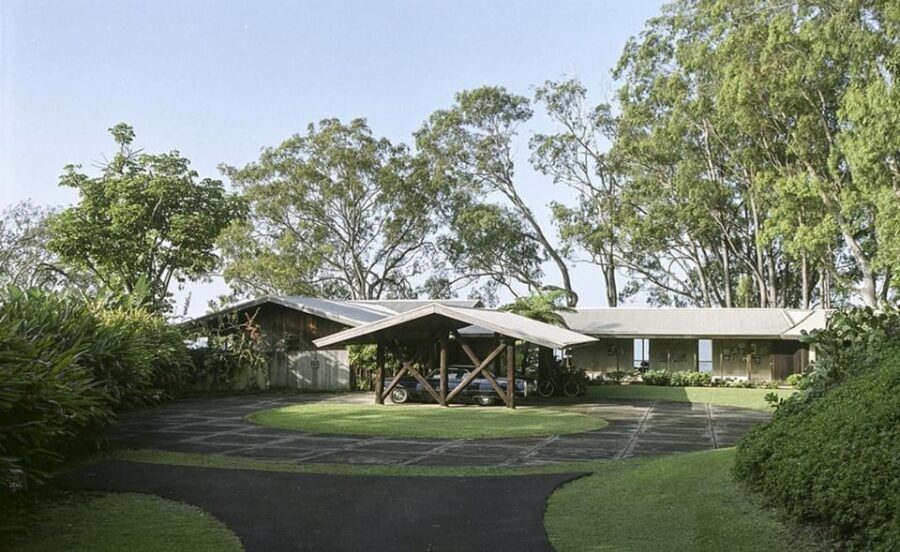
I’d book this if you’re drawn to design you can understand, not just design you can photograph. It’s ideal for:
- People who like mid-century architecture and want the “why” behind the look
- Anyone who enjoys homes as stories, where furnishings and layout connect to the people living there
- Travelers who appreciate small groups and guided interpretation
It’s less ideal if you hate warm indoor environments (no air-conditioning) or if you mainly want a casual walk with no rules about shoes and bags.
Should you book the Honolulu Liljestrand House Architectural Tour?
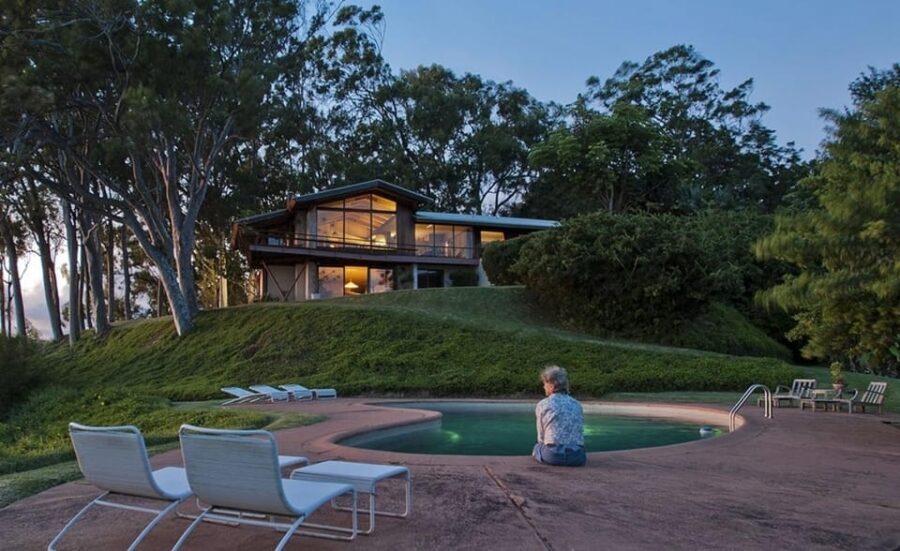
If you enjoy architecture that makes sense in the real world, yes—book it. The combination of a preserved mid-century house, clear design explanations, and hands-on context from a live guide makes this more than a pretty stop. It’s a chance to learn how Hawaiian modern design works in practice, especially through view management and natural materials.
The main reason to pause is comfort. If you’re sensitive to heat or you’d rather skip shoe-off rules, plan carefully. But if you can handle warm indoor conditions for about 90 minutes, this tour is a strong use of your time in Honolulu.
FAQ
How long is the Liljestrand House Architectural Tour?
The tour lasts 90 minutes.
How many people are in the group?
The group is small, limited to 10 participants.
What’s included with the ticket?
You get entrance to the Liljestrand House and a tour guide.
Is the house air-conditioned?
No. The house is not air-conditioned and can be quite hot during summer and fall months.
Do I need to remove my shoes?
Yes. Because the wood floors are fragile, guests are asked to remove their shoes.
Is the tour suitable for children?
It is not suitable for children under 10 years.
What items are not allowed during the tour?
Pets, backpacks, large bags, tripods, extension poles, and selfie-sticks are not permitted.
What languages are offered, and can I cancel?
The tour is in English. You can cancel up to 3 days in advance for a full refund.