REVIEW · HONOLULU
Oahu to Big Island Volcanoes National Park Adventure Tour
Book on GetYourGuide →Operated by Dynamic Tour USA · Bookable on GetYourGuide
One day, and you feel the Big Island’s heat. This tour strings together classic Hilo sights with the big pay-off of Hawaii Volcanoes National Park, including Kīlauea Iki Crater, plus stops like the steam vents and sulfur banks that make the landscape feel active even when you’re standing still.
What I like most is the way it focuses on real volcano experience, not just viewpoints. You get time at the Visitor Center and on-the-ground stops like the volcanic steam vents, where you can watch how groundwater turns into steam over hot rock.
There is one drawback to think about: the tour’s meeting flow is built around flights, and if you’re expecting hassle-free pickup routines, you’ll want to confirm that detail ahead of time.
In This Review
- Key Highlights at a Glance
- Why This One-Day Oahu to Big Island Plan Feels Efficient
- Price and Value: What $580 Includes (and What You Still Handle)
- Flight-First Logistics: How the Day Actually Starts
- Hilo Welcome: Liliuokalani Gardens and Hilo Bay
- Rainbow Falls Stops: Best Use of Short Time
- Wailuku River State Park and the Tale of Hina Theme
- Banyan Tree Drive: A Walk Through Living History Names
- Richardson Black Sand Beach: Where the Color Changes the Story
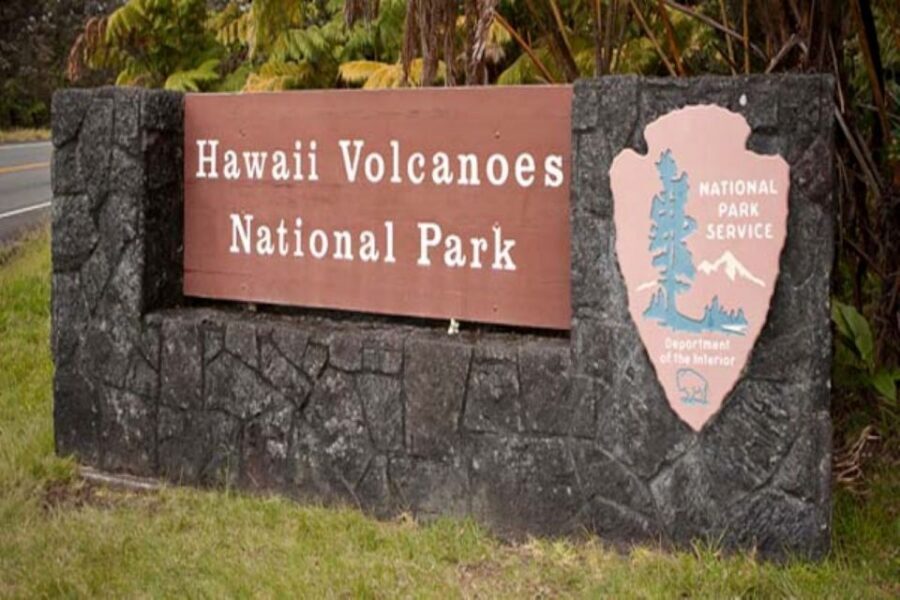
- Entering Volcanoes National Park: Visitor Center First for Context
- Steam Vents and Sulfur Banks: The Day’s Most Sensory Stops
- Kīlauea Iki Crater: The Main Event
- Ancient Lava Tube: When the Ground Becomes a Room
- The Big Island Pace: Outdoor Time and Group Reality
- Should You Book This Volcano Adventure?
- FAQ
- How long is the tour?
- What’s included in the price?
- Is lunch included?
- Do I need a passport or ID?
- Is there a live guide?
- Is the tour suitable for mobility impairments?
- What do I need to bring?
- Is there cancellation flexibility?
Key Highlights at a Glance
- Kīlauea Iki Crater: described as the most active volcano crater in the world.
- Volcanic steam vents: groundwater sinks into hot volcanic rocks and comes back up as steam.
- Historic Banyan Tree Drive: trees named for famous planters like Theodore Roosevelt, Babe Ruth, and Richard Nixon.
- Richardson Black Sand Beach: noted as the only black sand beach in the Hilo area.
- Rainbow Falls stops: you’ll see waterfall areas tied to the never-ending rainbow idea.
- Multiple Volcanoes National Park elements: Visitor Center, sulfur banks, an ancient lava tube, and more.
Why This One-Day Oahu to Big Island Plan Feels Efficient
If you only have a single day and you still want the Big Island’s main headline, this is the kind of plan that makes sense. You’re not just driving around aimlessly. The tour is built like a greatest-hits circuit: Hilo first, then Volcanoes National Park and the Kīlauea area.
The value comes from timing. Flying from Oahu and packing the best stops into one guided day means you’re spending your limited time actually seeing things instead of planning logistics. And since Volcanoes National Park admission is included, you’re less likely to lose time on paperwork at the start of the day.
You can also read our reviews of more tours and experiences in Honolulu.



Price and Value: What $580 Includes (and What You Still Handle)
At $580 per person for a one-day experience, you’re paying for more than a tour guide. The listing includes a full day tour, air ticket, and snacks and water, plus park admission. That matters, because flights and park entry can add up fast on your own.
What is not included is lunch. Plan for that. Also plan for the fact you’ll be moving through several outdoor stops. Bring weather-appropriate clothing so you can stay comfortable while you’re listening to the guide and watching active-leaning terrain.
One more value point: the itinerary isn’t just a bus ride past scenic spots. You get stops inside the action zone of the park, including the Visitor Center, Kīlauea Iki Crater, and areas like steam vents and sulfur banks that help explain what’s happening beneath your feet.
Flight-First Logistics: How the Day Actually Starts
This tour is built around flights, which is good for a one-day window but requires you to stay sharp on timing. The process says flight information will be sent after confirmation and booking, and you’ll go to the airline check-in counter for boarding passes.
You should show up for boarding 30 minutes before departure, and boarding doors close 15 minutes before departure time. That’s a tight window, so if you’re traveling with a group, make sure everyone hears the time and understands where to go.
Also, bring the right documents. You need a government-issued passport or ID (and the info specifically notes passports for foreign citizens). The tour information also asks you to have a vaccine card with you. Even if rules vary by context, don’t show up without it if the tour requests it.
Hilo Welcome: Liliuokalani Gardens and Hilo Bay
Once you’re on the Big Island, the day starts with a classic Hilo rhythm: gardens, bay views, and big waterfall energy. You’ll visit Liliuokalani Gardens, tied to the story of Queen Liliʻuokalani. This stop isn’t just pretty scenery; it’s a grounding moment that helps you understand Hilo’s connection to place before you head into the volcanic intensity.
Next comes Hilo Bay on the island’s eastern coast. Even if the day is mostly about volcanoes, the bay stop gives you a breather. You’re changing settings from ocean-and-rain atmosphere to volcanic geology, and that shift helps you appreciate what’s different about each environment.
Rainbow Falls Stops: Best Use of Short Time
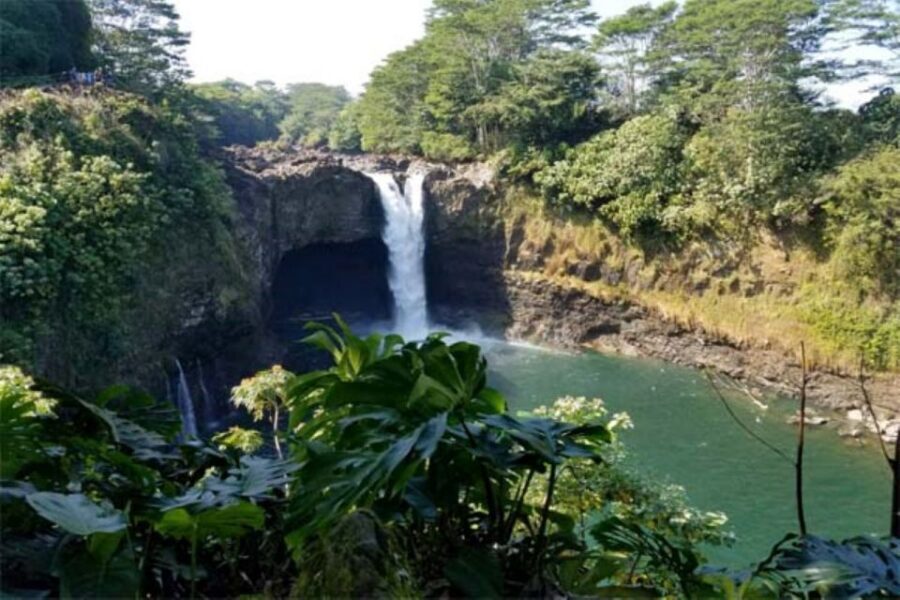
You’ll hit waterfall areas tied to the never-ending rainbow idea, including Rainbow Falls and a Rainbow Falls State Park stop. The way these are positioned matters: you’re not getting one quick look and rushing off. You get enough time to see the falls as part of the day’s overall mood.
The tour notes Rainbow Falls as the waterfall with never-ending rainbows, plus it sets the stage with Hilo Bay and other nearby sights. For you, that means you can plan for spray and humidity. Bring a light layer and be ready for wet air, even if you don’t get soaked.





Wailuku River State Park and the Tale of Hina Theme
Another stop is Wailuku River State Park, specifically calling out the theme of Tale of Hina coming to life. This is one of those itinerary choices that adds meaning beyond the photo. Instead of treating the day as a checklist, you get a cultural story tied to a landscape.
Even if you’re mainly there for the volcanoes, you’ll likely appreciate this break from geology. It gives you a chance to slow down, listen, and connect the island’s natural features with the stories that visitors are invited to learn.
Banyan Tree Drive: A Walk Through Living History Names
Then comes one of those Big Island roadside experiences that feels oddly special: Historic Banyan Drive. The description is specific—banyan trees bear names of famous people who planted them, including Theodore Roosevelt, Babe Ruth, and Richard Nixon.
What I like about a stop like this is that it’s not just a pretty tree line. The tour frames it like living history. The trees have grown into a thick canopy, which makes the drive and nearby walking space a natural place to stretch your legs and cool down before the park portion heats up in more ways than one.
If you’re prone to time pressure, this is the kind of stop where you can accidentally rush. Don’t. Take a few minutes to walk under the canopy if the group pace allows. It’s one of the few parts of the day that feels calm and human-scale.
Richardson Black Sand Beach: Where the Color Changes the Story
Next is Richardson Black Sand Beach, described as the only black sand beach in the Hilo area. That line is useful because it sets expectation: you’re not just looking at any shoreline. You’re looking at a specific type of shoreline tied to volcanic material.
Black sand does more than look different. It changes how you see the island’s volcanic story, because the color is a visible clue to how material from eruption processes ends up as sand. You don’t need to be a geology expert to get the point.
Also, this is outdoors time. Bring shoes that can handle wet ground. Even with quick stops, the beach experience is easiest when your feet are comfortable.
Entering Volcanoes National Park: Visitor Center First for Context
Once you’re at Volcanoes National Park, the tour starts you at the Visitor Center. This is one of the smartest ways to do volcano travel because it sets the map in your head before you move into the action zones.
From there, the day leans hard into the Kīlauea area. You get an ancient lava tube stop, plus you’re set up to see places where the ground shows its heat and chemistry.
If you’re the type who likes to understand what you’re seeing (even a little), starting at the Visitor Center is a big win. You’ll likely find that the later stops make more sense when you already know the names and the basic geography of the caldera and surrounding areas.
Steam Vents and Sulfur Banks: The Day’s Most Sensory Stops
Two of the most memorable park stops are the Volcanic Steam Vents and the Sulfur Banks.
The steam vents are described clearly: groundwater seeps down to hot volcanic rocks and returns to the surface as steam. When you’re standing there, you can look around at the setting between the caldera edge and the outer cliffs of Kīlauea Caldera. The info notes it as a treeless plain—so your view is exposed, and the steam looks even more intense against a bare background.
Then comes Sulfur Banks, which pairs well with the steam vents. Even if you don’t know what chemical smell comes with sulfur in scientific terms, you’ll get the idea fast. It’s one of those places where your senses do some of the learning.
For your comfort, plan for the fact these areas can smell and feel different than the ocean stops earlier in the day. You’ll likely want to keep water handy and wear clothing you don’t mind getting warm or dusty.
Kīlauea Iki Crater: The Main Event
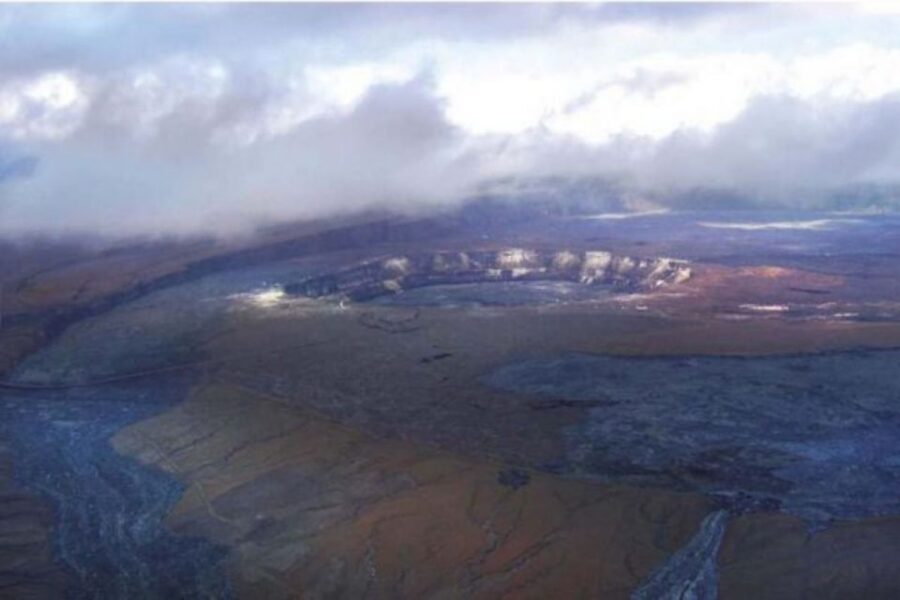
If you’re picking one must-see, it’s Kīlauea Iki Crater. The tour description calls it the most active volcano crater in the world. That’s strong language, and even if you don’t test it with a geology lab, the stop is clearly treated as the centerpiece.
The practical value here is focus. A crater stop is different from looking at a big mountain in the distance. You’re getting closer to a specific volcanic feature, with the guide helping you understand what the area means and why it’s noteworthy.
You’ll also be connected to the rest of the route through Chain of Craters Road and views tied to Mount Kīlauea. The tour describes Mount Kīlauea as currently active and as the most active of the five shield volcanoes in the Hawaiian Islands. That’s the kind of context you want before you look at active terrain.
Ancient Lava Tube: When the Ground Becomes a Room
The tour includes an ancient lava tube stop. Even without extra details here, a lava tube tends to be a special kind of experience because it’s one of the ways volcanic action can create a real structure you can imagine walking into.
For you, that means the trip isn’t just about sightlines. It’s about space—how lava flows can make tubes, how the environment can hollow out, and why that matters when you’re standing where it formed.
If you get motion sickness easily, keep it in mind for the day overall. You’re doing flights plus a full day of outdoor driving and walking, so treat this as part of your energy planning.
The Big Island Pace: Outdoor Time and Group Reality
This tour is listed as not suitable for people with mobility impairments. It doesn’t spell out the walking levels, but you should assume it’s active. You’ll spend time at multiple outdoor points—steam vents, sulfur areas, the crater, plus the beach and garden stops.
For a one-day tour, pace is everything. I’d plan on wearing shoes you trust, having water where the tour provides it, and using snacks when you need them. Lunch isn’t included, so if you’re the type who runs on steady fuel, plan your timing around the snacks and any opportunities to eat that day.
Should You Book This Volcano Adventure?
I’d book it if you want one tight day that hits the Big Island’s key themes: Hilo scenery, roadside history like Banyan Tree Drive, and the hands-on-feeling volcano stops at Volcanoes National Park. The included air ticket and park admission make the price easier to justify, especially if you’d otherwise have to piece together flights and tickets yourself.
I would pause and confirm details if you expect hotel-style pickup. One downside shows up in the review pattern: a pickup issue can turn stressful fast, especially when your day is centered on flight timing. The safest move is simple—make sure you know exactly where you’re meeting and how you’re getting to the airport, since the plan clearly instructs you to go to the airline check-in counter with the boarding timeline.
If you’re ready for a full day outdoors and you’re excited about the real volcano stuff—not just postcards—this tour is a strong fit.
FAQ
How long is the tour?
It’s listed as a 1-day tour. Specific starting times depend on availability.
What’s included in the price?
The tour includes a full day tour, air ticket, snacks and water, and admission included for Volcanoes National Park.
Is lunch included?
No, lunch is not included.
Do I need a passport or ID?
Yes. You’ll need a government-issued passport or ID. The info also notes passport is needed for foreign citizens.
Is there a live guide?
Yes. The tour includes a live tour guide in English.
Is the tour suitable for mobility impairments?
The tour is not suitable for people with mobility impairments.
What do I need to bring?
Bring passport and weather-appropriate clothing. The tour also asks you to have a vaccine card.
Is there cancellation flexibility?
Yes. It offers free cancellation up to 24 hours in advance for a full refund.