REVIEW · HONOLULU
Oahu: Whale Watching Cruise Whales Guaranteed
Book on GetYourGuide →Operated by Living Ocean Tours · Bookable on GetYourGuide
Watch for humpbacks near Waikiki. This 90-minute Oahu cruise is a classic way to see humpback whales migrate up close while you enjoy Waikiki Beach and Diamond Head from the water. You’ll get a live guide on board who helps you spot whale behavior and marine ecology as the sky turns gold.
I also like the hands-on feel of the crew. Captains like Shawn, Kevin, and Jason put real effort into finding whales, and the crew stays active with guests—helping with answers, photo tips, and even picture-taking during sunset moments.
One thing to keep in mind: sightings are very common, but not guaranteed. If you don’t spot any, you get a free return trip, but you should still be mentally ready for the ocean to do what the ocean wants.
In This Review
- Key Things to Know Before You Go
- Entering Kewalo Basin: Where This Whale Cruise Starts
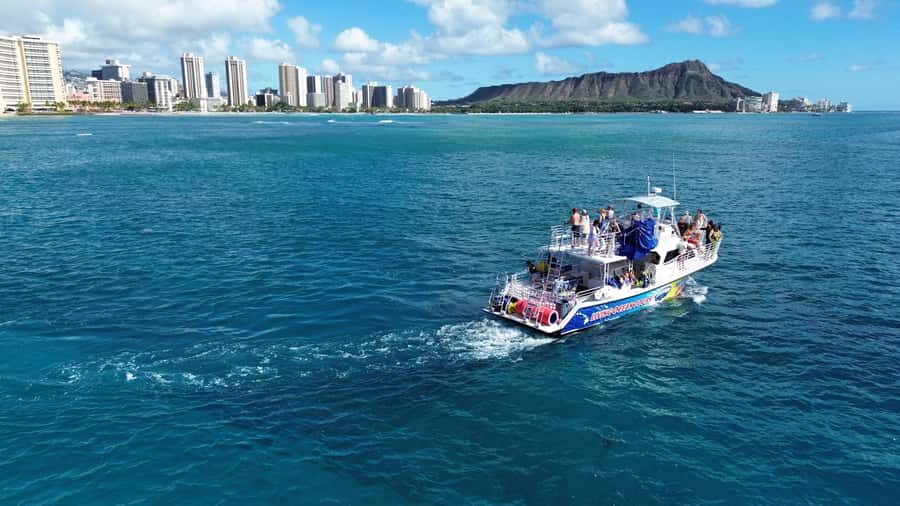
- The Double-Decker Power Boat: Comfort, Viewing, and Realistic Expectations
- Waikiki Beach and Diamond Head: Why These Two Stops Matter
- Waikiki Beach: First Whale-Spotting Window
- Diamond Head Lighthouse: Second Window, Best Lighting
- How the Crew Helps You Actually See Whales
- Whale Sightings: Very Common, But Plan for “Ocean Mood”
- Price and Value: Is $56 a Good Deal for This Oahu Cruise?
- What to Bring (and What to Skip)
- Who This Whale Cruise Fits Best
- Final Call: Should You Book This Oahu Whale Cruise?
- FAQ
- How long is the Oahu whale watching cruise?
- When does this whale watching cruise run?
- Where do I meet the tour?
- Are whale sightings guaranteed?
- What should I bring, and what’s not allowed?
- Who should avoid this cruise?
Key Things to Know Before You Go
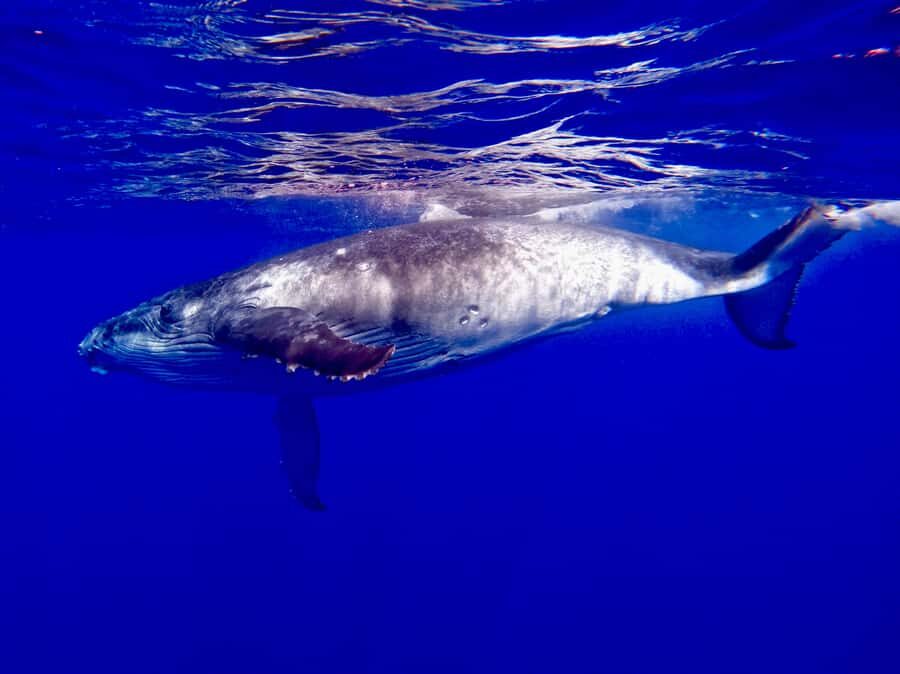
- Humpback season timing: This cruise aligns with the January–April humpback migration to mate and give birth
- Two prime viewing stretches: You’ll spend time watching from the water near Waikiki Beach and Diamond Head Lighthouse
- Double-decker boat sightlines: Upper and lower viewing helps you find a comfortable angle for whales and sunset photos
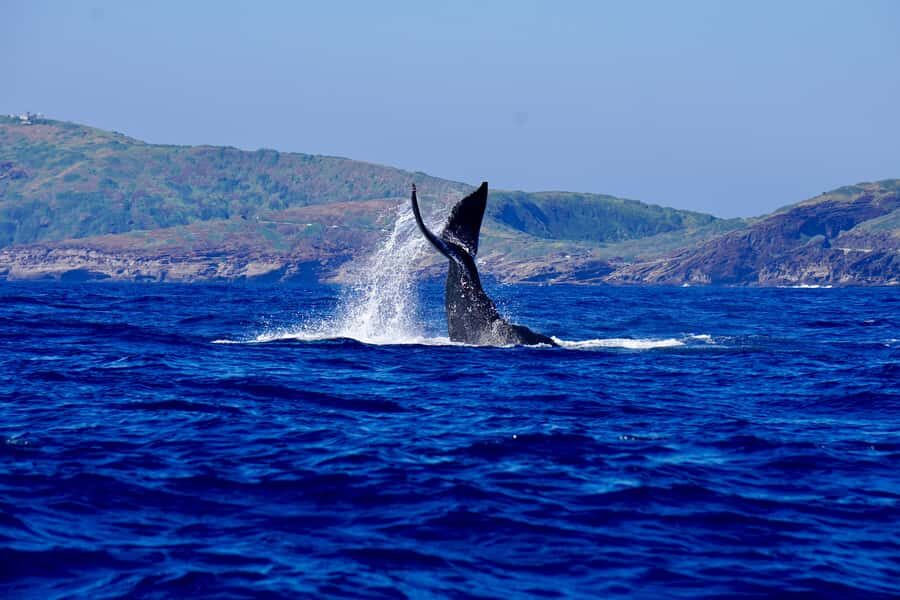
- Crew-led whale spotting: The captain and guide work together to look for breaches, tail slaps, and playful surfacing
- Free return if no sightings: If you truly don’t see whales, you’re offered another trip
- Bring sun gear and plan for motion: Sunglasses, hat, sunscreen help; it’s not ideal if you’re prone to seasickness
Entering Kewalo Basin: Where This Whale Cruise Starts
Your whale-watching trip begins at Pier B in Kewalo Basin Boat Harbor, with Living Ocean Tours as the on-site operator. This matters more than it sounds, because getting your timing right at the harbor makes the whole outing smoother—no frantic sprint, no last-minute stress that can ruin your mood before you’re even on the water.
The cruise itself runs about 90 minutes, and it’s designed as an afternoon-to-sunset experience. If you can, time it so you arrive ready for the day’s light to change. On Oahu, that shift from bright sun to sunset glow can make the same coastline look completely different, and it’s when people tend to get the most excited about photography.
You can also read our reviews of more boat tours in Honolulu



The Double-Decker Power Boat: Comfort, Viewing, and Realistic Expectations
You board a double-decker power boat, and that’s a practical win for whale watching. Higher decks typically give you a better line of sight, while other areas let you stay comfortable if the motion kicks up. I like that you’re not stuck looking from one narrow viewpoint.
There’s also a bar onboard where you can purchase snacks and drinks. You’ll also receive light snacks plus sodas, juices, and water as part of the experience. So you’re not going to go hungry if you just stick with what’s included, but if you want something extra, you’ll have that option.
What this doesn’t promise is a guarantee that every minute becomes whale action. The ocean can be quiet, wind can change conditions, and whales can surface farther away than you hope. The good news is that the crew is built around active spotting, so you’re not just sitting while everyone hopes for the best.
Waikiki Beach and Diamond Head: Why These Two Stops Matter
The itinerary focuses on two classic viewing areas, each with its own vibe from the water:
Waikiki Beach: First Whale-Spotting Window
Near Waikiki Beach, you get a first round of watching for whales as you settle in. This stretch is good for getting your “whale eyes” switched on fast—because once you’ve seen one surfacing and you understand what it looks like from the boat, everything gets easier for the rest of the cruise.
You also get a strong scenic payoff here. Watching the shoreline from offshore feels more “real” than looking at the beach from land. The scale is different. Buildings and coastlines suddenly look like props for the ocean, not the other way around.
Diamond Head Lighthouse: Second Window, Best Lighting
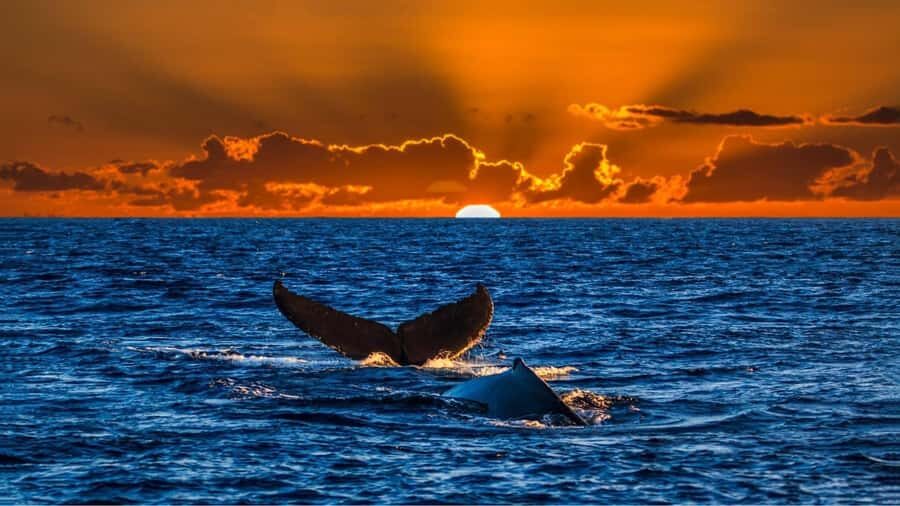
Then you move to time spent near Diamond Head Lighthouse. If you’re aiming for that sunset feel, this is the part that tends to deliver. The headland and coastline silhouette can make whales feel even more dramatic because the contrast between moving animals and calm scenery is instant.
This stop also gives you a second chance for sightings. In real terms, that’s a smart design: even if whales aren’t cooperating in the first area, you’re not done with your search yet.
You can also read our reviews of more whale watching tours in Honolulu
How the Crew Helps You Actually See Whales
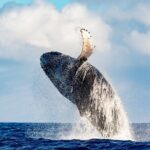
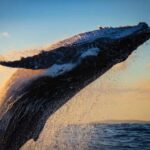
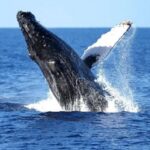
This is not a silent sightseeing cruise. You’ll have live guide commentary throughout, focused on whale behavior and marine ecology. The guide isn’t just narrating what you see—they help you understand what to watch for.
Here are the whale signals the cruise is set up around:
- Breaches (big leaps out of the water)
- Tail slaps
- Playful interactions that can look like bursts of energy rather than straight-line swimming
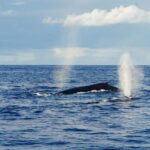
- Close surfacing, when whales come up near the boat
One detail I really like from the crew approach: the captain’s focus comes through. Multiple captains are praised by name—Shawn, Kevin, and Jason—and the common thread is effort to keep searching and to position the boat when whales appear.
There’s also a nice human touch during sunset. One person specifically mentioned that the crew helps with pictures during the golden-hour moments. That’s exactly the kind of small service that can turn a good cruise into a memorable one without feeling gimmicky.
Whale Sightings: Very Common, But Plan for “Ocean Mood”
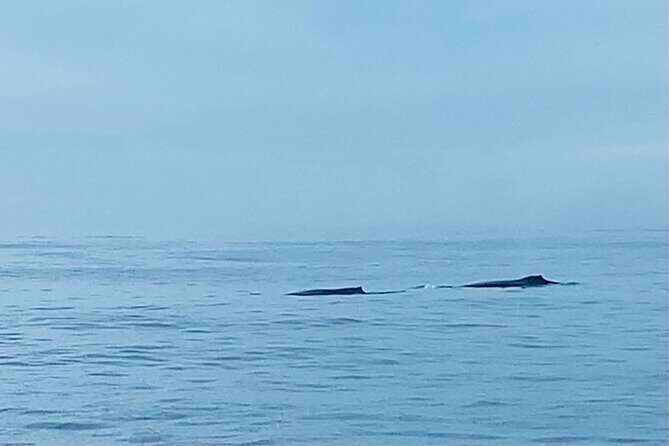
The cruise aims for humpbacks during the peak migration window from January to April. During these months, humpbacks travel to Hawaii to mate and give birth, which is why this timing is so central to the experience.
Here’s the honest part: while sightings are very common, they’re not guaranteed. The company’s safety net is a free return trip if you don’t spot any. That’s a meaningful value add, because whale watching is one of those activities where nature controls the final outcome.
If you’re the type who needs certainty, consider this a fair trade:
- You’re paying for time on the water with active spotting.
- You’re getting a return option if the day goes quiet.
- But you still shouldn’t treat it like a show with guaranteed curtain time.
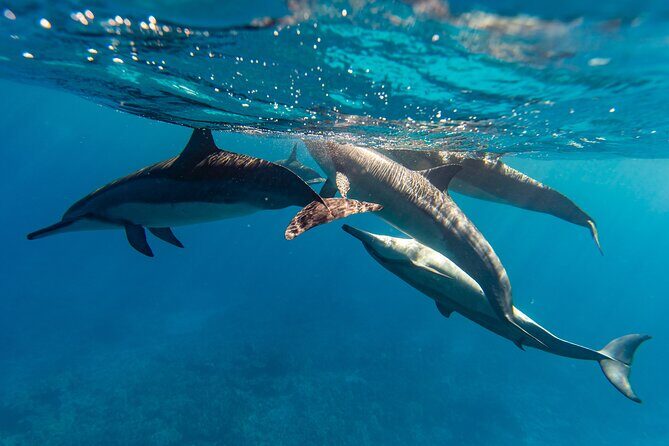
And if humpbacks don’t show perfectly on your schedule, the cruise can still deliver wildlife moments. People have reported seeing spinner dolphins alongside whale sightings during the same cruise.
Price and Value: Is $56 a Good Deal for This Oahu Cruise?
At $56 per person for about 90 minutes, the price makes sense when you break down what’s included.
You’re getting:
- the boat ride (including double-decker access for better viewing angles)
- live guide commentary
- light snacks plus sodas, juices, and water
- and—if no whales are seen—a free return trip option
For many visitors, the biggest cost in whale watching isn’t just the ticket. It’s the opportunity cost of tying up your day. This cruise is built to be a compact block of time—long enough to increase your odds, short enough that you can still enjoy Waikiki or dinner after.
So is it worth it? For most people during January–April, yes. The combination of prime coastlines, active spotting, and a return option is a strong value package.
What to Bring (and What to Skip)
The basics will make a big difference once you’re out on the water:
- Sunglasses
- Hat
- Camera
- Sunscreen
If you’re serious about photos, sunscreen is still your best “gear.” Bright sun plus salt air equals fast burn, even when the wind feels cool.
As for what’s not allowed:
- Smoking
- Alcohol
- Drugs
This matters because it shapes the onboard vibe. It’s set up for a calmer, family-friendly wildlife experience rather than a party cruise.
One more practical note from the situation itself: the experience isn’t listed as suitable for people prone to seasickness. If you know you’re sensitive to boat motion, bring whatever you normally use for that—or honestly consider choosing a less movement-based activity.
Who This Whale Cruise Fits Best
This is a solid match if you want:
- a sunset-friendly whale watching outing
- a guided experience where you learn what you’re seeing
- a cruise format that gives you multiple coastal viewing angles
It’s also not for everyone. The operator lists it as not suitable for:
- children under 3
- pregnant women
- people with back problems
- people prone to seasickness
If you’re in one of those categories, it’s worth respecting the boat-and-motion reality. Whale watching is wonderful, but suffering through it doesn’t help anyone.
Best match, in plain terms: adults and older kids who can handle a boat ride and want a guided, scenic cruise rather than a rushed dock-to-dock photo sprint.
Final Call: Should You Book This Oahu Whale Cruise?
If you’re traveling in January through April, this is the kind of activity I’d put high on your shortlist. You’re timing your outing to the humpback migration, and the cruise focuses on two strong viewing zones—Waikiki and Diamond Head—so you’re not relying on one distant stretch of ocean.
I’d book it if:
- you want a 90-minute guided whale watch
- you like the idea of chasing sightings actively (not passively waiting)
- you value having a free return trip safety net if whales don’t appear
I’d think twice if:
- you’re very prone to motion sickness or have mobility/back limitations that could make a boat ride tough
- you need total certainty you’ll see whales with no chance of a quiet day
If your schedule allows, aim for the afternoon or sunset departures. That’s when the coastline looks best and the whole cruise feels most special.
FAQ
How long is the Oahu whale watching cruise?
The cruise is about 90 minutes, and it’s described as a 1.5 to 2 hour experience.
When does this whale watching cruise run?
It departs daily during the humpback migration season, specifically January through April.
Where do I meet the tour?
Meet at Pier B in Kewalo Basin Boat Harbor.
Are whale sightings guaranteed?
Whale sightings are very common, but not guaranteed. If you don’t spot any whales, you’ll be offered a free return trip.
What should I bring, and what’s not allowed?
Bring sunglasses, a hat, a camera, and sunscreen. Smoking, alcohol, and drugs are not allowed.
Who should avoid this cruise?
It’s not suitable for children under 3, pregnant women, people with back problems, or people prone to seasickness.