REVIEW · HONOLULU
Passport to Pearl Harbor “Private”
Book on Viator →Operated by Karma Tour Hawaii · Bookable on Viator
Pearl Harbor, packed with meaning and context. This private day leans on an in-person briefing and smart pacing, so you spend less time guessing and more time understanding. I especially like the balance between solemn memorials and hands-on military history, plus the way your guide plans the schedule (Mark’s approach in one review made the time feel well used) so the day stays engaging.
The big practical consideration: it runs about 8–9 hours, starting at 7:30am, and you cannot bring bags into Pearl Harbor sites. That’s easy to handle if you travel light, but it can be annoying if you packed like it’s an all-day beach trip.
In This Review
- Key Highlights You Should Know
- A Private, Early Start That Actually Uses the Day
- Getting Picked Up in Waikiki: What to Expect Before 7:30am
- Stop 1: Pearl Harbor Historic Sites Visitor Center (The Briefing Sets the Tone)
- Stop 2: The USS Arizona Memorial and the Galleries That Put You in the Story
- Stop 3: USS Bowfin Submarine Museum (Silent Service, One Year Later)
- Stop 4: Battleship Missouri Memorial (The Mighty Mo and the End of the War)
- Stop 5: Pearl Harbor Aviation Museum on Ford Island (Hangars 37 and 79)
- Beyond the Harbor: The Royal Residence Concept and Punchbowl Crater
- Price and Value: Is $500 Per Person Worth It?
- Who This Private Tour Fits Best
- Should You Book Passport to Pearl Harbor Private?
- FAQ
- How long is the Passport to Pearl Harbor Private tour?
- What time does the tour start?
- Is pickup included, and where do you pick up?
- What’s included for the USS Arizona Memorial?
- Are museum tickets included?
- Is there a briefing included?
- Are bags allowed at Pearl Harbor?
- Is this tour really private?
- What if the boat ride is canceled for safety reasons?
- Can I cancel for a full refund?
Key Highlights You Should Know
- USS Arizona boat ride included with time in the memorial galleries
- Pearl Harbor museums included, so you’re not adding tickets mid-day
- Ford Island aviation exhibits at Hangar 37 and Hangar 79 (plus the Raytheon Pavilion)
- USS Bowfin submarine museum tied to the attack timeline (launched one year later)
- Battleship Missouri surrender setting and life aboard a battleship
- Oahu history stops beyond the harbor, including a royal residence concept and Punchbowl Crater
A Private, Early Start That Actually Uses the Day
This is a long day, but it’s built like a mission: you start early, you move efficiently, and you get a guided storyline instead of a checklist. Because it’s private, it’s only your group, not a big herd you’re trying to keep up with.
The schedule also matters. Pearl Harbor is a cluster of major sites, and if you go solo you’re constantly shifting between ticket lines, walking routes, and re-planning. Here, the tour handles the flow, which makes the morning feel calmer even though you’ve got several stops.
You can also read our reviews of more private tours in Honolulu



Getting Picked Up in Waikiki: What to Expect Before 7:30am
Pickup is offered, but not from every hotel. You get instructions about designated pickup zones in Waikiki, and you’ll receive a text or email with your pickup time and location one day prior (between 12pm–5pm local time).
This is one of those details that can make or break your morning. If you’re staying in Waikiki, plan to be ready at your assigned pickup zone a few minutes early, with everything you’ll need for the day already in your small carry setup.
Also keep in mind: the tour duration is listed as about 9 hours including travel time. That means you’re committing to a full morning-to-evening timeline, not a quick hit.
Stop 1: Pearl Harbor Historic Sites Visitor Center (The Briefing Sets the Tone)
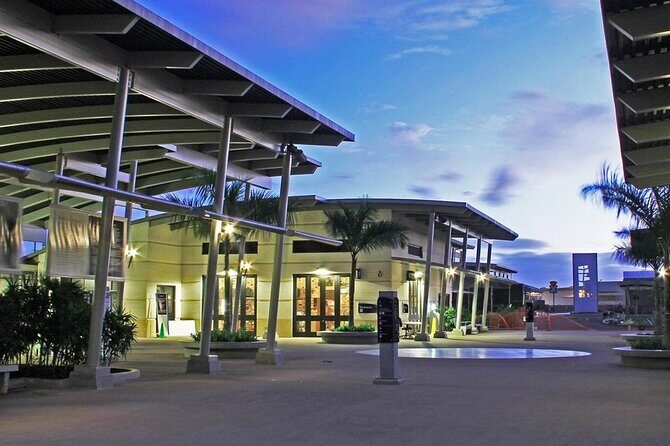
You begin at the Pearl Harbor Historic Sites Visitor Center for a 30-minute stop, and an in-person briefing is included. This is where the day gets framed—what Pearl Harbor means, and how the story connects across the sites you’ll visit later.
The names themselves offer context. Early Hawaiians referred to this place as Pu’uloa, meaning long hill, and Wai Momi, literally water of pearl. Even if you don’t remember those exact translations later, it helps you understand that this was a living landscape long before it became a landmark for WWII.
Why this matters for you: the briefing helps you look at the rest of the day with fewer blank pauses. When you reach memorials and museums, you’re not just seeing objects—you’re seeing how they connect.
A small drawback: 30 minutes is short. If you love reading every placard, you might wish you had more time here, but the itinerary is designed to keep you moving.
Stop 2: The USS Arizona Memorial and the Galleries That Put You in the Story
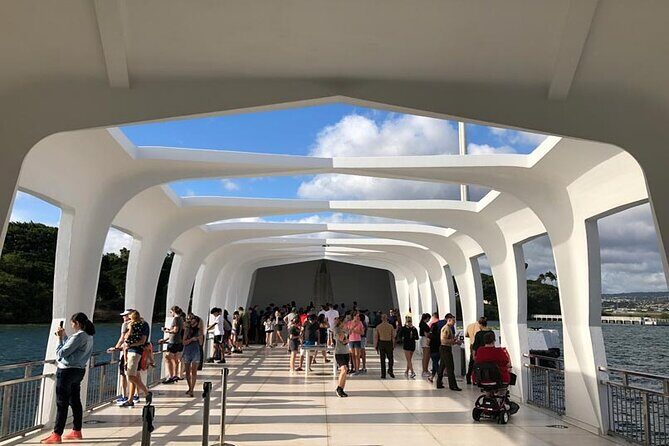
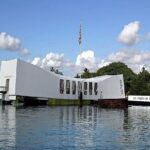
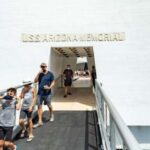
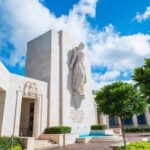
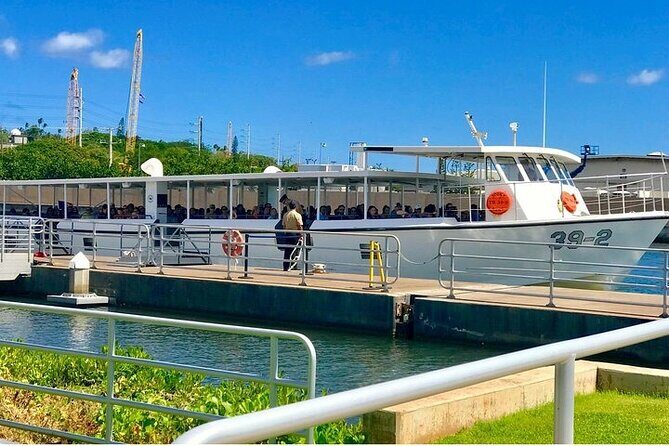
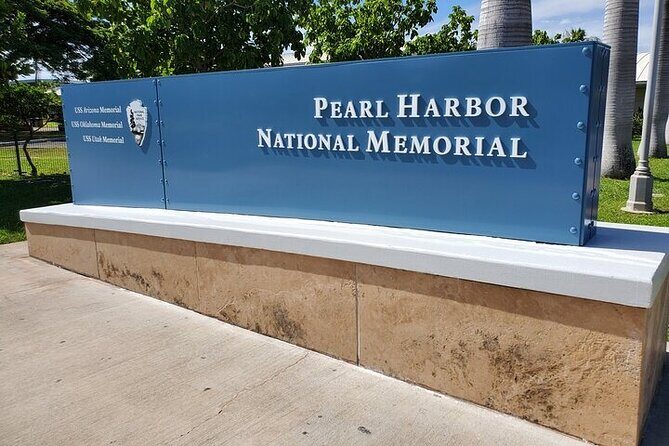
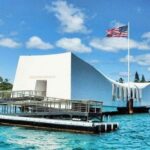
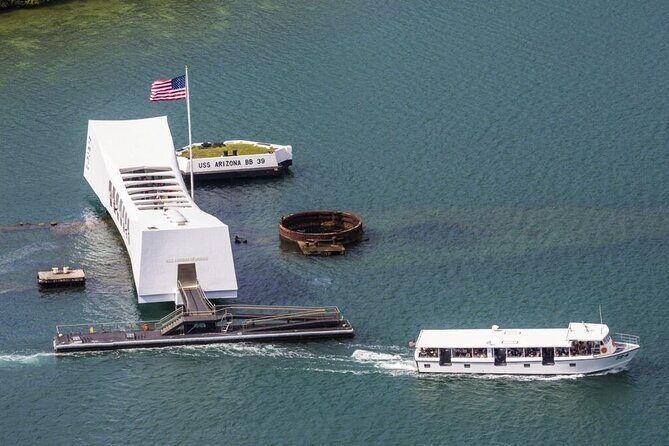
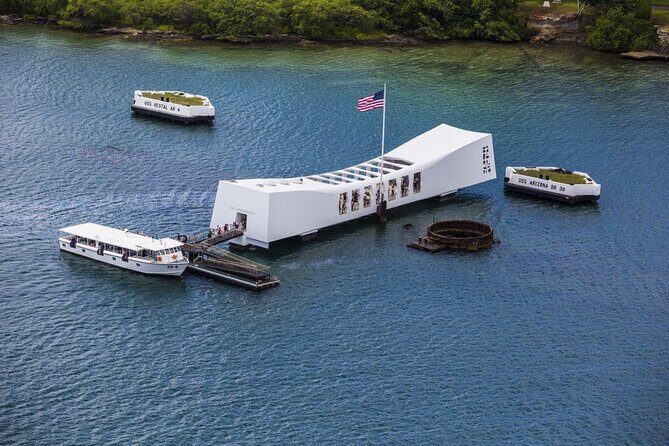
This is the emotional anchor of the tour. You’ll visit the Pearl Harbor National Memorial with a boat ride to the USS Arizona Memorial, and you’ll have time in exhibit galleries called Road to War and Attack. Admission is included.
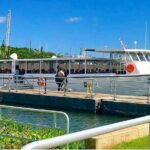
The boat ride is an important part of the experience because it changes your perspective. It’s not just a museum stop; you’re physically moving out into the memorial’s space, and that transition makes the experience feel more real. One review described the Arizona as sobering, and that reaction makes sense—this is a site tied directly to loss and remembrance.
Then the galleries help you connect cause and effect. Road to War gives you the buildup, and Attack focuses on the event. You’re essentially building a timeline in your head while you walk the exhibits.
Practical note: plan for the memorial time to feel reflective, not rushed. The tour’s pacing aims to protect that feeling, and one review specifically praised Mark’s plan for making the best of the time at the Arizona.
Stop 3: USS Bowfin Submarine Museum (Silent Service, One Year Later)
Next comes the USS Bowfin Submarine Museum & Park. Admission is included, and this stop is about 1 hour. Bowfin is a WWII fleet attack submarine and helped make famous the term Silent Service, which is exactly what it sounds like—stealth and restraint at sea.
Here’s why Bowfin hits harder than a generic “submarine museum” stop: it was launched on 7 December 1942, exactly one year after the attack on Pearl Harbor. The boat carried the nickname Pearl Harbor Avenger, and the itinerary keeps that connection front and center by placing the submarine in the very place it returned to in public memory.
What you’ll get for your time: a close-up look at wartime technology and the kind of disciplined, closed-in life submariners faced. Even if you’re not a naval history person, the “Silent Service” angle gives you a clear lens for understanding what you’re looking at.
Potential consideration: a submarine is smaller and more spatially constrained than a museum room. If you’re sensitive to tight areas or want lots of walking space, this stop may feel more physically limiting than the aircraft hangars later.



Stop 4: Battleship Missouri Memorial (The Mighty Mo and the End of the War)
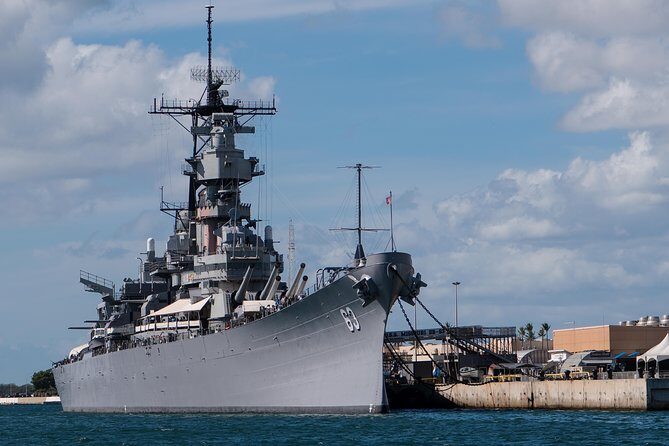
The USS Missouri Memorial is about 2 hours and includes admission. It’s often called the Mighty Mo, and it earned that nickname for a reason: this is where Japan would sign the official surrender documents.
You’re not only looking at a ship; you’re stepping into the setting where a war’s outcome became official. That gives the visit a different emotional flavor than the attack-focused stops earlier in the day.
The tour also gives you a chance to understand life aboard a battleship. That’s where these visits become more than photos and facts. Instead of thinking of battleships as steel silhouettes, you can visualize routines, spaces, and how crew life had to fit inside a giant platform built for war.
What I like for you: the Missouri stop is long enough to let the meaning sink in. If you’re the type who wants time to wander at your own pace (even within an organized tour), 2 hours is a solid window.
Stop 5: Pearl Harbor Aviation Museum on Ford Island (Hangars 37 and 79)
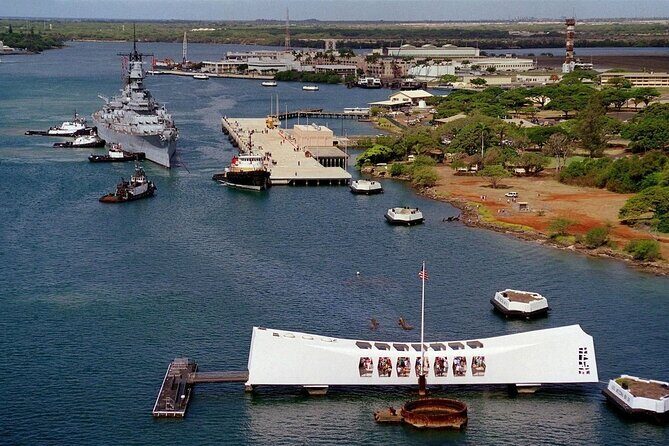
After the big ships, you switch to aircraft, and that’s a great change of gears. The Pearl Harbor Aviation Museum is on historic Ford Island, in the middle of Pearl Harbor. This stop is about 1 hour, and admission is included.
Ford Island matters because it connects to the attack day itself: patrol and scout planes filled hangars and airfields, and those aircraft were targets on 7 December 1941. The museum’s structure makes that connection feel organized, not random.
You’ll see exhibits across:
- Hangar 37, housed in an authentic WWII-era hangar, showing artifacts from America’s WWII involvement from the attack through beyond
- Hangar 79, which continues the story into the rise of American air superiority, extending through later wars and conflicts
- The Raytheon Pavilion, part of the museum’s exhibit footprint
The museum includes 50+ aircraft and exhibits across these spaces, so you’re getting a lot of visual material for the time you’re given.
How to use your 1 hour well: focus on the hangars first, since they carry the most “this is what the building and aircraft felt like” energy. If you’re the type who loves photos and labels, this stop can become a time-eater, so keep your attention on what you came for: aircraft and the evolution of air power.
Beyond the Harbor: The Royal Residence Concept and Punchbowl Crater
The tour doesn’t stop at the WWII sites. It also includes other Oahu history stops, which I think is a smart move because Pearl Harbor can otherwise consume your entire day without showing you the broader island story.
One stop references Oahu as home to the only royal residence in the United States, tied to Hawaii’s timeline from the unification of the islands to the overthrow of the monarchy. Even with limited time, that framing can help you see that Hawaii’s history includes more than WWII—it includes a kingdom era that shaped identity.
Then you’ll visit Punchbowl Crater, an extinct volcanic tuff cone in Honolulu that serves as a memorial honoring men and women who served in the United States Armed Forces and those who gave their lives. This is a solemn end-of-day stop that tends to land emotionally after you’ve already absorbed memorials at Pearl Harbor.
Why these late stops are valuable: they broaden the meaning of remembrance. You’re not only learning about one moment; you’re seeing how the U.S. honors service in different places and eras.
Price and Value: Is $500 Per Person Worth It?
At $500 per person for a private tour, the value depends on how you like to travel.
This price bundles a lot of what costs time and money if you plan separately:
- Boat ride admission to USS Arizona Memorial
- Admission tickets to three museums
- An in-person briefing at the visitor center
- A guided schedule built around several major sites across Pearl Harbor
- Pickup offered in Waikiki, with assigned zones
You’re also buying peace of mind. You won’t have to stitch together multiple admissions, figure out the order of sites, or worry about how long each stop might take on your own.
The catch is the pacing and commitment. You’re paying for an all-day plan. If you prefer flexible, stop-when-you-want travel, this might feel structured. But if you want one person handling the sequencing while you focus on seeing and learning, it’s a strong fit.
Who This Private Tour Fits Best
I’d point this tour toward you if:
- You want a guided storyline through Pearl Harbor’s sites rather than self-guided hopping
- You care about covering both memorials and the museum side, including submarines and aircraft
- You like morning departures and can handle a long day with minimal bag carry
I’d think twice if:
- You hate packed itineraries
- You need frequent breaks to stretch and reset every hour
- You’re bringing lots of gear (since no bags are allowed at Pearl Harbor)
A final practical note: mobility devices may not fit all vehicles, so if you need that kind of support, you’ll want to contact the provider right after booking to arrange options.
Should You Book Passport to Pearl Harbor Private?
If your goal is one full day that ties together memorials, museums, and Oahu’s additional history, I’d book it. The included boat ride, the museum admissions, and the in-person briefing mean you’re not paying extra or spending your time on guesswork.
Also, the strongest praise is about the guide and the pacing. When a schedule stays engaging through a full agenda, it’s not luck—it’s planning. With Mark’s approach specifically called out as making the time at USS Arizona work well, this tour seems built to handle the emotional weight of the day without letting you run out of momentum.
If you’re flexible, travel light, and you’re okay with a 7:30am start, this is a solid way to see a lot without turning your day into a logistics puzzle.
FAQ
How long is the Passport to Pearl Harbor Private tour?
It runs about 8 to 9 hours, and the duration is listed as about 9 hours including travel time from start to end.
What time does the tour start?
The start time is 7:30am.
Is pickup included, and where do you pick up?
Pickup is offered, but not from all hotels. There are designated pickup zones in Waikiki, and you’ll receive your pickup time and location by text or email one day before the tour (between 12pm and 5pm local time).
What’s included for the USS Arizona Memorial?
A boat ride to the USS Arizona Memorial is included, along with admission for that stop.
Are museum tickets included?
Yes. Admission tickets to all 3 museums are included.
Is there a briefing included?
Yes, there is an in-person briefing at the Pearl Harbor Visitor’s Center.
Are bags allowed at Pearl Harbor?
No. No bags are allowed at Pearl Harbor, so plan to travel with what you can carry.
Is this tour really private?
Yes. It’s a private tour/activity, and only your group participates.
What if the boat ride is canceled for safety reasons?
If the national park service or navy cancel boat ride programs due to mechanical issues, dangerous weather, or other safety concerns, the tour is listed as non-refundable.
Can I cancel for a full refund?
You can cancel for free up to 24 hours in advance for a full refund. Cancel at least 24 hours before the start time in local time to get the full refund.