REVIEW · HONOLULU
Honolulu: Waikiki Food Tour with Local Guide
Book on GetYourGuide →Operated by Secret Food Tours · Bookable on GetYourGuide
Waikiki is a plate you can walk. This 3-hour food tour mixes local Hawaiian favorites with Asian and global influences right in the Diamond Head shadow, starting at the King David Kalākaua Statue. I especially like that you get hands-on tastings (malasada, poke, Hawaiian BBQ, and shave ice) and that the guide adds culture and history as you go. The main drawback: it’s not a good fit if you have food allergies, since the tour is built around multiple tastings.
You’ll meet your guide at 2050 Kalākaua Ave, Honolulu, HI 96815, and spend the morning/afternoon moving through Waikiki on foot while you cool off and compare flavors. One thing I’d call out from real experience with this tour: the guide can make things work when plans get messy—one verified booking notes that when flight delays caused a missed morning tour, the team shifted the person to an afternoon slot. Just bring comfortable shoes, because this is a walking-focused outing.
In This Review
- Key highlights I think you’ll care about
- Start at King David Kalākaua’s Statue, then eat your way into Waikiki
- Malasada and the first bite of Hawai‘i’s Portuguese twist
- Poke bowl tasting: the Hawaii rule of simple, fresh, and fish-forward
- Hawaiian BBQ tasting: comfort food that anchors the whole tour
- Japanese treat with a Hawaiian twist: how the tour shows cultural mixing
- Artisanal shave ice: the cooling treat that makes the timing make sense
- More than food: how the guide’s history turns Waikiki into a story
- Price and value: what you’re really paying for at around $100
- Who this Waikiki food tour fits best (and who should skip it)
- Practical tips before you go
- Should you book this Waikiki food tour?
- FAQ
- How long is the Honolulu: Waikiki Food Tour?
- Where is the meeting point?
- What food tastings are included?
- Is there a live guide and what language do they speak?
- What is the cancellation policy?
- Can I reserve now and pay later?
- Are there any age restrictions?
- Is the tour suitable for people with food allergies?
- What should I bring?
- Are there any rules about what’s not allowed during the tour?
Key highlights I think you’ll care about
- Malasada stop: Try the Portuguese-style donut-like pastry that Hawai‘i eats like a local tradition
- Poke + fresh fish: A dedicated tasting that centers simple, quality ingredients
- Hawaiian BBQ tasting: Comfort food that rounds out the mix of cuisines
- Japanese treat with a Hawaiian twist: You’ll taste a cross-cultural variation, not just standard snacks
- Artisanal shave ice: A cooling finish designed for Waikiki weather
Start at King David Kalākaua’s Statue, then eat your way into Waikiki
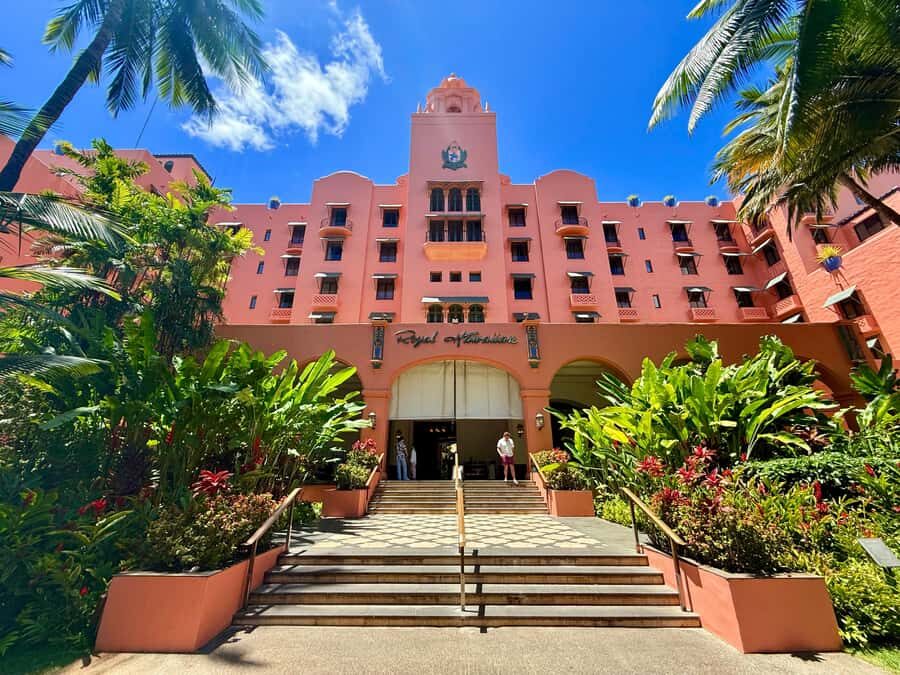
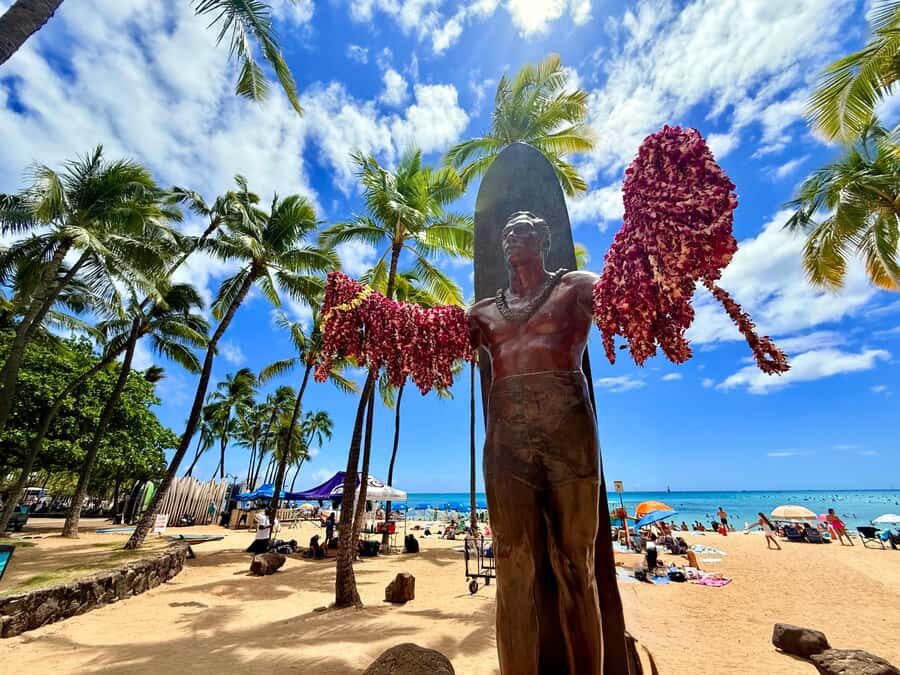
The meeting point is easy to find and hard to miss: the King David Kalākaua Statue at 2050 Kalākaua Ave. From there, you’re set up for the classic Waikiki view—shops, street life, and the Diamond Head backdrop—while your guide keeps the food stops connected to the neighborhood itself.
What I like about this format is that it doesn’t treat Waikiki like a theme park. Instead, you’re tasting what people actually line up for, while also learning how Hawai‘i’s food culture grew through contact—native Hawaiian traditions meeting Asian influences and global waves.
Expect a paced walk where the tastings break up the heat and keep you focused. You’ll also get a sense of Waikiki as a long-running cultural meeting point, not just a beach strip.
You can also read our reviews of more food & drink experiences in Honolulu
Malasada and the first bite of Hawai‘i’s Portuguese twist
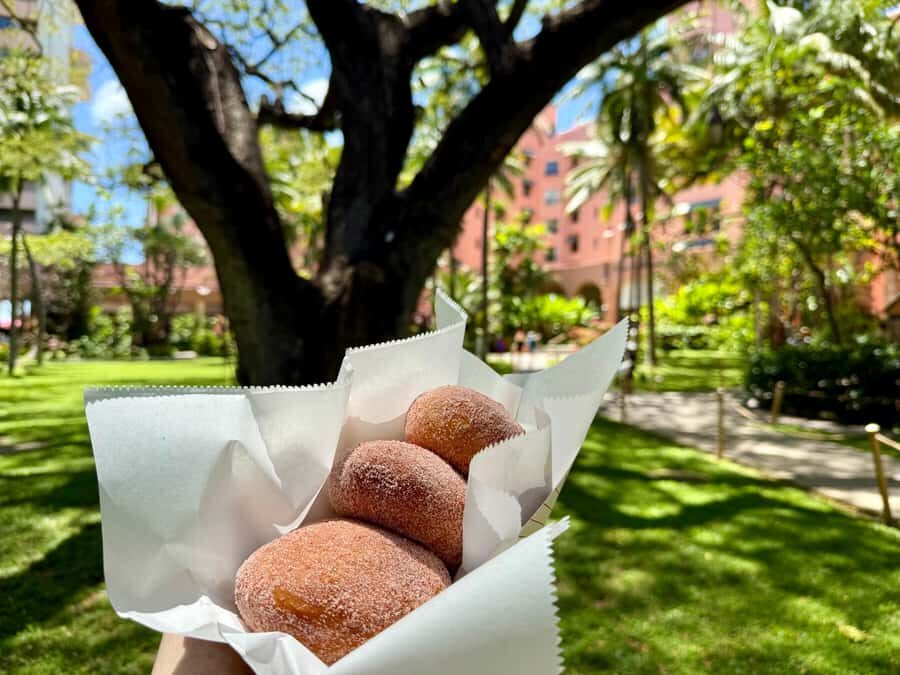
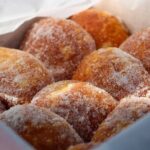
Your tour begins with a local pastry tasting: the malasada. This is the kind of food that makes you understand Hawai‘i quickly, because it’s a crossroad story in edible form. The pastry is Portuguese in origin, but it’s become a go-to local sweet—popular enough to be recognized as part of the everyday food identity here.
I like starting with something warm, sweet, and immediately recognizable. It gives you a baseline for what “local favorite” tastes like, and it sets up the rest of the tour, where you’ll keep spotting other cultural influences.
One practical note: sweetness changes your palate fast. If you’re sensitive to very sweet foods, pace yourself early and save room for the savory stops later.
Poke bowl tasting: the Hawaii rule of simple, fresh, and fish-forward
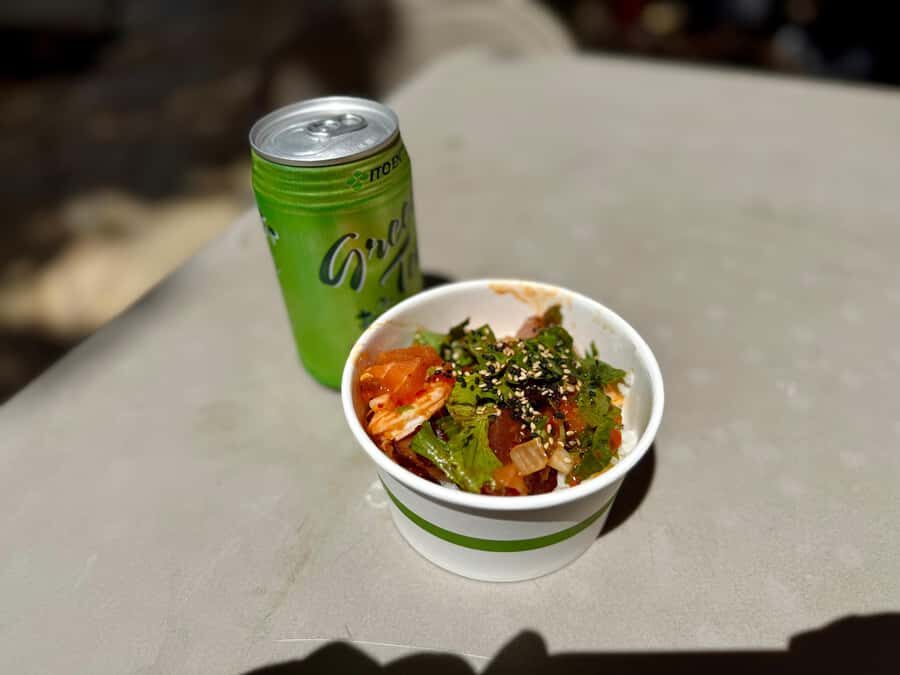
Next up is the poke bowl tasting, featuring fresh fish seasoned to perfection. Poke isn’t just “another bowl” on a menu in Hawai‘i—it’s a go-to way locals eat protein with flavor, and it reflects how ingredients and technique matter more than fancy tricks.
Here’s what’s worth paying attention to as you taste: seasoning should feel intentional, not overpowering. The fish should taste fresh, and the bowl should show how Hawai‘i balances salt, acidity, and savory flavors so you can actually keep eating without it feeling heavy.
This stop also helps you understand why the tour keeps moving through neighborhoods rather than sitting down in one place. Poke belongs to everyday life here, and tasting it on a walking route makes it feel less like a spectacle and more like a normal meal decision.
Hawaiian BBQ tasting: comfort food that anchors the whole tour
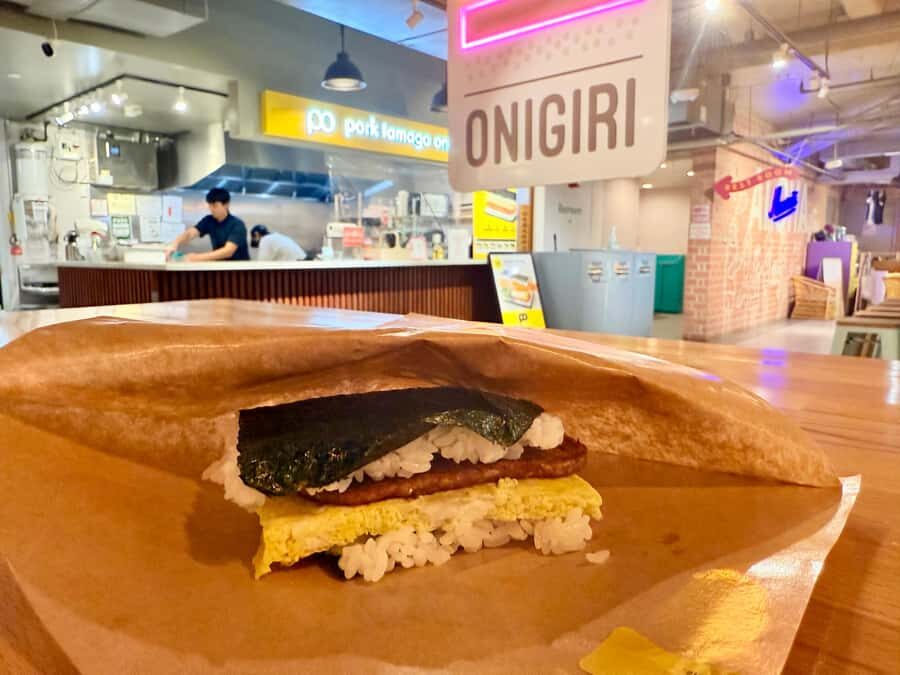
After the poke, the tour shifts toward Hawaiian BBQ tasting, which acts like an anchor. When you’ve had international-influenced bites (like malasada) and Japanese-Hawaiian style flavors, the BBQ stop reminds you that local comfort food is a major part of the Waikiki eating scene too.
What to expect from this kind of stop is straightforward: you’re sampling a Hawaiian BBQ favorite as part of the guided route, not hunting for it on your own. That matters if you’re short on time. Waikiki has lots of choices, but a guided tasting sequence saves you from decision fatigue.
If you’re the kind of person who ends up chasing fried snacks and sweet drinks all trip, this is a good course-correction stop. It’s designed to bring you back to savory, filling flavors.
Japanese treat with a Hawaiian twist: how the tour shows cultural mixing
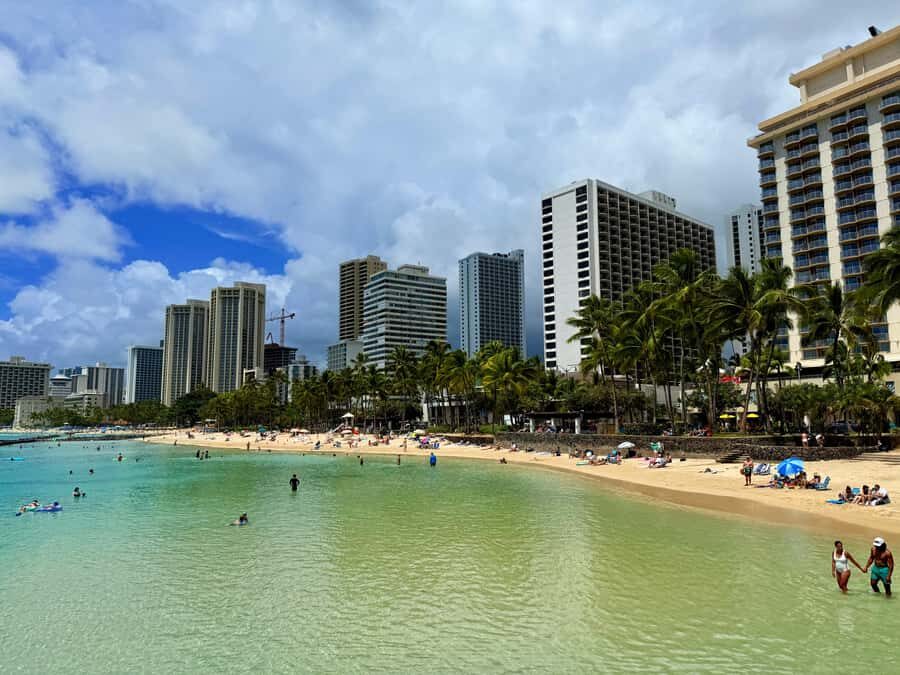
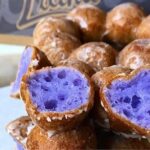
One of the most interesting inclusions is a Japanese treat with a Hawaiian twist. The tour doesn’t just say Japanese food is present in Waikiki; it shows you how Hawai‘i reshapes it, turning it into something that fits local taste.
This is where I think the guide’s cultural context really matters. When you learn a little about how foods traveled and changed, the flavors feel like they have a reason—not just a new name on a menu.
As you taste, focus on what feels “different” from what you’ve had elsewhere: the sweetness level, textures, or familiar ingredients that get repurposed. That’s often where the Hawaiian twist shows up, and it’s usually more memorable than the most famous dish in isolation.
You can also read our reviews of more tours and experiences in Honolulu
Artisanal shave ice: the cooling treat that makes the timing make sense
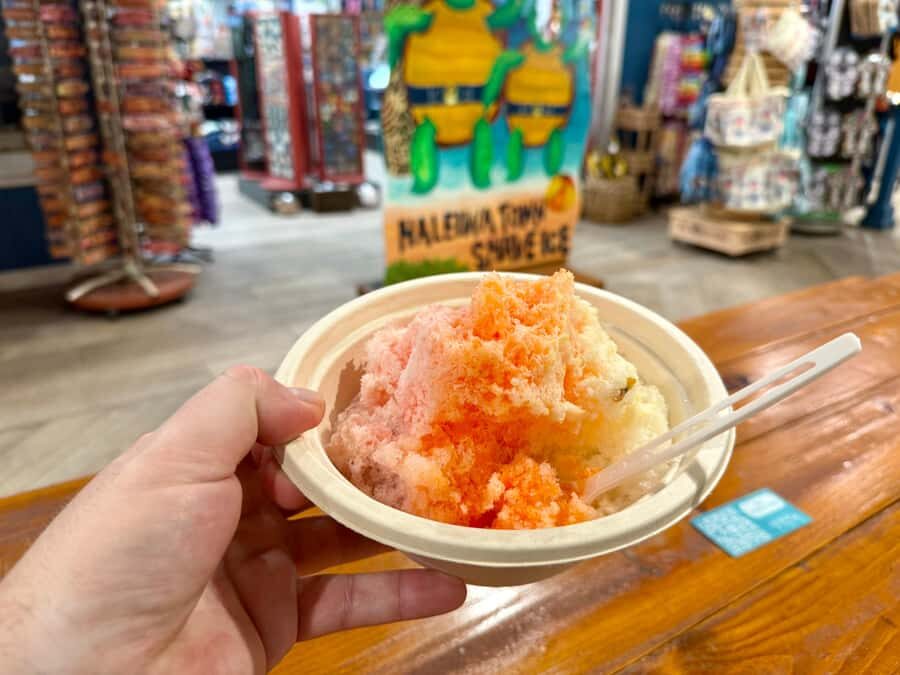
By the time you hit artisanal shave ice, the walking and sampling have a purpose. Shave ice is built for Hawai‘i heat, and artisanal versions tend to feel more like a craft than a quick snack.
This stop is also why a 3-hour schedule works well. You’re not just eating random items; you’re cycling through sweet and cooling relief after savory flavors. It helps your palate reset and makes the whole tour feel like one flowing experience.
If you’re deciding whether to order shave ice later on your own trip, this tasting gives you a taste test for what “artisanal” means here. You’ll be able to judge texture, syrup distribution, and overall flavor balance—so future choices aren’t guesswork.
More than food: how the guide’s history turns Waikiki into a story
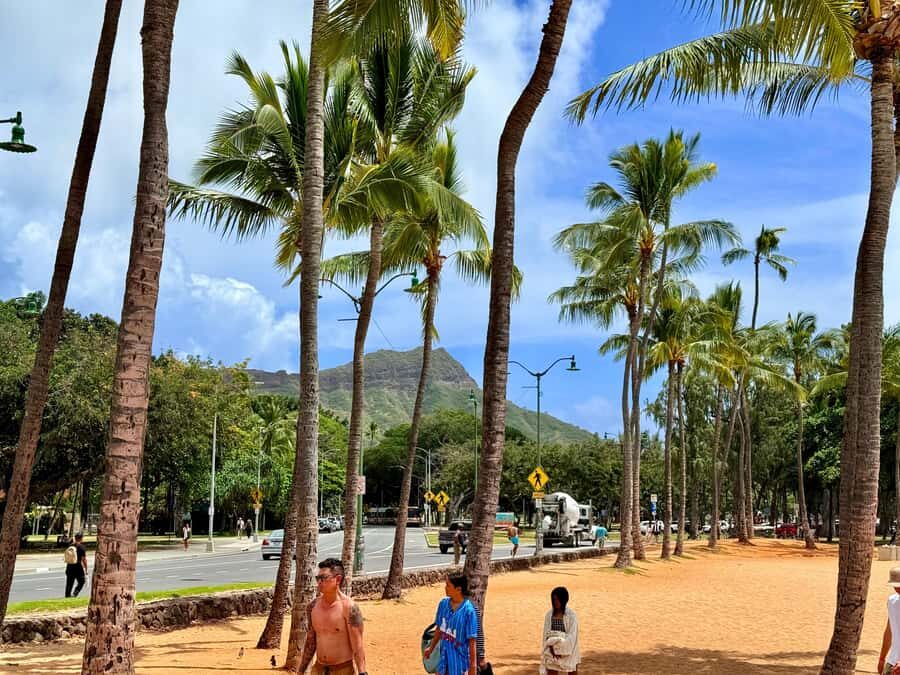
The tour isn’t only about bites. Your local guide shares Hawaiian history and culture in Waikiki while you walk. That’s the part that often makes these tours feel worth repeating, because it turns street scenes into context.
What I like about the topic selection is that it fits the neighborhood. Waikiki has long been a cultural crossroads, and the food reflects that—native Hawaiian traditions meeting Asian flavors and global cuisines. When you hear that while standing in the middle of it, the tastings start to connect into a bigger picture.
And here’s a real bonus from the reported experience: guide Stella is specifically praised as a great guide in a verified booking. That matters because good guiding can prevent the tour from feeling like a checklist. With the right pacing and context, you actually remember what you ate and why it connects to Hawai‘i.
Price and value: what you’re really paying for at around $100
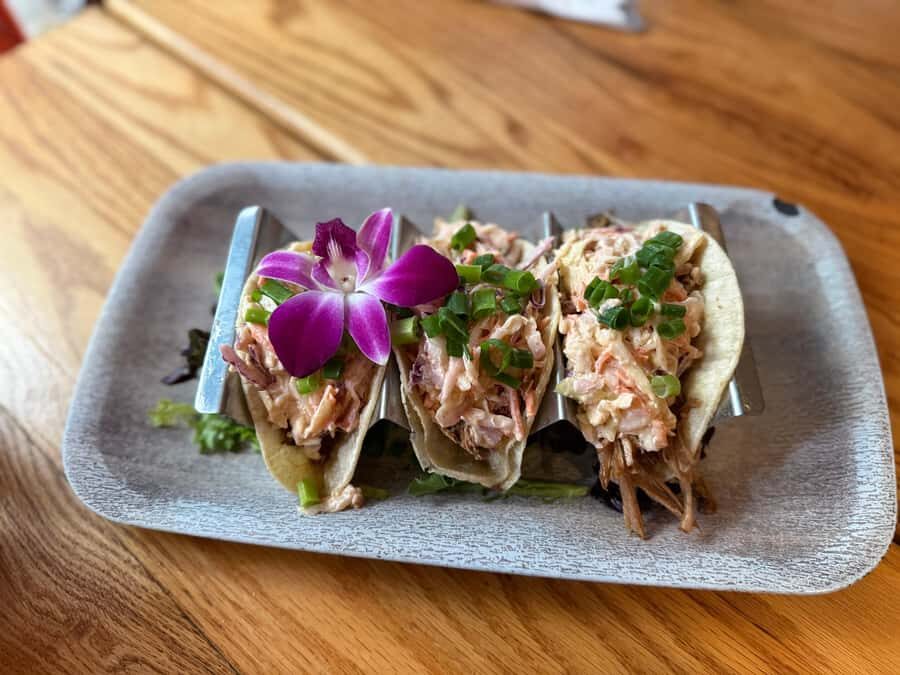
At about $100 per person for a 3-hour tour, you’re paying for more than food. You’re buying a short, guided route that includes multiple tastings—malasada, poke bowl, Hawaiian BBQ, Japanese-Hawaiian treat, and artisanal shave ice—so you don’t have to plan each stop separately.
The value angle is simple: Waikiki is full of options, and choosing the right places quickly is harder than it looks. A guided tour compresses that work into a few hours, plus it adds cultural explanation you’d otherwise have to read or research yourself.
If you’re a foodie who likes variety, the price makes more sense because you’re sampling more than one category of dish. If you only want one or two foods (say, only poke or only shave ice), you might find it pricey compared to building your own self-guided list.
Who this Waikiki food tour fits best (and who should skip it)
This tour is a great match if you:
- Want a concentrated tasting route in Waikiki instead of planning five separate meals
- Like foods with cultural crossovers (like malasada and the Japanese-Hawaiian twist treat)
- Enjoy walking and getting neighborhood context along the way
It’s not a good match if you:
- Have food allergies, since the experience is built around tastings
- Need a very kid-friendly format, because it’s not suitable for children under 5
Also keep it in mind if you hate sweets. You’ll have at least one pastry tasting and shave ice included, so the tour leans sweet at points.
Practical tips before you go
This is a short, walk-and-eat style tour, so your biggest prep is comfort. Wear comfortable shoes and plan to be outside for part of the outing.
A few other reality checks based on the rules:
- Smoking isn’t allowed
- Alcohol and drugs aren’t allowed
- Littering isn’t allowed
And if you’re sensitive to lots of sugar in one sitting, pace your sweets. The tour is designed to keep you moving between flavors, but you still control how fast you eat.
Should you book this Waikiki food tour?
I’d book it if you want a guided way to experience Waikiki through food, not just scenery. The combination of malasada, poke, Hawaiian BBQ, a Japanese treat with a Hawaiian twist, and artisanal shave ice gives you a solid variety map of what Waikiki tastes like in a few hours.
Skip it if you can’t do multiple food tastings, or if your budget doesn’t stretch to a structured experience. For most people, especially first-timers who want context plus variety, this is an efficient, satisfying way to spend time in Waikiki.
FAQ
How long is the Honolulu: Waikiki Food Tour?
The tour lasts 3 hours.
Where is the meeting point?
You meet your guide at the King David Kalākaua Statue, 2050 Kalākaua Ave, Honolulu, HI 96815.
What food tastings are included?
Included tastings are a local pastry tasting (malasada), a poke bowl tasting, a Hawaiian BBQ tasting, a Japanese treat with a Hawaiian twist, and artisanal shave ice.
Is there a live guide and what language do they speak?
Yes. The tour includes a live tour guide who speaks English.
What is the cancellation policy?
Free cancellation is available up to 24 hours in advance for a full refund.
Can I reserve now and pay later?
Yes. The option listed is Reserve now & pay later, so you can book your spot and pay nothing today.
Are there any age restrictions?
The tour is not suitable for children under 5 years old.
Is the tour suitable for people with food allergies?
No. It is not suitable for people with food allergies.
What should I bring?
You should bring comfortable shoes.
Are there any rules about what’s not allowed during the tour?
Smoking is not allowed, and alcohol and drugs are not allowed. Littering is also not allowed.