Few things beat a waterfall rappel in Hawaii. This Oahu adventure mixes rugged jungle hiking with a rope setup and a guided descent you can learn step by step. I like that the focus is safety first, and then the fun hits fast once you’re at the water.
Two things I’d highlight: the hike gives you views that feel far from Waikiki life, and the guide coaching is built around your comfort level. Caleb’s communication comes through in the way he sets expectations, demonstrates the moves, and keeps everyone calm. One possible drawback: the route isn’t a smooth, manicured trail. You should expect scrambles and rough footing, and you’ll want good hiking shoes.
In This Review
- Why this waterfall rappel feels different on Oahu
- Key points worth knowing before you go
- Meeting at 3000 10th Ave: your morning start matters
- The hike to the waterfall: rugged, green, and worth the work
- Safety briefing at the trailhead: gear checks and real coaching
- Reaching the waterfall: setup time and what the site is like
- The rappel itself: what you’ll do and why it feels exciting
- After the rappel: snacks, drinks, and a slower pace
- Price and value: is $350 worth it?
- What to pack for a waterfall rappel (so you’re not miserable)
- Who should book this, and who should skip it
- Is the guide the real secret? Why Caleb’s style matters
- Weather can change the plan (and that’s okay)
- Should you book Chasing Waterfalls: Wild Hawaii Rappelling?
- FAQ
- What’s the meeting point for Chasing Waterfalls: Wild Hawaii Rappelling?
- What time does the tour start?
- How long is the experience?
- Is pickup available, and how much does it cost?
- What gear is included for the rappelling portion?
- What fitness level do I need?
- How big is the group?
- Is the tour offered in English?
- Are service animals allowed?
- Does the tour run in any weather?
Why this waterfall rappel feels different on Oahu
This tour runs about 5 hours and is capped at 10 people, so you’re not stuck in a huge group while ropes and timing matter. You’ll meet at 3000 10th Ave, Honolulu at 8:00am, and you’ll end back there. Pickup is available for an extra $25, which is worth thinking about if you want an easy start to a morning that gets physical.
It’s also one of those activities that depends on conditions. You’re going to follow your guide’s call based on weather, water flow, and trail state, so plan for flexibility.
Key points worth knowing before you go
- Small group size (max 10): more personal attention while you learn rappel basics and safety checks.
- Gear is included: harnesses, ropes, helmets, gloves, and hardware reduce what you have to pack.
- Ropes-and-technique coaching: you get a demonstration and a confidence-building flow before anyone starts descending.
- Jungle hiking, not a boardwalk: expect rugged terrain, plus some scrambles off a clear path.
- Photo help on request: you can ask for drone/GoPro/camera coverage during the experience.
- Waterfall pool time after the rappel: once you’re done, there are snacks and drinks while gear is handled.
You can also read our reviews of more tours and experiences in Oahu.


Meeting at 3000 10th Ave: your morning start matters
The day starts at 3000 10th Ave in Honolulu at 8:00am. That early start is a gift on Oahu. It helps with heat, it gives you daylight for the ropes portion, and it usually means the trail feels less chaotic than later in the day.
From there, the plan stays simple: hike up, reach the waterfall, rappel with a safety briefing, then head back down to the same meeting spot. Pickup is an optional add-on for $25, so if you’re staying close to Waikiki you can decide based on how comfortable you are with getting yourselves to the trailhead.
This tour also uses a mobile ticket, and you’ll receive confirmation after booking unless you book very close to departure. If you’re the type who likes everything locked in early, booking ahead is smart. It’s also shown as something that people reserve well in advance on average, so don’t wait until the last week if your dates are fixed.
The hike to the waterfall: rugged, green, and worth the work
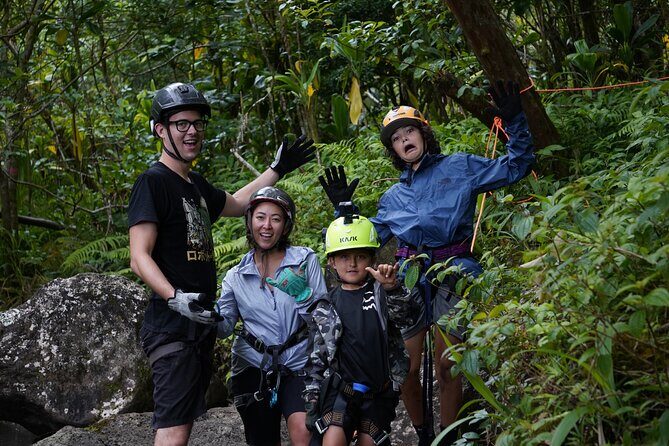
This is not a walk in the park. You’re heading into parts of the island that many people never really see, and the pace reflects that. The guide plans the day around hiking, exploring, and then the waterfall rappel, so the trail is part of the “experience,” not just the warm-up.
Here’s what I’d expect you to notice:
- You’ll follow a route that may not feel like a single, clear trail line the whole way. Reviews describe it as rugged and off the beaten path.
- There can be scrambles, so balance matters, especially when you’re moving over uneven rocks or slippery patches.
- Conditions can shift fast. One key practical tip from real experience: when it’s dry, it can be mosquito-light, but it can turn muddy after rain. Bring shoes that handle mud and traction, not just casual sneakers.
The good news is that the guide frames the hike around the kind of things you’d hope to learn on Oahu: you’ll hear about flora and fauna and some island history during the trek. That’s the difference between a workout and a guided nature outing.
If you’re moderately fit, you’re likely fine. The tour clearly calls for moderate physical fitness, and the group size stays small enough that the pace and safety checks can work without turning into a bottleneck.
Safety briefing at the trailhead: gear checks and real coaching
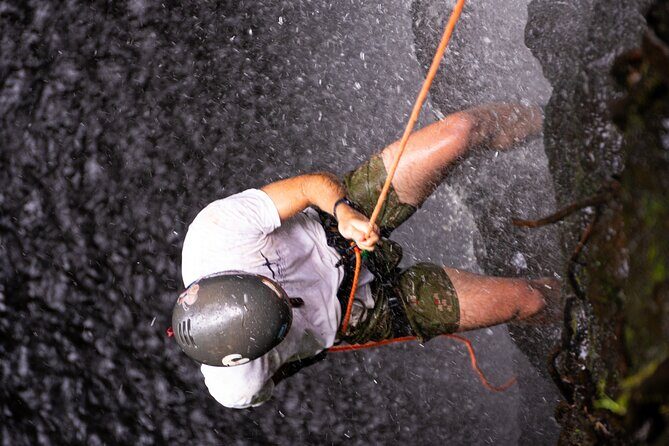
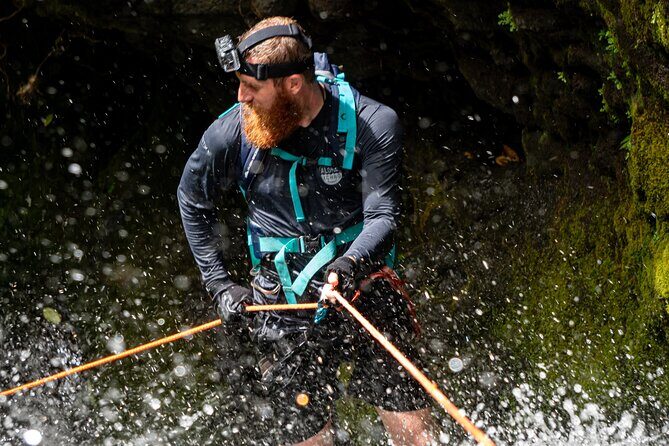
Safety is the main focus here from the moment you meet. At the trailhead, the guide walks you through the trail and terrain, confirms everyone has enough water and the right gear, and answers questions before anyone touches ropes.
This matters because rappelling isn’t just about bravery. It’s about the details: harness fit, helmet security, glove placement, knot/hardware trust, and knowing what your body needs to do when you’re committed to a descent. You’re not left to guess.
The tour includes rappel gear: harnesses, ropes, helmets, gloves, and hardware. That’s real value, because it removes the common worry of whether you brought the right equipment. It also shifts your time into learning rather than prepping.
Also, the guide’s approach is described as calm and tuned to your skill level. One reviewer emphasized that the guide met them where they were and guided them in a way that felt like hiking with a friend who’s also trained for the hard part. When people feel at ease, they listen better. And listening makes rappelling safer.
Reaching the waterfall: setup time and what the site is like
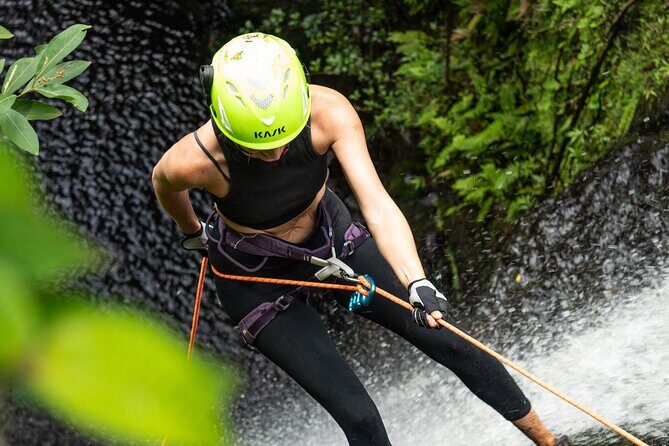
Once you arrive at the waterfall, the day shifts from hiking mode to rope mode. The guide sets up the ropes and equipment, then runs a safety briefing and a demonstration.
In practical terms, this is where you should pay attention even if you feel comfortable. Your body will do different things when you’re suspended on a line, and the guide’s demo gives you the correct habits before you go.
One detail worth knowing: the waterfall drops into a small pool, and people describe it as something you can swim in once you’re done with the rappel. That doesn’t mean you should treat it like a beach day. Water temperature, surface grip, and how you feel after the descent all matter. But it does suggest the site is built for a full “waterfall moment,” not just a quick drop and out.
Expect the rappel site to be more exposed than the hike. You’ll likely want the same kind of footing awareness you used on the trail, plus you’ll want to keep your head in the guide’s instructions.
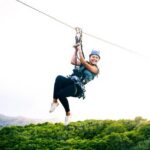




The rappel itself: what you’ll do and why it feels exciting
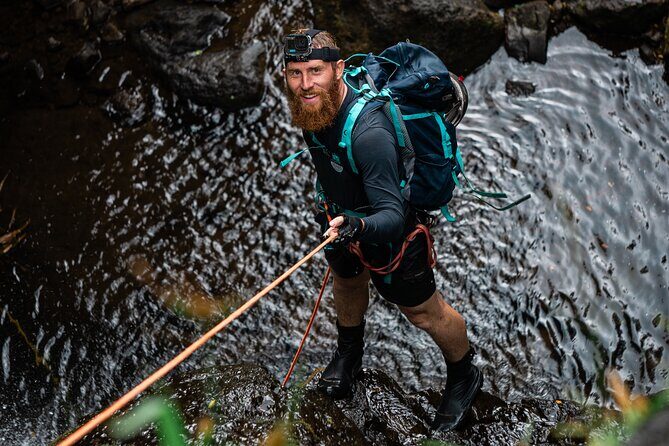
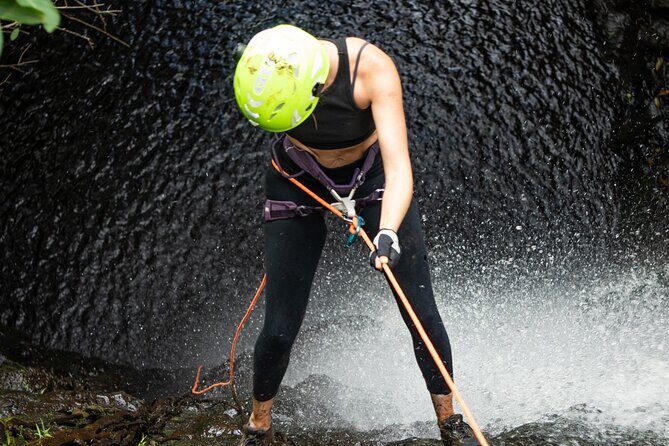
This is the headline. You’ll descend and rappel the waterfall after you’re set up and briefed. Even if you’re new to ropes, the tone here is instructional and controlled.
The most useful thing the guide brings is not bravado. It’s repetition of the important parts: how things connect, how you position yourself, and how to stay composed while moving through the descent. You’re also taught so you can feel confident and ready, not just strapped in and sent.
What makes this tour especially good for first-timers is that you’re not expected to act like a pro on day one. One person shared that Caleb explained gear clearly and included a practice setup on a smaller feature before the real rappel. That kind of “learn the motion first” approach can turn fear into curiosity.
If you’re anxious about water getting in your eyes, there’s a practical reminder: bring a hat. One reviewer specifically pointed this out for keeping water out of your face while rappelling.
And if you’re the type who likes photos, you can ask for coverage. The guide can capture video/photos using drone, GoPro, or a camera based on what you request. You’ll also get a chance to take your own pictures as you’re able—just don’t let cameras distract you during the rope portion.
After the rappel: snacks, drinks, and a slower pace
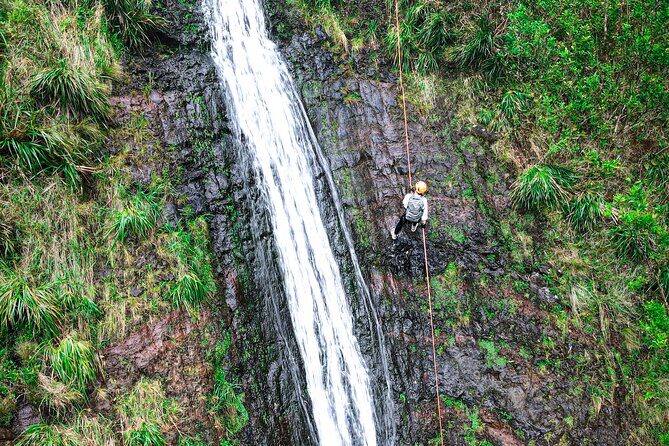
Once everyone finishes, the rhythm changes. You get time to relax while the guide recovers gear, and you’ll have snacks and drinks afterward.
This is a smart structure. Rappelling is adrenaline, but it also burns energy and attention. Having that decompression time means you can actually enjoy the waterfall environment instead of rushing immediately onto the return hike in a slightly shaky state.
It also keeps the day social. Small group size helps here, because you’re not waiting ages while a long line of people goes down.
Price and value: is $350 worth it?
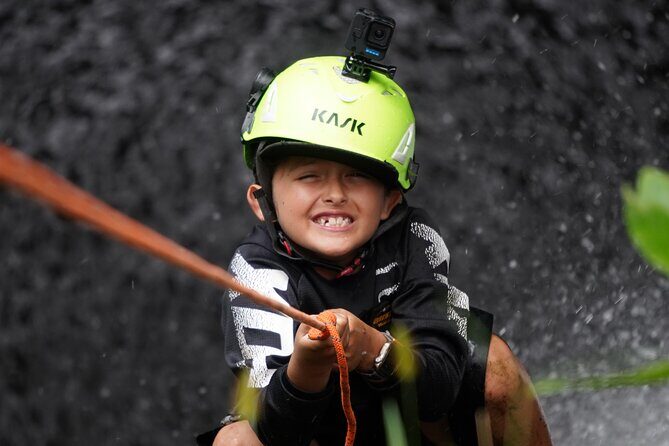
At $350 per person for an about 5-hour experience, you’re paying for more than access to a waterfall. You’re paying for guide time, safety setup, and equipment that would cost you (or a lot of hassle) if you tried to DIY it.
What makes the price feel more reasonable is that:
- Rappel gear is included (harnesses, ropes, helmets, gloves, hardware).
- You’re hiking with coaching plus ropes handling at the waterfall, which takes real skill and attention.
- The group cap at 10 travelers supports more individualized supervision than you’d get on big tours.
There is a tradeoff: it’s not a bargain activity. If you’re trying to maximize volume and hit ten sites in a day, this will feel like a bigger spend. But if you want one memorable, high-skill adventure in the middle of your Oahu trip, it’s strong value for what you actually do.
Also note the extra $25 pickup option. If it saves you time and stress getting to the trailhead, it’s often worth it.
What to pack for a waterfall rappel (so you’re not miserable)
The tour data covers key gear, but you’ll still want to pack for comfort and traction. Based on the kind of terrain you’re dealing with, here’s what I’d prioritize:
- Good hiking shoes with grip. Mud can happen if conditions change.
- A hat to keep water out of your eyes while you rappel.
- Quick-dry clothing if you run hot and sweat on the hike, since you may end up near wet surfaces.
- A small personal water plan. The guide ensures you have enough water for the day, but you’ll still want to follow their guidance closely.
If you prefer sun protection, plan for early morning sun plus reflected light around the waterfall. A light layer can help too, because waterfall areas can feel cooler even on bright mornings.
Who should book this, and who should skip it
This tour is a great match if you want an active day that mixes hiking and a real rope challenge. It’s also a strong fit if you like clear instruction and safety-focused guiding.
You’ll probably enjoy it most if you:
- have moderate physical fitness
- like rugged nature and don’t need a groomed path every step
- want a guided experience where your skill level is respected
- care about getting photos and video without turning it into a distraction
I’d be cautious if you:
- want an easy, flat hike
- hate scrambling and uneven footing
- aren’t comfortable learning rope basics with a harness and helmet
Because the tour hinges on weather and trail conditions, it’s also best for travelers who can shift plans if your morning gets postponed or rescheduled.
Is the guide the real secret? Why Caleb’s style matters
The name Caleb shows up in the best way—through communication, calm energy, and a coaching style that makes people feel ready instead of rushed. The common theme is that he’s responsive, explains what’s happening, and takes safety seriously without killing the fun.
That combination is a big deal for a rappel. You’re relying on someone to set up ropes correctly and to keep you grounded mentally while you do something your body may find unfamiliar at first.
If you value a guide who can turn nerves into focus, this is the right type of outing.
Weather can change the plan (and that’s okay)
This experience requires good weather. That’s not a small footnote; it’s central to how safely and comfortably the hike and rappel go.
If weather cancels the activity, you’ll be offered a different date or a full refund. That’s the kind of policy that makes planning easier because you’re not betting your whole vacation day on one fragile moment.
Should you book Chasing Waterfalls: Wild Hawaii Rappelling?
Book it if you want one standout Oahu adventure that’s equal parts nature hike and hands-on rope fun, with safety coaching that helps you feel confident. The small group size, included gear, and the chance to get waterfall photos (even drone/GoPro if you ask) make it feel like more than a typical tour.
Skip it if you want a gentle walk, you dislike rugged scrambling, or you’re not up for learning and following instructions closely in rope gear.
If you’re somewhere in between, lean toward booking. This is the kind of day that can become a personal highlight because you leave not just with photos, but with a skill-based memory: the moment you descend under guidance and then get to enjoy the waterfall area afterward.
FAQ
What’s the meeting point for Chasing Waterfalls: Wild Hawaii Rappelling?
The start point is 3000 10th Ave, Honolulu, HI 96816, and the activity ends back at the same meeting point.
What time does the tour start?
The tour starts at 8:00am.
How long is the experience?
It runs for about 5 hours (approx.).
Is pickup available, and how much does it cost?
Pickup is available for an extra $25.
What gear is included for the rappelling portion?
The tour includes harnesses, ropes, helmets, gloves, and hardware.
What fitness level do I need?
You should have a moderate physical fitness level.
How big is the group?
There is a maximum of 10 travelers.
Is the tour offered in English?
Yes, the tour is offered in English.
Are service animals allowed?
Yes, service animals are allowed.
Does the tour run in any weather?
It requires good weather. If it’s canceled due to poor weather, you’ll be offered another date or a full refund.