REVIEW · OAHU
Waikiki, Hawaii: Turtle Canyon Snorkel Excursion
Book on Viator →Operated by Living Ocean Tours · Bookable on Viator
Hawaiis sea turtles are easier to spot than you think. This 2-hour Waikiki snorkel trip is built around Turtle Canyons, with all the setup handled for you and a guide to keep everyone comfortable in the water. I like the simple format and the way the tour targets green sea turtles without making you plan gear or routes yourself.
What I really like is the people-factor: the captain and crew are described as friendly, safety-focused, and quick to explain what you’re seeing. Guides such as Chance/Chase and Aaron pop up in reviews, and you’ll often get help adjusting your gear and figuring out where to look.
The one drawback to consider is that ocean conditions can change, so visibility may be cloudy at times and the boat can be choppy. If you’re prone to motion sickness, consider taking medication before you go.
In This Review
- Key points before you book
- Why Turtle Canyon Snorkel Feels Like the Right Length
- Meeting at Living Ocean Tours: Fast Setup, No Guessing
- The Waikiki Beach Stop: Where Comfort Gets Built
- Diamond Head Crater on the Route: A Scenic Bonus
- Turtle Canyons Underwater: The Whole Reason You Came
- How the Guides Work: Safety Plus Better Seeing
- Boat and Gear: Clean Equipment Makes a Difference
- Group Size: Max 40, Realistic Expectations About Crowds
- Price vs. Value: What $79.21 Really Buys
- Conditions That Can Change the Experience
- Who This Snorkel Excursion Fits Best
- Should You Book This Turtle Canyon Snorkel from Waikiki?
- FAQ
- How long is the Turtle Canyon Snorkel Excursion?
- What does the tour cost?
- Is snorkeling gear included?
- What should I wear?
- Do I need to know how to swim?
- What’s the minimum age?
- Is hotel pick-up included?
- Are towels provided?
- Where do I meet the tour?
- What marine life might I see?
Key points before you book
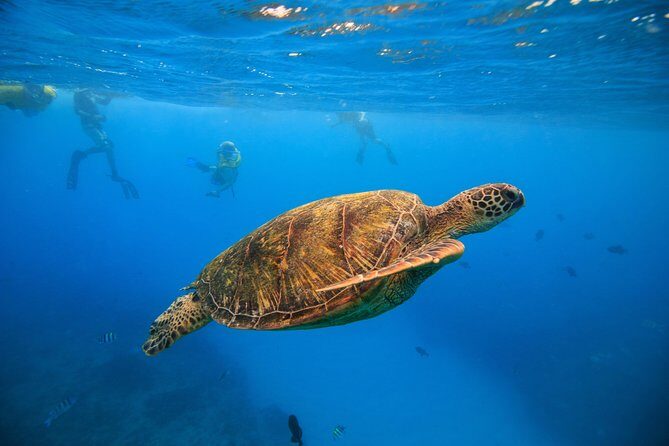
- Turtle Canyons from Waikiki is the main event, with the goal of lots of sea turtle sightings
- Gear is included, plus snorkel coaching before you get in
- Light refreshments and snacks on the boat make the short trip feel complete
- Expect a small group cap (up to 40), but you may still share the area with other snorkel boats
- Winter months can add humpback whales, depending on conditions
Why Turtle Canyon Snorkel Feels Like the Right Length
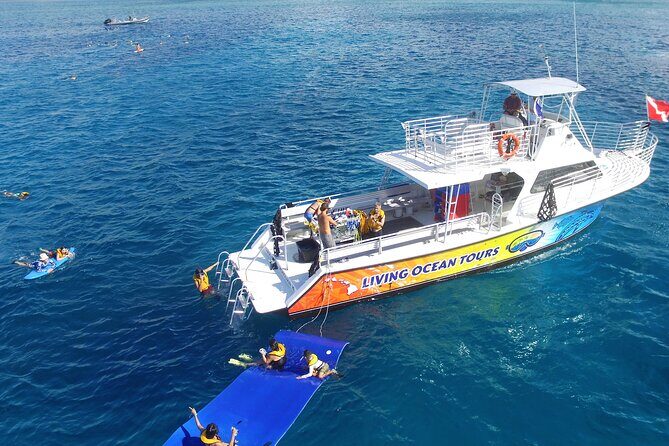
A two-hour snorkel sounds short until you realize that Waikiki water time is often the most valuable part of your day. This trip keeps the focus on one strong site in the Turtle Canyons area, with the rest of the schedule built around getting you ready and back without dragging your plans out.
The value is in the “less thinking” setup. You don’t have to bring a mask and snorkel, and you aren’t trying to translate swim-site instructions while wearing a life jacket for the first time. The tour also has an added bonus for the wildlife-spotting crowd: in the right season, you might see spinner dolphins, flying fish, and even humpback whales.
Also, this is a group outing, not a private charter. That’s a good thing if you want a fun ocean reset with other people, and you’re okay with the chance that the water conditions (visibility and swell) will set the limits.
You can also read our reviews of more tours and experiences in Oahu.
Meeting at Living Ocean Tours: Fast Setup, No Guessing
The tour starts at Living Ocean Tours at 1125 Ala Moana Blvd Slip B-01 in Honolulu. Because this is a mobile-ticket experience in English, you’ll want your confirmation ready on your phone when you arrive.
I like that the meeting point stays simple: you return to it at the end, so you aren’t stuck figuring out a separate drop-off. That matters with Waikiki timing, where traffic and parking can turn a quick outing into a slow one.
A few practical notes that can save you time:
- Wear swimwear. The dress code is basically get-ready-for-water clothes.
- Bring a towel. Towels aren’t included.
- There’s a $5 parking fee at the lot, payable by cash or card (so don’t assume it’s free).
- The boat is described as a no-shoe setup by people who’ve done it, so plan to wear shoes that you can easily leave behind at the dock. Old shoes are a smart call.
Before anyone heads into the water, you’ll get a snorkel demo and a chance to ask questions. That short pre-water coaching is a big deal if you’re new. It’s also how the crew keeps safety consistent when the group includes different comfort levels.
The Waikiki Beach Stop: Where Comfort Gets Built
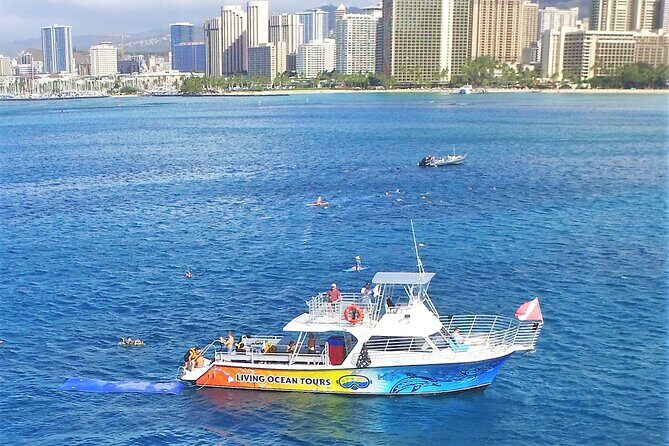
Even though the itinerary lists a Waikiki Beach stop, what you’ll feel in practice is that this is the phase where the crew helps you get squared away. Expect the basics: getting into snorkel gear, confirming you understand how to breathe comfortably, and learning where to look once you’re in.
This is one of the tours I’d point to for first-time snorkelers, mainly because you’re not left to figure it out on your own. Reviews repeatedly mention that the team takes care of people who are nervous or new and keeps everyone safe.
A key detail for your comfort: life jackets are available in multiple sizes, so you shouldn’t have to guess whether the fit will work. If you’re bringing kids (minimum age is 3), this kind of support helps keep the day fun instead of stressful.
You should also expect other snorkeling boats in the general area. Even when your guide is managing your experience well, you can still end up sharing water space. The upside is that Turtle Canyons is popular for a reason, so conditions often offer plenty to see.
Diamond Head Crater on the Route: A Scenic Bonus
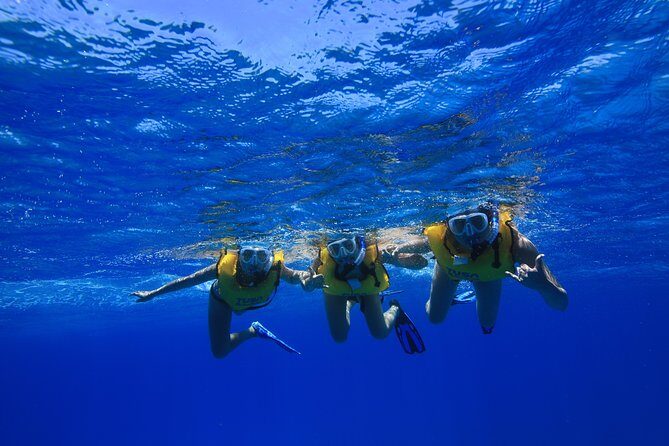
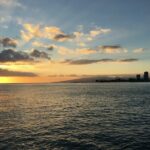
Diamond Head Crater shows up as a stop, and for most people that translates to a route with scenery. In other words: you’re not just traveling to your snorkeling spot, you’re also getting a Waikiki-Oahu coastline moment on the water.
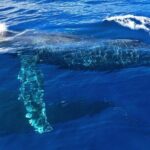
This is also where the “wildlife luck” can show up. Depending on the time of year and ocean conditions, people have reported seeing dolphins during the ride. In winter months, humpback whales are possible as an added sight.
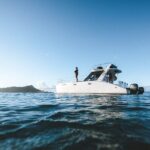
One caution: if the water is choppy, the boat ride can feel rough even when you’re only out for about two hours total. If motion makes you nauseous, consider taking medication beforehand. A common suggestion from reviews is to take Dramamine if you know you get seasick.
Turtle Canyons Underwater: The Whole Reason You Came
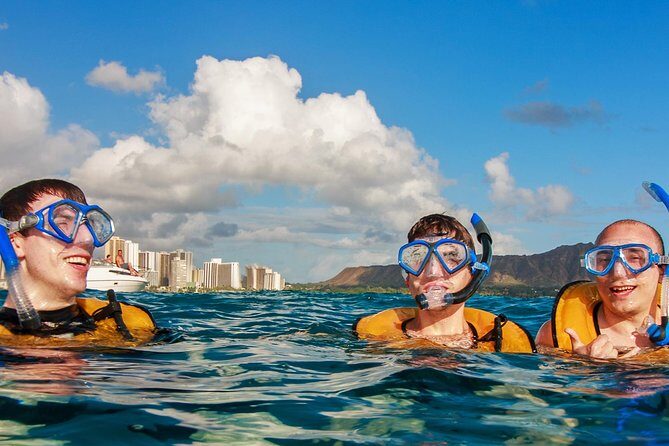
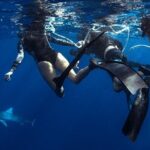
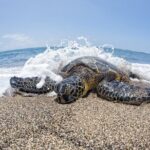
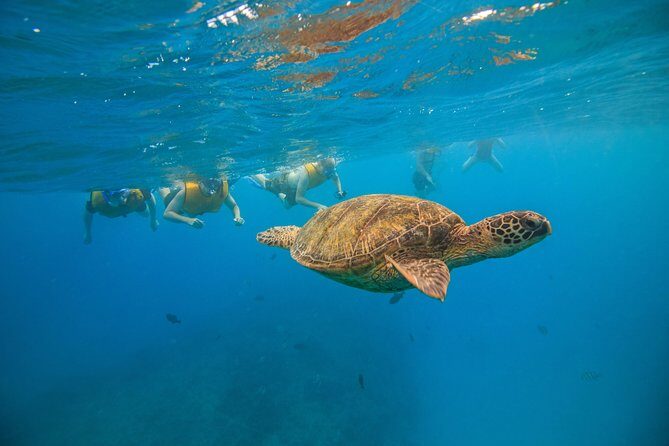
Turtle Canyons is the main attraction, and the trip is clearly aimed at meeting green sea turtles in their natural habitat. The tour description sets the expectation, but the real takeaway is that the guides actively work to get everyone a good chance at spotting sea life.
Here’s what you should plan to see:
- Green sea turtles near the reef
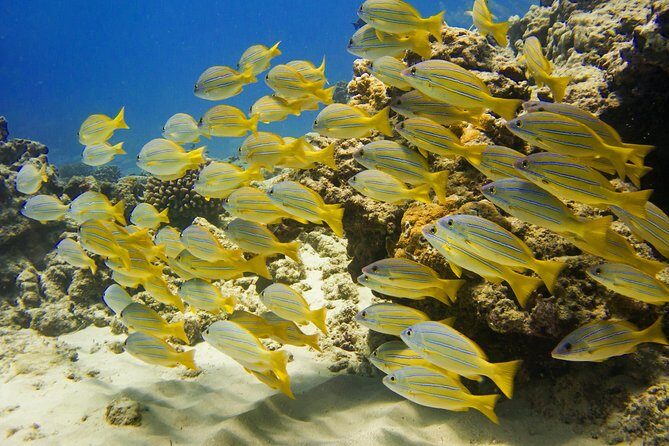
- Colorful reef fish close to the snorkeling area
- Other wildlife sightings depending on season and conditions, like spinner dolphins and flying fish
From reviews, turtle sightings range from a handful to lots of turtles in clearer conditions. That’s not a guarantee issue so much as an ocean reality. Water clarity can change, and that affects how many turtles you can actually spot at any given moment.
One review note is especially useful for your expectations: in winter, visibility can be harder. If the water is cloudy, you may spend more time enjoying the fish and less time making out turtle shapes from far away. If you’re able, aim for a time of year when conditions tend to be clearer, but even then, Mother Nature has the final say.


How the Guides Work: Safety Plus Better Seeing
This is where reviews shine. The captain and crew are described as friendly, attentive, and quick to make sure everyone stays safe. The guides also focus on helping you actually see the animals, not just swim around.
Some people even call out specific guides by name. You might meet Chance/Chase and Aaron, with both described as energetic and good at explaining what’s happening in the water. One account mentions Aaron going lower to show the reef details like sea urchins and a crown of thorns. If you like learning how the ecosystem works, that kind of pointing out can turn a simple swim into a more meaningful one.
A smart mindset: treat the water like a shared viewing area. Don’t chase animals, don’t kick hard at the reef, and try to float calmly when you see turtles. The guides generally keep the group on track, but your own movement is what usually determines how good your views feel.
Boat and Gear: Clean Equipment Makes a Difference
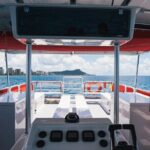
The included snorkeling gear is one of the strongest “value” parts of this tour. It isn’t just about saving packing space. People specifically mention that the equipment looks clean and in good condition, which matters a lot when you’re sharing gear on a boat.
A good gear-and-fit experience usually comes down to two things:
- A quick snorkel lesson so you’re breathing comfortably
- A life jacket that fits well enough that you can relax
If you’re doing this with kids or a mixed group, those details reduce the chance that someone spends the whole trip struggling. That’s also why this tour tends to work well for families, not just swimmers.
Group Size: Max 40, Realistic Expectations About Crowds
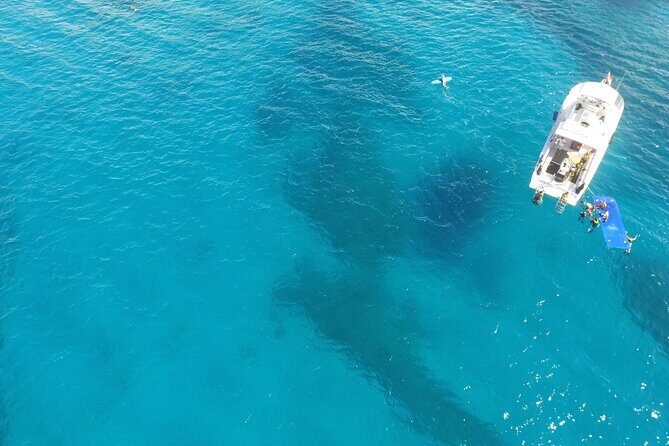
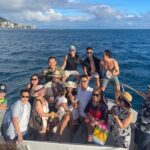
The maximum group size is 40. In practical terms, that means the crew can keep an eye on everyone, and you’re not stuck with an enormous crowd.
Still, Turtle Canyons is popular. Even if the group itself feels manageable, you might see multiple boats in the viewing area. Some reviews mention that this is normal, and you may have moments where you’re surrounded by other fins and snorkelers.
There’s also a more subtle tradeoff: sometimes guides may steer the swim route to make the experience calmer and less crowded. One person felt they were moved away from the densest turtle area, which meant fewer turtle sightings than expected. The counterpoint is that calmer water and fewer people right next to you can also improve your comfort and safety. If turtles are your top priority, just know that the guides are balancing multiple factors at once.
Price vs. Value: What $79.21 Really Buys
At $79.21 per person, this isn’t a bargain “just rent a mask” situation. What you’re paying for is access to Turtle Canyons from Waikiki plus the whole structure:
- Tour leader and captain support
- Snorkeling equipment included
- Light refreshments and snacks on the boat
- The short, efficient plan that gets you in the water without extra transfers
What’s not included matters, too:
- A $5 parking fee at the lot
- Towels
- Hotel pick-up and drop off
- Private tour options
For value, I’d weigh these questions:
- Do you want the logistical headache handled for you? If yes, this price starts to make sense fast.
- Are you okay with a group format for a two-hour outing? If yes, you’re basically buying convenience plus a good chance at turtle sightings.
- Would you rather spend a full day doing it yourself? If yes, you might compare time and effort. But if your goal is simply to see turtles and reef fish in a short window, this tour fits the job.
Also, it’s commonly booked about 19 days in advance. That hints at popularity and helps you plan: if you’re going in a busy season or during weekends, booking ahead is smart.
Conditions That Can Change the Experience
This tour is weather-dependent. That’s not a scare tactic; it’s a practical reality for any open-water swim in Hawaii.
Two conditions show up in the feedback:
- Visibility: cloudy water can limit turtle visibility even if they’re present
- Chop and motion: some people get seasick if the water is rough
If you know you get motion sickness, take action early. The trip guidance suggests considering sea sickness medication if you’re prone or not used to boats. That’s not dramatic overkill. A two-hour trip can still feel long if you’re nauseous.
The best way to protect your day is simple:
- Go with a flexible expectation (some days are turtle-heavy, some are fish-heavy)
- Pack for sun and boat time, not just swimming
- Expect that “water clarity” is out of your control
Who This Snorkel Excursion Fits Best
This is a strong choice if you:
- Want a short, focused snorkel outing from Waikiki
- Have basic swimming ability and are comfortable in open water with a life jacket
- Are traveling with kids (minimum age is 3) and want a guide-led experience
- Prefer a group tour when it comes to organization and safety
It’s also good for couples who want something active but not all-day. And it works for people who love wildlife surprises, since dolphins and winter whale chances are on the table.
If you’re someone who only wants guaranteed turtle counts, adjust your expectations. The guides do a lot, but the ocean still decides how easily animals show themselves and how far you can see.
Should You Book This Turtle Canyon Snorkel from Waikiki?
I’d book it if your priority list looks like this: sea turtles, reef fish, included gear, and a clear two-hour plan. This tour is built for you to feel comfortable fast, spend most of your time in the water, and leave without a bunch of extra work.
I would hesitate only if you know you get motion sick easily and you’re very sensitive to choppy boats, or if you’re traveling during a season when visibility typically gets worse for snorkelers. Even then, taking the right precautions can help, and you may still enjoy plenty of fish.
If you want an efficient “Waikiki ocean wildlife” day that doesn’t require you to become a snorkeling planner, Turtle Canyon from Living Ocean Tours is a very reasonable pick.
FAQ
How long is the Turtle Canyon Snorkel Excursion?
It’s about 2 hours.
What does the tour cost?
The price is $79.21 per person.
Is snorkeling gear included?
Yes. Snorkeling equipment is provided, so you do not need to bring your own mask and snorkel gear.
What should I wear?
Dress code is swimwear.
Do I need to know how to swim?
The tour requires basic swimming ability.
What’s the minimum age?
The minimum age is 3 years.
Is hotel pick-up included?
No. Hotel pick-up and drop off are not included.
Are towels provided?
No. You should bring a towel.
Where do I meet the tour?
Meet at Living Ocean Tours, 1125 Ala Moana Blvd Slip B-01, Honolulu, HI 96814, USA. The tour ends back at the meeting point.
What marine life might I see?
You’re snorkeling with Hawaiian green sea turtles. Other possible wildlife includes spinner dolphins and flying fish, and in winter months, humpback whales may be spotted.