REVIEW · OAHU
Oahu Shark Dive Educational Tour (No cage)
Book on Viator →Operated by Go Adventure Hawaii · Bookable on Viator
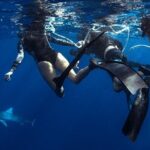
Sharks swim free, and so do you. I love the no-cage setup and the trained handlers who keep the whole thing calm and controlled.
You also get practical perks: snorkel gear and fins are provided, and the group stays small (up to 6 people).
One thing to weigh: this is open-ocean water time with a moderate fitness level, and the day depends on weather and sea conditions, so sightings can vary.
In This Review
- Key things that make this tour worth your time
- No-Cage Shark Snorkeling: What You Actually Get
- Getting There: Haleʻiwa Boat Harbor and the First-Time-Feel
- The Main Event Offshore: Three Miles Out and a Real Safety Game Plan
- What sharks you might see (and why it’s not the same every time)
- How the safety team works
- Optional Underwater Photos: The Value Play for Camera People
- The North Shore Stops: Waialua, Waimea, and Puaʻena Point
- Waialua Bay: Marine life variety and winter whale potential
- Waimea Bay: Surf drama in winter, calm water in summer
- Puaʻena Point Beach Park: Laid-back learning water and tide pools
- What the Two-Hour Timeline Feels Like
- Who This Tour Fits Best (and Who Should Think Twice)
- Price and Value: Is $155 Smart Here?
- My Booking Decision: Should You Book This?
- FAQ
- How long is the Oahu shark educational tour?
- Is this tour done with a cage?
- What snorkeling gear is included?
- Where do I meet, and where does it end?
- How many people are in the group?
- What is the cancellation policy?
Key things that make this tour worth your time
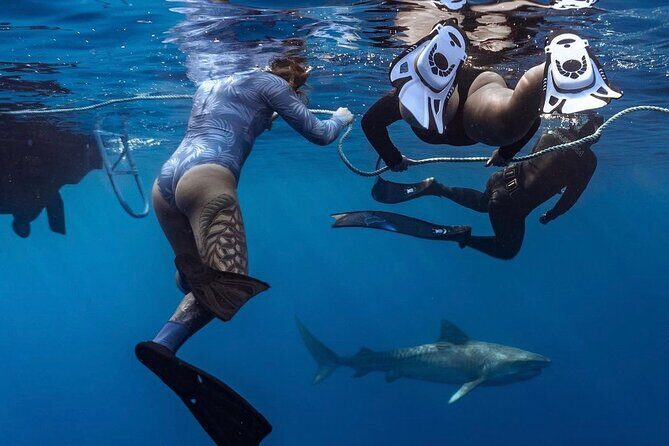
- No-cage swim in open water with professionally guided safety
- Offshore time about three miles off Oahu’s North Shore in pelagic shark habitat
- Small group size (max 6) for a more personal experience
- Optional high-quality underwater photos/video sent digitally a few days later
- North Shore variety tied to Waialua Bay, Waimea Bay, and Puaʻena Point Beach Park
No-Cage Shark Snorkeling: What You Actually Get
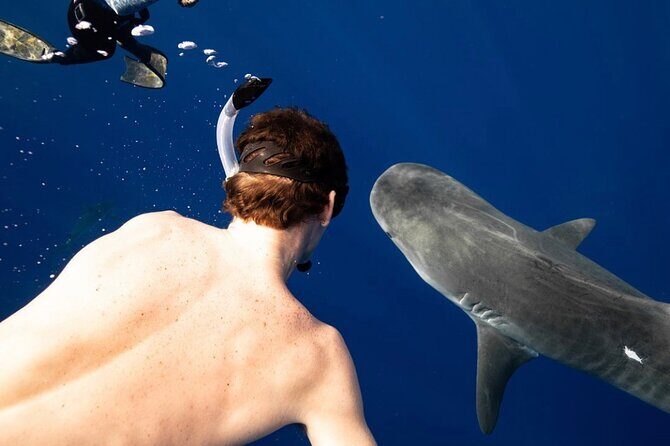
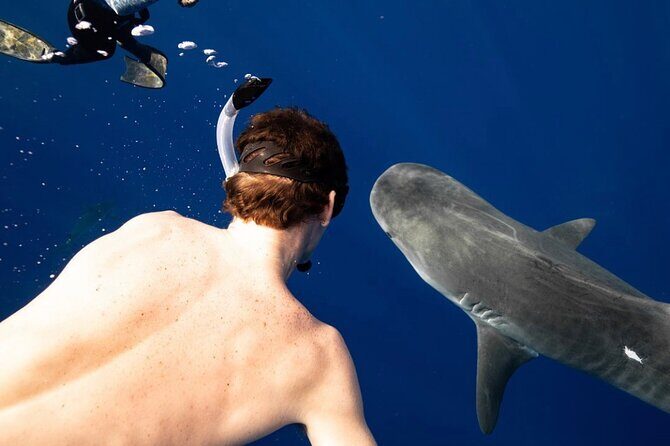
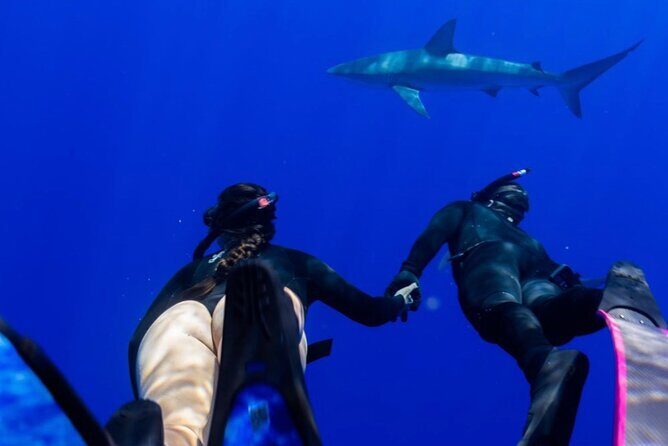
This is one of those rare Oahu experiences where you’re not watching sharks from behind bars. You’re in the water, with a safety team around you, and the focus is on education plus doing it the right way.
The big win for me is the vibe: it feels like an animal-focused experience, not a circus. The crew emphasizes shark behavior and what to expect in the water, then guides you on staying safe while you’re out there. When people are nervous, the handlers help you slow down and follow the plan. That mental switch matters as much as the ocean water.
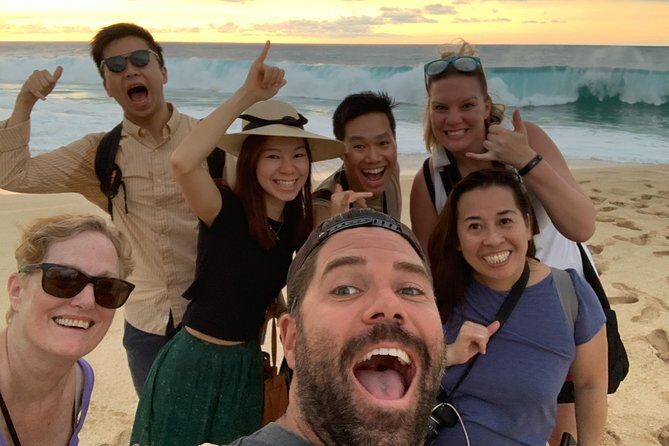
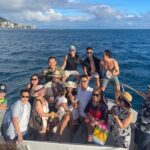
And because the group is limited to six travelers, you’re not lost in a crowd. You can hear instructions, you can get attention quickly, and it doesn’t feel like you’re waiting your turn to be somewhere.
The second huge win is the setting. This tour goes offshore roughly three miles off the North Shore, where the water opens up into deep pelagic territory. That kind of location is why you might see species you don’t always get at closer reefs.
You can also read our reviews of more tours and experiences in Oahu.
Getting There: Haleʻiwa Boat Harbor and the First-Time-Feel
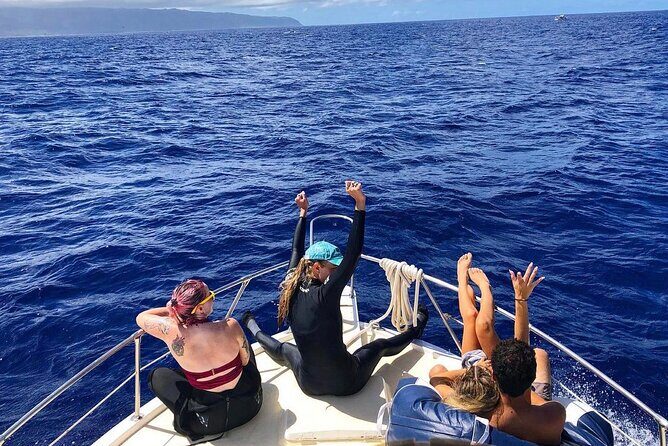
You meet at Hale‘iwa Boat Harbor (Haleiwa, HI 96712), and the activity ends back at the same place. If you’ve never done a North Shore boat trip, this is one of the simpler parts: it’s a straightforward start, and you’re not sent on a scavenger hunt across Oahu.
A couple of practical notes from what people consistently praise:
- They give clear directions for parking, and you’ll want to look for the business’s teal and white sign.
- A mobile ticket is used, so you can keep everything on your phone.
- The tour is offered in English.
- Service animals are allowed.
Also, expect a real boat ride. On a calm day it’s easy, but in windier conditions you may feel more wave motion than you planned for. If you’re the type who gets queasy, I’d pack a simple seasickness plan (gum, ginger, or whatever works for you). One windy outing comes up in feedback enough that it’s worth taking seriously.
The Main Event Offshore: Three Miles Out and a Real Safety Game Plan
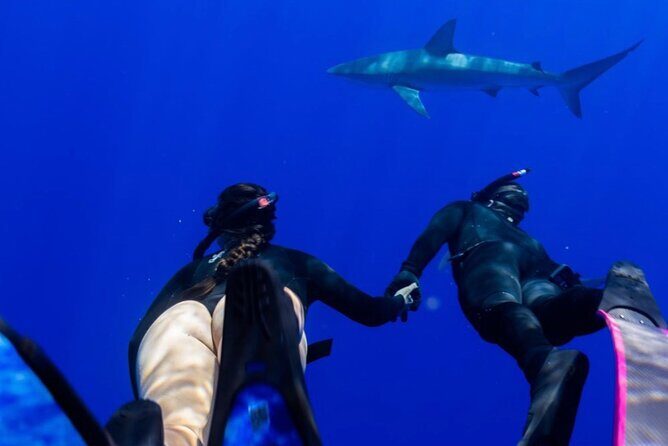
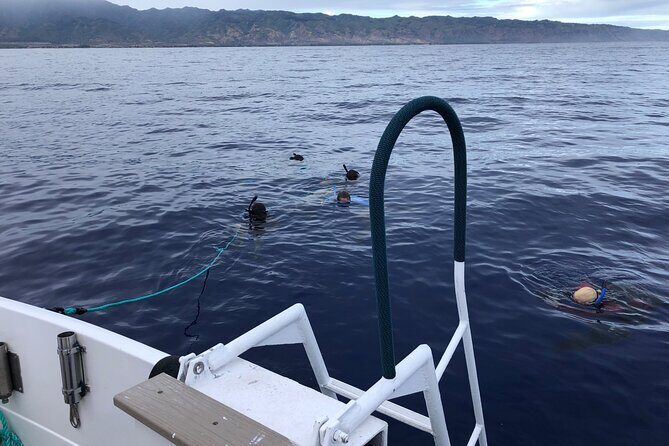
The heart of the experience is a swim/snorkel session guided by a professionally trained shark handler. The crew travels about three miles off of Oahu’s North Shore to look for Manō (shark) in open water, surrounded by clear blue ocean.
Before anyone hits the water, you’ll get safety guidelines. Then you’ll get the shark education part too—how sharks behave, what the crew is watching for, and how to stay calm when something big shows up close.
What sharks you might see (and why it’s not the same every time)
The most commonly mentioned resident species for this kind of offshore habitat are:
- Galapagos sharks
- Sandbar sharks
- Tiger sharks
Because this is in a pelagic (deep-water) zone, there’s also a chance of other sharks showing up. In other words: you’re not guaranteed a specific shark like a theme park ride. What you are getting is the right environment and the right people to interpret what’s happening in real time.
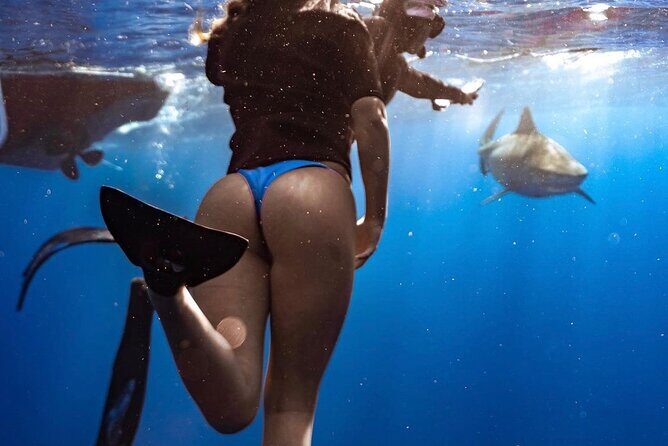
When sharks are around, the experience can feel intense in a good way—reports include 10+ sharks swimming around at once, plus days where a tiger shark shows up and keeps people glued to the water. Other days sharks may be a little more cautious and you might see fewer. Either way, the crew’s role is to keep you safe and help you get the best viewing possible.
How the safety team works
The safety system is what makes no-cage snorkeling feel manageable. The handler(s) and the in-water safety team are attentive the whole time. People who were initially nervous repeatedly mention that they never felt left alone once they were in the water.
There’s also a consistent theme in feedback: when sharks come in close, the crew keeps positioned to maintain safety spacing. If you’re worried about whether the crew will react quickly, this is the part to know is prioritized.

Optional Underwater Photos: The Value Play for Camera People
One of the reasons this tour can be worth more than the base price is the photo support. A professional underwater photographer is aboard and can capture photos/video for a fee.
A few things I like about this setup:
- The photographer isn’t just taking pictures from the boat. They’re in the water and working with you during moments when sharks appear.
- The instructions are described as patient, with people getting guided on how to hold position and how to coordinate while staying calm.
- Photos/video are digitally sent a few days after your trip.
If you’re the type who wants proof that you were really swimming with wild sharks (and not just holding a phone while missing the action), the photo option can be a smart add-on. If you’re more of a minimal gear person, you can treat it like a bonus, not a requirement.
The North Shore Stops: Waialua, Waimea, and Puaʻena Point
This tour isn’t only about the offshore water. It’s tied to the North Shore’s different bays and shorelines—so you get natural variety even if the shark experience is the main headline.
Waialua Bay: Marine life variety and winter whale potential
Waialua Bay is known for lots of marine life. Depending on season and conditions, you might encounter:
- Hawaiian spinner dolphins
- lots of fish species (including malolo, often called flying fish)
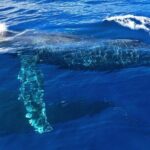
- humpback whales during winter months
This matters because it gives you something to look for even when shark sightings are lighter. And if you’re a marine-life person, this adds depth to the trip instead of making the day feel single-topic.
The practical takeaway: don’t assume every outing is exactly the same. The North Shore is dynamic.
Waimea Bay: Surf drama in winter, calm water in summer
Waimea Bay is famous on the North Shore for big winter surf. In winter, it’s a world-class surf spot with massive waves and expert riders. In summer, the water calms down into something closer to a glassy, turquoise swimming/snorkeling environment.
It has that dramatic, slightly sacred feeling because the cliffs and surrounding area are part of a bigger cultural and natural setting. There’s also Waimea Valley nearby, where you can do a short hike through botanical gardens to a waterfall if you want to stretch your legs after the main experience.
If your timing lines up with summer conditions, Waimea can feel like a more relaxed contrast to the open ocean.
Puaʻena Point Beach Park: Laid-back learning water and tide pools
Puaʻena Point Beach Park is just east of Haleʻiwa and is known as an easy-going spot, especially for surf schools and beginners due to mellow waves and forgiving reef breaks.
You’ll also find:
- shaded shoreline areas under ironwood and palm trees
- sand mixed with lava rock
- tide pools near the edges
- the chance to spot Hawaiian green sea turtles grazing or resting
- calm near-shore water that’s good for wading or paddling out
This part of the day is useful because it helps you avoid the “all or nothing” problem. Even if you want to keep the shark focus, you still leave with a North Shore taste.
What the Two-Hour Timeline Feels Like
The experience runs about two hours, and then the rest of your day is free.
That timing is a big deal. It means you’re not locked into a long, heavy schedule. You can plan lunch and then keep exploring Oahu on your own terms—especially helpful if you want to hit Waimea Valley, wander Haleʻiwa town, or do a second beach stop on the same day.
It also supports a realistic expectation: the main offshore session is time-efficient. You’re going out to maximize your chance of seeing sharks, not spending hours and hours far from shore.
Who This Tour Fits Best (and Who Should Think Twice)
This is best for you if:
- You really want a no-cage shark experience in open water
- You’re comfortable snorkeling and can handle fins and a moderate fitness level
- You like guided wildlife learning, not just sightseeing
- You value a small group where attention from the crew is part of the deal
This is a tougher fit if:
- You get very seasick or hate boats in choppy weather
- Open-ocean water makes you panic, even with a safety team
- You need guaranteed shark sightings every time (no one can promise that)
One more mental note: sharks can be shy. Even on a great day, you may wait through quieter moments. The payoff tends to come from the crew’s patience and the way they help you read the water calmly.
Price and Value: Is $155 Smart Here?
At $155 per person for about two hours, this isn’t a cheap add-on. But it’s also not overpriced if you compare what you’re actually buying.
You’re getting:
- no cage, with safety guidance in open ocean habitat
- provided snorkel equipment and fins
- a trained shark handler and an education-first approach
- a small group size (max 6), which usually increases safety and attention
- optional professional underwater photo/video support
The real value is in the combination. Cage tours can be easier to watch from behind glass or bars, but the experience here is about being close in a natural way, with professionals guiding the safety side. If that’s your goal, the price starts to make sense fast.
If you don’t care about underwater photos, you can treat them as optional. If you do, budget for them, since they’re a significant part of what people remember later.
My Booking Decision: Should You Book This?
Book it if you want the closest, most natural-feeling shark experience available on Oahu, and you’re comfortable following a safety-first team in open water. I’d especially recommend it if you like the idea of small-group attention, shark education, and a chance to see more than one kind of marine wildlife around the North Shore.
Skip it if you’re mainly chasing guaranteed shark sightings, or if open-ocean conditions (wind, waves, boat motion) are a known problem for you. This is weather-dependent, and wildlife is never fully predictable.
FAQ
How long is the Oahu shark educational tour?
It runs for around 2 hours, and then the rest of your day is free.
Is this tour done with a cage?
No. This is a no-cage shark snorkeling experience where you swim alongside sharks with guidance from a trained shark handler.
What snorkeling gear is included?
Snorkel equipment and fins are provided.
Where do I meet, and where does it end?
Meet at Hale‘iwa Boat Harbor in Haleiwa. The activity ends back at the same meeting point.
How many people are in the group?
The tour has a maximum group size of 6 travelers.
What is the cancellation policy?
You can cancel for a full refund up to 24 hours in advance. If it’s canceled due to poor weather, you’ll be offered a different date or a full refund.