REVIEW · OAHU
Discover Scuba Diving in Hawaii – Non certified divers!
Book on Viator →Operated by Aaron's Dive Shop · Bookable on Viator
Your first breaths underwater start here. This Discover Scuba Experience in Oahu is made for non-certified people, and I like the way a PADI instructor gives one-on-one guidance while you practice key surface skills before you ever go below. After a short boat ride, you’ll take part in two shallow underwater sessions, with a relaxing boat break and coastline views like Diamond Head, Koko Head, and the Hanauma Bay ridgeline.
I also appreciate the human side of this trip. Captain Garrett and instructors such as Ken, Francesca, Brian, and Justin show up again and again in what people remember, and the consistent theme is patience and safety focus. The main thing to watch is that you’ll need to fill out a medical questionnaire and be ready for moderate physical fitness expectations, plus the whole experience is about three hours with only two shallow sessions—so it’s an intro, not a long, all-day ocean plan.
In This Review
- Key things I’d mark on your mental map
- Maunalua Bay: why this start works for first-timers
- The “first day” rhythm: medical questionnaire and a realistic pace
- Learning the basics the right way: safety first, skills second
- The surface practice that builds confidence fast
- Two shallow underwater sessions with an instructor at your shoulder
- The boat break: views you’ll actually remember
- Small-team energy with Aaron’s crew and Captain Garrett
- Price and value: is $237.69 worth it?
- Who should book this, and who should think twice
- Should you book Discover Scuba on Oahu?
- FAQ
- Where does the experience start?
- What time does it begin?
- How long does Discover Scuba take?
- Is this only for certified divers?
- How many people are in the group?
- What training do you do before going underwater?
- Do you get one-on-one help?
- What underwater experience is included?
- What if the weather is poor?
Key things I’d mark on your mental map
- Non-certified welcome with PADI-led coaching so you’re not guessing what to do.
- Surface practice first, then two shallow underwater sessions with an instructor right there.
- Maximum group size of 14, which usually means more attention when you’re learning.
- Maunalua Bay start point in Honolulu for a straightforward morning routine.
- Boat break with big-name Oahu views: Diamond Head, Koko Head, and Hanauma Bay ridgeline.
- Medical questionnaire required before you gear up and enter the water.
Maunalua Bay: why this start works for first-timers
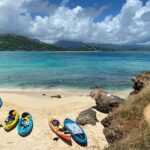
Maunalua Bay Beach Park (near Honolulu) is a practical launchpad for a beginner scuba introduction. Since your start time is 10:30 am and the total experience is about 3 hours, you want a meeting point that’s easy to reach and doesn’t turn the day into a logistical puzzle. This one is also noted as near public transportation, which matters if you’re not renting a car.
What I like here is the vibe: you’re not sent out to some far-off stretch of coastline where you spend half the day stuck in transit. Instead, you’re set up for a smooth flow—briefing, a boat ride, then hands-on water time. That pacing is especially important when you’re learning to breathe underwater for the first time.
You can also read our reviews of more scuba diving tours in Oahu
The “first day” rhythm: medical questionnaire and a realistic pace
Before you begin, you’ll complete a medical questionnaire. That’s not just paperwork for the sake of it; it’s the first step in making sure the experience matches your health and comfort level. If you’ve ever had any conditions that might affect pressure changes or physical exertion, this is your chance to flag them early.
The experience also asks for moderate physical fitness. Nobody is promising athletic feats, but you should be comfortable with the basic demands of getting in and out of the water and staying calm while you learn the breathing process. If you’re unsure how you’ll handle that, treat this as a “learn at your pace” day, not a “prove something” day.
And since the format includes two shallow underwater sessions, you’re not signing up for an all-day program. You’re signing up for a memorable introduction with structured coaching, then you’re back—ready to decide if you want more training later.
Learning the basics the right way: safety first, skills second
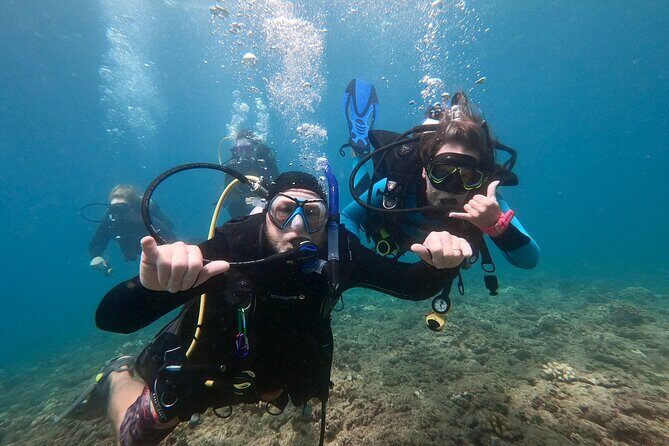
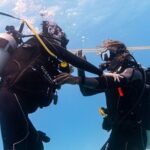
The core of this experience is straightforward: you start with learning basic scuba safety guidelines and essential skills from a certified PADI Instructor. What makes this valuable (especially for non-certified people) is the order of operations. You’ll learn what to do, then practice the skills where it’s easier to feel comfortable—at the surface.
That matters because “first time underwater” isn’t just about curiosity. It’s about control: how your body feels, how your breathing works, and how you follow instructions while the water does its thing. With this structure, you’re not thrown into the ocean and told to figure it out.
You’re also supported with one-on-one guidance in a calm environment. In practical terms, that means fewer “watch from the sidelines” moments and more time for your questions. If you learn best by doing (rather than listening), this format is built for you.
The surface practice that builds confidence fast
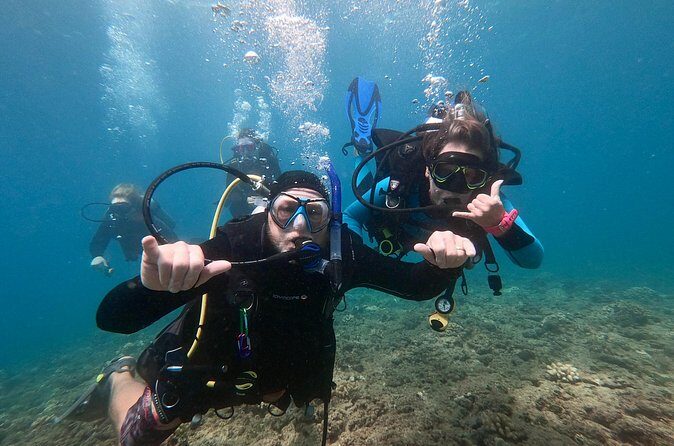
After the initial briefing, you’ll head out and practice at the surface with your instructor. This is where you get repetitions without the added pressure of going too far below. The goal is comfort: you learn the skills, you troubleshoot common learning issues early, and you settle into the routine of listening and responding underwater.
In my book, this is the difference between a scary day and a fun one. When people struggle with their first scuba introduction, it’s often not because they’re “bad at it.” It’s because they didn’t have enough time to get their bearings and understand how the gear and breathing rhythm work. Surface practice shortens that learning gap.
Expect the instructor to guide you step-by-step, and expect it to feel supportive rather than rushed. The emphasis on safety and patient coaching shows up clearly in the stories people share, including praise for instructors like Ken, Francesca, Brian, and Justin.
Two shallow underwater sessions with an instructor at your shoulder
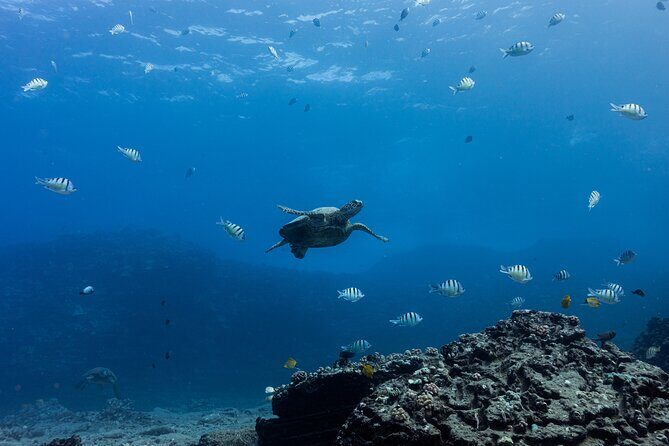
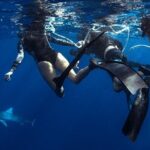
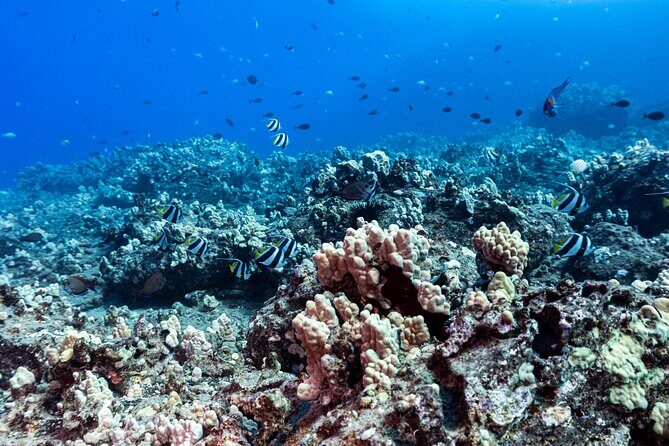
Once everyone feels comfortable, you move to two shallow underwater sessions guided by the PADI instructor. You’ll be exploring reef systems and marine life—the fun payoff—while still keeping it beginner-friendly with shallow, guided conditions.
This is where the small group format becomes more than a nice detail. With a maximum of 14 travelers, your instructor can keep a closer eye on each person’s comfort and progress. That’s important when you’re learning how to equalize, stay oriented, and follow safety cues.
Also, the experience is designed as a structured progression. You’re not doing random wandering. You’re doing guided exploration with an instructor who can correct things as they happen. For non-certified participants, that “correction in real time” is what turns first-time nerves into trust.



The boat break: views you’ll actually remember
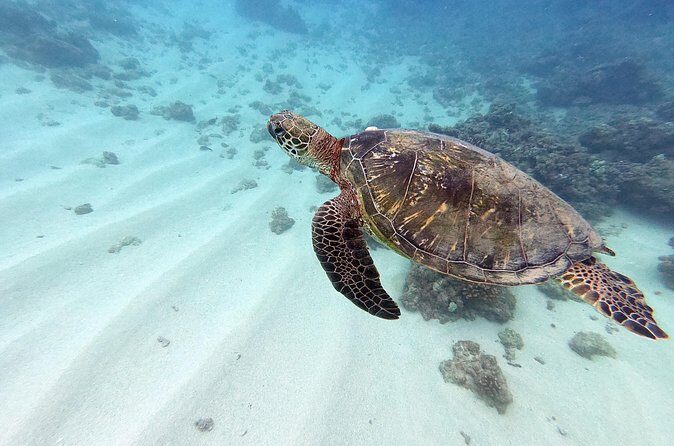
Between your underwater sessions, you’ll enjoy a break on the boat. This isn’t filler time. It’s part of the experience pacing, giving you a moment to reset and take in the scenery.
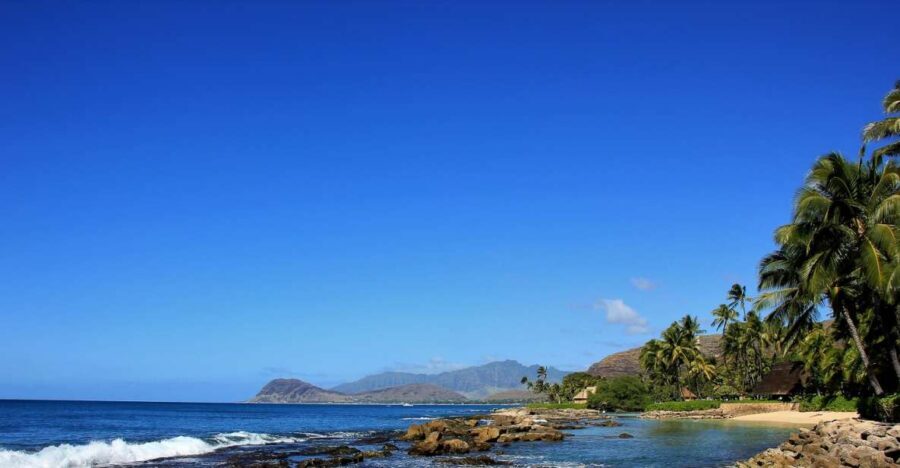
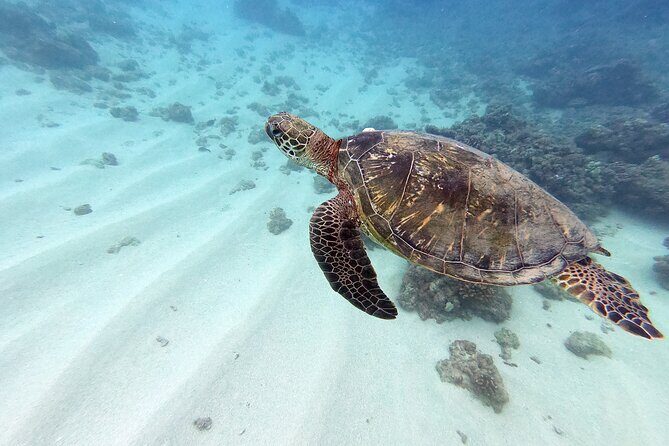
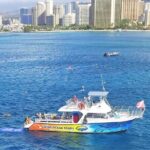
From the boat, you’ll get stunning views of Oahu’s coastline, including Diamond Head, Koko Head, and the ridgeline of Hanauma Bay. Even if you’re laser-focused on the water, it’s a nice reminder that you’re in Hawaii, not just in a class.
This break also helps you mentally shift gears. After learning and practicing, it’s good to have a calm moment where you’re not managing skills. You’ll come back for the second shallow session feeling more grounded, not frazzled.
Small-team energy with Aaron’s crew and Captain Garrett
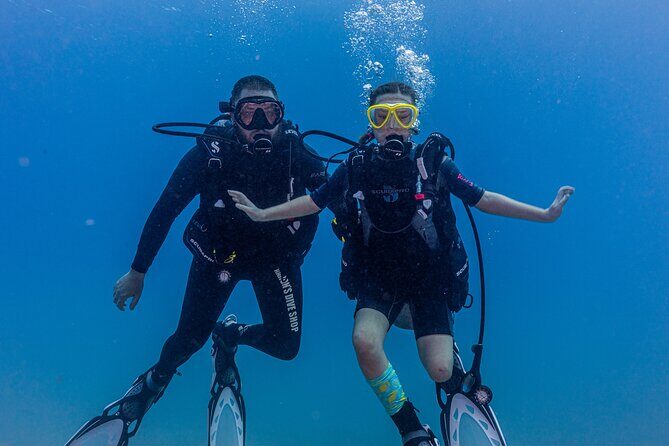
One reason people keep talking about this experience is the team dynamic. Captain Garrett is repeatedly mentioned, along with instructors including Ken, Francesca, Brian, and Justin. The pattern in feedback is consistent: friendly, patient instruction and a safety-first mindset.
For you, that’s a big deal. On a first scuba introduction, the instructor’s tone matters as much as the technical steps. If you feel rushed, you second-guess yourself. If you feel supported, you relax into the learning curve.
The fact that this trip runs with a maximum of 14 travelers also helps the whole thing feel human. You’re not lost in a crowd. You’re in a small group where questions get answered and adjustments happen without a long delay.
Price and value: is $237.69 worth it?
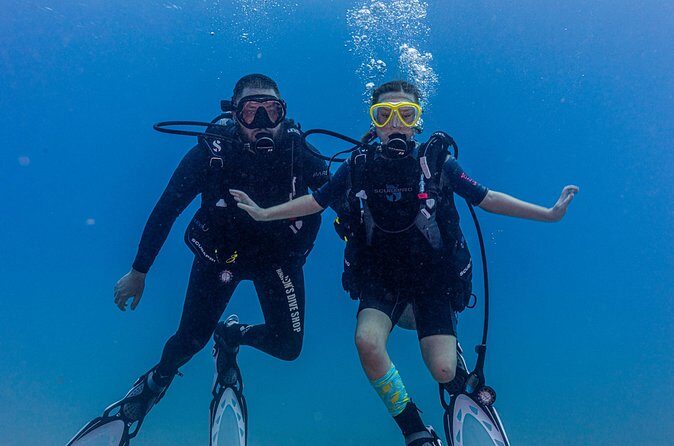
At $237.69 per person, this isn’t a cheap activity. But it also isn’t just “go get wet.” You’re paying for a full beginner pathway: PADI-led safety coaching, surface skills practice, two shallow underwater sessions, and guided instruction throughout. On top of that, you get a boat outing with serious Oahu views.
The value comes from the structure. If you’re a non-certified person who wants to try scuba without committing to a full certification track, this gives you a guided first experience with professional oversight. The alternative for many visitors is either guessing on their own (not ideal) or jumping straight into a certification schedule without knowing how they’ll feel underwater.
So the cost makes more sense if you’re treating it as a decision-making day: do you want to pursue scuba training later? If yes, this can be the most efficient first step. If no, you still walk away with a powerful memory and clear knowledge about what feels good for you.
Who should book this, and who should think twice
This experience fits best if you:
- are non-certified and want a true introduction
- learn better with structured teaching and one-on-one guidance
- want a guided plan with shallow conditions rather than an open-ended adventure
- enjoy coastal scenery and don’t mind a boat ride as part of the day
You might think twice if:
- you’re unable to meet the moderate physical fitness expectation
- you’re uncomfortable with the idea of completing a medical questionnaire before participating
- you expect a long, all-day underwater exploration. This is about two shallow sessions within about three hours
If you’re in that first-timer sweet spot, this is the kind of tour that can turn curiosity into a real skill—at a pace that doesn’t overwhelm you.
Should you book Discover Scuba on Oahu?
I’d book it if your goal is a safe, well-taught first scuba experience with plenty of support and a strong sense of team care. The small group size, the PADI instruction structure, and the surface-skills-first approach all point to a day built for learning—not just showing up.
I’d pause if you’re on the fence about whether you can handle the activity’s physical and medical requirements. The experience depends on a medical questionnaire and moderate fitness, so you’ll want to be honest with yourself before you commit.
If you want a memorable Oahu morning that mixes marine life with big coastline views, this one is a solid bet.
FAQ
Where does the experience start?
It starts at Maunalua Bay Beach Park, Honolulu, HI 96825, USA.
What time does it begin?
The start time is 10:30 am.
How long does Discover Scuba take?
It runs for about 3 hours.
Is this only for certified divers?
No. It’s designed for non-certified divers who want to try scuba for the first time.
How many people are in the group?
The maximum group size is 14 travelers.
What training do you do before going underwater?
You’ll learn basic scuba safety guidelines and essential skills from a PADI Instructor, then practice those skills at the surface.
Do you get one-on-one help?
Yes. You receive one-on-one guidance from the instructor during the surface practice.
What underwater experience is included?
You’ll take part in two shallow underwater sessions guided by the PADI Instructor.
What if the weather is poor?
If poor weather cancels the experience, you’ll be offered a different date or a full refund.