REVIEW · HONOLULU
Honolulu: Historic Downtown Segway Tour
Book on GetYourGuide →Operated by Sidewalk Surfing Tours · Bookable on GetYourGuide
Segways make Honolulu feel easy and fast. I love how a Japanese-speaking guide helps you get comfortable quickly, and I love the way you roll past major sights like Iolani Palace without doing a long, on-foot crawl. The one consideration: you’ll be traveling on city sidewalks with curb edges and steps, so steady footing matters.
What makes this tour especially fun is the small group size, capped at 7, which means you’re not lost in a crowd when you need a quick adjustment or a photo pause. You’ll see historic landmarks tied to Hawaii’s story, plus street art at Kaka’ako, then move into Chinatown and downtown entertainment stops.
At $155 per person for about 2 hours, the price makes sense if you value time and convenience. You’re not just paying for narration—you’re also getting the helmet, a safety briefing, and a practice session so the machine part doesn’t eat your vacation time.
In This Review
- Key highlights worth knowing
- What This 2-Hour Segway Tour Covers in Honolulu
- Meeting at the Food Trucks near Kewalos Basin Park
- Safety briefing and the practice that helps first-timers
- Kaka’ako murals to Mission Houses: downtown highlights by glide
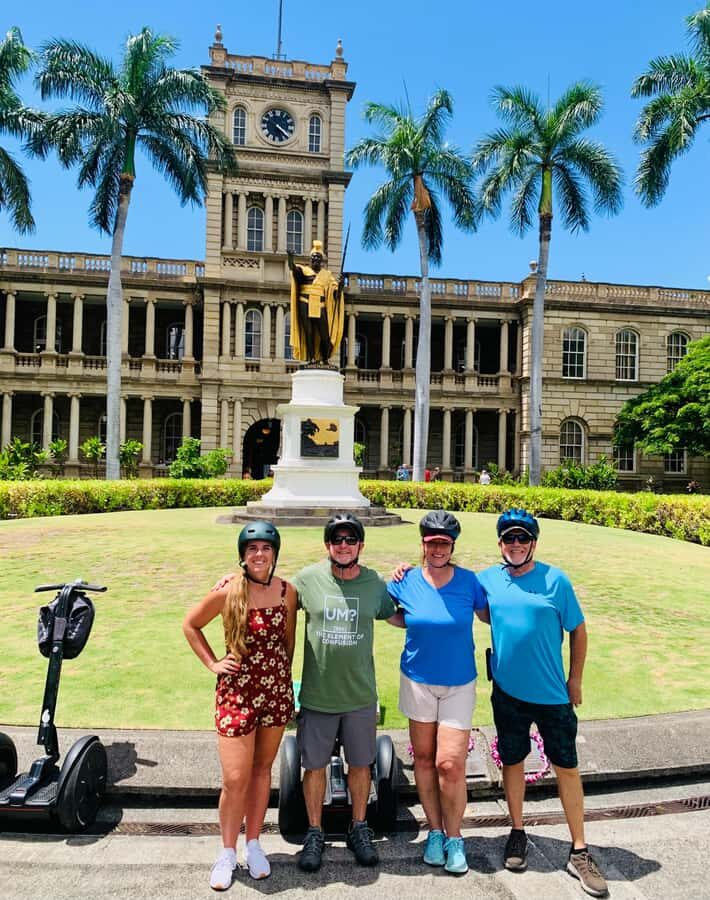
- Royal Honolulu stops: Kamehameha Statue, Kawaiahao Church, Ali’iolani Hale
- Iolani Palace, State Capitol, and the Vietnam/Korean War Memorial on one route
- Chinatown, Hawaii Theater, and Aloha Tower in your final stretch
- Ala Moana Beach ride: using the last minutes well
- Price, group size, and why this cost can make sense
- Who this Segway tour fits best (and who should skip it)
- FAQ
- How long is the Honolulu Historic Downtown Segway Tour?
- Where do we meet?
- Is a helmet provided?
- What languages are available for the live guide?
- What should I bring?
- How big is the group?
- Should you book this Honolulu Segway tour?
Key highlights worth knowing
- Fluent Japanese support from the instructor, including help for first-timers
- Hands-on practice before you join the real sidewalks
- Downtown concentration: palaces, capitol, memorial, Chinatown, and Aloha Tower in one run
- Kaka’ako wall art sightings built right into the route
- Ala Moana Beach finish for a gentler ending after busy downtown streets
What This 2-Hour Segway Tour Covers in Honolulu

This is a classic “see a lot, stay moving” Honolulu experience. In roughly 2 hours, you’ll glide through historic downtown and its surrounding neighborhoods, guided the whole time so you’re not guessing where to point your camera or when to stop.
The tour’s real strength is the mix. You get the big-name landmarks—like Mission Houses, Kawaiahao Church, Ali’iolani Hale, and the King Kamehameha Statue—but you also get the street-level texture of Honolulu. The Kaka’ako murals and the Chinatown blocks add variety, so it doesn’t feel like a single-theme museum day.
At the end, you get a breather: a ride along Ala Moana Beach. That final stretch is a nice reset because you’re shifting from dense downtown sights to something more open and relaxed.
One practical note: the experience is designed around gliding on sidewalks. That means you’ll want to think like a city walker—comfortable shoes, good balance, and patience around curbs and intersections. If you’re okay with that, this format is a great way to compress a lot of Honolulu highlights into a short window.
You can also read our reviews of more historical tours in Honolulu



Meeting at the Food Trucks near Kewalos Basin Park
You meet near the water at Kewalos Basin Park pier. Look for the large letter sign that says FOOD TRUCKS—that’s your visual cue. You’ll also be close to the Makani Catamaran tour counter.
If you’re arriving from the Ala Moana/Magic Island side, you may hear directions that place you near L&L BBQ and the east side of Ala Moana Park. Either way, the key is the same: find the food truck area and the spot where the group gathers before heading into the practice area.
This meeting setup matters because it makes the start feel organized rather than chaotic. You’re meeting in a clear, easy-to-spot landmark zone, then you get your equipment and safety steps before rolling out into downtown.
For planning, give yourself a little buffer. Even if you know the area, it’s smart to arrive early enough to check in, get helmeted, and settle before the practice session begins.
Safety briefing and the practice that helps first-timers
Before you see the big sights, you’ll go through a safety briefing and a practice session. The goal is simple: you learn how to steer, balance, and stop so you’re not white-knuckling your way through the first intersection.
In the reviews, the instructors get praised for exactly this. People who were trying Segways for the first time say they got comfortable fast, especially with clear, friendly coaching in Japanese. One highlight that stood out: the instructor watches for uneven ground and helps you handle steps and curb edges safely, which is a real deal on Honolulu sidewalks.
This practice part is also where small-group size pays off. With fewer people, you’re more likely to get the quick corrections that keep you confident. And if you’re traveling with kids, this kind of coaching matters—one review mentioned a 10-year-old doing great because the instruction was calm and structured.
What to bring ties directly into this phase and the rest of the ride: comfortable shoes, a hat, sunscreen, and water. You’ll be outside, and the tour is built around movement, not sitting in climate-controlled comfort.
Kaka’ako murals to Mission Houses: downtown highlights by glide
Once you’re rolling, the route quickly delivers that Honolulu “layers” feeling. You start with the city’s visual street side—then you transition into the older downtown landmarks.
A standout early moment is Kaka’ako, where you’ll glide past wall art murals. This is the kind of stop that works even if you’re not a hardcore street-art person. The murals are made for stopping and looking, and the Segway format helps because you can stay oriented while still getting the scenic payoff.
From there, you move into the more historic feel of downtown. You’ll see the Mission Houses, Kawaiahao Church, and Ali’iolani Hale while your guide keeps you moving at an easy pace. The value here isn’t just the list of names—it’s the flow. With a Segway, you’re not stuck doing a long walking loop under the sun. You’re able to keep momentum while still viewing multiple landmarks that would otherwise take more time to reach.
If you like tours that mix famous buildings with street-level atmosphere, this portion is where you’ll feel it most. You get variety without losing continuity.
One possible drawback to keep in mind: because you’re riding, your time at each stop is naturally limited. This isn’t a long sit-and-explore day. Think of it as a guided visual pass where you soak in what you can and keep the energy moving.
Royal Honolulu stops: Kamehameha Statue, Kawaiahao Church, Ali’iolani Hale
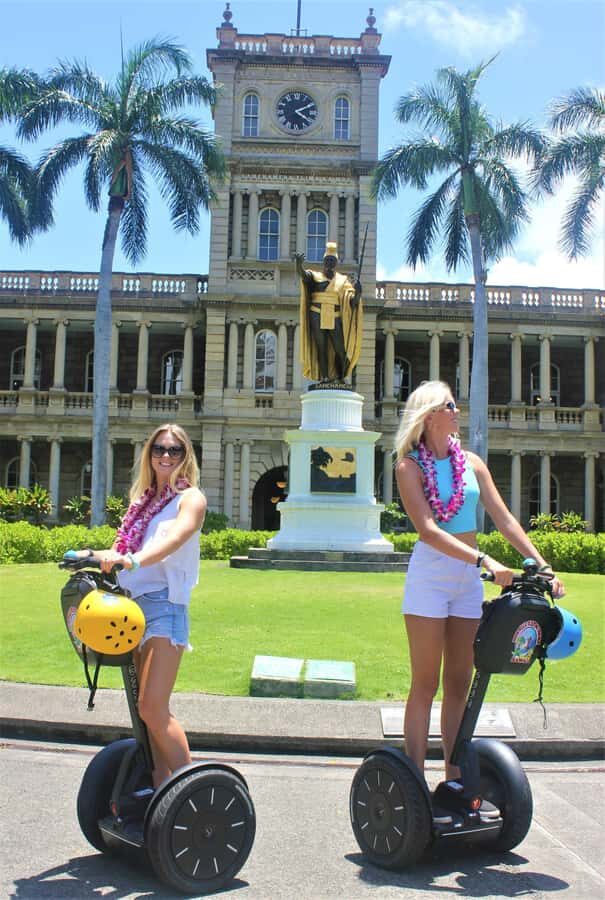
This tour’s downtown identity really shows in the royal and civic landmarks. You’ll admire the King Kamehameha Statue and roll past Iolani Palace and Ali’iolani Hale, plus the church stop at Kawaiahao Church earlier in the day.
Why these places work well on a Segway tour: they’re all part of one compact “story corridor.” Instead of hopping between separate neighborhoods on your own, your guide strings together nearby sights so you get a sense of how downtown connects.
The King Kamehameha Statue is a great example of what to expect from this route—big, recognizable, and ideal for a quick photo moment. With the guide controlling pace, you can spend less time navigating and more time framing your shot.
Also, language support matters here. Reviews highlight instructors who are fluent in Japanese and explain things clearly. If you’re not fluent in English, that coaching can make the ride feel more personal—less like you’re following arrows and more like you understand what you’re seeing.
Just remember the “moving” nature of the experience. You’ll get the key views, but this is still a 2-hour tour, so plan to enjoy the stops quickly, not to linger for long reading sessions.





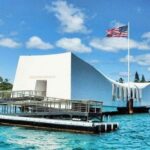
Iolani Palace, State Capitol, and the Vietnam/Korean War Memorial on one route
Downtown Honolulu turns especially meaningful when you hit the mix of governance, heritage, and remembrance. After the royal/civic landmarks, you’ll continue past the State Capitol and the Vietnam/Korean War Memorial.
This stop order is smart because it adds emotional variety. You go from palaces and statues to a memorial setting, then onward into downtown streets. If you’ve ever felt like sightseeing days are all “pretty buildings,” this kind of sequence adds balance without turning the tour into a heavy experience.
The State Capitol moment is also a good contrast point: it’s civic architecture rather than royal symbolism. Seeing it in motion on a Segway keeps the day feeling efficient while still giving you recognizable sightlines.
The Vietnam/Korean War Memorial is the kind of landmark where respectful attention matters. Your best approach is the same as anywhere: slow your pace mentally, take a moment to look, and then keep going when the group moves.
The guide’s role here is practical. They manage timing between stops so you’re not stuck waiting on traffic and you’re not rushing through things you might want to notice. That’s one reason small groups help—less chaos means smoother transitions between the stops.
Chinatown, Hawaii Theater, and Aloha Tower in your final stretch
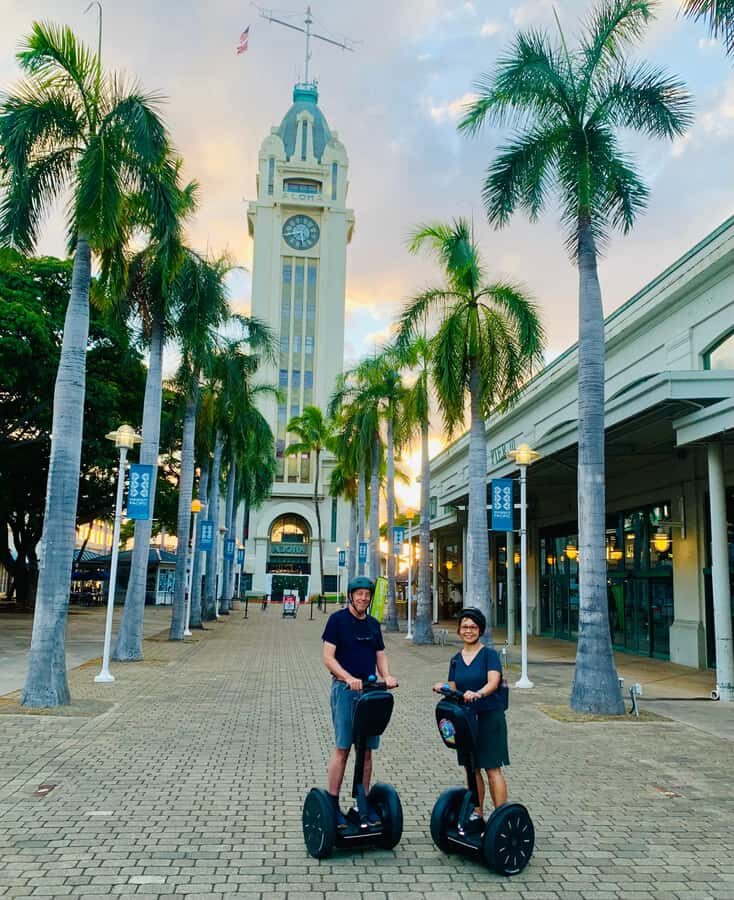
After the core historic/civic stretch, you’ll shift into downtown’s entertainment and neighborhood texture: Chinatown, the Hawaii Theater, and Aloha Tower.
Chinatown is a perfect Segway contrast because it’s visually busy. You’ll get quick views while your guide helps keep the route simple. This is the kind of area where, if you walked, you might feel like you’re constantly weaving around people and storefronts. On a Segway tour, your route is guided, which keeps you from getting turned around.
The Hawaii Theater and Aloha Tower stops add a downtown landmark feel—places you can recognize and photograph without needing to hunt for them. And because these are late in the tour, they work like “closing chapters” for the day.
One small detail I appreciate: with the guide present, you’re more likely to hit good photo spots on schedule. In the reviews, the instructor is praised for taking pictures at photo moments, which is huge if you’re traveling as a couple or solo. It also reduces the awkward moment of asking strangers to shoot your group.
Ala Moana Beach ride: using the last minutes well
The tour’s ending is intentionally different. After downtown landmarks and busy streets, you’ll finish with a ride along Ala Moana Beach.
This matters because it changes the pace. You’re wrapping up with a route that feels less “tight downtown,” so your brain gets a calmer sensory shift before the tour ends. Even if it’s just a short segment, it’s a smart payoff for the effort you put in during the historic portion.
Also, it’s a practical way to end for first-timers. If you’re still getting comfortable with balance, having the final segment be a known, flatter-feeling environment can help you finish the day confidently.
Your best move here is to stay hydrated and keep your attention on the road. You’ll still be riding—just in a different setting.
If you’re curious about the overall flow: the tour is built so you learn to ride, then you see the core sights, then you end with a softer, more scenic finale.
Price, group size, and why this cost can make sense
$155 per person for about 2 hours is not a low-cost activity, so you want to judge it on value, not sticker price.
Here’s what you’re paying for:
- A live guide (English and Japanese)
- Helmet and a full safety briefing
- A practice session before you head into real traffic
- A compact route that strings together many recognizable landmarks
- A small group limit (up to 7), which improves the coaching experience
If you tried to recreate this on your own, the hardest part wouldn’t be finding the attractions—it would be coordinating Segway rental, choosing a safe and efficient route, and managing the learning curve. This tour solves those problems up front.
Reviews also point to tailoring and attention during the ride. One review mentioned the guide adapting the route to the group’s wishes, and several mention fast comfort for first-timers. When the instruction is that solid, the activity feels less intimidating and more like a fun way to see Honolulu efficiently.
The “watch-outs” for value are also real:
- You’re outdoors and moving, so hot sun and fatigue are part of the deal.
- It’s still a sightseeing glide, so you won’t get museum-style time at every stop.
If you want maximum Honolulu coverage with minimum downtime, the price is easier to justify.
Who this Segway tour fits best (and who should skip it)
This tour is best for you if:
- You’re comfortable with a short ride learning balance
- You want a guided route that hits many downtown landmarks in 2 hours
- You’d enjoy seeing Kaka’ako murals plus major sights like Iolani Palace and Aloha Tower
- You prefer a small group so instruction feels personal
It may not be the right fit if:
- You’re pregnant (not suitable)
- You have mobility impairments (also not suitable)
- You struggle with walking over curb edges and steps, since the ride stays on city sidewalks
One more smart fit check: consider your energy level. This is not an all-day tour, but it is active. Bring the hat, sunscreen, and water, and wear shoes you’d use for a good city walk.
If you’re traveling with family, the reviews suggest it can work well for kids too, especially when the instructor’s guidance is clear and patient.
FAQ
How long is the Honolulu Historic Downtown Segway Tour?
The tour lasts about 2 hours.
Where do we meet?
You meet next to the food trucks and the Makani Catamaran tour counter at Kewalos Basin Park pier. There’s a large sign that says FOOD TRUCKS.
Is a helmet provided?
Yes. A helmet is included.
What languages are available for the live guide?
The live guide offers English and Japanese.
What should I bring?
Bring comfortable shoes, a hat, sunscreen, and water.
How big is the group?
The group is limited to 7 participants.
Should you book this Honolulu Segway tour?
Book it if you want a time-efficient way to see Honolulu’s historic downtown and its street-art side—without spending hours walking between distant stops. The included helmet, safety briefing, and practice session make it a good choice for first-timers, especially if you’d like instruction in Japanese. I’d also lean toward this tour if you like your sightseeing guided, with photo moments handled for you.
Skip it if you need step-free mobility options or if you’d rather do a slower, longer exploration with lots of stationary time. This tour is built for gliding and moving, not for lingering.
If you’re in the “I want the highlights, but I don’t want the hassle” mindset, this one is a solid pick.