REVIEW · OAHU
Private Surf Lesson 100% support any level 90mins is perfect time
Book on Viator →Operated by Island Fiel Surf · Bookable on Viator
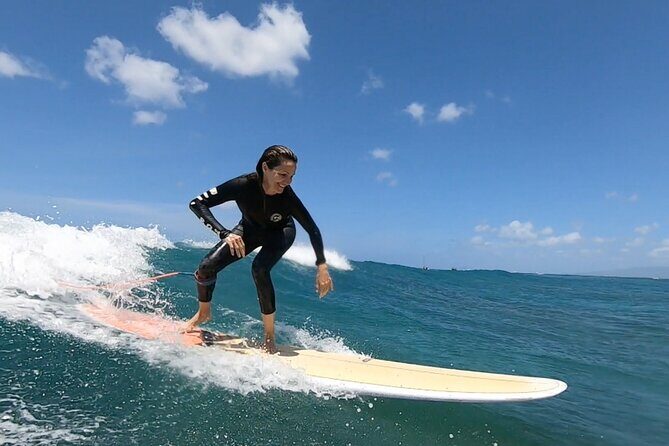
Fresh waves, zero guesswork. This private Oahu surf lesson keeps things focused with a custom land demo and coaching that’s built for your level. You’ll get a 90-minute session that’s long enough to learn, try, and actually feel progress in the water.
What I like most is the way Eddie teaches. You’re not just handed a board and told good luck; you get a short on-land fundamentals and ocean-safety run-through aimed at your questions and comfort level. I also like the practical gear setup, including the Excel dry suit top or rash guard, reef shoes, and an NSP longboard, plus secured lockers for your stuff.
One thing to consider: the photos and videos are included, but extra video formats (like Go-Pro links or edited packages) cost extra. If you want the full edited video, plan for that added spend.
In This Review
- Key highlights before you book
- Private Surf Lessons on Oahu: 90 Minutes That Actually Helps You Catch Waves
- Where You Meet at Pau Hana Sailing (and Why This Matters for Timing)
- The 10–15 Minute Land Demo: Learn the Basics Without Overthinking
- Gear You Get: Dry Suit Top or Rash Guard, Reef Shoes, and an NSP Longboard
- Ocean Time: What 1 Wave Every 5 Minutes Feels Like
- Coaching for Any Level: What Changes Between First-Timers and Advanced Beginners
- Photos and Video: Included Memories, With Optional Paid Upgrades
- Price on a Private Lesson: Is $130 Worth It?
- What It’s Really Like on the Beach: Energy, Patience, and Real Ocean Focus
- Tips for Getting the Most Out of Your 90 Minutes
- Who This Surf Lesson Fits Best
- Should You Book Island Fiel Surf for a Private Lesson?
- FAQ
- How long is the private surf lesson?
- Where does the lesson start?
- Is this lesson private or shared with other groups?
- What gear is included?
- What about photos and video?
- What happens before you go into the water?
- Does it depend on weather?
Key highlights before you book
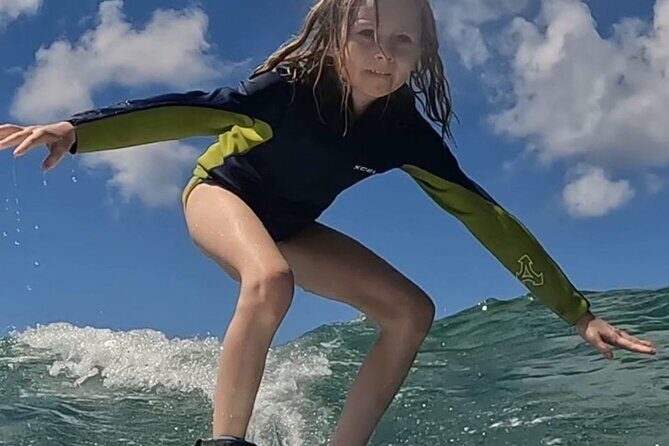
- Private, 90 minutes, any level: Just your group, with time built for learning and multiple attempts.
- 10–15 minute land demo first: You practice the fundamentals and ocean safety before you enter the surf.
- Equipment included: Dry suit top/rash guard, reef shoes, and an NSP longboard.
- Wave time goal: You can expect about one wave every 5 minutes or less on average.
- Photos included + video upgrades available: You’ll have memories now, with optional paid upgrades for video.
Private Surf Lessons on Oahu: 90 Minutes That Actually Helps You Catch Waves
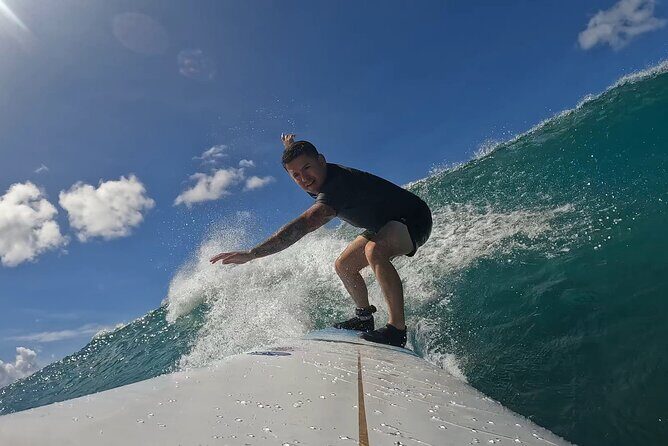
A private surf lesson on Oahu is one of those activities that can either be super inspiring… or frustrating. The good news here is the format is built to reduce both. You’re in the water long enough to learn something, apply it, and then try again with tweaks instead of starting over every five minutes.
This lesson also has a clear teaching rhythm. First you get a custom land demo (10 to 15 minutes) where your instructor covers basics and ocean safety. Once you’re comfortable and your questions are answered, you head out with the instructor. For me, that matters because surfing isn’t just about balance; it’s about reading the ocean and staying safe while you learn.
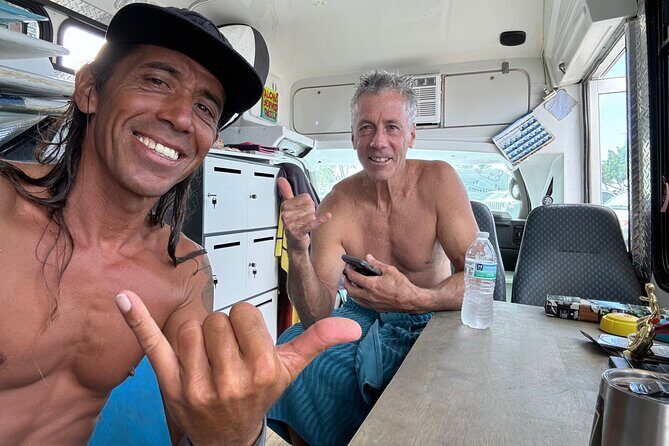
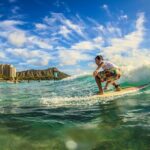
The vibe counts too. Eddie’s style, as you’ll see through the stories and the energy on the beach, is positive and hands-on. People talk about his patience, his ability to spot what’s off, and his feel for the lineup. You might even catch him doing athletic moves while surfing—one description mentions handstands—because he’s not only teaching, he’s showing what’s possible.
You can also read our reviews of more private tours in Oahu
Where You Meet at Pau Hana Sailing (and Why This Matters for Timing)
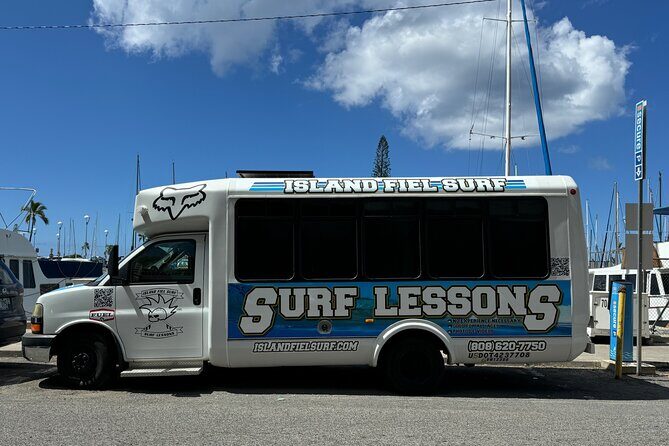
You’ll start at Pau Hana Sailing, 1651 Ala Moana Blvd, Honolulu, HI 96815. The activity ends back at the meeting point, so you’re not stuck figuring out how to get home with wet gear and a tired brain.
This location is handy if you’re basing yourself around Waikiki/Ala Moana. It’s also listed as near public transportation, so it’s not a “hire a car or do nothing” situation. For a 90-minute lesson, that convenience is more valuable than it sounds.
Time-wise, the lesson keeps you from drifting. You’ll have about 5 minutes to prepare you with the equipment, then the ocean time starts when you enter the ocean. That means your instruction isn’t paused for half an hour while everyone waits around—something that can happen with longer group tours.
The 10–15 Minute Land Demo: Learn the Basics Without Overthinking
Before you step into the ocean, you get a 10 to 15 minute land demo. This is where the lesson earns its reputation. Eddie (and the team) goes over the fundamentals of surfing and ocean safety, and the demo is custom to you so you’re not memorizing generic lecture points.
Here’s what I love about that approach: surfing is part technique and part judgment. If you only learn the stance and board control, you’ll still feel lost when waves, currents, and timing don’t behave. Ocean safety fundamentals give you the confidence to focus on surfing rather than panic-checking every wave.
Also, the instructor doesn’t rush you. The lesson flow is: demo, questions, and then you enter the ocean when you feel comfortable. That extra patience is especially important if you’re a nervous first-timer or if you haven’t been in open water much. You get to ask the things you’d otherwise keep to yourself.
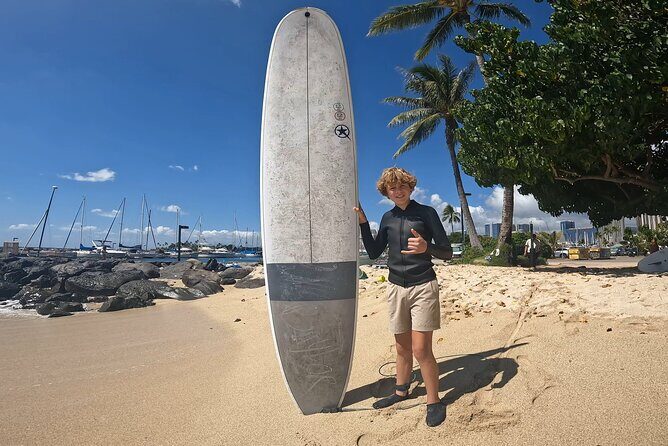
Gear You Get: Dry Suit Top or Rash Guard, Reef Shoes, and an NSP Longboard
The equipment list is refreshingly straightforward, and it covers the basics you’d otherwise have to rent or shop for.
Included gear:
- Excel dry suit top or rash guard
- Reef shoes
- NSP longboard
- Secured lockers for your belongings
Why this matters for your results: the right gear helps you stay warm and confident. Reef shoes protect your feet, which lets you focus on standing up instead of worrying about where you’re stepping. The dry suit top/rash guard also helps you stay comfortable for the full session.
Board choice is another key detail. The listing says you’ll get an NSP longboard, but the coaching experience suggests the instructor selects what makes sense for your level. One advanced beginner story mentions being put on a more technical board instead of the biggest, easiest option—and still making it work. In plain terms: don’t assume the board will be the absolute easiest possible. The goal is success, and the instructor seems willing to match you to the board that helps you progress.
Ocean Time: What 1 Wave Every 5 Minutes Feels Like
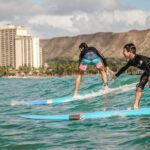
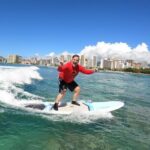
Once you enter the ocean, the lesson really starts. The plan is to get you into the surf quickly, and the experience is designed so you can take multiple tries rather than waiting for one perfect set.
The lesson promise is average 1 wave every 5 minutes or less. Even if you’re not surfing the whole time, those repeated attempts matter. Each wave becomes feedback: you learn what happens when you’re too far back, too late, or holding your breath too long. That’s how you turn a scary experience into something you can control.
You’ll also get instruction while you’re riding or preparing to ride. Eddie’s teaching is described as riding with you and improving your technique in real time. That is the difference between knowing a concept and actually doing it.
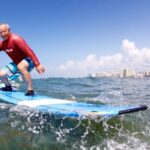
If you’re an advanced beginner, expect targeted tweaks. People describe catching lots of waves and even riding for long stretches, like about a minute at a time, once the fundamentals clicked. That kind of progress in one session usually comes from clear coaching plus consistent wave attempts.
You can also read our reviews of more tours and experiences in Oahu

Coaching for Any Level: What Changes Between First-Timers and Advanced Beginners
The lesson is built for any level, and in practice that means the coaching emphasis adjusts.
For first-timers or nervous learners:
- You’ll likely spend more time on getting comfortable with the ocean and timing basics.
- The land demo and safety talk become part of your confidence.
- The instructor should keep you feeling successful, not just “technically correct.”
For advanced beginners (people who can stand, maybe even pop up on small waves):
- You’ll move faster into refinement: positioning, turning, trimming, and reading wave behavior.
- Board choice can shift based on what helps you ride longer and with more control.
- You should get feedback meant to stretch your rides from getting up to staying in motion.
Across both groups, the big theme is success. The lesson isn’t framed like you’ll be ready for shortboarding after one class. It’s framed like you’ll leave with real surfing ability plus ocean comfort, which is honestly the better goal.
Photos and Video: Included Memories, With Optional Paid Upgrades
You’ll get surf photos included, and videos are available for purchase. The listing also offers extra options tied to Go-Pro footage, with set prices:
- Go-Pro video savable link: $39.99
- SD-card: $49.99
- Complete edited video: $74.99
Here’s how I think about this: in a sport like surfing, the hardest part is remembering how it felt while you were wiping out, then popping up, then finally getting a clean ride. Photos help you relive the wins. Video can help you diagnose what you did right or wrong.
If you don’t care about editing and just want proof you caught waves, the included photos should do the job. If you want the full story as a movie—especially if you’re sharing with family—budget for the paid video options.
Price on a Private Lesson: Is $130 Worth It?
At $130 per person for about 1 hour 30 minutes, this sits in the “do it once and do it well” category. Whether it’s worth it depends on what you want out of the day.
Here’s the value logic:
- You’re paying for private coaching, which usually means more direct feedback.
- You’re getting gear included: rash guard or dry top, reef shoes, and an NSP longboard.
- You’re getting a structured teaching plan: land demo, prep, then ocean time with repeated wave attempts.
If you were to rent gear and figure out lessons on your own, you’d spend time and money anyway—and still feel unsure. This lesson turns that uncertainty into a guided sequence.
Also, there are group discounts and the experience is private (so your group stays together). If you’re traveling with someone and both of you want the lesson, it’s a smart way to get maximum attention without paying a “group tour” compromise price.
What It’s Really Like on the Beach: Energy, Patience, and Real Ocean Focus
A surf lesson can feel like performance training, or it can feel like a supportive science experiment where you try, fail, learn, and try again. This one leans supportive.
Eddie’s approach is described as patient and kind, with positivity that keeps people calm when the ocean gets loud. One parent story emphasizes extra time to ensure their son felt successful. That’s a big deal, because kids (and adults too) often learn fastest when they feel safe.
There’s also a standout element: Eddie rides hard and shows off athletic ability while still coaching. One story talks about him doing handstands while surfing and moving through the break with strength. You don’t need to be impressed by the tricks. The point is that his confidence in the ocean translates into better instruction.
Finally, there’s community energy. People describe him as friendly with others on the beach and genuinely caring. That matters because you’ll feel less like you’re intruding and more like you’re part of the ocean day.
Tips for Getting the Most Out of Your 90 Minutes
You’ll get a better lesson if you show up ready to learn, not just ready to get wet.
A few practical moves:
- Ask your safety questions early during the land demo so ocean time is calmer.
- Listen for your instructor’s feedback after each attempt; surfing progress comes from adjusting fast.
- Wear what you’re comfortable in. If you’re offered a rash guard or dry suit top, trust that they’re matching you to comfort needs.
- If you’re upgrading video, decide ahead of time what you want. Photos alone might be enough, but edited video costs more.
And one thing I’d do if I were planning this day: keep your expectations grounded. You might not be carving big lines after one class, but you should leave with wave confidence and a clear sense of what to practice next.
Who This Surf Lesson Fits Best
This lesson fits best if:
- You want a private experience rather than a crowded group session.
- You’re nervous about ocean safety and want it explained before you go in.
- You’re learning from scratch or you’re an advanced beginner who wants faster progress.
- You care about instruction during real wave attempts, not just on-land tips.
If you’re an expert surfer looking for a highly technical coaching program, you might find the lesson more basic than what you want. But if you want comfort, safety, and clear coaching toward catching rides, it’s a strong choice.
Should You Book Island Fiel Surf for a Private Lesson?
If you’re deciding between a casual try-it surf moment and a real lesson that respects your learning curve, I’d book this. The biggest reason is the structure: land demo for fundamentals and ocean safety, then ocean time designed around repeated wave attempts. Add included gear and a private setup, and the $130 price feels less like a gamble and more like paying for an organized path to progress.
Book it if you want:
- a calm start with safety instruction,
- lots of chances to catch waves,
- and coaching from someone like Eddie who brings energy and patience in equal measure.
Skip it only if you know you won’t be motivated by learning basics again, or if you’re trying to stay ultra-budget and don’t want any paid video options on top.
FAQ
How long is the private surf lesson?
It runs about 1 hour 30 minutes.
Where does the lesson start?
The meeting point is Pau Hana Sailing, 1651 Ala Moana Blvd, Honolulu, HI 96815, USA.
Is this lesson private or shared with other groups?
It’s private. Only your group participates.
What gear is included?
You get an Excel dry suit top or rash guard, an NSP longboard, reef shoes, and secured lockers for your belongings.
What about photos and video?
Surf photos are included, and videos are available for purchase. Go-Pro-related options are listed as additional paid items.
What happens before you go into the water?
You’ll have a 10 to 15 minute land demo covering surf fundamentals and ocean safety, then about 5 minutes to prepare with the equipment.
Does it depend on weather?
Yes. The experience requires good weather, and if it’s canceled due to poor weather you’ll be offered a different date or a full refund.