REVIEW · OAHU
Honolulu Night Marchers Ghost Tour
Book on Viator →Operated by Mysteries of Hawaii · Bookable on Viator
Honolulu at night feels like a different planet. This Honolulu Night Marchers Ghost Tour turns Downtown Honolulu into a living story, mixing Native Hawaiian mythology with reported nighttime activity as you walk. It’s a compact, 90-minute format with a start time set for 7:00 pm—perfect if you want something spooky without losing your whole evening.
I really like two things here: the way Master Storyteller Lopaka Kapanui shares the stories, and the strong emphasis on culture instead of just jump scares. You’ll also get a dose of what’s described as documented haunting accounts, plus visuals like photos and videos that help frame the tales.
The main drawback is simple: being late can make the tour feel confusing. One visitor noted they missed the introduction, and that’s when the storytelling clicks best, so plan to arrive early at the statue.
In This Review
- Key Things That Make This Tour Worth Your Night
- Downtown Honolulu Turns Into a Night Marcher Map
- Meeting at King Kamehameha I Statue (and Why Timing Matters)
- What Happens During the 90 Minutes (Stop 1, Lots of Meaning)
- The visuals part
- Pakaka and Night Marcher Paths: The Cultural Layer Behind the Spooks
- Lopaka Kapanui’s Storytelling Style (Warm, Interactive, and Serious When It Counts)
- Bonus: small human details
- Price and Value: $35 for a Cultural Ghost Walk in Downtown
- What to Bring (So You Can Enjoy the Walk, Not Just Endure It)
- Is It Scary, Cultural, or Both? (A Balanced Expectation Check)
- Booking Tips: How Far Ahead to Plan
- Should You Book the Honolulu Night Marchers Ghost Tour?
- FAQ
- How much is the Honolulu Night Marchers Ghost Tour?
- How long is the tour?
- Where is the meeting point and what time does the tour start?
- What language is the tour offered in?
- What is the maximum group size?
- Is free cancellation available?
- What happens if the weather is bad?
Key Things That Make This Tour Worth Your Night
- Native Hawaiian-led storytelling with Lopaka Kapanui setting the tone
- Downtown Honolulu after dark, paced as an easy walking route
- Night marcher paths tied to the story of Pakaka and old Hawaiian temple grounds
- Photos and videos used as part of the accounts, not just scary descriptions
- Small group limit (max 50), which keeps the vibe from turning into a herd
- Weather-dependent timing, so you’ll want a backup plan if conditions are bad
Downtown Honolulu Turns Into a Night Marcher Map

If you think Downtown Honolulu is all shopping malls and office towers, this tour gives you another way to see it. The focus is the night marcher tradition—described here as trails that run through the city’s built environment and connect to older sacred places. You’re not just hearing ghosts-as-a-hobby. You’re getting a cultural framing for why certain routes and places are remembered.
What I like is that it’s not trying to sell you a single explanation for everything. The experience is built around story, place, and personal testimony, presented by a Native Hawaiian guide. That matters, because the “scary” part is tied to meaning, not random spooky noise.
And the setting is right for it. Downtown Honolulu at night has that mix of lit streets, dark corners between buildings, and sudden silence when the crowd thins. It’s the kind of environment where you start noticing how the city is layered—old routes beneath modern streets.
You can also read our reviews of more evening experiences in Oahu



Meeting at King Kamehameha I Statue (and Why Timing Matters)
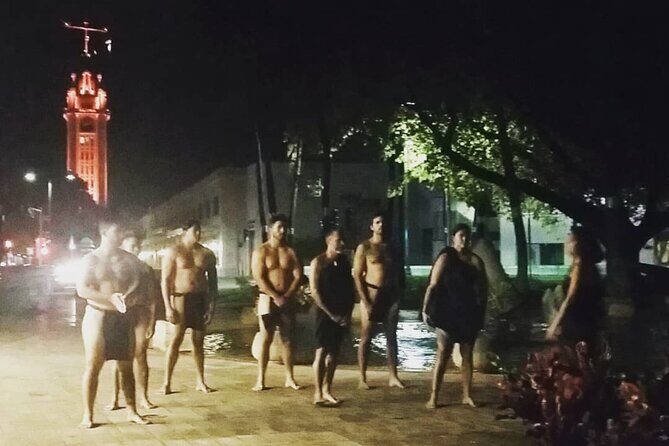
You’ll start at the King Kamehameha I Statue, 447 S King St, Honolulu. The tour begins at 7:00 pm, and it returns to the same meeting point at the end, so you’re not stuck figuring out transit after you’ve wrapped your spooky stories.
Here’s the practical tip: arrive a bit early, even if you’re excited. The tour’s flow relies on its opening setup, and someone who showed up late said the stories felt broken because they missed the introduction. When the guide is establishing context and pacing, it’s the difference between “spooky fun” and “wait, what am I hearing?”
Also, plan on being outdoors. This is a walking ghost tour in Downtown Honolulu, so good shoes matter more than bravado. If you’re sensitive to night walks, take a minute before you start and decide how you want to handle darker streets and corners.
What Happens During the 90 Minutes (Stop 1, Lots of Meaning)
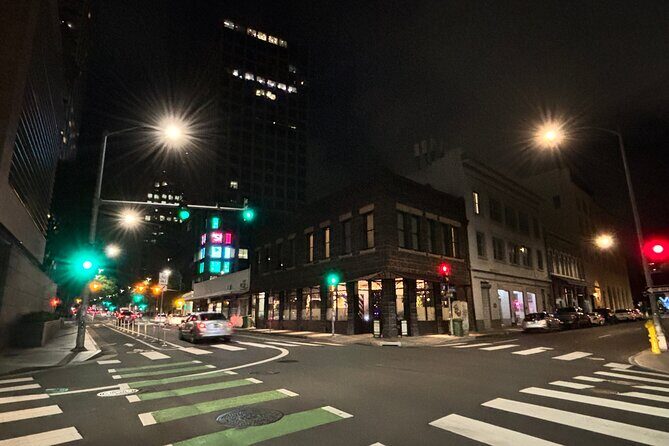
This experience is built around one main area: Downtown Honolulu. It’s described as a 90-minute walking tour, and in practice that means you’ll move at a storyteller’s pace—enough walking to feel like you’re traveling through the city, but not so much that you’re sprinting between stops.
At the start, the tour sets up a simple premise: people who work in Downtown often share haunted building stories. Those stories include things like shifting shadows, objects allegedly being moved, and the classic chills that don’t come from air conditioning. You’ll also hear about night marcher paths—routes connected to older Hawaiian sacred spaces and remembered through local accounts.
As you walk, the guide ties the city’s modern look back to what’s underneath it: older landscapes, old routes, and places where sacred structures once stood. The key connection here is the story of Pakaka, described as an ancient sacrificial heiau (Hawaiian temple). The night marcher trails are presented as paths that tend to end where Pakaka once stood.
Even if you’re not the “paranormal believer” type, this format works because it’s structured like an urban legend tour with cultural interpretation. You’re learning the “why” behind the fear, not only the “what.”
The visuals part
One reason this tour gets such strong marks is the storytelling includes images and videos. That shows up in people’s comments about chilling content and “proof-like” material. I’d treat the visuals as part of the narrative—because the goal here is to share accounts and context, not hand you lab results.
Pakaka and Night Marcher Paths: The Cultural Layer Behind the Spooks
The night marcher concept is presented in a way that connects modern streets and buildings to older sacred geography. That’s important on Oʻahu, because the island’s history doesn’t sit neatly in museums. It’s woven into names, routes, and memories—sometimes even into places you pass without thinking.
The tour explains that Downtown Honolulu hides multiple night marcher paths, most of them linked to the area of Pakaka. When you hear that, Downtown changes shape in your mind. What used to be “just another block” becomes a remembered route. A building stops being a building and becomes a marker in a longer story.
I also appreciate the balance in how the supernatural gets framed. The account doesn’t ask you to reject folklore. It asks you to take it seriously as story and tradition. That keeps the tour from feeling like it’s trying to scare people for entertainment alone.
You’ll also get local context on Hawaiian mythology from your Native Hawaiian guide. Even if you only catch some of it on a busy night, it adds weight to the walking portion. The scares become part of a larger understanding of place.






Lopaka Kapanui’s Storytelling Style (Warm, Interactive, and Serious When It Counts)
This tour is led by Master Storyteller Lopaka Kapanui. Based on how people describe the experience, he’s not just reciting facts. He’s telling stories in a way that feels conversational and human, with humor and warmth.
A big theme in the strong ratings is how easy he is to talk to—people mention feeling privileged to hear family stories passed down. That personal touch is one reason the tour feels different from the usual ghost-tour script. It’s not only about paranormal claims; it’s about cultural transmission.
You’ll want to come ready to engage a little. If you have questions about the mythology, the place names, or why certain routes are emphasized, ask. On the flip side, if you’re expecting a totally passive, performance-only tour, you might not feel the same connection. One participant said the guide didn’t engage them and the pacing felt off—so the energy can depend on group dynamics and timing.
Bonus: small human details
One set of comments mentions an orange cat that added personality to the tour. That kind of detail can sound silly, but it matters: it turns the night walk from “event” into “shared moment,” which helps when you’re standing on city sidewalks listening to heavy stories.
Price and Value: $35 for a Cultural Ghost Walk in Downtown
At $35 per person, this is priced like a mid-range guided tour. It’s not a budget impulse buy, but it also isn’t the kind of premium theater experience that leaves you wondering what you actually paid for.
Here’s why the value holds up: you’re paying for (1) a Native Hawaiian guide, (2) a structured 90-minute route in a very specific part of Honolulu, and (3) storytelling that blends mythology, local place context, and reported accounts. It’s also supported by recognition as #1 Ghost Tour in USA Today’s 10Best Readers’ Choice Awards for three years in a row (2023–2025). Awards don’t guarantee fit, but they do suggest the experience lands well with lots of different visitors.
It’s also a clear “no food” setup, so you’re not paying for a meal you won’t necessarily want at night. If you want dinner first, do it. If you don’t, just plan for the walk and keep the focus on the tour.
For me, the best way to judge the price is this: would I rather spend $35 on a story-led cultural walk than on a generic haunted house? If yes, this is a strong match.
What to Bring (So You Can Enjoy the Walk, Not Just Endure It)
You’re walking outdoors, and the tour lasts about 1 hour 30 minutes. That means you should show up prepared for a night-city stroll.
Bring:
- Comfy shoes (seriously; one comment directly said this)
- A light layer if you run cool at night
- Your phone with a charged battery for photos if you like capturing the moments
If you’re the type who takes pictures while you walk, you might enjoy the tour’s “visual evidence” approach. People have described photos that looked clear on the walk but blurred later, which adds to the spooky mood. I can’t promise that effect, but the photo-and-video component is part of the experience design.
Is It Scary, Cultural, or Both? (A Balanced Expectation Check)

This is a ghost tour, but it’s also a cultural storytelling experience. The supernatural elements—night marcher paths, haunted-building stories, and reported paranormal accounts—are the hook. The cultural layer is the backbone.
If you love folklore, mythology, and place-based storytelling, you’ll likely have a great time. If you only want jump scares and loud theatrical scares, you may find it calmer than expected. And if you’re uncomfortable with the idea of being in the middle of sacred stories and traditions, it’s better to decide based on your personal comfort with that kind of cultural engagement.
I also like that it’s not framed as one-size-fits-all. The experience notes say most travelers can participate, and at least one person reported it worked well even with a sit-down walker. So it’s not built as a “hard-core marathon walk,” even though it still involves walking.
Booking Tips: How Far Ahead to Plan
On average, this tour gets booked about 27 days in advance, so if you’re traveling during busy weeks, lock it in sooner rather than later. The group size max is 50, which helps keep the experience from feeling chaotic.
You’ll also receive a mobile ticket, and the tour is in English. It’s near public transportation, which helps if you don’t want to fight for parking downtown.
One more practical note: the tour requires good weather. If weather is poor, it may be rescheduled or you’ll get a full refund—so keep an eye on forecast changes close to 7:00 pm.
Should You Book the Honolulu Night Marchers Ghost Tour?
I’d book it if you want a Downtown Honolulu night walk that’s guided by a Native Hawaiian storyteller and focused on Hawaiian mythology tied to place. It’s a good pick when you’re curious about why stories like night marchers remain part of the city’s memory—and when you’d rather hear careful accounts than only watch staged scares.
Skip it (or rethink it) if you hate walking at night, arrive late to tours, or only want purely theatrical haunting. If you can commit to being on time, wearing comfy shoes, and keeping an open mind about cultural storytelling, this one earns its reputation.
If you want one simple rule: arrive early, listen closely, and don’t treat it like a generic ghost tour. The city has a lot to say after dark.
FAQ
How much is the Honolulu Night Marchers Ghost Tour?
The price is $35.00 per person.
How long is the tour?
It lasts about 1 hour 30 minutes.
Where is the meeting point and what time does the tour start?
You meet at the King Kamehameha I Statue, 447 S King St, Honolulu, HI 96813. The tour starts at 7:00 pm and ends back at the meeting point.
What language is the tour offered in?
The tour is offered in English.
What is the maximum group size?
The tour has a maximum of 50 travelers.
Is free cancellation available?
Yes. You can cancel for a full refund up to 24 hours in advance of the experience start time.
What happens if the weather is bad?
This experience requires good weather. If it’s canceled due to poor weather, you’ll be offered a different date or a full refund.