REVIEW · OAHU
Honolulu Sunset & Light Painting Experience
Book on Viator →Operated by Oahu Photo Tours · Bookable on Viator
Three night photo stops in one evening.
This Honolulu Sunset & Light Painting experience is built for learning how to shoot night photos that actually look good: you’ll practice long exposures and creative light techniques with a guide, plus you’re provided tripods for steadier shots. One thing to consider first: it’s weather dependent, and there are no food or drinks provided—so plan ahead.
In about 4 hours, you’ll hit China Walls for sunset and first photo setup, then move to Makapu‘U Point to get oriented for the night sky, and finish at Makapu‘U Beach for stars, the lighthouse view, and the hands-on fun of light painting and steel wool photos. The small group size (max seven) is a big deal here because you’re not lost in a crowd—you get hands-on attention and time to try different settings.
In This Review
- Key Highlights You’ll Care About
- How This Tour Works: Night Photography With a Plan
- Timing and Group Size: Why 4 Hours Feels Just Right
- Stop 1 at China Walls: Sunset That Sets Up Your Night Shots
- Stop 2 at Makapu‘U Point: Gear Setup for the Night Sky
- Stop 3 at Makapu‘U Beach: Lighthouse Stars, Light Painting, and Steel Wool
- Why this beach stop is so effective for photos
- Light painting: the technique lesson you can reuse later
- Steel wool: creative, memorable, and worth respecting
- What You Actually Learn (Not Just Where You Go)
- Tripods and Tools: Why Provided Gear Matters
- Getting Picked Up in Waikiki and Staying Oriented
- What to Bring (Since Water and Food Aren’t Included)
- Price and Value: Why This Is More Than a Sunset Stop
- Weather, Safety, and Family Fit (The One Thing You Should Not Ignore)
- Guides Make the Difference: Mac, Andrew, and the Coaching Style
- Should You Book This Honolulu Sunset & Light Painting Tour?
- FAQ
- How long is the Honolulu Sunset & Light Painting experience?
- Where does the tour start and end?
- Do you offer pickup?
- How big is the group?
- What’s included in the tour?
- Are there admission fees for the stops?
- Is bottled water or food included?
- What languages is the tour offered in?
- What happens if weather is bad?
- Who can participate?
Key Highlights You’ll Care About
- Small group (max 7) for real attention instead of quick check-ins
- Tripods included, useful for night shots and sharper long exposures
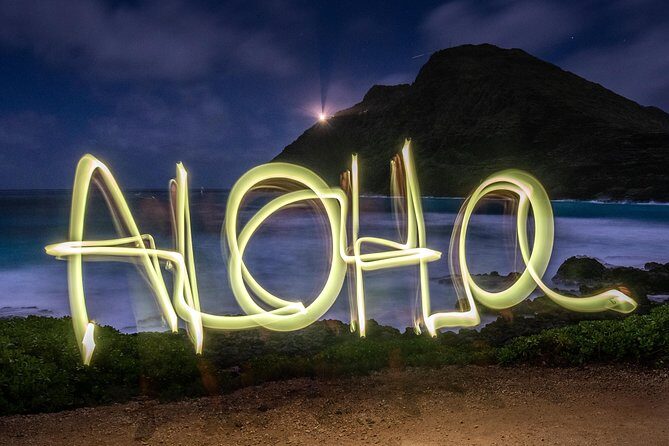
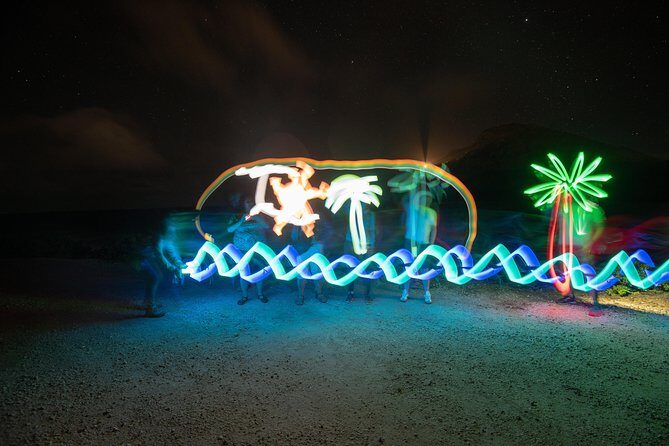
- Light-painting practice at Makapu‘u Beach, not just watching someone else do it
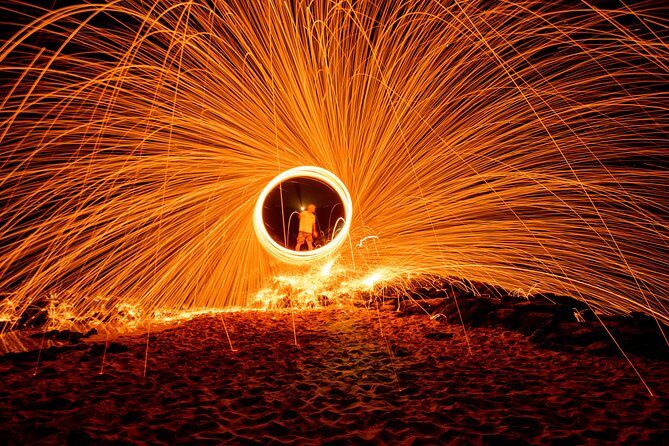
- Steel wool photo time during the darker beach portion
- Three strong photo locations: China Walls, Makapu‘U Point, and Makapu‘u Beach
- iPhone night tips from guides (including guidance on exposure tricks and settings)
How This Tour Works: Night Photography With a Plan
Night photography sounds simple until you try it. Light is low, your hands shake, and your camera phone usually wants to blur or over-brighten things. This tour’s value is that it gives you a structure: you go somewhere beautiful, then you learn what to do there—step-by-step—so your photos improve while you’re still out shooting.
You’ll spend most of the time at the two Makapu‘u-related stops where darkness and the lighthouse view make long exposures and light effects possible. Between them, Makapu‘U Point acts like a warm-up: a chance to get familiar with what you’re about to attempt, including night-sky gear setup and basic technique.
The vibe is relaxed but focused. Multiple reviews call out guides who are funny and patient, and who help you make practical changes you can use right away. Guides like Mac and Andrew are mentioned for iPhone-friendly coaching and staying with you until you get a result you like.
You can also read our reviews of more evening experiences in Oahu


Timing and Group Size: Why 4 Hours Feels Just Right
This is roughly a 4-hour experience, and that length matters. If it were shorter, you’d likely spend too much time traveling and not enough time learning. If it were longer, you might lose patience when you’re repeating the same exposure settings in the dark.
The max group size of seven also changes the experience. You get more turns at the tripod, more chances to ask follow-ups, and more help correcting what’s going wrong (focus, exposure, framing) without feeling rushed.
Real talk: you will be outside in the evening. If you’re the type who gets cold easily, bring layers. And if you’re coming from a busy day in Waikiki, set your expectations that you’ll arrive at multiple spots and then spend time standing, adjusting, and shooting.
Stop 1 at China Walls: Sunset That Sets Up Your Night Shots
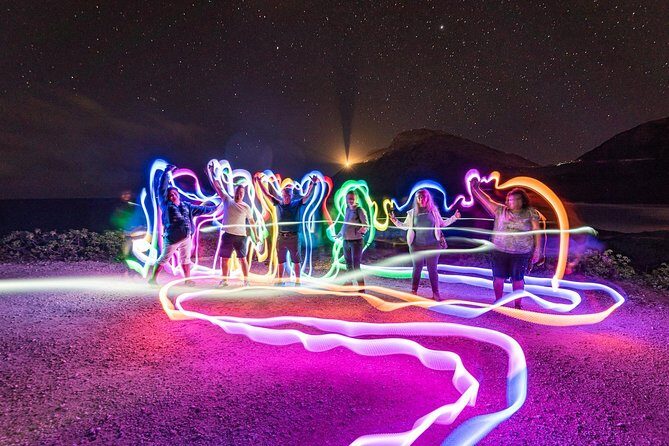
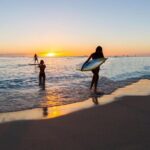
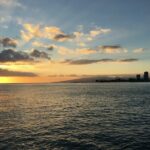
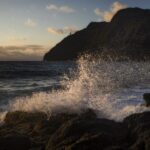
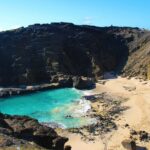
China Walls is your first big win because it gives you that golden-to-blue transition—sunset, then the darker sky right after. The tour starts with a 1-hour block here, which is perfect for two reasons.
First, you can treat sunset like a training ground. The light changes fast, so you learn how to react rather than obsess over perfect settings. Second, you’re building momentum. By the time the sky goes darker, you’re already comfortable framing and using your tripod.
What I like about this stop is how it mixes beauty with instruction. Reviews specifically mention unforgettable sunset moments here, and people also describe learning enough that their confidence carried into later shots. It’s the kind of beginning that makes the rest of the evening feel less like random experimentation.
Possible drawback: if weather clouds the sunset, you might lose some of that first-stage magic. The good news is the rest of the plan is still night photography focused—so the session can still work if the sky clears enough.
Stop 2 at Makapu‘U Point: Gear Setup for the Night Sky
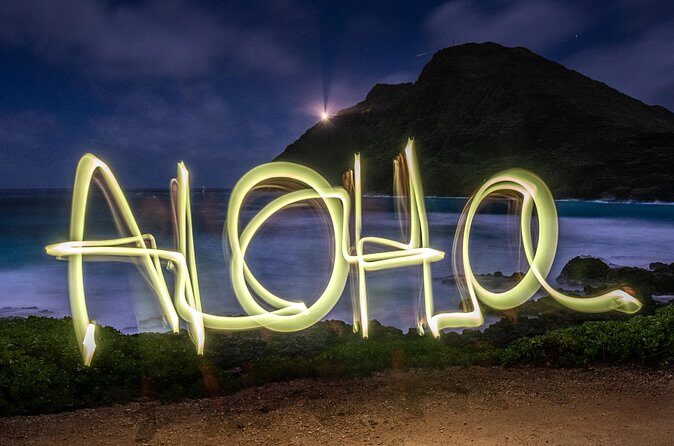
Makapu‘U Point is a shorter stop—about 30 minutes—but think of it as your checklist moment. Instead of jumping straight into the darkest part of the tour, you get time to get oriented.
Here’s why that helps you as a photographer: night shooting is full of little variables. Tripod height, camera angle, and whether your phone or camera is actually locking focus can decide whether your photo looks sharp or soft. A short orientation stop means you troubleshoot before you waste time at the beach.
In the reviews, guides are praised for explaining techniques and helping people get better results, including support for iPhone shooting. One person specifically noted iPhone guidance on exposure and other tricks. Even if you’re using a dedicated camera, a clear “how do I set this up” moment can save you from a frustrating hour later.
Stop 3 at Makapu‘U Beach: Lighthouse Stars, Light Painting, and Steel Wool
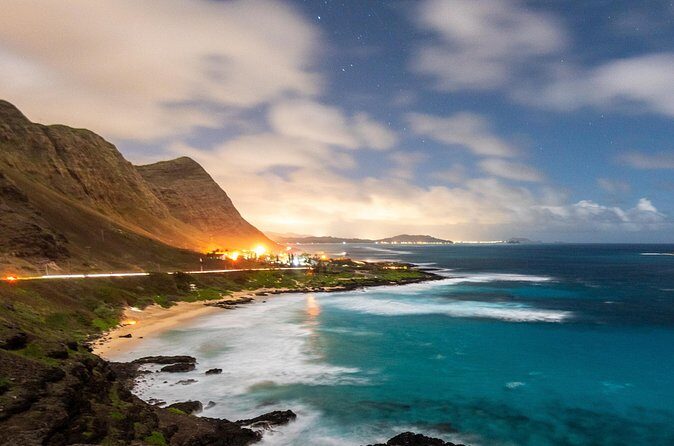
This is the heart of the experience: about 1 hour at Makapu‘U Beach, with stars, the lighthouse view, and two hands-on creative challenges—light painting and steel wool photos.

Why this beach stop is so effective for photos
Beaches are tricky in daylight, but at night they can be ideal. You get an open view for sky shots, and you also get strong visual anchors: the lighthouse and the contrast between dark water and the night sky.
Light painting: the technique lesson you can reuse later
Light painting is less about luck and more about timing and movement. The tour includes light-painting tools, and that’s what makes this practical. You don’t just get a theory lecture—you get to practice your own motion and see how it looks on camera.
A standout theme in the reviews is that people found the light painting both fun and genuinely educational. It’s one of those activities where you can create something dramatic even if you don’t feel like you’re “a photographer.”
Steel wool: creative, memorable, and worth respecting
Steel wool photography is adventurous. More than one review calls it memorable, and one solo traveler described doing it in pitch darkness while also learning night-sky techniques.
I’ll add a safety-minded note: steel wool is not the kind of thing you should freehand with no instruction. If you’re going with kids or you’re concerned about safety, make sure you follow your guide’s directions closely and pay attention to how the session is set up for the group.
What You Actually Learn (Not Just Where You Go)
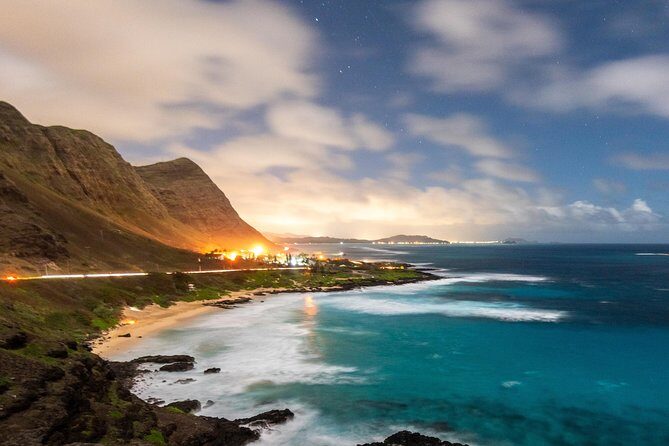
The best part of tours like this is turning a pretty location into a repeatable skill. Based on the coaching people mention in their feedback, you’ll likely get practical instruction you can use after this trip.
Here are the kinds of improvements you can expect:
- Long exposure basics: using a tripod so the camera phone or camera can gather enough light without blurry shaking
- Exposure and night settings: what to adjust when the sky is too bright or too dark
- Framing for night scenes: keeping the lighthouse and stars in a balanced composition
- How to work with your iPhone (if that’s your camera): at least some guides specifically work with iPhone users on exposure tricks and settings
One review even mentions the iPhone learning happening early in the holiday, with the person using those skills later around Oahu. That’s the real value: you don’t just leave with photos from one night—you leave with know-how.
And because the group is small, your guide can probably spot what you’re doing wrong faster than a big workshop could.
Tripods and Tools: Why Provided Gear Matters
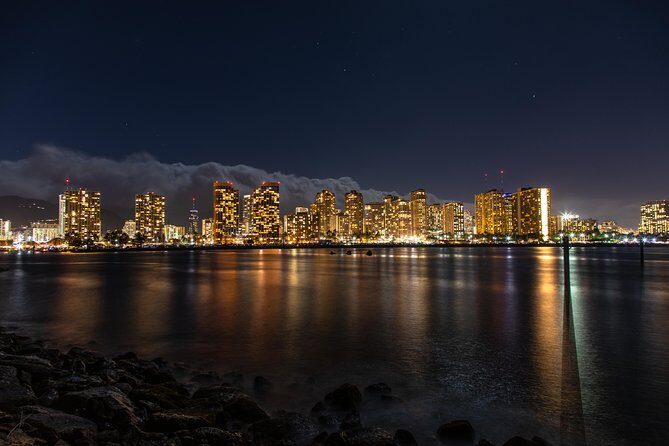
You might think you can just use your phone and walk around. At night, that’s the trap. A tripod changes everything because it stabilizes your shot long enough to capture faint stars and keep light effects from turning into smears.
This tour provides tripods and light-painting tools. That means you’re not spending time (or money) borrowing gear, and you’re not arriving underprepared. It also makes it easier for everyone to follow the guide’s process since the setup is consistent.
Still, night photography can involve a lot of adjustments. If your tripod feels “not quite right” (height, angle, phone clamp), don’t struggle alone—use your guide’s help early, not after you’ve taken 20 blurry attempts.
Getting Picked Up in Waikiki and Staying Oriented
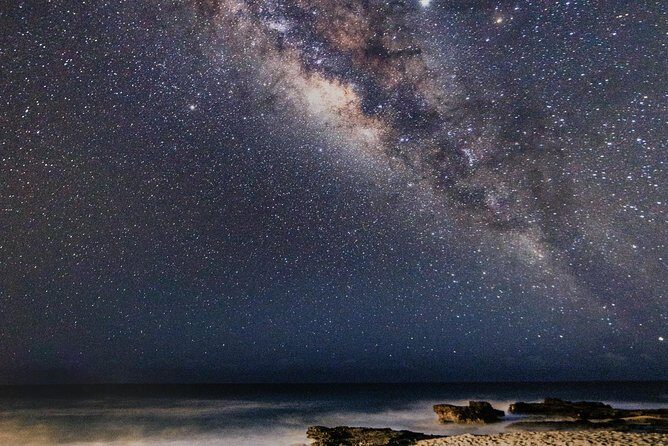
The meeting point is simple: Honolulu Zoo, 151 Kapahulu Ave, Honolulu. The tour ends back at the meeting point.
Pickup is offered, but only at selected hotels in Waikiki. You’ll need to call directly to confirm the exact pickup location. The tour is also described as near public transportation, which is helpful if you’re not staying in a participating hotel.
For planning: give yourself a little cushion before pickup time. Evening tours can start promptly once the group is assembled, and you’ll want to arrive ready to move between spots and start shooting right away.
What to Bring (Since Water and Food Aren’t Included)
This experience does not provide bottled water and does not include food or drinks. That’s a small line item, but at night it matters because you’ll be standing around and waiting between photo attempts.
Bring:
- Water (you’ll be thankful during the darker portions)
- Layers (even in Hawaii, night air can feel cooler)
- A charged phone or camera and any needed accessories
- If you’re prone to getting cold, gloves or a warm hat can help
If you’re planning to shoot with an iPhone, it also helps to have a charging plan. Long sessions at night drain batteries faster than you’d expect.
Price and Value: Why This Is More Than a Sunset Stop
A lot of sunset tours show you a view and call it education. This one is different because it’s built around a teaching goal: how to take great night photos.
You’re paying for:
- A guide-led plan across three photo locations
- Hands-on practice with light painting and steel wool
- Included tripods so you can actually attempt long exposures
- Small-group attention (max seven), which improves how quickly you learn
That combination is the value. If you already own a tripod and know your settings, you might feel like you’re just doing activities. But if you want a structured path from “night photos usually look bad” to “I got results,” the included gear and coaching can justify the cost quickly.
Weather, Safety, and Family Fit (The One Thing You Should Not Ignore)
This experience requires good weather. If conditions are poor, it can be canceled and you’ll be offered a different date or a full refund.
On the safety and family-fit side, here’s what I’d tell you to do. Most reviews highlight guides who are fun, patient, and good with kids and teens. Some even mention guides going out of their way to match the energy of the group.
But one review raised concerns about rude language and safety while driving, saying the experience felt unsafe and not family friendly. I can’t verify details from a single comment, but it’s enough that I’d treat it as a “heads up” and make your own judgment before booking—especially if your group includes younger kids. If you have concerns, ask the operator directly about how the tour is handled for families and what to expect from the guide style.
Either way: follow instructions closely during light painting and steel wool. Those are the parts where safety habits matter most.
Guides Make the Difference: Mac, Andrew, and the Coaching Style
One reason this tour earns strong ratings is the guide personality and teaching approach. Multiple reviews name guides including Mac, Andrew, Curt, Malcolm, and Mica, and the common thread is that guides often combine humor with real help.
People describe:
- Guides staying patient while helping with photography
- Extra time to teach iPhone night settings and exposure tricks
- A fun, high-energy tone that keeps you awake and engaged during the evening waiting periods
- Flexibility when someone wants help with their specific photo goals
It’s also clear that good guides look for teachable moments. One review mentions finding meteor potential on a clear new-moon style sky, and another talks about local insights and nature details. Not every night will produce the same sky, but the coaching is meant to help you make the most of what you get.
Should You Book This Honolulu Sunset & Light Painting Tour?
Book it if you want:
- A guided way to improve your night photography and long-exposure skills
- Hands-on creative time with light painting and steel wool
- A small-group experience where a guide can correct your technique
- Tripod-provided convenience instead of scrambling for gear
Skip it (or ask extra questions first) if:
- You’re sensitive to guide language style and you’re bringing younger kids
- You don’t want to be outside for a full evening photo session
- You’re not comfortable with weather-driven uncertainty
If you’re on Oahu and you want more than a scenic sunset selfie, this tour is a smart way to learn. China Walls gives you the sunset anchor, Makapu‘U Point gets you ready, and Makapu‘U Beach is where the night creativity happens—so you end the evening with both memories and a better camera-phone (or camera) brain.
FAQ
How long is the Honolulu Sunset & Light Painting experience?
The tour runs about 4 hours (approximately).
Where does the tour start and end?
It starts at Honolulu Zoo, 151 Kapahulu Ave, Honolulu, HI 96815, and ends back at the same meeting point.
Do you offer pickup?
Pickup is offered only at selected Waikiki hotels. You need to call the operator directly to confirm your pickup location.
How big is the group?
The tour has a maximum of seven travelers.
What’s included in the tour?
Tripods and light-painting tools are included.
Are there admission fees for the stops?
Admission tickets for the stops are free.
Is bottled water or food included?
No. Bottled water and any food or drinks are not provided.
What languages is the tour offered in?
The tour is offered in English.
What happens if weather is bad?
This experience requires good weather. If it’s canceled due to poor weather, you’ll be offered a different date or a full refund.
Who can participate?
The tour notes that most travelers can participate.