REVIEW · OAHU
Learn to surf with a local big wave rider on the North Shore of Oahu
Book on Viator →Operated by Chance King · Bookable on Viator
Catching your first North Shore ride is a rush. This lesson with Chance King (Haleiwa Surf Surf School) is built around how locals actually teach: quick beach instruction, smart break reading, and coaching that aims to get you standing in your session. I also like the 100% refund guarantee if you’re not enjoying it at any point, because it keeps the focus on your experience, not just the clock.
The vibe stays calm and patient, even when you’re nervous or brand-new. A possible drawback: this is weather-dependent, so if conditions aren’t good, you’ll need flexibility.
In This Review
- Key things to know before you go
- H2: Why training with Chance King changes how you learn surf
- H2: What happens during the 90 minutes—beach, break, then waves
- H2: The surf spot choice—beginner-friendly, low-stress, and often less crowded
- H2: The teaching style that helps you stand up and keep going
- H2: How many waves you’ll actually get (and why rest matters)
- H2: What to wear for board burn and comfort in the water
- H2: Who this lesson is best for (including kids and first-timers)
- H2: Logistics that keep the day simple at Haleiwa
- H2: Value check—why the guarantee makes this feel fair
- H2: Should you book this North Shore surfing lesson?
- FAQ
- How long is the surf lesson?
- Where do we meet for the lesson?
- Is the lesson private or shared with other groups?
- Do you provide instruction before getting in the water?
- Will I be able to stand up and ride?
- What happens if I’m not enjoying the session?
- What language is the instruction in?
- What should I wear to avoid board burn?
- Is the experience dependent on weather?
Key things to know before you go
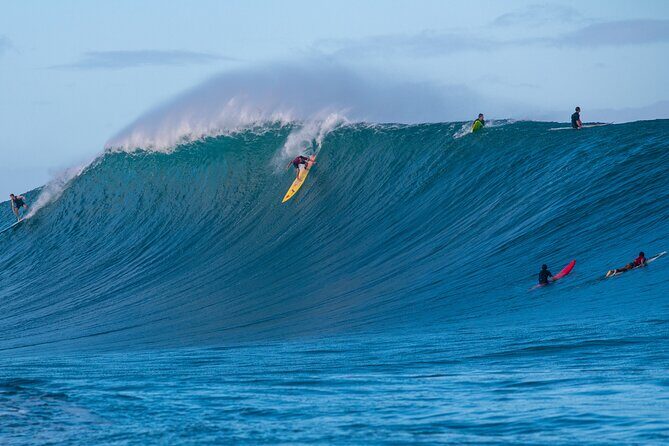
- Local big-wave experience matters: Chance is a North Shore waterman and a tube rider, which shows in how he reads the surf and keeps you safe.
- Short beach briefing first: you get 15–20 minutes of instruction and safety talk before you hit the water.
- You’ll learn board basics and where to go: you practice standing and get guidance on how to navigate the surf break.
- Fast, practical coaching style: in smaller group dynamics, you’re more likely to get pointed, moment-to-moment advice.
- Be ready for board-burn: plan for thigh coverage; one-piece + something to protect your thighs helped learners.
- Earlier timing can be easier: booking earlier in the day can mean fewer people at the beginner-friendly beach chosen.
H2: Why training with Chance King changes how you learn surf
On the North Shore, surfing looks simple when you’re watching from shore. Getting your body to work with the ocean is the hard part. That’s why I like that this lesson is led by Chance King, a local born and raised on the North Shore with a lifetime of ocean safety experience.
He teaches from a big-wave rider’s perspective. That doesn’t mean he throws beginners into scary conditions. It means he understands what happens when waves speed up, how sets behave, and how to pick a surf break where people can actually build skills. In the same way a good ski instructor chooses the right slope, Chance’s focus is on matching the conditions to your level—so you learn without constantly white-knuckling it.
You also get a real local teaching style: friendly, direct, and safety-first. One lesson dynamic you’ll notice is that staff work like a small team. You might see Caleb helping guide learners, or Charlotte supporting someone who needs extra help back on land. That matters because first-time surfers don’t just need wave advice. They need reassurance, pacing, and someone watching details.
You can also read our reviews of more tours and experiences in Oahu.


H2: What happens during the 90 minutes—beach, break, then waves
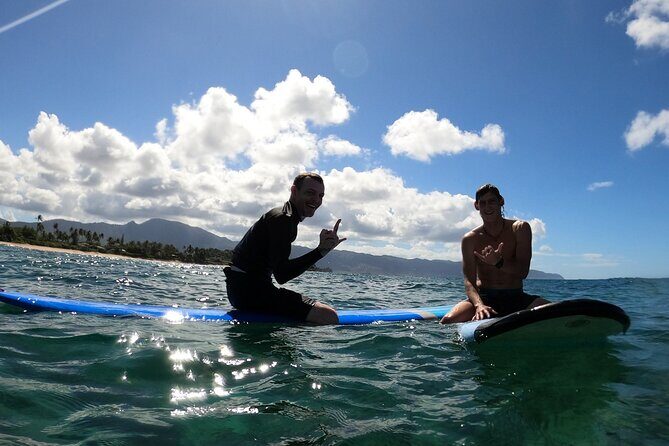
Even if you’ve never surfed, the session is structured so you’re not just thrown in and hoped for the best. The flow is pretty clear:
First, you start with a 15–20 minute beach instruction and safety briefing. This is where you learn how to stand on your board and how to move with the surf rather than fighting it. It’s also when the team sets expectations for navigating the break—what to look for, when to go, and how not to panic if something feels off.
Then you hit the water and the coaching shifts from theory to timing. Your biggest early hurdle is balance—getting your feet under you at the moment the wave lifts you. The instruction you get on shore is meant to make that happen faster, not after several hours of trial and error.
One detail I really like is the confidence-building emphasis: you’re guaranteed to get up and riding during your session. That doesn’t mean every wave is perfect. It means your lesson is designed to push you past the first-ride barrier and into the part where surfing becomes fun.
H2: The surf spot choice—beginner-friendly, low-stress, and often less crowded
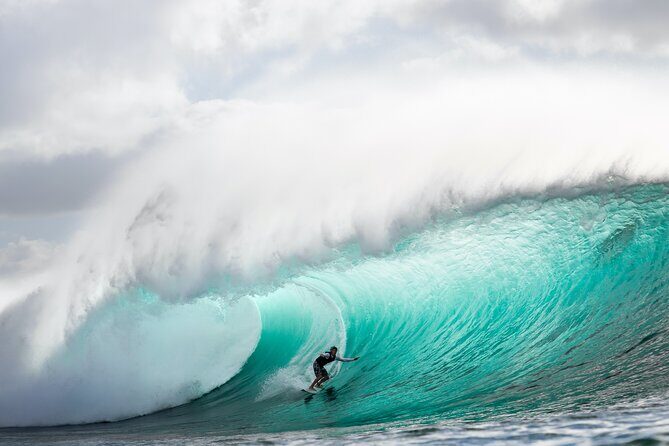
North Shore surfing has a reputation for big surf. The key here is that your instructors choose a beginner-appropriate beach and break for the lesson. That’s a huge deal for first-timers, because crowding and complicated water can slow learning fast.
In practice, you’ll likely notice two things. First, the team aims for spots with a good learning vibe where it’s easier to get waves without constantly dodging other boards. Second, lessons tend to be timed in a way that helps beginners focus. One of the standout pieces of feedback I’ve seen is that beginners benefited from the break Chance chose—especially because it wasn’t very crowded.
A simple planning note: if you can, consider scheduling earlier in the day. People specifically recommended earlier timing because it can be less hectic and more comfortable for first rides. You’ll still be learning in real ocean conditions either way, but the environment can make a big difference.
H2: The teaching style that helps you stand up and keep going
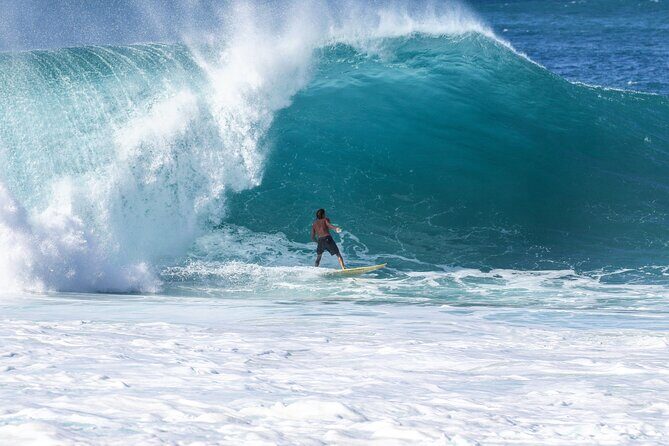
Surfing lessons can fall into two traps: either they overload you with information, or they only watch and hope you figure it out. This session is the opposite. It’s patient coaching with quick, useful feedback.
You’ll get advice that’s specific to what’s happening in the moment—where to place your feet, how to stay calm as the board catches, and how to manage the line of the wave. That last part, navigating the surf break, is often overlooked in beginner lessons. But if you don’t understand where to sit and when to move, you spend more time waiting and dodging than actually learning.
The teaching also works well for nerves. In one family lesson, Chance stayed close with a younger surfer who was initially scared, and that one-on-one attention helped her do well. Another helpful detail: if someone needs to get back to shore for any reason, the instructors handle it quickly and calmly, including making sure the person is okay before returning to the session.
You’ll also benefit from lesson size and attention. With smaller group dynamics, the odds of getting useful wave time go up. People noted that one-on-one coaching seemed to produce more ride time compared to larger student groups, while still keeping the water reasonably social rather than chaotic.
H2: How many waves you’ll actually get (and why rest matters)
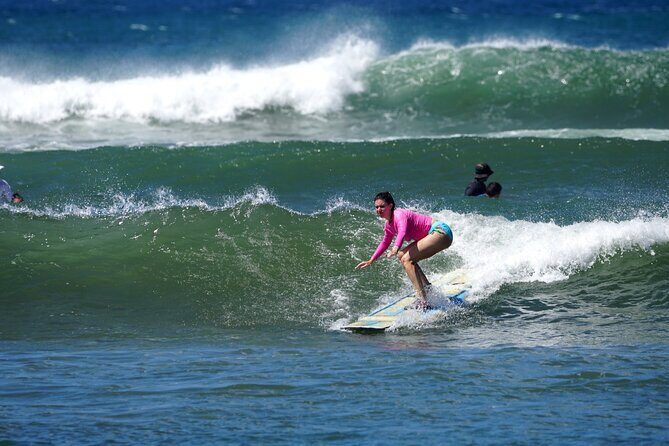
Surfing isn’t just about riding. It’s also about resetting between attempts. You need short bursts of effort, then time to recover, clear your head, and try again.
In feedback, learners described ride frequency as practical and realistic. With a small group, people were getting multiple rides each, which helped them learn without burning out. That pacing is important. If you’re constantly exhausted, you can’t listen, and you can’t balance.
The team’s approach also seems designed for beginner energy levels. You’re not expected to stay in survival mode for the entire session. Instead, you get enough wave time to feel progress, then breaks that let your body recover. That balance is part of what makes the lesson feel like a fun activity rather than a tough workout you regret.




H2: What to wear for board burn and comfort in the water
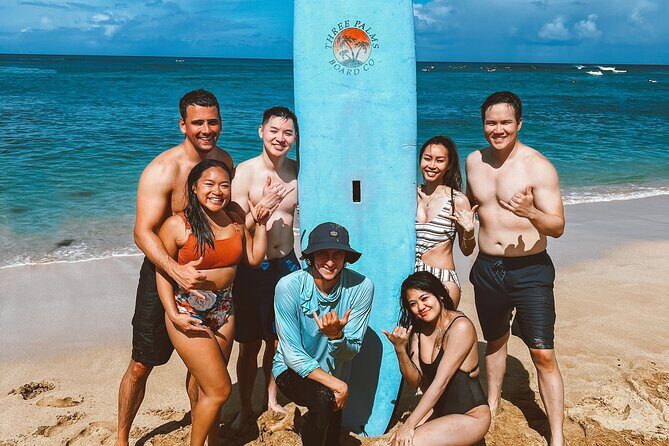
Let’s talk gear without pretending it’s complicated. You’re going to be on a board, paddling, and getting tossed by waves a bit. That can lead to board burn, especially on your thighs and under areas that rub.
One practical recommendation stands out: wear a one-piece and something that covers your thighs for board burn. So if you’re picking between minimal coverage and comfort, choose the option that lets you move and keeps you from getting raw. Thigh protection is a small choice that can make your whole session more enjoyable.
Also think about practical comfort. You’ll be in the water for repeated attempts. Anything that rides up, shifts, or requires constant adjusting is a distraction when you need to focus on balance and timing.
H2: Who this lesson is best for (including kids and first-timers)
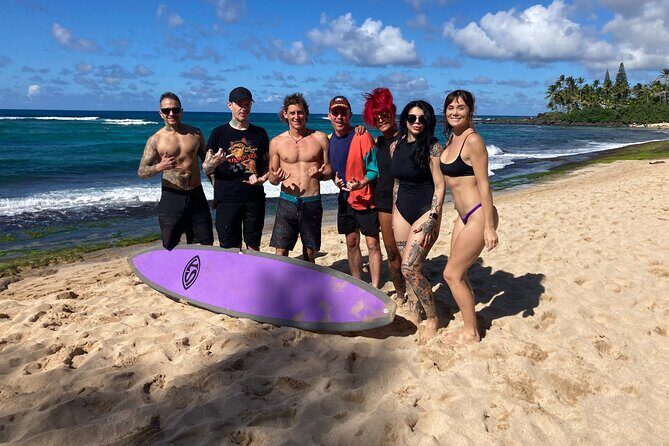
This is one of those activities that works for more people than you’d expect—mainly because the instruction is structured and the instructors are hands-on.
Good fit if:
- You’re surfing for the first time and want fast, clear coaching.
- You’re anxious and need someone to stay close when it counts.
- You’re traveling with a small group or family and want individual attention.
People brought families including kids as young as 8, plus older siblings. In that situation, the instructors helped younger learners stay calm, and older kids got their own wave time too. That’s not a guarantee for every age or every day, but it does suggest the team can adapt when you have different comfort levels in the water at the same time.
The lesson is also described as suitable for most travelers, and service animals are allowed. And because it’s a private activity, it’s just your group out there. That removes one common stress of surf lessons: feeling like you’re blending into a giant crowd.
H2: Logistics that keep the day simple at Haleiwa
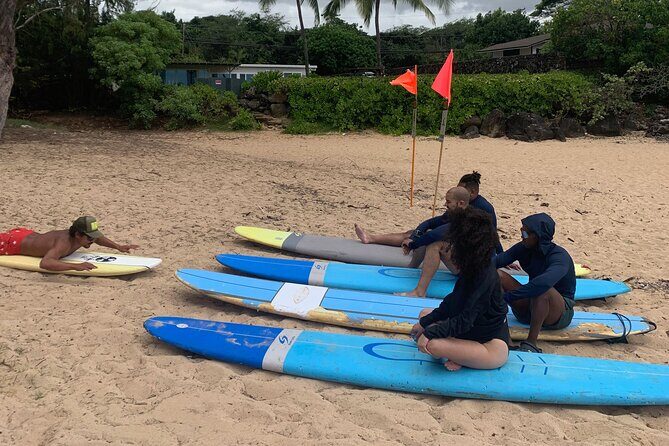
You meet at Kahalewai Place, Haleiwa and the activity ends back at the same meeting point. That’s helpful because you don’t end up juggling transportation across the island for one short activity.
The session runs about 1 hour 30 minutes (approx.). In practice, that length is long enough to learn and catch multiple rides without consuming your whole vacation day. Still, if you want a smoother flow, plan to treat it like the main event for that block of time. People recommended blocking out time because it’s genuinely fun once you’re in the rhythm.
Language is English, and confirmation comes at booking. There’s also a mobile ticket option, which is a relief if you don’t want paper.
H2: Value check—why the guarantee makes this feel fair
Surf lessons often cost money and deliver wildly different outcomes depending on who’s teaching and how well you match the spot to your level. Here, the value stands out because of the 100% refund guarantee if you aren’t enjoying your session.
That’s not just a marketing promise. It changes how the instructors work. If they’re serious about keeping you happy, they have an incentive to adjust. That could mean choosing a better break, changing how they position you, or slowing down to get you comfortable with the basics.
Another value point: because it’s a private group and not a massive assembly line, you’re more likely to get actual feedback instead of just a general “good job” floating somewhere in the middle of the lesson.
H2: Should you book this North Shore surfing lesson?
I’d book this if you want a first surf lesson with real instructor attention, clear safety guidance, and a strong chance of getting your first ride without the lesson feeling like a battle.
It’s especially worth it if:
- You’re nervous about learning.
- You’re traveling with kids or a small group and want personalized coaching.
- You want a local waterman’s perspective on safety and break navigation.
- You appreciate the idea of a refund guarantee tied to how you feel during the session.
I’d think twice only if you can’t be flexible about weather. Since the experience requires good conditions, your day might shift if surf isn’t cooperating.
If you’re on Oahu’s North Shore, this is the kind of lesson that can turn a dream into a skill in a single sitting—without making it feel like you’re wrestling the ocean alone.
FAQ
How long is the surf lesson?
The experience runs about 1 hour 30 minutes (approx.).
Where do we meet for the lesson?
You meet at Kahalewai Place, Haleiwa, HI 96712, USA. The activity ends back at the same meeting point.
Is the lesson private or shared with other groups?
It’s private. Only your group participates.
Do you provide instruction before getting in the water?
Yes. The session starts with a short 15–20 minute beach instruction and safety briefing.
Will I be able to stand up and ride?
You’re guaranteed to get up and riding during your session.
What happens if I’m not enjoying the session?
If at any time you aren’t enjoying your session, the provider offers a 100% refund.
What language is the instruction in?
The tour is offered in English.
What should I wear to avoid board burn?
A common recommendation is to wear a one-piece and something covering your thighs for board burn.
Is the experience dependent on weather?
Yes. The experience requires good weather, and if it’s canceled due to poor weather you’ll be offered a different date or a full refund.