A waterfall swim beats another sightseeing day. I love the Waimea Valley botanical gardens and the local guide who explains Hawaii’s history and culture as you drive, but be aware the waterfall may be dry on some days and the photo stops can feel quick.
This is an all-day loop that takes you past Oahu’s famous viewpoints and into places most people skip—then ends with lunch options that actually taste local. You’ll also be doing real time on a bus, and if you’re hoping for lots of long walks or big, slow meals, plan your expectations.
In This Review
- Key Highlights That Matter
- Waikiki Pickup to Island Highlights: How the Day Flows
- Waimea Valley Botanical Garden: Rare Hawaiian Plants and Global Collections
- Swim at the Waterfall: Lifeguards, Life Jackets, and Real Expectations
- Pali Lookout and View Time Outside Waikiki
- Halona Blow Hole and the North Shore: Seeing What Most People Skip
- Dole Pineapple Plantation and Macadamia Farm Stops: Quick Views, Plan for Shopping Time
- Lunch at a Hawaiian-Owned Restaurant: Bring Cash and Expect a Food Moment
- Price and Value for an 8-Hour Loop
- Bus Comfort, Timing, and Photo-Stop Reality Checks
- Rain or Shine: Dressing for the Waterfall and the Road
- Who This Tour Fits Best (and Who Should Skip It)
- Should You Book This Oahu Waimea Valley Tour?
- FAQ
- How long is the Oahu Waimea Botanical Garden and waterfall tour?
- Where does the tour pick up and drop off?
- What’s included in the price?
- Is lunch included?
- Can I swim at the waterfall?
- Does the tour run in bad weather?
- Is the tour wheelchair or mobility-friendly?
- What is the cancellation policy?
Key Highlights That Matter
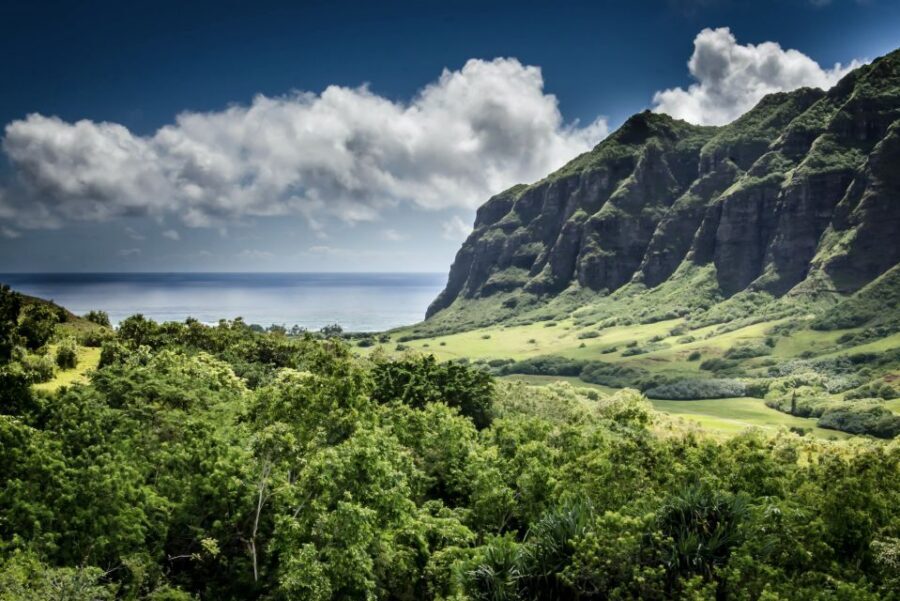
- Waimea Valley botanical collections with plant varieties from multiple world regions, plus rare Hawaiian species
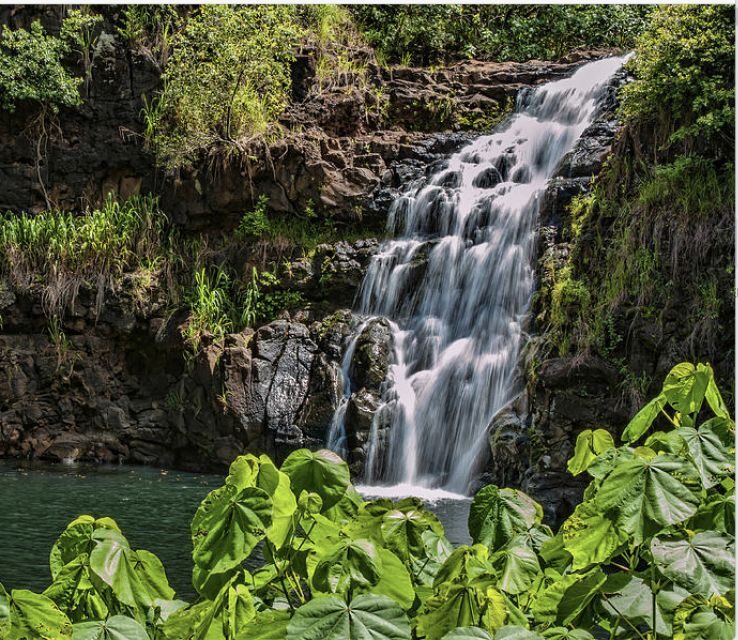
- Waterfall swimming in an on-site swim area with lifeguards, and provided life jackets
- Pali Lookout for the kind of views that turn a drive into a moment
- A guided day around the island, including stops such as Halona Blow Hole and the north shore
- Guide-led storytelling that can be funny and informative (I’ve seen guides like Jay and Brie praised for this)
Waikiki Pickup to Island Highlights: How the Day Flows
Your day starts with pickup from Waikiki and a full-day island tour with a local guide. The main idea is simple: you get out of Waikiki, hit key viewpoints, and stop often enough that the drive feels like more than just transit.
Most of the value comes from the guide. A good guide helps you notice things you’d otherwise miss—like what you’re seeing, where it sits in Hawaiian culture, and why the landscape looks the way it does. On past runs of this tour, people have specifically called out guides such as Jay and Brie for being engaging and informative.
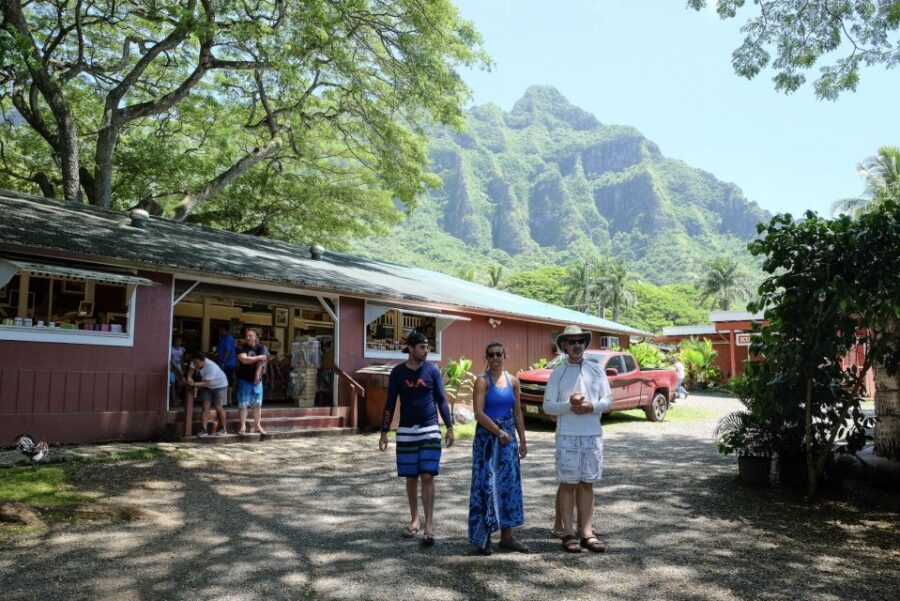
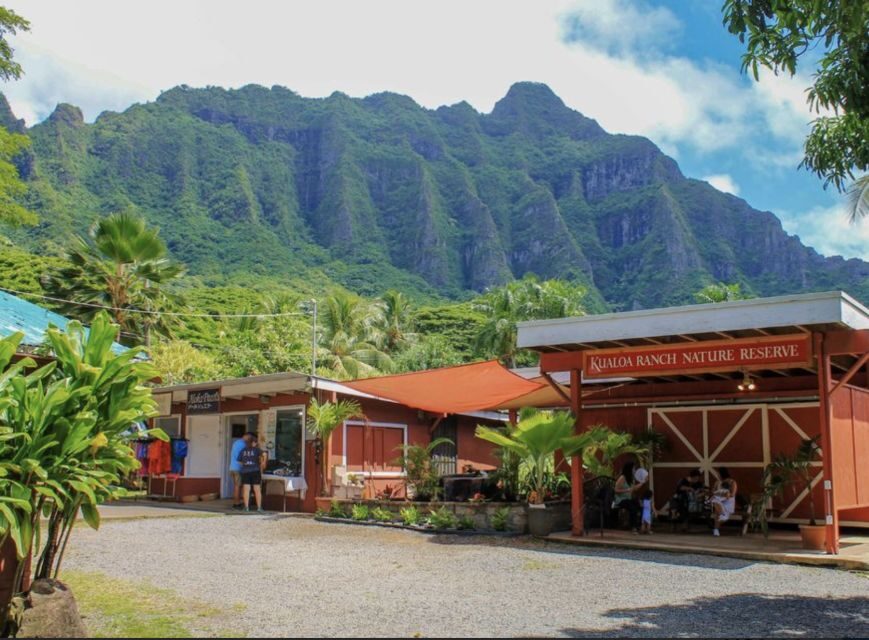
The route includes stops at nine additional locations beyond Waimea Valley. That’s where you’ll see places like Halona Blow Hole, a Dole stop, a macadamia nut farm stop, Pali Lookout, and time along Oahu’s north shore. You’re not getting a “one big hike” day. You’re getting an “Oahu overview” day with a few chances to step out and look around.
You can also read our reviews of more tours and experiences in Oahu.

Waimea Valley Botanical Garden: Rare Hawaiian Plants and Global Collections
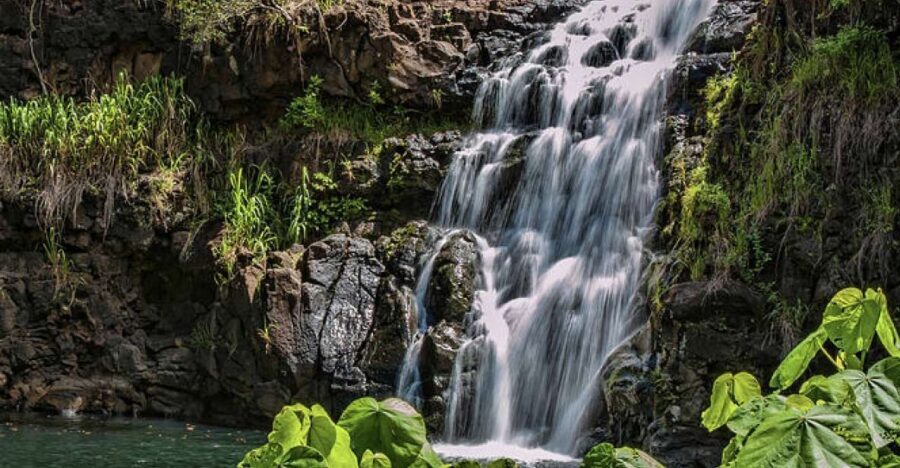
Waimea Valley is the centerpiece of this tour, and it’s not just a nice garden stop—it’s a living plant world. The botanical gardens include dozens of collections, including plants from places like the Ogasawara Islands, Central and South America, Fiji, Guam, and the Mascarene Islands. That mix matters because it gives context. You can walk through and see how different Pacific and island ecosystems compare, even though they’re miles apart.
What I like most is the Hawaiian collection. You’ll be looking at plants found only in Hawaii, including species that are rare or endangered. That turns the garden from scenery into something closer to conservation education—still pretty, but with purpose.
You should also know that this is the only part of the day where you’ll truly have time that feels like a walk-and-explore experience. The rest of the tour is more stop-and-go, so if you want your legs moving, save your energy for Waimea.
Swim at the Waterfall: Lifeguards, Life Jackets, and Real Expectations
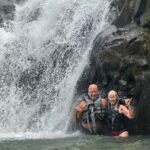
The waterfall experience is one of the biggest draws, and it comes with safety support. The swim area has lifeguards on the premises, and you’re required to wear provided life jackets. That’s a big deal if you don’t swim often in natural water settings.
That said, this is where you need to calibrate expectations. Waterfall conditions can change. On at least one day, the waterfall was reported as dry, which can feel like a letdown if this is the main reason you booked. If swimming at the waterfall is a must-do for you, I’d treat it like a “best case” feature, not a guaranteed splash every single time.
Also, keep your timing flexible. Even if the swim area is set up for safety, you still have to get in, get comfortable, and get back before the group moves on. If you’re worried about feeling rushed, go into it expecting a swim window, not a long, slow afternoon in the water.
Pali Lookout and View Time Outside Waikiki
Pali Lookout is one of the stops that makes this tour feel worthwhile even if you’re not a “plants and hikes” person. The view is the kind that pulls you out of beach-mode and into island geography—wind, height, and that dramatic Oahu feeling you don’t get from street level.
This is also where the tour’s structure helps. You get picked up from Waikiki, then you gradually move toward the scenic areas around the island. That makes it easier to understand the scale of Oahu instead of just snapping pictures from a single spot.
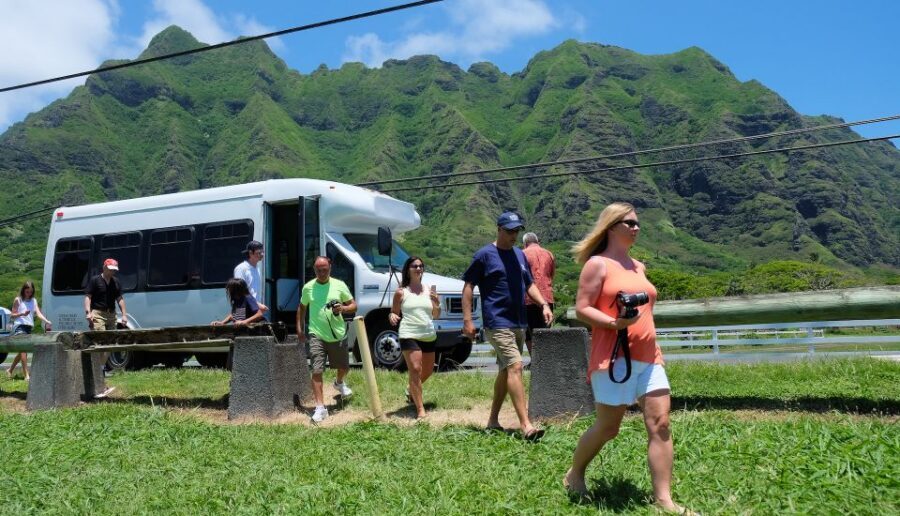
One practical note: viewpoints can be quick. If you’re the type who wants perfect photo angles, bring patience. Some people have said that photo time can be too short, and it can feel harder to take photos when the bus is the main way you’re viewing the area. If you want the best shots, prioritize where you’re going to stand before you get there.
Halona Blow Hole and the North Shore: Seeing What Most People Skip
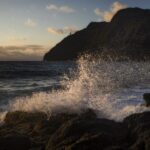
The tour includes iconic stop points and also time that helps you feel how Oahu changes as you move around it. Halona Blow Hole is a classic Oahu scene—dramatic rocks and ocean power. Depending on conditions, it can be a quick moment, but it’s still a memorable contrast to the calmer feeling around Waikiki.
Then there’s the north shore. Even without a long stay, it gives you a sense of the coastline variety and the vibe shift. The north shore is where you notice wind, surf culture, and the wider open feeling. That’s one of the tour’s quiet strengths: you get a “whole island” perspective without needing a rental car.
Just know you’re seeing a lot from the outside. This is not a tour built around long beach time or private exploration. It’s built around moving you through multiple signature areas with a guide narrating the landscape as you go.




Dole Pineapple Plantation and Macadamia Farm Stops: Quick Views, Plan for Shopping Time
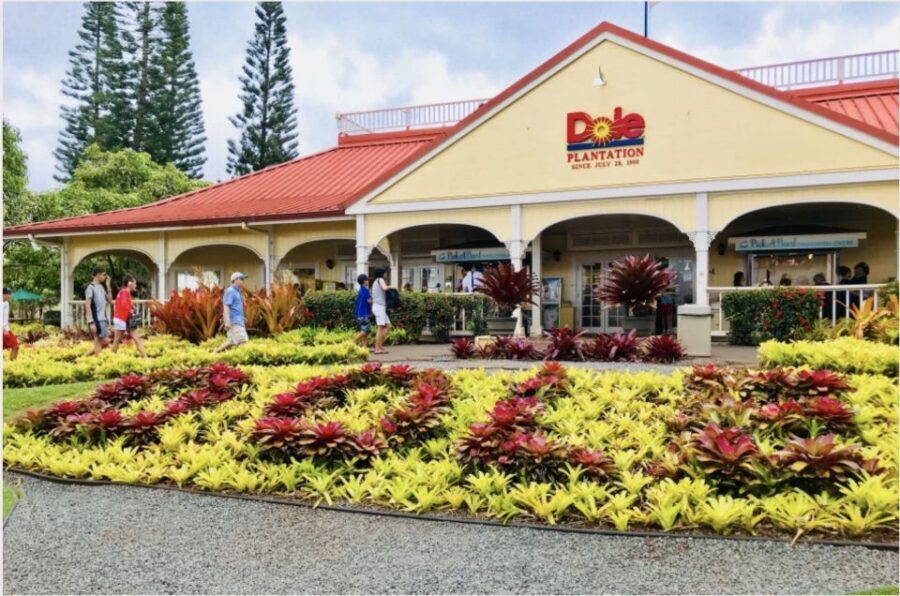
Here’s the part I’d be most strategic about before booking: the stops at Dole Pineapple Plantation and the macadamia nut farm can feel more like short visits than true “walk around the fields” experiences.
For Dole, some people found it disappointing because there wasn’t enough time to actually walk through the plantation area—more like a quick stop tied to ice cream and gift-shopping time. The same pattern has popped up for macadamia: the experience leaned toward a stop at the shop rather than an extended view of the farm itself.
So what should you do with that information? Decide what you want from these stops:
- If you want a taste of Oahu food culture and don’t need a long stroll, these can be fine.
- If you’re specifically hoping for a big plantation walk or a deep farm tour, you may feel shortchanged on time.
A good way to avoid disappointment is to treat these as quick detours for snacks and shopping, not the core educational part of the day. Your real time for “wow” is the Waimea garden and the waterfall setup.
Lunch at a Hawaiian-Owned Restaurant: Bring Cash and Expect a Food Moment
Lunch is part of the plan, but it’s not included. You’ll need cash to pay for your meal at the Hawaiian-owned restaurant. This matters because you’ll want to eat without scrambling. Have the cash ready so the group can move.
One more tip: this tour is built around multiple stops, which means your lunch probably won’t be a long, slow sit-down. Think of it as a satisfying break, not a leisurely dining afternoon. If you’re traveling with picky eaters, keep an open mind about local dishes and ask questions when you can—your guide is the right person to help you navigate what you’re looking at.
And yes, food is a major part of why this tour feels like more than sightseeing. A number of people described it as a sort of secret foodie route because there are snack and local-food moments scattered through the day.
Price and Value for an 8-Hour Loop
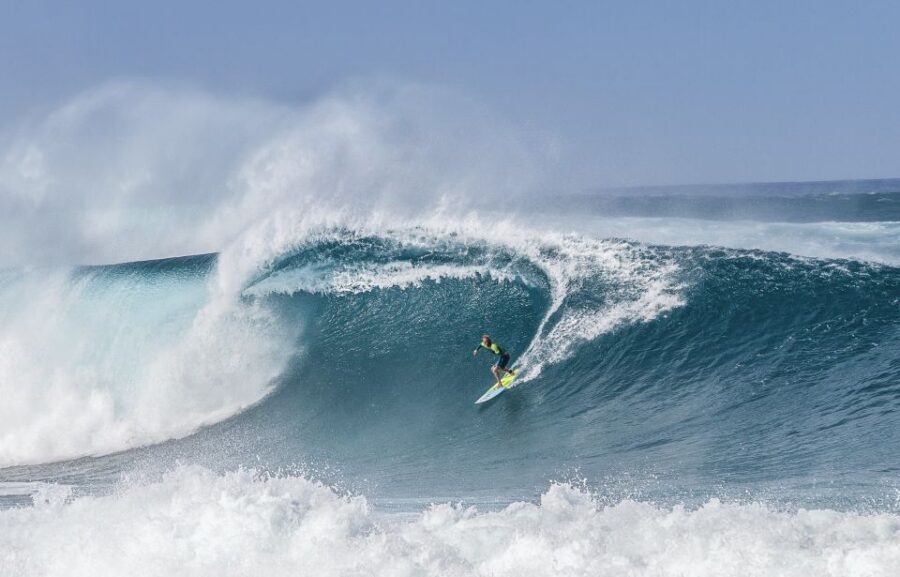
At $184 per person for an 8-hour day, the value comes down to what you care about most.
You’re paying for:
- Waikiki pickup and drop-off
- admission to all locations
- a live local guide
- a full loop that covers multiple major viewpoints
If you’d otherwise have to drive yourself, pay for parking, and piece together admissions, the guided format starts to make sense. You’re also getting the best “planning shortcut”: someone else handles the logistics while you focus on the scenery and learning.
Where the value can wobble is the “stop length” factor. If you dislike bus tours where you feel rushed, you might not feel the price is worth it. Some days can feel extremely compressed, with short stops that barely allow photos or quick purchases.
So ask yourself one question: do you want a guided overview day, or do you want deep time in fewer places? This tour is clearly built for the first.
Bus Comfort, Timing, and Photo-Stop Reality Checks
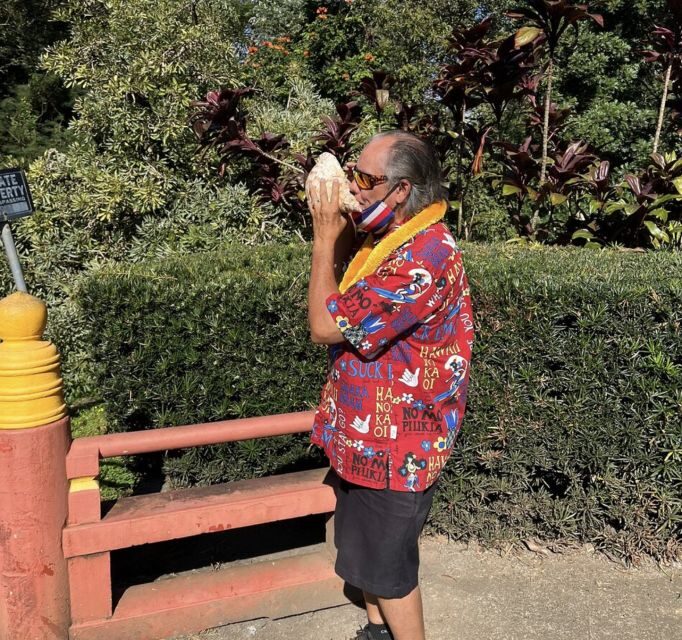
Even though the schedule says 8 hours, the real-world experience can run long depending on timing. Some people have reported very long days, and others have mentioned the tour arriving late by about an hour on departure. That means you should protect yourself with buffer time.
Comfort can also vary. If you’re sensitive to temperature, pay attention: some past riders felt the bus was too cold and couldn’t get the air adjusted to their comfort level. On the flip side, some found the ride cramped, bumpy, and with limited air where they were seated.
Here’s what I’d do before you go:
- Wear comfortable shoes (you’ll walk in at least the Waimea area)
- Bring a layer (bus A/C can be intense)
- Have a charging plan for your phone or camera because you’ll want photos at viewpoints
- Plan to be flexible about stop lengths and photo timing
Rain or Shine: Dressing for the Waterfall and the Road
This tour runs rain or shine. That’s not just a policy detail—it’s your day planning. Waimea’s botanical area and the waterfall area are the places where weather changes how much you’ll enjoy the walk and the swim.
If it’s wet, roads can be slower, and that can affect how quickly the group moves through stops. If it’s sunny, you’ll want sun protection because you’ll still be outside at viewpoints.
You don’t need to overthink it, but do pack like you’re going to be outside for hours: water-resistant footwear if you have it, and a light rain layer if rain’s in the forecast.
Who This Tour Fits Best (and Who Should Skip It)
This tour is a great fit if you want:
- a guided introduction to Oahu’s culture and landscape
- a real botanical garden visit with rare Hawaiian plants
- a chance to swim at a waterfall with safety support
- an organized way to see multiple areas beyond Waikiki without renting a car
It may not be the best fit if you:
- want long free time at fewer places
- hate rushed photo stops
- get motion sick easily on bumpy roads
- need a mobility-friendly experience (this tour is not suitable for people with mobility impairments)
- are very advanced in age (the tour is not suitable for people over 95)
If you’re in the middle—comfortable with bus logistics but still eager to get out and explore—this tour can hit the sweet spot.
Should You Book This Oahu Waimea Valley Tour?
Book it if Waimea Valley is on your must-do list and you like the idea of a guided island loop with multiple viewpoint stops. The strongest reasons to go are Waimea’s plant collections (including rare Hawaiian species) and the waterfall swim setup with lifeguards and life jackets.
Skip it or reconsider if you’re booking mainly for the Dole or macadamia farm stops and you expect lots of walking time there. Also think twice if you’re very sensitive to timing—some days can run long, and some tours can feel rushed between short photo windows.
If you choose to go, go in with a smart mindset: treat Dole and the macadamia farm as quick stops, focus your energy on Waimea for the real exploration, and keep expectations flexible about waterfall conditions.
FAQ
How long is the Oahu Waimea Botanical Garden and waterfall tour?
The tour duration is 8 hours.
Where does the tour pick up and drop off?
It includes pickup and drop-off in Waikiki.
What’s included in the price?
The price includes Waikiki pickup and drop-off, admission to all locations, and a local guide.
Is lunch included?
No. Lunch costs are not included, and you must bring cash to pay for your lunch.
Can I swim at the waterfall?
Yes. There is a waterfall in the garden area where you can swim, and lifeguards are on the premises. Guests must wear the provided life jackets.
Does the tour run in bad weather?
Yes. The tour will take place rain or shine.
Is the tour wheelchair or mobility-friendly?
No. The tour is not suitable for people with mobility impairments.
What is the cancellation policy?
You can cancel up to 24 hours in advance for a full refund.