REVIEW · OAHU
Oahu: Islands of Polynesia and “HA: Breath of Life Show”
Book on GetYourGuide →Operated by Polynesian Cultural Center · Bookable on GetYourGuide
A full Polynesia day on Oahu, start to finish. This ticket turns the Polynesian Cultural Center into a self-paced tour through six island villages, then caps it with the Hā: Breath of Life evening show. I love how the day mixes hands-on culture (like hula) with big, stage-scale Polynesian performance energy.
One consideration: the visit is not guided, so you’ll want to be comfortable reading your own schedule and getting around on your own. Also, the final show can run long, so plan to settle in and treat it like a full evening event.
In This Review
- Quick hits before you go
- Six island villages on one Oahu campus
- Entering the Polynesian Cultural Center: what your ticket covers
- Hawaii village: hula lesson, poi, games, and lauhala weaving
- Tahiti village: wedding ceremony vibes and the pole fishing try
- Fiji village: derua bamboo instrument, temporary tattoo, and a 6-story temple tour
- The Canoe Pageant: performers from every island on the water
- Aotearoa, Tonga, and Samoa villages: the day’s cultural continuity
- Hā: Breath of Life show: Mana and Lani, plus fire-knife dancers
- Value check: is $136 worth it on Oahu?
- Timing tips when there’s no guide walking you through
- Who this tour fits best
- Should you book Islands of Polynesia + Hā: Breath of Life?
- FAQ
- How much is the Islands of Polynesia and Hā: Breath of Life experience?
- What is included in the ticket?
- How long is the ticket valid?
- Do I get a guide during the villages?
- Where do I present my voucher?
- Is the performance seating reserved, and is food included?
Quick hits before you go
- Six island villages across Hawaii, Aotearoa (New Zealand), Samoa, Tonga, Fiji, and Tahiti
- Hula lesson + poi + lauhala weaving in the Hawaii village
- Special Tahiti ceremony and a try-it moment with pole fishing
- Fiji stops for derua music, a 6-story temple tour, and a Canoe Pageant
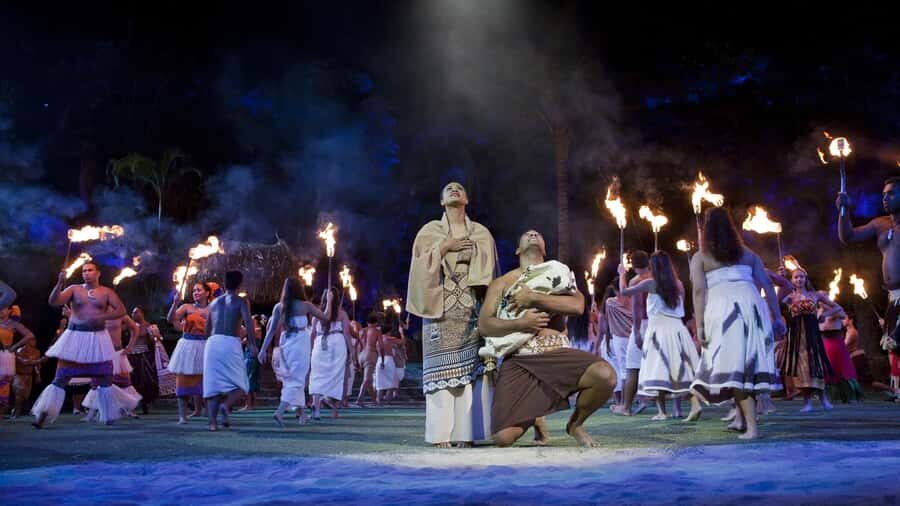
- Reserved seating for Hā: Breath of Life, with Mana and Lani plus fire-knife dancers
Six island villages on one Oahu campus
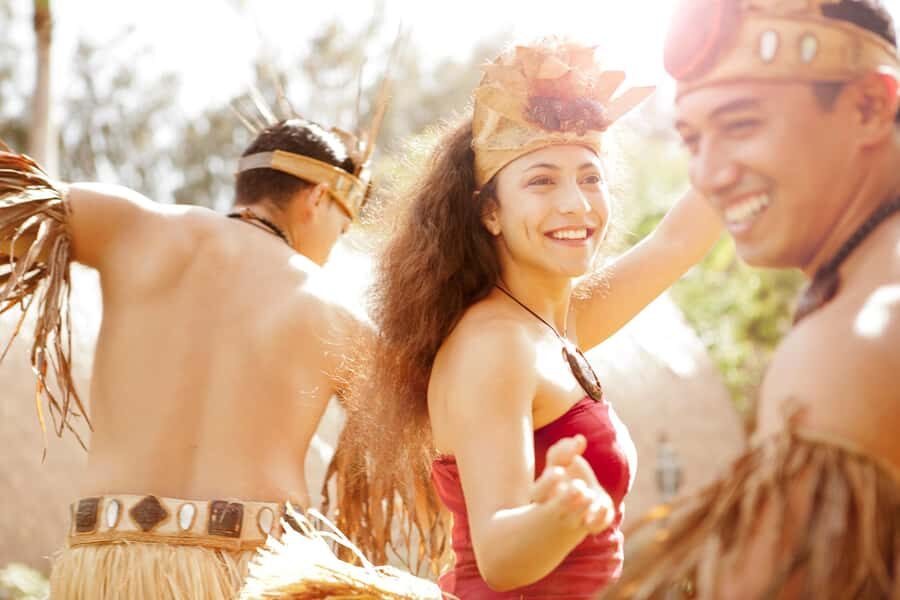
If you want Polynesia on one Oahu day without hopping ferries all afternoon, this is built for you. The Polynesian Cultural Center covers about 42 acres, and your admission gets you through the Islands of Polynesia villages portion first, then the evening performance.
I like this setup because it gives you two different kinds of value. During the day, you get the smaller, personal scale—walking village lanes, watching demonstrations, and joining in when activities are offered. At night, the story goes big, with dance, music, and the kind of fire performance that you can only really appreciate when it’s staged at full production level.
The practical trade-off is that it’s a self-directed experience once you arrive. There’s an English host/greeter at the start, but you won’t have a guide following you through the villages. If you prefer constant commentary, you’ll need to rely on what’s available on-site at each stop.
You can also read our reviews of more tours and experiences in Oahu

Entering the Polynesian Cultural Center: what your ticket covers
Your voucher is presented at the Polynesian Cultural Center, and you’ll use the entry ticket for the village circuit plus a ticket for Hā: Breath of Life. The price you pay covers those core experiences, while food and drink are available for purchase rather than being included.
A key detail for planning: you have validity for 3 days from first activation. That means if your schedule is flexible (or you need a weather cushion), you might be able to return within that window, as long as you’re activating the ticket correctly on your first day. I like that kind of buffer in Hawaii, where timing changes happen.
Also note: hotel pickup and drop-off aren’t included. Most people handle transport on their own, and you’ll start and end back at the meeting point at the cultural center.
Hawaii village: hula lesson, poi, games, and lauhala weaving
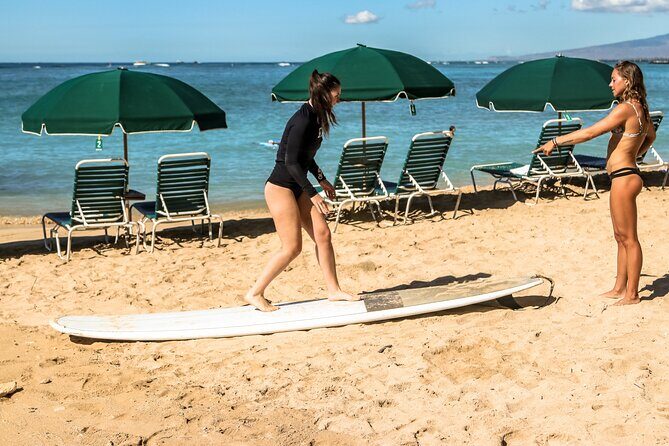
The Hawaii village is the most detailed stop in the experience description, and that matters because it sets expectations for how hands-on the day can feel. Here, you’ll learn about the significance of dance while taking a hula lesson, plus you can try traditional Hawaiian games and sample prepared poi.
There’s also lauhala (reed) weaving, which is a great change of pace from dance. Even if you’re not trying to become a craft expert, watching and participating helps culture feel practical—like something made with patience, not just something you watch from a distance.
What I think you should watch for: when you’re doing activities like weaving or games, move at the pace of the instruction. It’s tempting to treat it like a quick photo stop, but the value here is in slowing down enough to understand what each activity is trying to teach.
One other consideration: if you’re sensitive to crowds or long lines (common on popular Oahu attractions), plan to arrive ready to spend time at interactive stations rather than rushing straight through.
Tahiti village: wedding ceremony vibes and the pole fishing try
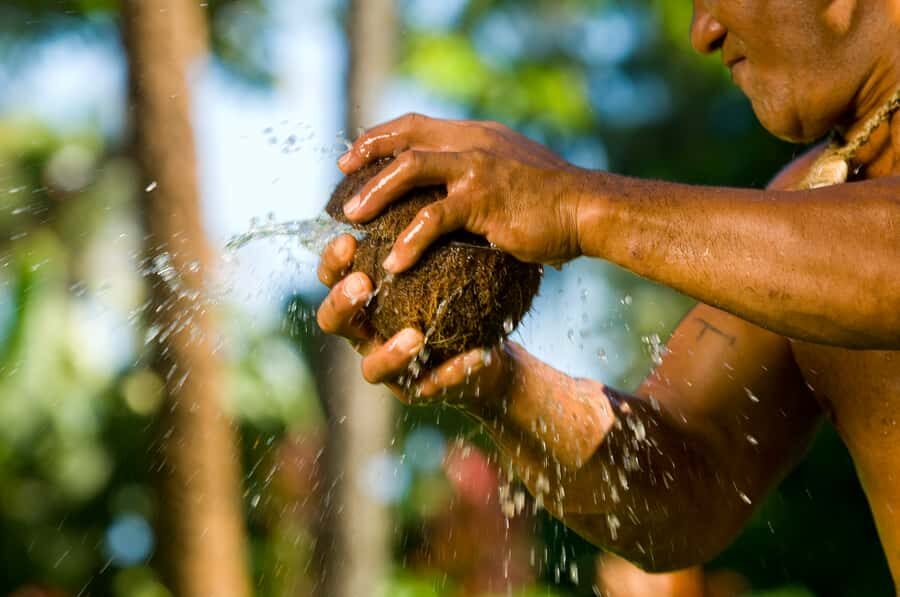
In the Tahiti village, the focus shifts toward performance and playful participation. You can take part in a special wedding ceremony experience, and there’s also a chance to give pole fishing a go, plus you can see Tahitian dance.
I like this mix because it’s not just one type of activity. Some parts of Polynesian culture on display are built around movement and sound, while others focus on process and skill. Trying pole fishing (even briefly) helps you connect to the idea of skill and rhythm—more than just the look of the dance.
For your planning mindset, think of Tahiti as a “high energy” village on the route. If you come in tired, you might miss how much these stations depend on timing and attention.
And yes, the famous Tahitian hip-shaking dance is part of the offering here—so if that’s one of your reasons for buying the ticket, you’ll want to leave enough time around this village to actually take it in.
Fiji village: derua bamboo instrument, temporary tattoo, and a 6-story temple tour
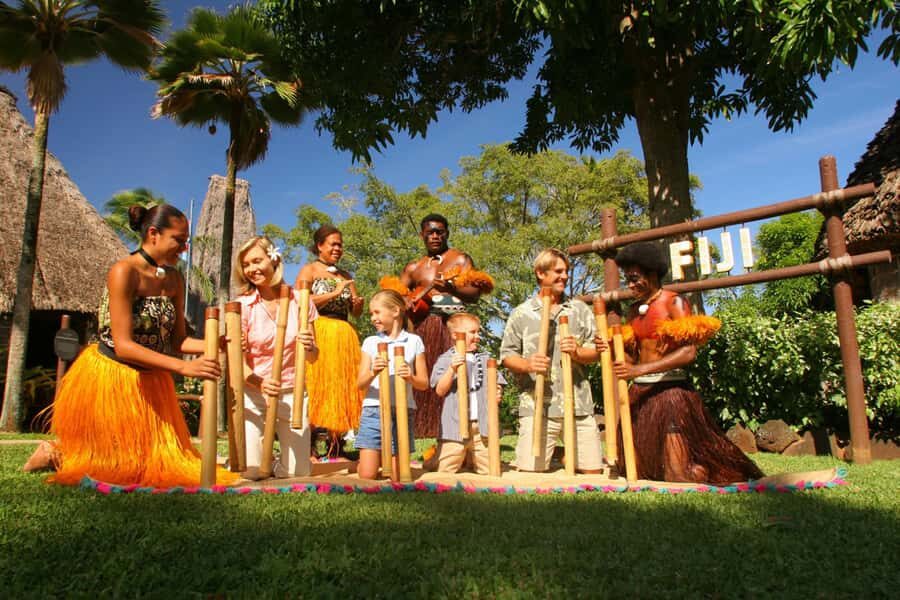
Fiji is where the experience leans into both hands-on fun and big visual sightseeing. You’ll see presentations featuring the derua (a bamboo instrument), get a temporary tattoo, and tour a 6-story temple.
If you’re the kind of person who likes to understand what you’re seeing, the derua presentation is the kind of detail that can turn a generic cultural stop into something memorable. Instruments are often where culture logic shows up—how people make sound, teach it, and keep it alive.
Then you get the playful extras: the temporary tattoo is small, but it makes the experience feel personal. Just keep in mind it’s temporary, so don’t treat it as a souvenir you need to preserve for a decade—more like a moment.
The 6-story temple tour is the physical wow factor, and it’s also a useful break from interactive activities. Climbing through or touring multi-level structures usually gives you the kind of photos you can’t get from flat village reenactments.





The Canoe Pageant: performers from every island on the water
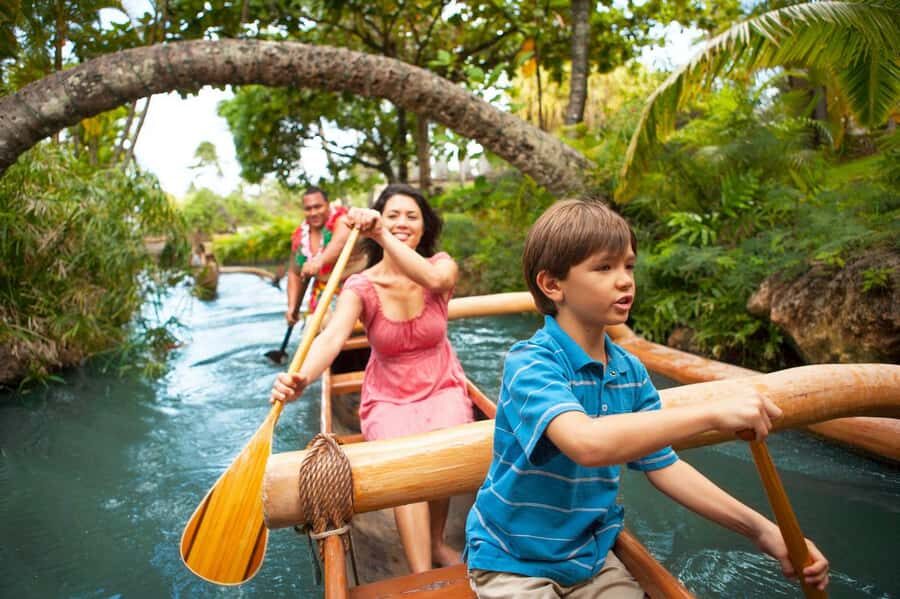
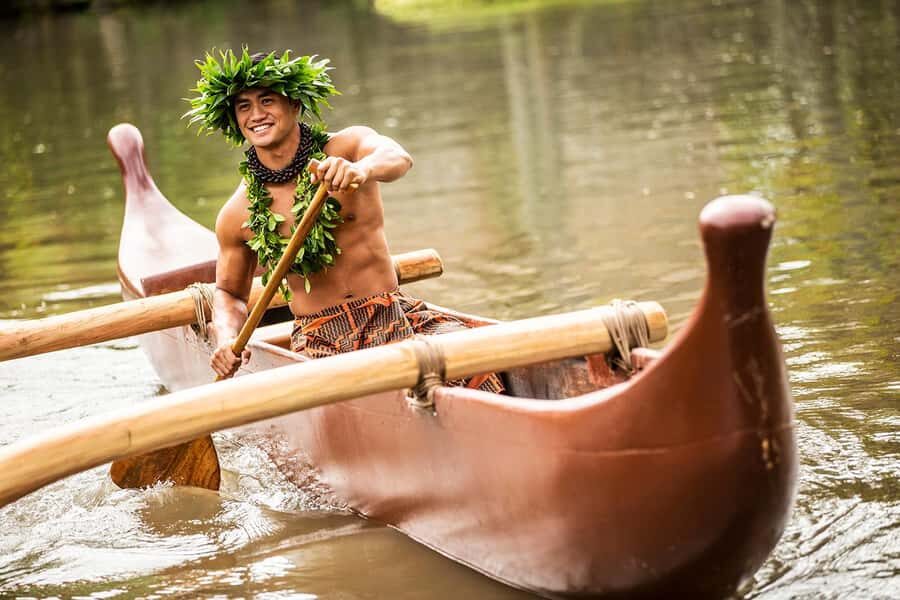
There’s also a theatrical element tied into the Fiji portion: the Canoe Pageant. This is described as a show featuring performers from every island dancing on their canoes as they float through the water.
This is a smart production choice inside the overall experience. Even if you’re still learning the island differences village by village, the Canoe Pageant creates a “group identity” feeling—like all these traditions belong to one ocean family.
For you, the practical question is timing. Because the pageant is part of the Fiji area, plan your Fiji time so you don’t get forced into missing it. I’d treat the Canoe Pageant as something you schedule your route around, not something you accidentally catch.
Aotearoa, Tonga, and Samoa villages: the day’s cultural continuity
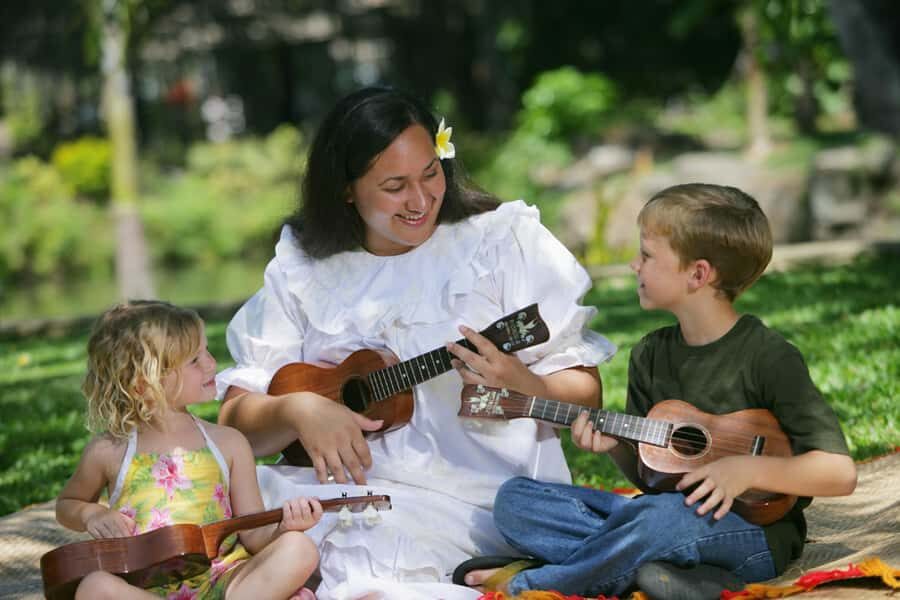
Your ticket includes the village circuit across Aotearoa (New Zealand), Samoa, and Tonga too. The detailed listed activities for those three aren’t specified in the info you provided, but the overall experience clearly sets expectations: you’ll walk through each village and learn the unique appeal of that island culture, including opportunities to participate in cultural ceremonies where offered.
Here’s how I’d frame these villages when planning your day. Think of them as “context builders.” If Hawaii, Tahiti, and Fiji give you standout hands-on moments, the remaining villages help fill in the larger picture of Polynesian storytelling—music, movement, community rituals, and the way different islands express similar themes.
The drawback with less-specific activity listings is that you’ll want to stay flexible once you arrive. Some sites have activities by station and by timing, so your best strategy is to keep moving at a steady pace but pause whenever you see an active demonstration or ceremony starting.
If your group has a mix of interests—one person loves dance, another loves instruments, another wants hands-on crafts—these “continuity villages” are where you’ll often find something that clicks without requiring you to already be an expert.
Hā: Breath of Life show: Mana and Lani, plus fire-knife dancers
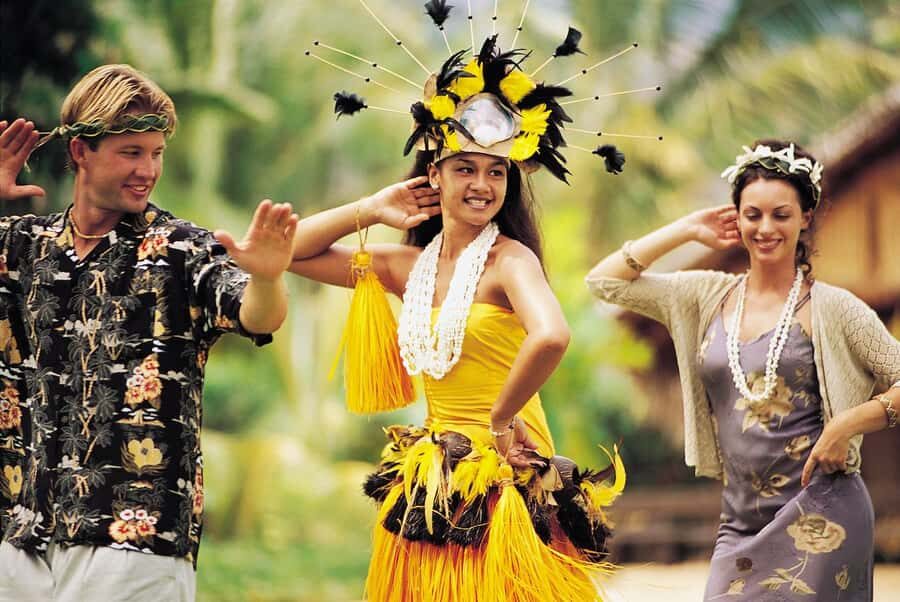
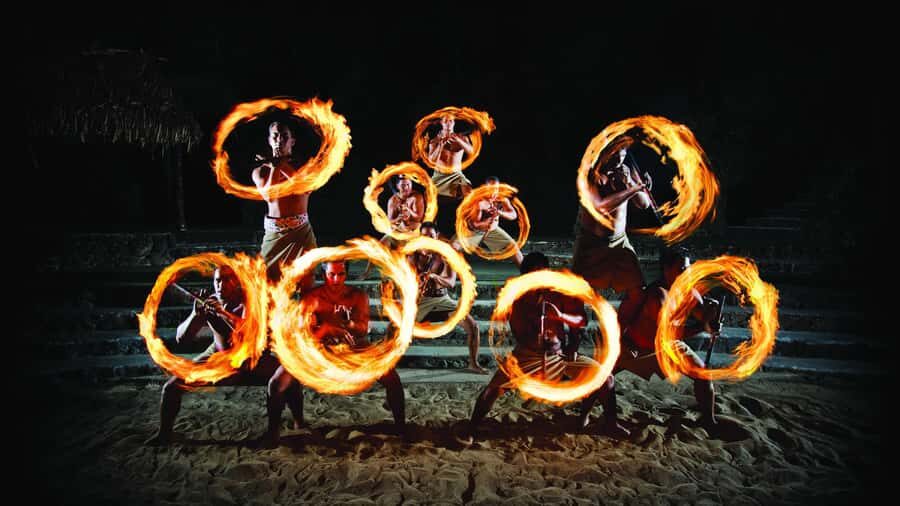
The evening show is where the experience turns into a full production event. You get reserved seating for Hā: Breath of Life, and it tells a symbolic story of Mana and his beloved Lani. That storyline matters because it gives you a thread to follow, so the dance and effects feel connected instead of random highlights.
I love this kind of structure—my enjoyment usually jumps when the performance has a clear emotional arc. In this show, Polynesian dance and music support the narrative, and you’ll also see blazing fire knife dancers, with over 100 Polynesian natives taking part.
The production is described as having special effects and animation too. Even if you’re mostly there for the fire, the added layers help the show feel like more than one moment stitched together.
One practical note from the experience sentiment: the show can feel rather long. So don’t plan a sprint out right afterward. Settle in, grab any needed refreshments beforehand (since food and drink aren’t included), and treat it as your main evening event.
Value check: is $136 worth it on Oahu?
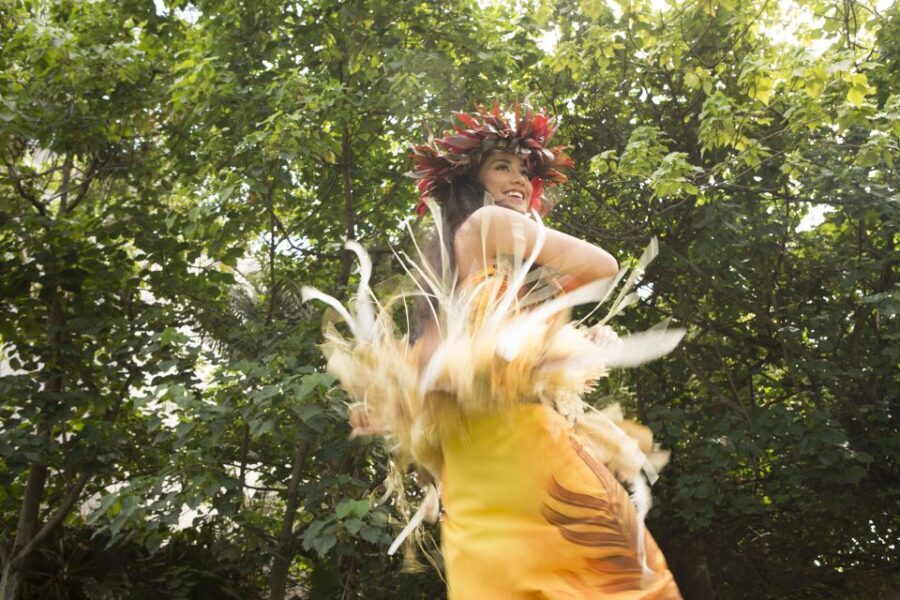
At $136 per person, the value comes from bundling three things you’d otherwise have to piece together: entry to six island villages plus a ticket to the Hā: Breath of Life performance.
If you only cared about the evening show, you’d still be paying for a full-ticket entertainment experience. If you only cared about daytime culture, you’d still need admission for a multi-village circuit across a large site. This package is designed for people who want both.
You also get a useful time-saving advantage. Instead of making separate plans for each island representation, you’re doing a one-location “fast learning” route. It’s not exactly like traveling island to island, but it’s a high-efficiency way to compare styles of dance, music, ceremonies, and everyday craft.
Your main cost risk isn’t the ticket—it’s food and drink. Since those are available for purchase rather than included, budget for it if you’re a frequent snacker. If you keep costs in check (water breaks, light meals), the ticket value usually feels more straightforward.
Timing tips when there’s no guide walking you through
Because you aren’t accompanied by a guide, your success depends on basic planning. You’ll want to arrive with a mindset of self-navigation: you’ll be presenting your voucher at the start, then deciding how you pace each village.
Here’s a simple way to do it without stressing:
- Give Hawaii time for the interactive stations like hula and lauhala weaving.
- Treat Tahiti as a must-not-rush stop if Tahitian dance or pole fishing is on your list.
- Keep Fiji flexible enough to catch the Canoe Pageant.
That last point matters. If you get too “wander-y,” you might end up arriving late for a show segment or losing energy for the evening performance.
Also keep in mind: the final show is in the evening, and you’ll want enough time between your last village stop and show seating. Even if you’re not told your exact schedule here, the general reality is that fire-knife performances run best when you’re not hurrying in.
Who this tour fits best
This experience fits best if you want a one-day-to-three-day Oahu plan focused on Polynesian culture in a single setting. You’ll be happiest if you like:
- cultural demonstrations and participation (not just watching)
- dance and music performance
- a clear “day then show” rhythm
It’s also good for families or mixed-age groups because there are hands-on activities and major stage moments. If everyone in your group wants a different kind of entertainment—crafts, dance, instruments, or big spectacle—this package can keep multiple interests engaged.
If you strongly prefer a guided narrative through every stop, or if you hate any unsupervised wandering, the lack of a guide is your biggest mismatch. You’ll still be able to enjoy the day, but you’ll have to drive the experience more yourself.
Should you book Islands of Polynesia + Hā: Breath of Life?
I’d book it if you want one ticket that combines daytime culture across six villages and a major evening show with Mana and Lani plus fire-knife dancers. The value makes sense when you’re planning to do both the village circuit and the reserved-seat performance.
Skip it (or at least think twice) if you know you dislike self-paced attractions and depend on a guide for direction. Also consider how you feel about a final show that can run long—you’ll get more out of it if you’re ready to settle in rather than squeeze it into a tight travel schedule.
If you want an Oahu day that feels like a guided-feeling cultural journey—even without a guide holding your hand—this is a strong choice.
FAQ
How much is the Islands of Polynesia and Hā: Breath of Life experience?
The price is $136 per person.
What is included in the ticket?
You get entry to the Islands of Polynesia village areas and a ticket for Hā: The Breath of Life. Food or drink is not included.
How long is the ticket valid?
It is valid for 3 days from first activation.
Do I get a guide during the villages?
No. You will not be accompanied by a guide throughout your visit to the Polynesian Cultural Center.
Where do I present my voucher?
Present your voucher at the Polynesian Cultural Center. The experience ends back at the meeting point.
Is the performance seating reserved, and is food included?
You have reserved seating for the evening performance of Hā: Breath of Life. Food and drink are available for purchase, not included.