REVIEW · OAHU
Oahu Night Dive: Adventure for Certified Divers
Book on GetYourGuide →Operated by Dive Oahu Inc · Bookable on GetYourGuide
Night water makes Oahu feel brand-new. This 3-hour, certified night scuba outing takes you to two well-known south-shore reef areas, starting at twilight and ending in full dark—so you see different animals on different schedules. It’s a rare combo: guided time with strong local focus, plus all the gear you need for night conditions.
I especially like the 2-tank setup. You’re not rushing one quick swim and calling it a day—you get two separate guided underwater sessions, with a breather on the surface. I also like that the package covers the night-tech basics: underwater lights, a wetsuit, weights, fins, and BCD, so you can show up and focus on the experience.
One consideration: the activity has firm limits tied to scuba comfort and health. You must be certified and able to swim, you should not have pre-existing medical conditions, and you can’t fly within 24 hours after your scuba session—so it’s best planned with that in mind.
In This Review
- Key highlights that make this night outing worth it
- How the 3-hour plan flows: safety briefing, two sessions, and a sunset break
- Twilight reefs and full-dark ocean: what you’re likely to see
- The gear bundle: what’s included and why it’s a real value
- Getting to the harbor: meeting point, parking reality, and pre-ride sanity
- Price and value: what $248 buys you beyond the wow factor
- Who this night scuba outing is best for—and who should pass
- My booking call: should you reserve this Oahu night scuba experience?
- FAQ
- Do I need to be a certified diver?
- What scuba gear is included in the price?
- How long is the experience?
- How much of the trip is in the water?
- Where do I meet the group?
- What should I bring?
- Is parking included?
Key highlights that make this night outing worth it
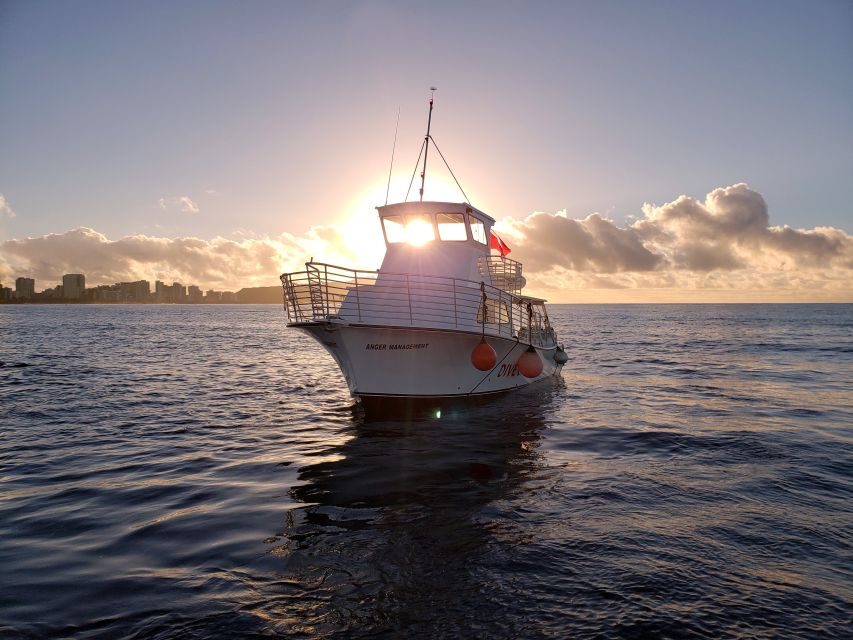
- Twilight to darkness schedule: You start as day fades, then shift into the darker phase when night behavior kicks in
- Two guided underwater sessions: Two separate 1-hour guided blocks, not one short run
- Underwater lights included: You’ll have light for spotting details that you simply can’t see in plain darkness
- Gear bundle that covers the hard parts: 2 tanks, wetsuit, weights, fins, and BCD are included
- Marine life variety on one route: You might see sharks, turtles, eels, rays, octopus, and Hawaiian endemic fish
How the 3-hour plan flows: safety briefing, two sessions, and a sunset break
The timing is tight and clear, and that matters on a night charter. You’ll meet at the harbor, front row, slip 8, and look for the large turtle picture. Plan to arrive at least 30 minutes early so you’re not sprinting around with fins in hand and cold air in your ears.
Once you’re on board, you start with a safety briefing that runs about 25 minutes. This is the part I’m glad happens before you gear up for the dark water. Night conditions change how you navigate, and the briefing helps set expectations for control, communication, and what the guides want you to focus on.
Then the trip splits into two main underwater blocks:
- First guided underwater session (about 1 hour): You go at twilight, when the reef is in transition. That in-between time often gives you a mix: animals that are still active from the day side, plus the first wave of night behavior.
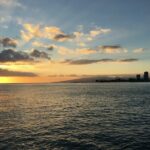
- Surface interval / break (about 30 minutes): This is where you reset, warm up, and snack. The tour includes snacks and refreshments during the relaxing sunset period, which is a smart value-add when you’ve been in gear all evening.
- Second guided underwater session (about 1 hour): This is the darker phase. You’ll use complimentary underwater lights and experience the ocean in near-black conditions, with the guide calling the pace.
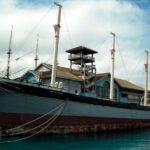
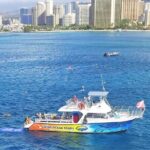
The ship itself is set up for comfort. There’s a sun deck and a shaded deck, plus a restroom on board. That sounds basic, but at night it’s the difference between feeling human and feeling like you’re stuck in a cramped moving hallway.
You can also read our reviews of more evening experiences in Oahu


Twilight reefs and full-dark ocean: what you’re likely to see
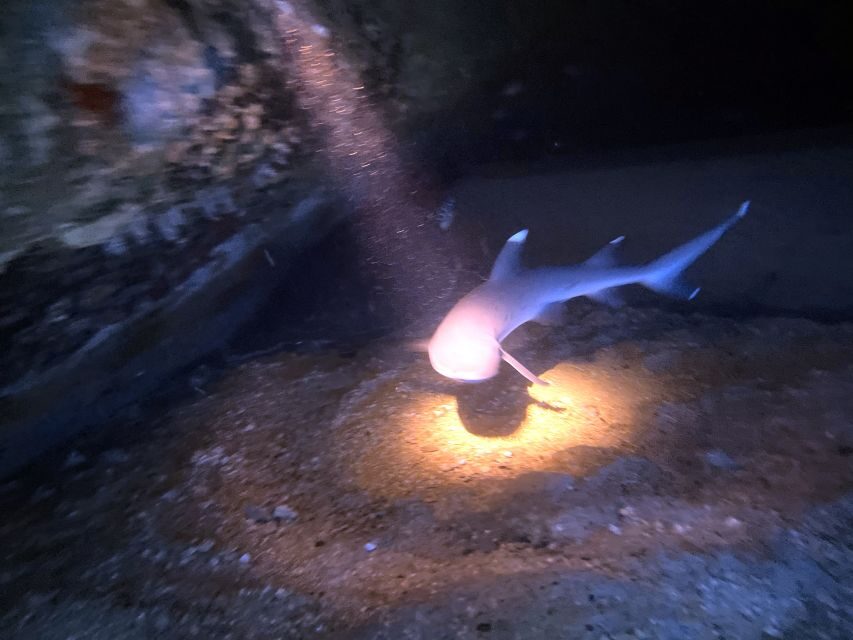
This outing is built around the idea that the ocean changes fast after sunset. Your first underwater session happens while light is fading, and that can mean different animal behavior than a straight-up midnight outing.
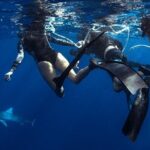
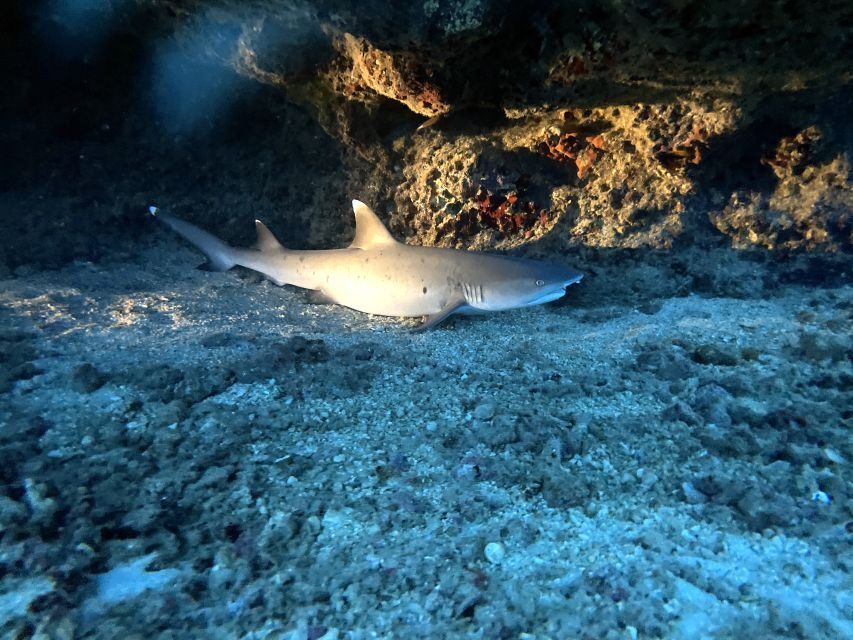
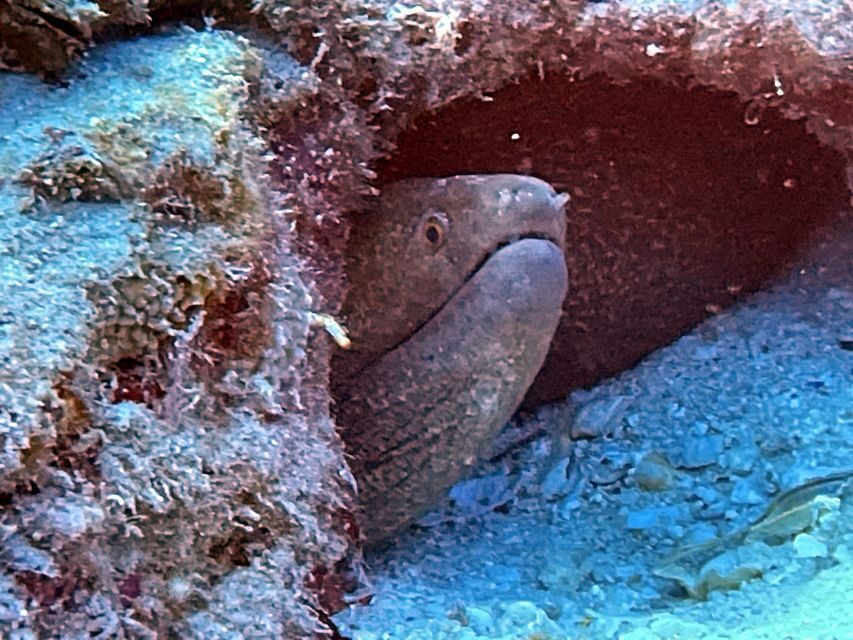
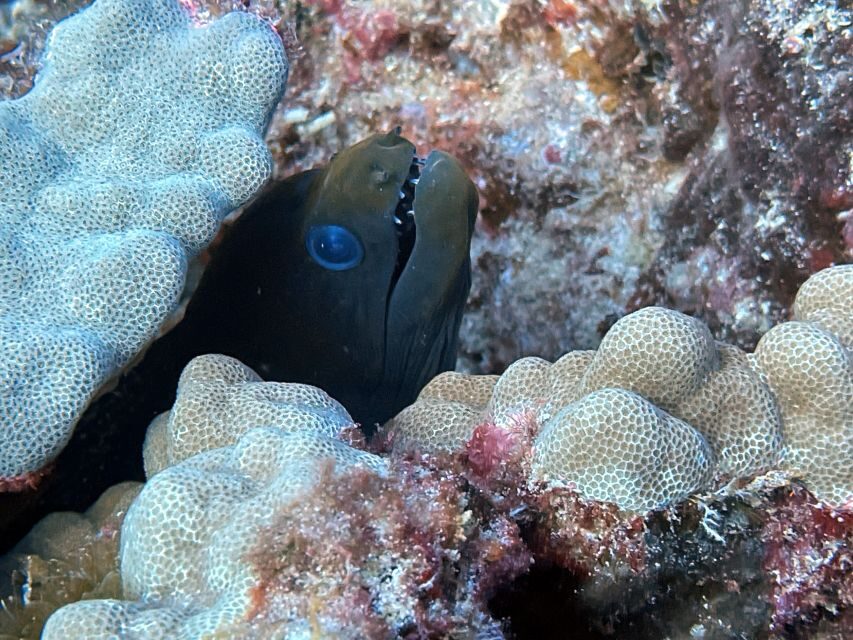
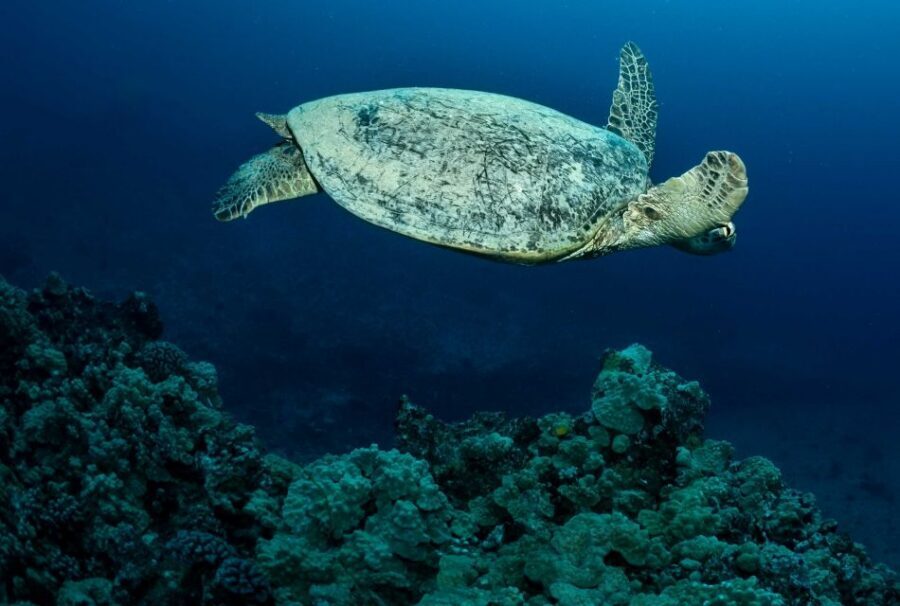
In the twilight phase, you’re exploring reefs in transition. Some creatures settle for the night while others come out. The operator’s animal list is specific, and it’s the kind of lineup that keeps night-goers coming back: sharks, turtles, eels, rays, octopus, starfish, crabs, Hawaiian endemic fish, and dolphins. You’re also likely to see other marine life that matches the habitat and the time of night.
The second session is where the experience often feels most dramatic. The plan calls for going into complete darkness, with your underwater lights doing the heavy lifting. That shift matters because it changes what you notice. Instead of relying on dim ambient glow, you start seeing patterns—eyes reflecting light, small movement along the reef, and details on animals that would blend in at the wrong angle.
A practical tip: night photography can tempt you to sweep your light around too much. Stay controlled with your beam. Your guide will likely keep you oriented to the site, and you’ll get better viewing without blasting every animal with a spotlight.
The gear bundle: what’s included and why it’s a real value
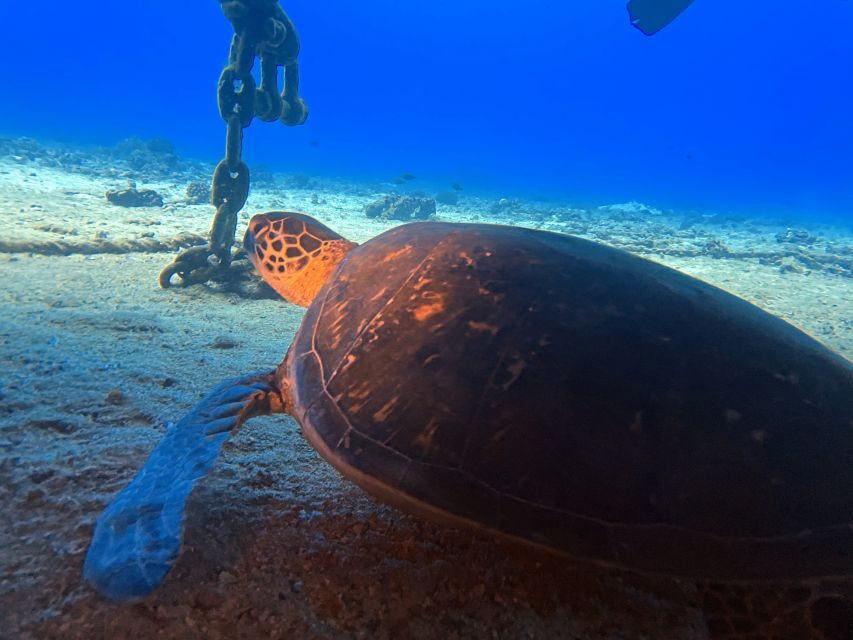
At $248 per person, the price can look high until you compare it to what’s actually in the package. This experience includes premier gear rental: 2 tanks, underwater lights, a wetsuit, weights, fins, and a BCD.
That bundle is a big deal for two reasons.
First, night scuba is gear-heavy even for people who already scuba regularly. You need reliable lighting, and you don’t want to hunt down a wetsuit or try to make weights work at the last minute. Having everything included lowers the friction to zero.
Second, it saves you time and hassle during a trip. If you’re already in Oahu for a short stay, gear rental logistics can eat up half a day. Here, you show up with the essentials and get the rest on board.
What you should bring is simple:
- swimwear
- a towel
- proof of your scuba certification
Also, plan to dress for the night air. Even if the water time is the headline, you’ll be on a boat before and after your underwater sessions. A towel helps because you’re not just “going in”—you’re changing and drying when you come back.
Getting to the harbor: meeting point, parking reality, and pre-ride sanity
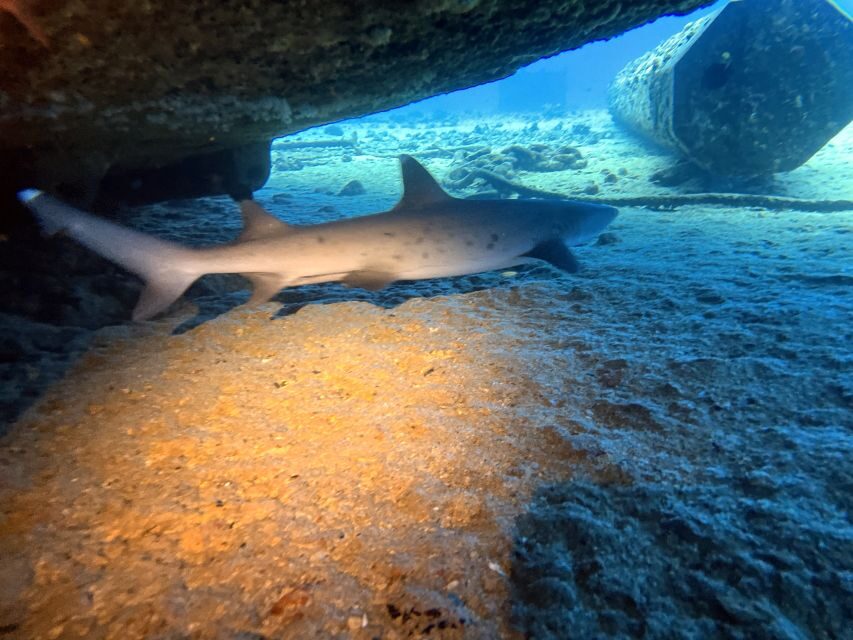
You’ll meet at the harbor, front row, slip 8, and look for the large picture of a turtle. That’s the kind of detail that prevents the late-start stress that can hit at night. Arrive early, because you’re trying to be checked in and geared up before the briefing clock starts.
Parking isn’t included, so you’ll want a plan:
- Kewalo Basin parking is listed at $1 an hour
- Ala Moana Beach Park parking is free
If you’re staying near Waikiki, the free option may help your budget. If you’re trying to move fast, the $1/hour option can be worth it if it keeps your arrival calm.
One more practical note: the tour staff will ask to see your certification at the boat. Don’t assume you can fix that with a phone picture if the staff wants a specific type of proof—bring whatever your certification card is, and keep it where you can grab it quickly.
Price and value: what $248 buys you beyond the wow factor
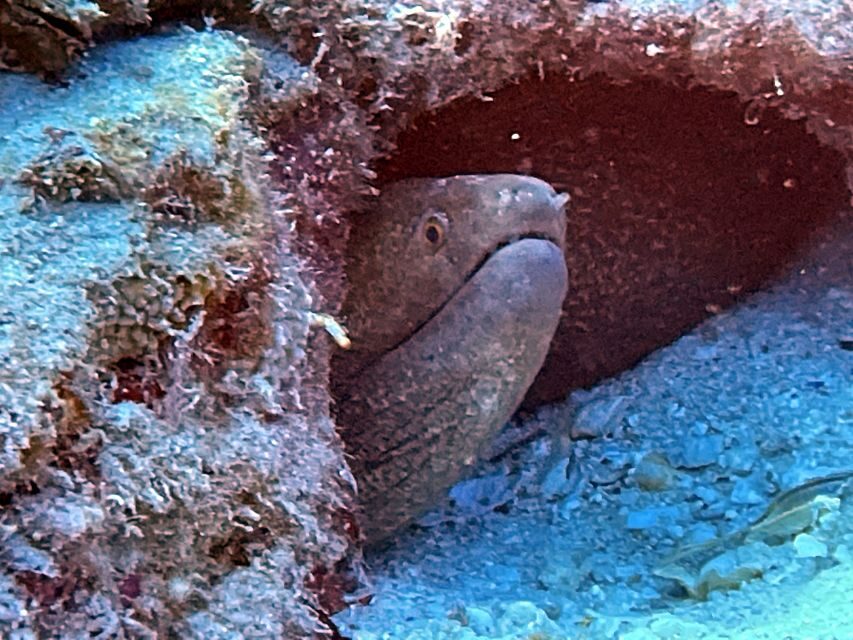
Let’s talk value, not just cost.
You’re paying for:
- a PADI-certified guided experience
- a total of about 3 hours on the water program
- two separate guided underwater sessions (each about 1 hour)
- included gear rental for night conditions (2 tanks, wetsuit, weights, fins, BCD)
- included underwater lights
- snacks and refreshments during the surface interval at sunset
So the money isn’t just going toward the word night. It’s going toward the whole package of risk management, guidance, and equipment that makes night viewing possible.
If you already own everything and you’re comfortable with night protocols, you might compare this to doing your own setup. But most people on vacation don’t want to spend their day managing equipment compatibility, local regulations, and who has the right lighting. This format removes all that friction.
For me, the strongest value signal is the two-session structure. One long session can be tiring. Two separate guided blocks often means you get better focus and better viewing time, with a reset in between.

Who this night scuba outing is best for—and who should pass
This is straightforward: it’s for certified divers who can swim and are in good health. You must be able to present proof of certification at the boat, and you should expect a real “check-in to control” vibe because night conditions can’t be treated casually.
It’s not suitable for:
- children under 15
- pregnant women
- people with pre-existing medical conditions
There’s also an important travel constraint: you must not fly within 24 hours after your scuba session. That’s the kind of rule that should guide your whole itinerary. If your flights are tight, you might need to schedule this day earlier or choose a different activity that doesn’t put you on the scuba schedule.
If you’re a certified diver and you want one Oahu experience that feels distinct from daytime reef trips, this fits well. If you’re hoping for a casual, no-prep waterside activity, it won’t match. Night scuba asks for comfort with the process.
My booking call: should you reserve this Oahu night scuba experience?
If you’re a certified diver looking for a night outing that’s structured, gear-supported, and focused on seeing more than just darkness, I’d book it. The package is built around the transition from twilight to full dark, and that’s when the ocean behaves differently. You also get the practical win of included underwater lights and full gear rental, which makes the experience much easier to plan.
I’d hesitate only if any of the limits apply to you: certification and swimming ability, health concerns, pregnancy, or the 24-hour no-fly rule. Also check your comfort with the idea of complete darkness. If you know you’re sensitive to low visibility, ask the operator about what to expect so you don’t feel stressed once you’re down.
One more reality check from the feedback: the overall rating is 3.6 based on a small set of reviews, and at least one verified booking calls the experience amazing. That’s not a guarantee, but it does suggest the core experience can really land well—especially for people who want the guided, gear-supported night format.
FAQ
Do I need to be a certified diver?
Yes. You must be a certified diver and be able to present proof of your certification at the boat.
What scuba gear is included in the price?
The rental includes 2 tanks, underwater (dive) lights, a wetsuit, weights, fins, and a BCD.
How long is the experience?
The total duration is about 3 hours.
How much of the trip is in the water?
There are two guided underwater sessions, each about 1 hour, plus a 25-minute safety briefing and a 30-minute surface break.
Where do I meet the group?
Meet at the harbor, front row, slip 8, and look for the large picture of the turtle. Arrive at least 30 minutes before the activity start time.
What should I bring?
Bring swimwear, a towel, and your scuba certification.
Is parking included?
No. Parking is not included. There is parking at Kewalo Basin for $1 an hour and at Ala Moana Beach Park for free.