REVIEW · OAHU
Polynesian Canoe Morning Sail
Book on Viator →Operated by Kamoauli · Bookable on Viator
Oahu wakes up fast from a canoe. This 2-hour morning sail is a smart way to catch morning wildlife activity and you get small-group attention from the crew and teachers while learning how Hawaiian culture ties to the sea. The only real catch is the early start at 8:00am.
I like that you’re not just “on a boat.” You’re sailing aboard Kamoauli, a traditional wa’a kaulua made from all-wood, double-hulled design, and the whole experience is built around ka mo’olelo—native history, myths, legends, and stories of the land—while you glide around Oahu’s waters.
In This Review
- Key highlights to know before you go
- From Waikiki at 8:00am: Why the morning sail feels different
- Kamoauli: A traditional wa’a kaulua that’s meant to teach
- The sail route: Waikiki views, plus landmarks along the way
- On-deck culture: music, hula basics, and hands-on poi
- Wildlife chances: turtles, dolphins, and maybe a whale
- Who this trip fits best (and who may want another option)
- Value check: what you’re really paying for
- Quick practical notes before you book
- Should you book the Polynesian Canoe Morning Sail?
- FAQ
- How long is the Polynesian Canoe Morning Sail?
- What time does the tour start, and where is the meeting point?
- Is the tour offered in English, and how many people are in a group?
- What’s included during the experience?
- Who can participate?
- Is the meeting point near public transportation?
- Are service animals allowed?
- What’s the cancellation and weather policy?
Key highlights to know before you go
- Max 6 travelers on board, so questions aren’t awkward and instructions feel personal
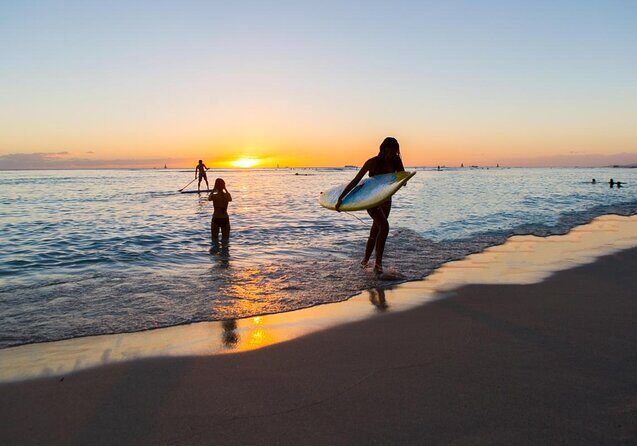
- 8:00am departure means the water is calmer and you’re more likely to see wildlife
- Traditional Hawaiian snacks and drinks are part of the experience on the water
- Hawaiian music, hula, and hands-on cultural activities (like poi making)
- Captain Ron and the crew focus on storytelling and practical cultural context, not just sightseeing
From Waikiki at 8:00am: Why the morning sail feels different
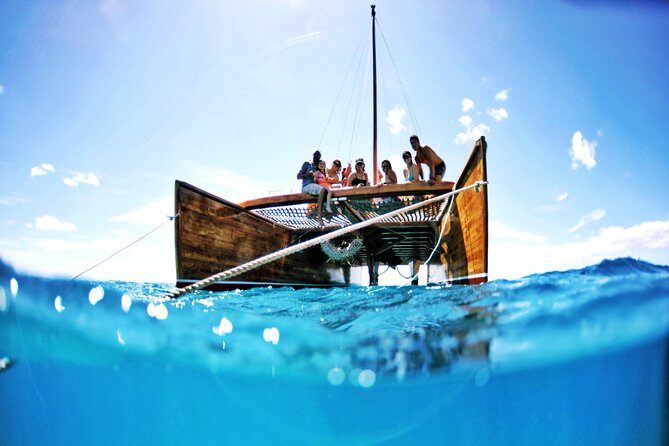
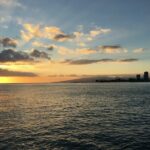
If you’ve ever taken a Hawaii boat tour in the afternoon, you know the vibe can get… loud. The light is harsher. The sea can feel busier. A morning sail flips that. You’re out when the shoreline still feels half-asleep, and the water often looks more glassy than later in the day. That calm matters on a canoe, because you’ll really notice how the hull moves and how close you are to the sea surface.
This one starts at 8:00am and runs about 2 hours, with the trip ending back where it began. Meeting is at 1125 Ala Moana Blvd, Honolulu. It’s a convenient location for getting to Waikiki area plans, and it’s also near public transportation, so you’re not trapped into renting a car just for this.
The biggest reason I’d choose the morning option here: it’s built to give you more wildlife chances. The crew’s focus isn’t only “look for animals,” but being on the water early lines up with what you’re hoping to spot—turtles, dolphins, and (if you’re lucky) whales.
One more detail that adds comfort: the group limit is small. With a maximum of 6 travelers, you’re not herded. You’re included. That changes how much you remember after the boat ride ends, because you’re not shouting across the deck to hear instructions.
You can also read our reviews of more boat tours in Oahu

Kamoauli: A traditional wa’a kaulua that’s meant to teach
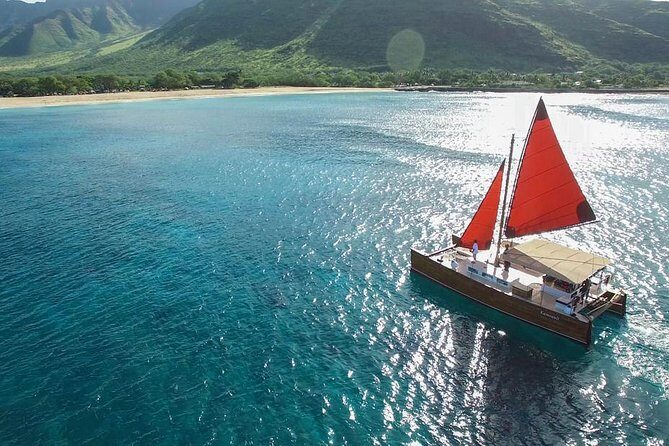
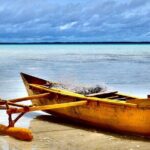
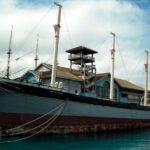
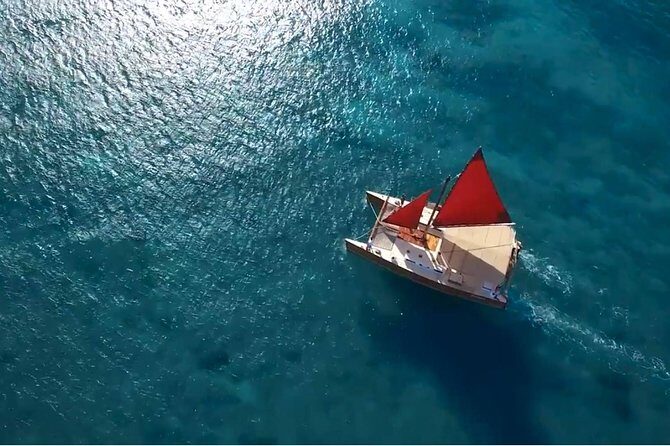
The canoe itself is part of the point. Kamoauli is described as an all-wood, double-hulled wa’a kaulua. That matters because it shapes the whole experience. A traditional canoe isn’t just a “vehicle.” It’s the classroom.
The provider’s mission centers on preserving Hawaiian culture through sailing, with stories tied to ka mo’olelo—the traditional narrative of the land. In plain terms: you’ll hear why the ocean and the canoe aren’t treated like scenery in Hawaiian life. They’re connected to place, identity, and memory.
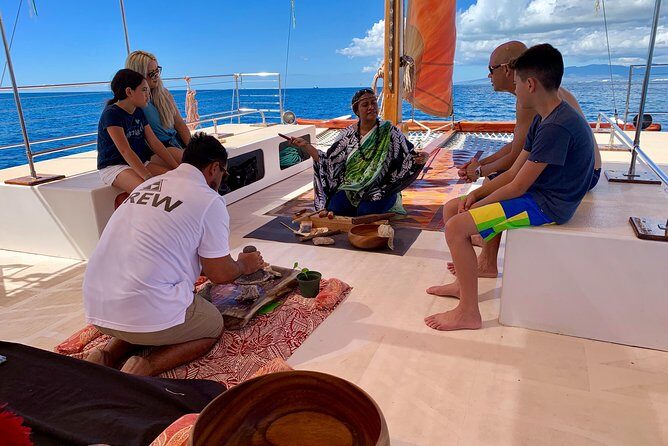
The crew and teachers are the engine here. You’ll get music and storytelling while you sail, and you’ll also get cultural instruction you can actually do. In the best reviews, people call out that the guide team feels attentive and warm—one of the crew members plays music (often the ukulele), and another teaches Hawaiian history and basics of hula and rhythm/percussion activities.
A note for expectations: this is not a fast “tour-boat” ride where you sit quietly for most of it. It’s more like a moving cultural lesson—pleasant, paced, and made for real participation.
The sail route: Waikiki views, plus landmarks along the way
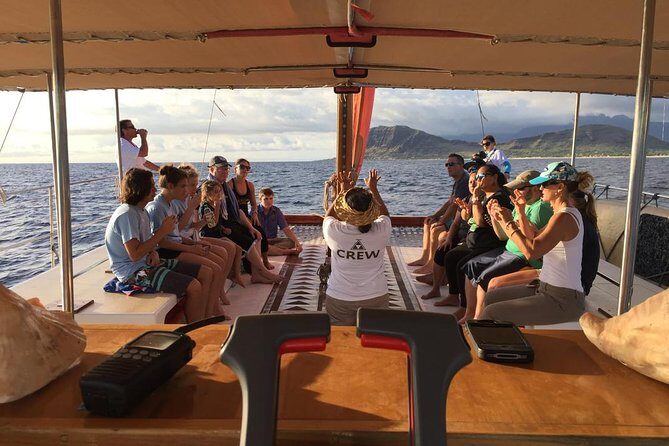
The sail begins near Waikiki. From there, you’re out on Oahu’s water taking in sights. The exact landmarks depend on conditions, but you’ll likely recognize some familiar names if you’ve done any Oahu reading or sightseeing.
In strong reviews, people specifically mention seeing Diamond Head and enjoying views linked with areas like Nanaue and Auqaman’s Palace. That’s useful because it signals the trip isn’t only about cultural talk—it’s also a real visual ride.
Here’s what you should do with that information: think of the canoe as a way to connect two kinds of Oahu. You get the classic “postcard” landmarks along the water, and you also get a story framework for understanding what you’re seeing.
If you’re expecting a strict “we go here at 9:10 and turn left,” don’t lock into that. Boats adjust. The sea decides some of the script. But the promise of the experience stays consistent: you’ll be sailing around Oahu with sights you’ll recognize, while the crew turns the ride into a cultural conversation.
On-deck culture: music, hula basics, and hands-on poi
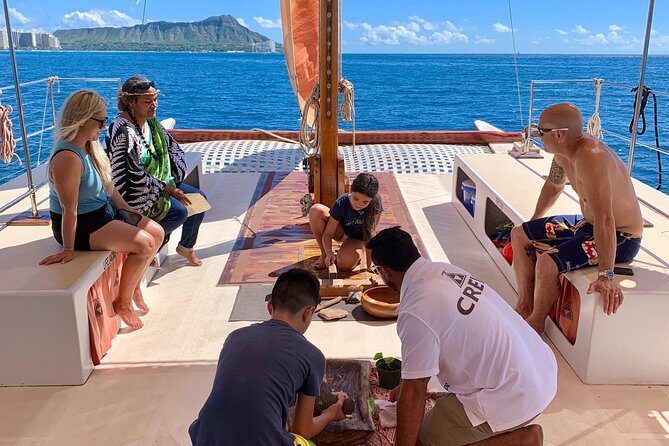
This is where the experience earns its top scores. The canoe ride isn’t only lectures. It’s interactive in a way that feels natural for a small group.
You’ll enjoy Hawaiian music during the sail. Multiple reviews highlight a music-focused crew member who plays the ukulele at times, which sets a relaxed rhythm for the stories.
Then comes the participation. You can expect to learn about Hawaiian culture and get hands-on with activities such as making poi, plus eating traditional foods. One set of reviews calls out poi making along with tasting things like poke and swordfish. Food and drink are included as traditional Hawaiian snacks and drinks, and that helps the whole experience feel like a morning meal as much as a tour.
Hula also shows up as instruction, not just performance. Reviews describe learning elements of hula and being taught along the way, including rhythm and percussion concepts. The tone sounds friendly and encouraging—more “let’s learn” than “sit and watch.”
If you’re traveling with teens or kids, this section is a big deal. A lot of cultural activities can be too academic for younger travelers. Here, you’re moving, eating, listening, and trying small pieces of dance and rhythm. Even if you don’t get a perfect step, you’ll leave with better context and a stronger sense of place.
Possible drawback to keep in mind: because this is hands-on, you’ll want to stay engaged. If you’re the type who prefers silent sightseeing and hates any participation, this may feel like more interaction than you want. The good news: the pace is still relaxed, and it’s a small group.
Wildlife chances: turtles, dolphins, and maybe a whale
The early hour isn’t just for your schedule. It’s for your odds.
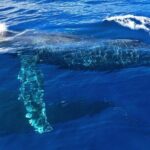
Reviews mention seeing turtles and dolphins that swim close to the canoe—sometimes right under the bow—so you’re not stuck with a distant speck in the horizon. Another highlight in reviews is the possibility of a whale sighting, with people describing following it for a while.
You should treat wildlife like weather on the ocean: not guaranteed, but more likely in the right conditions. The morning timing helps, and the small canoe platform seems to create a “we’re close to the sea” feeling compared with larger boats.
If you’re going for wildlife first, here’s a practical way to set expectations: keep your camera ready, but don’t stare constantly. Watch for movement in the water around the canoe, then let the crew’s guidance help you spot what’s actually worth focusing on.
You can also read our reviews of more tours and experiences in Oahu
Who this trip fits best (and who may want another option)
This tour is a great match if you want Oahu with context. Think families, couples, and anyone who prefers learning the “why” behind what they’re seeing.
It’s especially good for:
- Families with kids and teens who may get restless on long, quiet sightseeing tours
- People who want Hawaiian culture explained in a way that’s story-driven and hands-on
- Travelers who like small group experiences where you can ask questions
- Anyone who enjoys a morning routine and wants to make the early hours pay off
You might choose something else if:
- You hate early starts and don’t want to be at the meeting point by 8:00am
- You want a purely sightseeing-only cruise with minimal participation
- You’re traveling with limited flexibility if weather forces a reschedule (the experience depends on good conditions)
Value check: what you’re really paying for
We don’t have pricing in the details here, so I’ll talk value the practical way: what you get for the time you spend.
In about 2 hours, you receive:
- A traditional sailing experience on a restored all-wood double-hulled canoe
- Cultural education built around ka mo’olelo and Hawaiian history and legends
- Music and hula instruction
- Traditional snacks and drinks
- Hands-on activities like making poi
That mix is the value. Lots of “sightseeing boat tours” give you views. Fewer give you food and culture instruction and a small-group setting where you can actually connect with the teachers.
If you’re thinking about a morning slot anyway, this one uses the time efficiently: you’re seeing Oahu, eating, learning, and enjoying the feel of the canoe at the same time.
Quick practical notes before you book
- Plan for an 8:00am start. If you’re coming from a hotel farther out, build in buffer time.
- Dress for the sea. Mornings can feel cooler than you expect in Hawaii, especially on the water.
- You’ll be in a small group, so bring your curiosity. This trip rewards people who participate, ask questions, and let the crew set the pace.
- This experience is in English, so you’ll be able to follow the stories clearly.
Also, keep a respectful attitude toward the cultural parts. This isn’t a gimmick. It’s the whole reason the canoe exists.
Should you book the Polynesian Canoe Morning Sail?
Book it if you want a morning Oahu experience that blends sailing with Hawaiian culture in a way that actually feels approachable. The highlights in the reviews—Captain Ron and crew’s friendly instruction, the music, the hula and percussion learning, and the hands-on poi making—all point to a trip that’s more memorable than a standard boat ride.
I’d also say it’s an easy recommendation if you care about small groups. With a maximum of 6 travelers, you’re likely to feel seen and included, not like another body in a line.
Skip or reconsider if you’re scheduling around early mornings or you prefer silent sightseeing. This is a “talk, learn, taste, and try” kind of tour.
If you like the idea of seeing Oahu while the ocean wakes up—and you want the story behind it—this is one of the better ways to spend a short morning on Oahu.
FAQ
How long is the Polynesian Canoe Morning Sail?
The sail lasts about 2 hours.
What time does the tour start, and where is the meeting point?
It starts at 8:00am and meets at 1125 Ala Moana Blvd, Honolulu, HI 96813. The activity ends back at the meeting point.
Is the tour offered in English, and how many people are in a group?
Yes, it’s offered in English. The maximum group size is 6 travelers.
What’s included during the experience?
You’ll enjoy traditional Hawaiian snacks and drinks, along with the cultural education, music, and activities that are part of the onboard program.
Who can participate?
The information says most travelers can participate.
Is the meeting point near public transportation?
Yes, it’s listed as near public transportation.
Are service animals allowed?
Yes, service animals are allowed.
What’s the cancellation and weather policy?
You can cancel for a full refund up to 24 hours before the start time. The experience requires good weather; if it’s canceled due to poor weather, you’ll be offered a different date or a full refund.