REVIEW · OAHU
Small-Group Deep Dive in Oahu with Shipwreck and Reef
Book on Viator →Operated by Hawaiian Diving Adventures · Bookable on Viator
A 100-foot shipwreck changes everything. This Oahu charter strings together two underwater stops—deep wreck first, then reef—so you’re not just sightseeing, you’re working with real sites offshore. It’s designed for certified, more experienced scuba divers, with a guide in the water and a plan that’s flexible based on your group.
I especially like that you get professional guidance every trip and a format built for people who already know buoyancy and dive procedures. I also love the odds of seeing wildlife: the wreck is farther from shore, and that’s where you’re more likely to cross paths with pelagic fish, sea turtles, and sharks.
One thing to weigh: this is an experienced-diver charter with minimum certification/logs, and it can be sensitive to demand and conditions—so don’t treat it like a casual, last-minute option.
In This Review
- Key things to know before you go
- A shipwreck + reef scuba plan that fits real skill
- Meeting at 7:45am and what the half-day rhythm feels like
- Stop 1 offshore: the ~100-foot shipwreck plunge
- Stop 2: a reef site around 40–60 feet
- The guide-and-group setup: attention without a circus
- Wildlife you’re likely to target—plus how to spot it
- Price and value: what $209 buys you in the real world
- Timing, health rules, and why they matter
- Who this charter suits best (and who should skip)
- Should you book the Oahu shipwreck + reef charter?
- FAQ
- How much does this Oahu charter cost?
- How long is the experience?
- What time does the tour start?
- Where does the tour meet?
- Do I need to be certified to book?
- What is the minimum age?
- What’s included in the price?
- Do I have to bring my own scuba gear?
- Is there a health or medical requirement?
- How big is the group?
Key things to know before you go
- Shipwreck first, reef second: a typical plan starts around 100 feet, then moves to a reef around 40–60 feet.
- Built for experienced divers: you need advanced certification or 25 logged dives.
- Small group size: capped at 16 people, which generally means less crowding and more attention.
- Wildlife-focused offshore sites: wrecks farther from shore can bring more pelagics, turtles, and sharks.
- Snacks and beverages are included: plus the reef environmental fee and fuel surcharge.
A shipwreck + reef scuba plan that fits real skill
If you like your water time with purpose, this charter is aimed at you. The format is simple: you start offshore with a wreck, then you switch to a reef site in the range of 40–60 feet. It’s not trying to teach basics; it’s trying to put skilled divers on the best underwater options the day allows.
I like that the operator explicitly targets experienced divers only. That matters because site selection changes when you’re not spending the morning babysitting fundamentals. You’ll still get a pro with you, but the tour is clearly designed around confident buoyancy, predictable descents, and calm underwater habits.
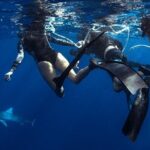
There’s also a practical advantage: because wrecks are farther out, you’re more likely to run into species you don’t always get at closer-to-shore spots. Think sea turtles, schools of fish, and the chance of sharks showing up as you travel through the water column.
You can also read our reviews of more tours and experiences in Oahu.
Meeting at 7:45am and what the half-day rhythm feels like
The outing starts at 7:45am, and the total time is about 3 hours 30 minutes. The activity ends back at the meeting point, so you’re not looking at a full-day logistics puzzle.
You’ll meet at 74VV+4X Honolulu (the exact pin varies slightly depending on your map app, but it’s near that listed coordinate). The location notes that it’s near public transportation, which can help if you’re not trying to solve the parking game in Honolulu before your first breath underwater.
Expect a morning flow that includes gear handling, briefing, and time moving out to the sites. The tour includes snacks and beverages, which is a small detail that can make a big difference when you’re up early and slightly nervous already.
Stop 1 offshore: the ~100-foot shipwreck plunge
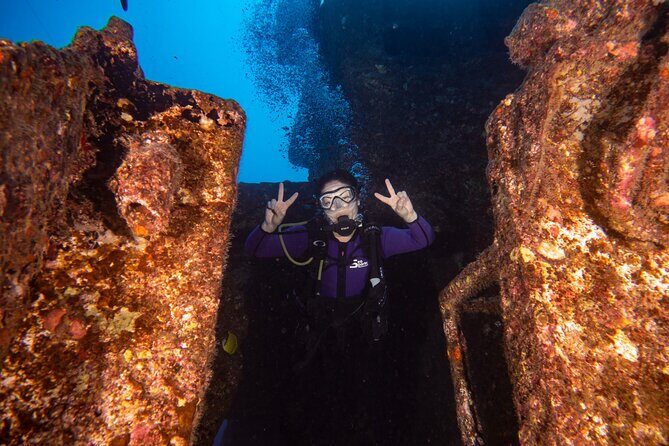
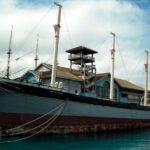
The first underwater target is usually a shipwreck with an initial plunge around 100 feet. That’s the kind of profile that rewards good control: smooth descent, steady buoyancy, and awareness of depth while you enjoy the scenery.
Why the wreck works so well: the wrecks are significantly farther from shore. That offshore distance often means you’re in a different ecosystem than you’d get from closer reef edges. In practice, that’s where the tour’s wildlife focus shows up—more pelagic fish, plus a better chance to spot sea turtles and sharks.
What you should mentally prepare for: you’re going deeper first, so you’ll want to manage comfort and planning early. Even if you’re certified, a 100-foot first stop can feel different than your usual shallow training. If you’re the type who likes to be extremely relaxed underwater, do yourself a favor and show up ready—full attention on air, timing, and depth control.
One more practical point: because this is chartered with experienced divers in mind, the guides can sometimes adjust where you go based on the group’s comfort and what you want to see. That flexibility is a plus, but it also means you shouldn’t expect a one-size-fits-all route every time.
Stop 2: a reef site around 40–60 feet
After the wreck, the plan typically shifts to a reef around 40–60 feet, depending on what the team feels like doing that day. For many divers, this is the sweet spot: deep enough to explore reef structure and marine life, but often easier for buoyancy and navigation than the initial deeper profile.
Reef time can be a mood change in a good way. The wreck can feel like you’re “working the vertical,” while the reef is more about sweeping your vision side to side and reading what’s living in the nooks and edges. If you’re hoping to see fish and turtles again at closer range, this is where you get more time to enjoy them without being so preoccupied with depth margins.
Also, the operator mentions that with an experienced enough group, they can guide you to more adventurous areas of the underwater world. Translation: if the group is solid, you’re less likely to get stuck with the safest, most predictable route. You’ll still follow the guide’s judgment, but the day has room for smart ambition.
The guide-and-group setup: attention without a circus
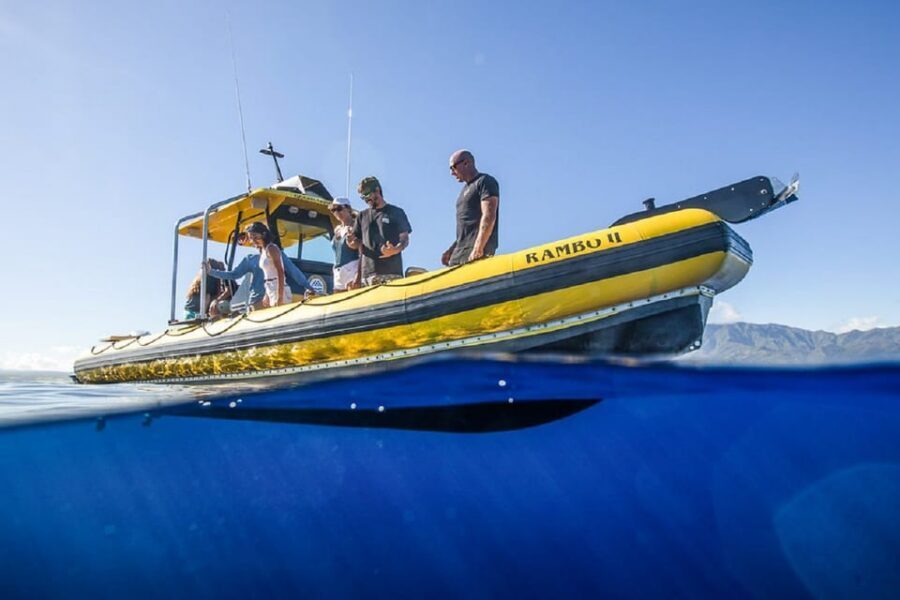
Every trip is accompanied by a divemaster or instructor, and that’s important for two reasons. First, you get clearer direction on underwater movement and site flow. Second, an experienced guide helps keep the group manageable so everyone can focus on seeing instead of worrying.
This charter keeps the group capped at 16 travelers. In diving terms, that number can mean the difference between feeling like you’re on a packed tour boat and feeling like you can actually hear and respond to cues. Smaller groups also tend to make it easier for the guide to match pacing to the group’s actual comfort.
You also have the option to rent scuba equipment or bring your own. If you’re bringing gear, arrive with it staged and ready so you’re not scrambling while everyone else is loading up. If you’re renting, plan to confirm fit and setup needs before you get in the water—small gear issues underwater become big stress quickly.



Wildlife you’re likely to target—plus how to spot it
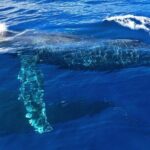
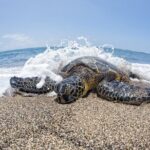
The tour is built around a wildlife-friendly premise: dolphins, whales, sea turtles, fish, and more. Some of that can depend on season and conditions, so think of this as a set of smart chances rather than a guarantee.
That said, here’s how the tour’s site logic helps your odds:
- Offshore wrecks tend to attract a different set of fish, including pelagics. When you’re in that water column, scan calmly and don’t rush your head movements.
- Sea turtles often show up where there’s food and structure. On a wreck, they may cruise along surfaces and edges; on a reef, you can sometimes spot them closer to habitat lines.
- Sharks are part of the wreck-and-offshore story. If they’re present, you’ll usually want to stay steady and let the guide decide when it’s worth moving.
A quick tip: your best sightings usually come when you’re not trying to chase. If you follow the guide’s pacing and keep your body stable, you’ll see more and spook less.
Price and value: what $209 buys you in the real world
At $209 per person for about 3 hours 30 minutes, the price sits in the “serious outing” category, not the “cheap activity” category. But you are getting several things folded into the cost.
Included:
- Environmental Management Charge (Reef Tax)
- Fuel surcharge
- Snacks and beverages
- Professional guide
Not included:
- Hotel pickup and drop-off
For value, I look at three questions. Does the operator provide real expertise? Are the key costs handled up front? And are you paying for a day that’s actually timed and structured for your goals?
This charter checks the first two boxes clearly—professional guidance is built in, and those fee components are included. The third box is where you’ll feel it: two-site structure (wreck then reef) and a plan geared to experienced certification is usually what you’re paying for.
Also consider the group cap of 16. If you’re booking when other divers are available, the small-group feel is part of the value equation. If you’re booking solo or with a tiny party, read the room carefully—more on that below.
Timing, health rules, and why they matter
This tour has a few safety and planning rules that aren’t there to spoil your fun. They’re there because the underwater environment is unforgiving.
- You’ll need to complete a health questionnaire prior to diving.
- Some pre-existing medical conditions (like asthma or heart conditions) may prevent you from diving. If you’re unsure, check with your doctor.
- Diving within 18 hours of flying is not recommended.
- Minimum age is 14 years.
- Service animals are allowed.
If any of those apply to you, plan early. A last-minute scramble over paperwork or medical clearance can cost you the trip you wanted most.
Who this charter suits best (and who should skip)
This is not a “first time scuba” experience. The requirement is clear: you must be a certified diver with an advanced certification or 25 logged dives.
So who should book?
- You’re comfortable with deeper profiles and underwater navigation.
- You already manage your buoyancy calmly.
- You want a wreck-and-reef combo that’s designed for experienced divers.
Who might choose something else?
- If you’re still building confidence or you don’t have the certification/logs listed, you’re not the target audience.
- If you’re flying in and you can’t respect the 18-hour recommendation, consider waiting.
- If your schedule is extremely tight and you can’t handle potential rescheduling due to conditions or group needs, this might be stressful.
One red flag I’d treat seriously: I saw an account where the trip was canceled the day before because only one client booked, and the person reported slow or absent communication and no clear reschedule at the time. That kind of situation can happen in small-operator world, but it’s exactly why I’d urge you to book with buffer time and keep your contact info accessible.
Should you book the Oahu shipwreck + reef charter?
I’d book this if you’re an experienced diver who wants an offshore wreck start and a reef follow-up, with a guide who’s there for real underwater decision-making. The structure, the site strategy, and the wildlife potential make it a strong match for divers who already know how to handle themselves underwater.
But I wouldn’t treat it like a casual, guaranteed checkbox—especially if you’re traveling with zero flexibility or you’re counting on last-minute changes. This type of charter can be weather-dependent, and small-group operators may adjust plans when demand is low.
If your certification fits, your schedule has a little slack, and you’re excited by the idea of a ~100-foot shipwreck followed by reef time, this charter is a solid value at $209, especially with snacks, beverages, and the professional guide included.
FAQ
How much does this Oahu charter cost?
It’s priced at $209.00 per person.
How long is the experience?
The duration is about 3 hours 30 minutes.
What time does the tour start?
The start time is 7:45 am.
Where does the tour meet?
The meeting point is listed at 74VV+4X Honolulu, and the activity ends back at the meeting point.
Do I need to be certified to book?
Yes. You must be a certified diver with an advanced certification or have 25 logged dives.
What is the minimum age?
The minimum age is 14 years.
What’s included in the price?
Included are the Environmental Management Charge (Reef Tax), fuel surcharge, beverages, snacks, and a professional guide.
Do I have to bring my own scuba gear?
You can bring your own equipment or rent equipment, depending on what you prefer.
Is there a health or medical requirement?
Yes. You’ll be required to complete a health questionnaire prior to diving, and some medical conditions may prevent you from diving.
How big is the group?
The tour has a maximum of 16 travelers. The tour language is English, and you’ll receive a mobile ticket.