REVIEW · OAHU
First Time Introductory Scuba Dive
Book on Viator →Operated by Hawaiian Diving Adventures · Bookable on Viator
Your first breath underwater starts with calm instruction. I really love two things about this Oahu intro scuba outing: the tight, safety-focused coaching in tiny groups and the fact that equipment and snacks are handled for you. The one real consideration is water conditions—if the surface is choppy, the early skill practice can feel more intense than you expect for a first timer.
This is built for beginners. You’ll get a guided run-through of safety rules and the key skills you need, then head out for your first open-water time with an instructor keeping things comfortable. It’s offered in English, it runs about 4 hours, and it starts at 11:00 am from a Honolulu meeting point.
You’ll also appreciate the size control. These introductory sessions are designed for groups of one to four, and that helps keep people from startling marine wildlife. The full activity caps at 16 travelers, and that usually means less chaos on the boat and better attention for learning.
In This Review
- Key highlights worth your attention
- What you’re actually paying for at $279 in Oahu
- Meeting point, timing, and the flow of your 4-hour window
- Gear and snacks: small things that make a big difference
- Learning the basics safely (and why your instructor matters)
- The water sessions: what happens before you’re under
- Wildlife you may see around Oahu
- Weather and choppy water: the main consideration for true beginners
- Why the tiny-group setup makes a difference
- Price vs. what you get: where this is a smart buy
- Who this experience fits best
- Medical waiver and fitness: the non-negotiables
- What to bring and how to prepare (based on what’s not included)
- Should you book this first-time scuba session in Oahu?
- FAQ
- How long is the first-time scuba experience?
- What time does the tour start?
- Where does it meet and where does it end?
- What’s included in the price?
- Do I need to bring my own scuba gear?
- Is the program offered in English?
- What group size should I expect?
- Do I need to fill out a medical form?
- Is there any fitness requirement?
- What happens if weather is poor?
- Is there a mobile ticket?
Key highlights worth your attention
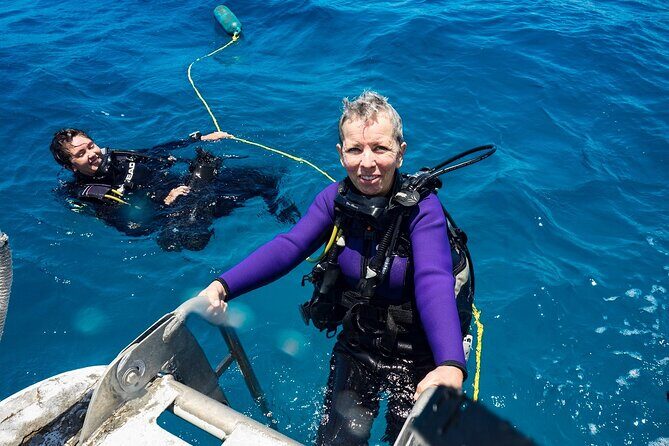
- Small groups (1 to 4) for more one-on-one time and better control over the experience
- All equipment included, so you don’t waste vacation time on rentals or packing gear
- Safety-first instruction, with your instructor centered on your comfort as well as safety
- Snacks included to keep your energy up before and between water time
- Wildlife spotting potential, including sea turtles and octopuses (and sometimes more)
What you’re actually paying for at $279 in Oahu
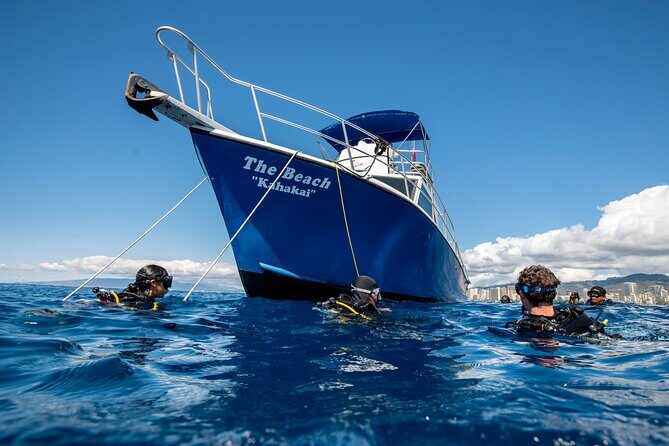
For $279 per person, you’re not just buying a ticket to be carried out on a boat. You’re buying an instructor-led learning package that includes scuba equipment and snacks, plus a setup designed to make your first underwater attempt feel manageable.
That value matters because the hidden costs of “learning later” add up fast. If you’re doing this on your Oahu itinerary, the easiest wins are: not hunting down gear, not dealing with extra logistics, and getting a structured lesson that tells you what to do in the water—before you’re alone in your thoughts.
Also, note the timing reality. The experience averages about 27 days booked in advance, which is a clue that good weather windows and limited group sizes go fast. If your dates are flexible, you’ll have more options. If they’re fixed, book earlier so you’re not gambling.
You can also read our reviews of more tours and experiences in Oahu.
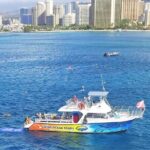

Meeting point, timing, and the flow of your 4-hour window
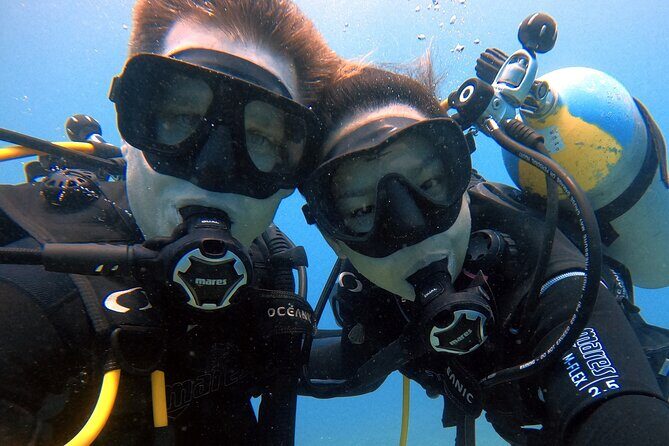
The action begins at the Honolulu meeting point marked by plus code 74VV+4W Honolulu. Your start time is 11:00 am, and the total duration is about 4 hours, give or take based on conditions and how smoothly everyone’s ready.
Here’s the practical rhythm I’d plan for:
- You arrive early enough to check in and get oriented.
- You’ll handle a medical waiver on the morning of the charter.
- You’ll get fitted with the scuba gear (included) and do basic instruction review.
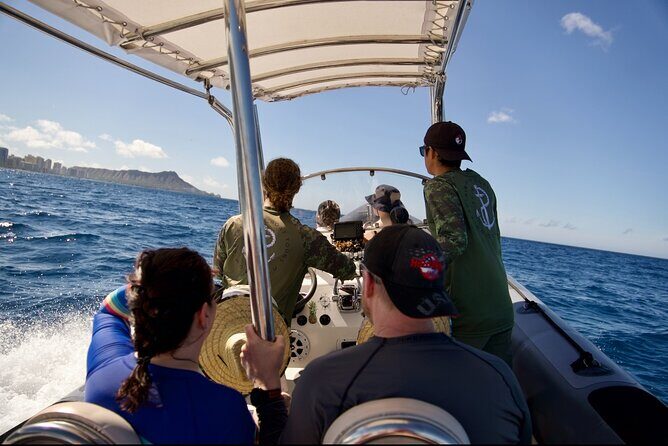
- You’ll head out, practice the required skills with your instructor, then spend time underwater, and often repeat once more.
- You return to the same meeting point where you started.
Because the total is only around 4 hours, you’ll want to treat it like a half-day commitment. That means keeping your schedule clear before and after, especially if you’re prone to motion sickness.
Gear and snacks: small things that make a big difference
This outing takes the pressure off the pre-trip planning. You don’t need to bring or rent scuba equipment. That alone is a vacation-saver, especially if you’re also juggling beach time, rental cars, or bus schedules.
You’ll also be fueled. Snacks are included, and in the first-timer experiences people share, having food and water available is a big reason the day feels smoother—especially when you’re nervous and your body is working overtime.
If you’re the type who gets shaky when you haven’t eaten, you’ll appreciate this. A calm start is easier when you’re not running on adrenaline and an empty stomach.
Learning the basics safely (and why your instructor matters)
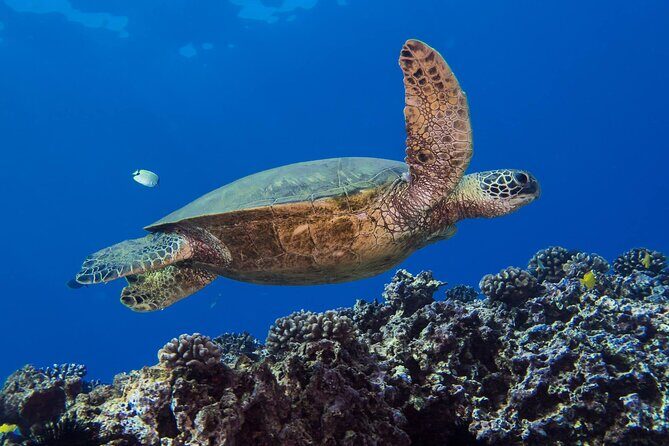
Your program is focused on fundamentals: safety guidelines and the basic skills you need to participate confidently. The key detail is that the instructor’s primary focus is your safety, comfort, and enjoyment, not just checking boxes.
In plain terms, expect a lot of “here’s what to do” and “here’s what it feels like” moments before you’re out in open water. That’s the difference between panic and competence.
One pattern I noticed from real first-time stories is the instructor style. For example, an instructor named Ed stood out for being patient—explaining the ins and outs clearly, then staying on top of details while people got comfortable. That kind of steady teaching matters on a first outing because your brain is busy learning an entirely new breathing system.
The water sessions: what happens before you’re under
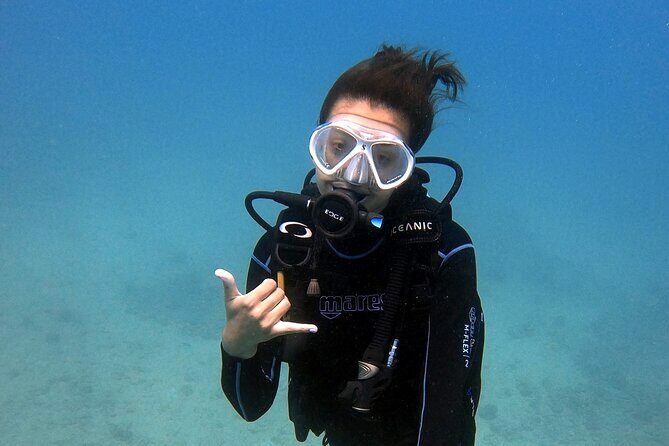
This experience is designed to keep the learning curve realistic. You’ll get guided training, then you’ll practice the required skills with your instructor once you’re in the water environment.
Then comes your underwater time. The goal is simple: you don’t just “go for a look”—you get to see marine life while you apply what you practiced.




Wildlife you may see around Oahu
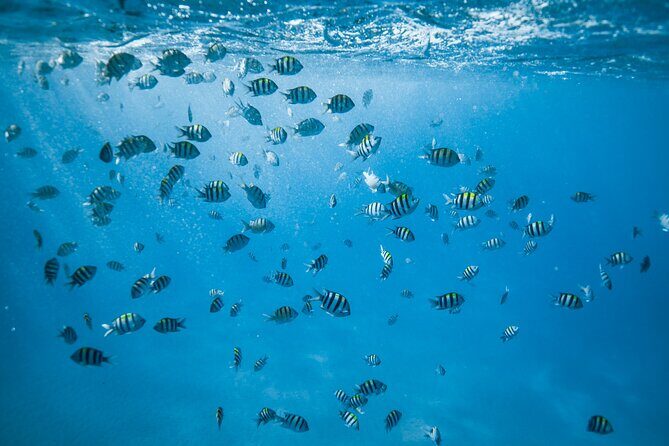
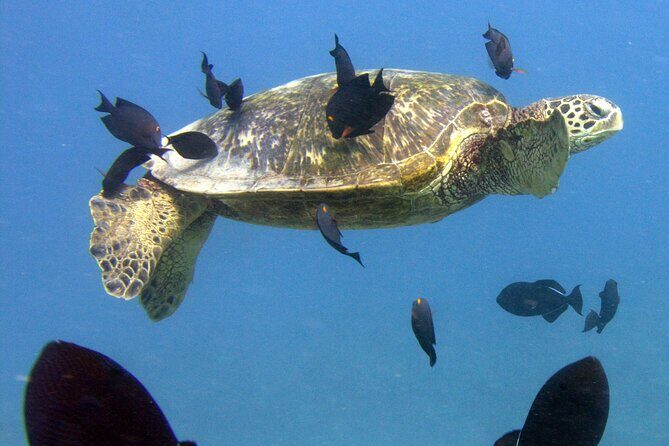
The program actively encourages you to watch for marine life. Sea turtles and octopuses are specifically called out as likely sightings. In first-time experiences shared from this outing, electric eels also came up, which tells me the marine life can be more varied than people expect.
One important reality check: nature doesn’t take requests. You might see a lot, or you might see less on a given day. Your best move is to stay focused on the basics your instructor gives you, because that’s what keeps your attention steady enough to notice wildlife.
Weather and choppy water: the main consideration for true beginners
The most important “plan for reality” item is surface conditions. One first-timer story described extremely choppy water and said the open-water skill practice felt challenging. That’s not about your ability—it’s about how your body handles movement while you’re learning.
Here’s the practical takeaway I’d give you:
- If you’re new and easily startled, go in knowing the surface phase can be rough.
- If you’re prone to motion sickness, consider bringing your own solution (like medicine you’ve already tested) and tell your instructor if you feel uneasy.
The good news is that the operator response to that concern emphasizes that choppiness doesn’t necessarily carry into the underwater portion. Still, you’re the one experiencing the ride and the first skill checks, so it’s smart to weigh your comfort level honestly.
Why the tiny-group setup makes a difference
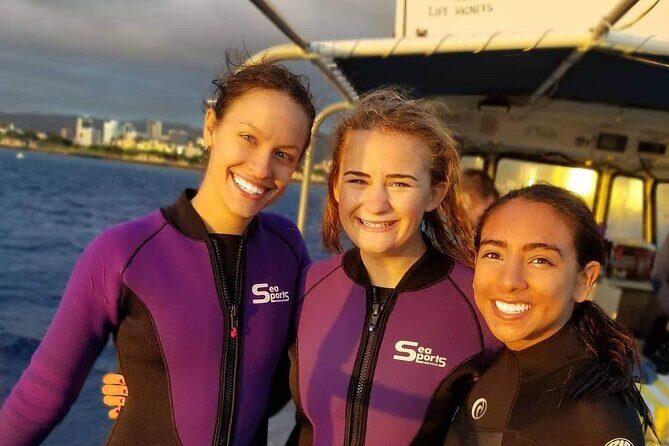
This isn’t a big crowd on a loud boat. Intro sessions are designed for one to four people, and the reason is more than marketing.
Small groups mean:
- Less noise and fewer bodies moving around at once.
- Less chance of people clustering in ways that spook wildlife.
- More time for your instructor to correct your gear handling and buoyancy habits.
And because the experience has a cap of 16 travelers total, you’re more likely to have a calmer setup overall. That matters when you’re learning something new. You want your focus to be on the lesson, not on navigating the deck.
Price vs. what you get: where this is a smart buy
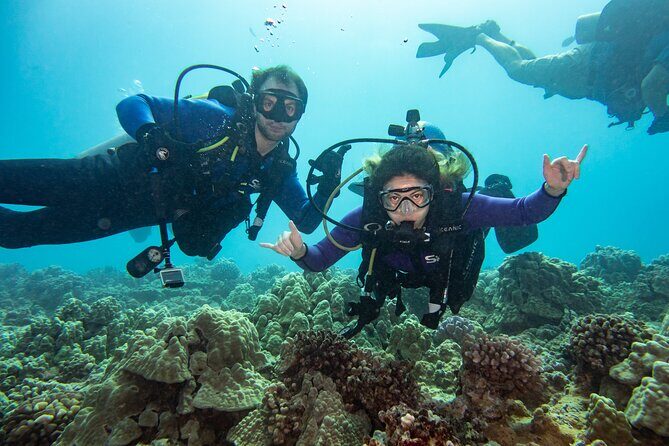
Let’s be honest about $279. You can find “cheaper” ocean activity. But this price buys specific value components:
- Gear included, which saves money and reduces stress.
- Snacks included, which helps you feel human during the day.
- A structured beginner program with safety and skill focus.
- Small-group attention that makes it easier to learn well the first time.
- A realistic chance to see wildlife like sea turtles and octopuses.
If you’re the type who wants to maximize your Oahu time without wrestling logistics, this fits well. If you’re looking for a simple sightseeing boat ride with zero learning, you’d probably feel the cost doesn’t match the goal.
Who this experience fits best
This is a strong match if you:
- Want to learn scuba basics without packing gear.
- Enjoy structured instruction and want an instructor watching your progress.
- Feel comfortable with moderate physical activity.
- Like the idea of a small group rather than a crowd.
It’s also a good fit if your priority is confidence. You’re not just thrown into the water. You’re guided through the rules and skills first, then supported as you practice.
It may be a tougher match if:
- You’re extremely motion-sensitive.
- You want pool-style practice before any open-water movement.
- You’re easily overwhelmed by surprise conditions like choppy surface water.
Medical waiver and fitness: the non-negotiables
On the morning of the charter, you’ll need to fill out an RSTC Scuba Medical Waiver. If you answer “Yes” on the form, you’ll need a doctors note before you’re allowed to participate.
This matters because the program is safety-driven. It’s better to handle this early in your own planning so you don’t lose the day—or get turned back last minute.
The experience also calls for a moderate physical fitness level. You don’t need to be an athlete, but you should be able to manage the basics comfortably—getting fitted, moving with the boat setup, and handling the physical demands of the water portion.
What to bring and how to prepare (based on what’s not included)
You won’t need to pack scuba gear—equipment is provided. Still, you’ll want to show up ready for the day.
My prep checklist:
- Bring your own swim-ready clothing and any personal comfort items you like.
- If you’re concerned about motion sickness, think ahead (and discuss it if the operator asks you to).
- Wear something you don’t mind getting wet, and plan for sun exposure.
For paperwork and smooth check-in, plan to arrive a bit early. A waiver on the morning of the charter means you’ll want your head in the right place.
Should you book this first-time scuba session in Oahu?
Yes, I think this is a great booking if you want an instruction-first experience and you’re okay with the ocean being the ocean.
Book it if:
- You want small-group attention for true first-time learning.
- You’d rather pay for an all-in setup than hunt gear and figure things out.
- You’re excited about wildlife like sea turtles and octopuses.
Consider alternatives or plan carefully if:
- You’re very motion sensitive and worry about choppy conditions.
- You feel you need a quieter practice setup before any open-water movement.
If you’re choosing between this and something more casual, the decision is simple: pick this when your goal is learning and guided confidence. Pick something else when your goal is just floating and sightseeing.
FAQ
How long is the first-time scuba experience?
It lasts about 4 hours.
What time does the tour start?
The start time is 11:00 am.
Where does it meet and where does it end?
It meets at the Honolulu location marked by plus code 74VV+4W Honolulu and ends back at the meeting point.
What’s included in the price?
Use of scuba equipment and snacks are included.
Do I need to bring my own scuba gear?
No. Equipment is provided.
Is the program offered in English?
Yes, it’s offered in English.
What group size should I expect?
Introductory dives are small groups of one to four people, with a maximum of 16 travelers for the overall activity.
Do I need to fill out a medical form?
Yes. You must fill out an RSTC scuba medical waiver on the morning of the charter. If you answer Yes, you’ll need a doctor’s note before you’re allowed to scuba.
Is there any fitness requirement?
Travelers should have a moderate physical fitness level.
What happens if weather is poor?
The experience requires good weather. If it’s canceled due to poor weather, you’ll be offered a different date or a full refund.
Is there a mobile ticket?
Yes, the tour includes a mobile ticket.