REVIEW · OAHU
Hangar Guided Tour
Book on Viator →Operated by Pearl Harbor Aviation Museum · Bookable on Viator
Two WWII hangars, still scarred.
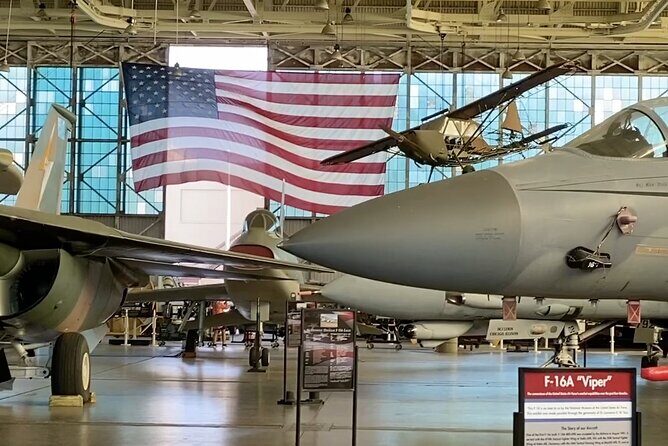
This Hangar Guided Tour at the Pearl Harbor Aviation Museum on Ford Island is one hour of close-up Pacific War aviation, led by veteran docents through Hangar 37 and Hangar 79, both still bearing the story of December 7, 1941. I especially like how the tour connects the aircraft to the people and actions of the day. The one thing to consider is you’ll spend about an hour in the guided portion, so if you want more time in the exhibits, plan some self-guided hours too.
What makes it work is the docent-led storytelling. Guides such as Tomoko, Chris, Steve, and Laughlin Tanaka are described as engaging, with narratives that make the hangars feel alive instead of like static rooms. You also get full general admission with the ticket, so the documentary isn’t just a trailer—it’s part of a museum visit.
At $40.98 per person, it’s not the cheapest add-on on Oahu. If you’re only skimming and you already know the basics, you might question the value; the guided hour is where the money turns into context and clarity.
In This Review
- Key highlights to know before you go
- Ford Island Orientation: Where Aviation Tells the Pearl Harbor Story
- Hangar 37: VJ-1, Amphibious Biplanes, and the First Response
- Hangar 79 Restoration Shop: Bullet Holes You Can See Up Close
- East Wind, Rain and the Museum Exhibits That Fill Out the Hour
- Time Plan: How to Make the Most of a 60-Minute Guided Hour
- Who This Tour Fits Best (and Who Might Skip the Guided Hour)
- Price and Value: What $40.98 Buys You Here
- Should You Book the Hangar Guided Tour?
- FAQ
- How long is the Hangar Guided Tour?
- What’s included with the tour ticket?
- Which hangars do you visit?
- Is the East Wind, Rain documentary included?
- Are flight simulators included?
- What language is the tour offered in?
- Can children participate?
- Can I get a full refund if I cancel?
Key highlights to know before you go
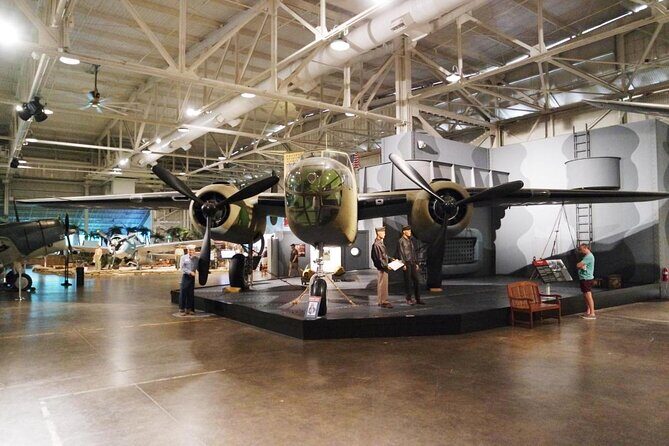
- Hangar 37 and Hangar 79 inside access: two still-intact WWII hangars tied directly to the attack.
- Bullet-hole realism: Hangar 79 is the restoration space with visible scars from December 7.
- VJ-1 connection: Hangar 37 is described as the hangar for utility squadron VJ-1 that fired back that day.
- East Wind, Rain documentary included: a 12-minute film shown as part of the tour experience.
- Full museum general admission: you don’t just get the hangars—you also get the rest of the exhibits.
- Small group cap: up to 25 travelers, which helps the guide keep things moving without turning it into a lecture.
Ford Island Orientation: Where Aviation Tells the Pearl Harbor Story
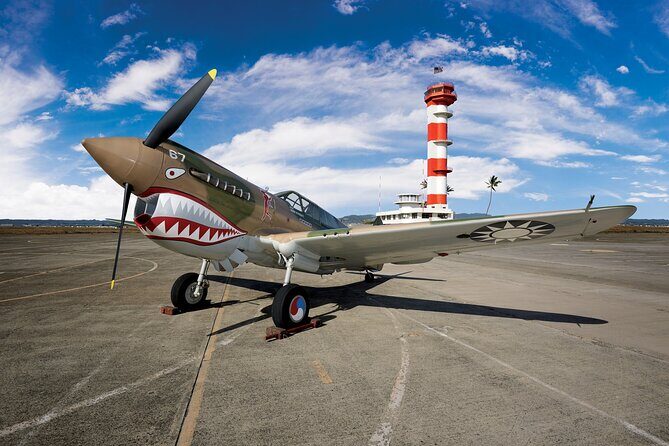
Ford Island is one of those places that makes “history” feel physical. You’re not just reading about the Pacific War—you’re standing on the aviation hub that supported reconnaissance, transport, attack, and recovery.
The Pearl Harbor Aviation Museum is based on a former Naval Air Station and is a National Historic Landmark. That matters because the buildings and hangars are part of the message: this isn’t a theme set built after the fact.
If you’re also planning to see the USS Arizona Memorial and the other Ford Island ships, think of this as the aviation layer of the same day. The museum’s focus is aircraft and the people who flew, maintained, and repaired them—so the story is different from the memorial experience, and that’s a good thing.
You can also read our reviews of more guided tours in Oahu



Hangar 37: VJ-1, Amphibious Biplanes, and the First Response
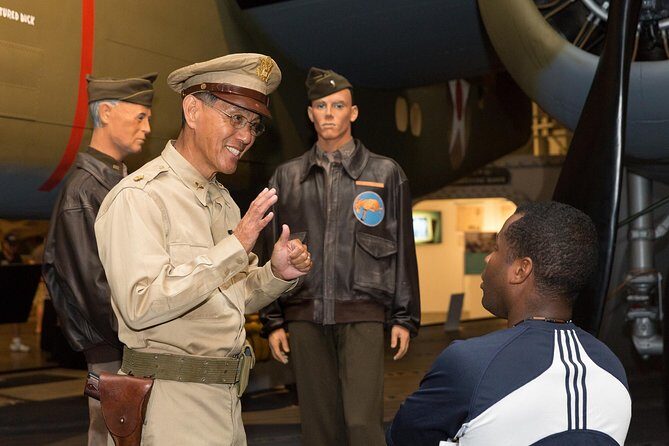
Your tour begins at Hangar 37, the visitor entry point. This is the “start line” hangar where the museum sets the stage for what happened on December 7, 1941—then backs it up with objects, aircraft, and documented details.
The most compelling angle here is that Hangar 37 served as the hangar for utility squadron VJ-1. On the day of the attack, they were described as firing back at the Japanese from machine guns aboard amphibious biplanes. Even if you’ve heard the Pearl Harbor story before, that particular detail shifts the tone from tragedy-only to action-and-awkwardness: war rarely looks neat, even for the people trying to respond.
A good docent guide is what turns those facts into something you can picture. In guide-led tours, you’re not just looking at airframes; you’re hearing how aircraft were used—torpedo-launch missions, training aircraft references, and the way the Navy repurposed what it could salvage. The result is that you can walk through a hangar full of equipment and still understand the human decisions behind it.
Practical note: signage in the rest of the museum is fairly descriptive, so you don’t feel lost even if you’re not an aviation expert. But if you want the “why this matters” part, the guided hour is the value piece.
Hangar 79 Restoration Shop: Bullet Holes You Can See Up Close
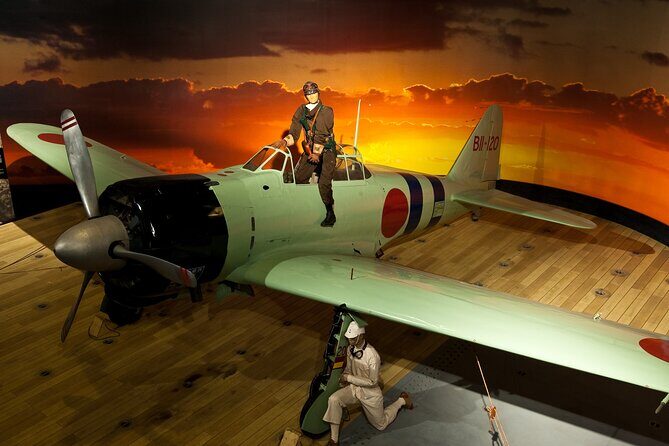
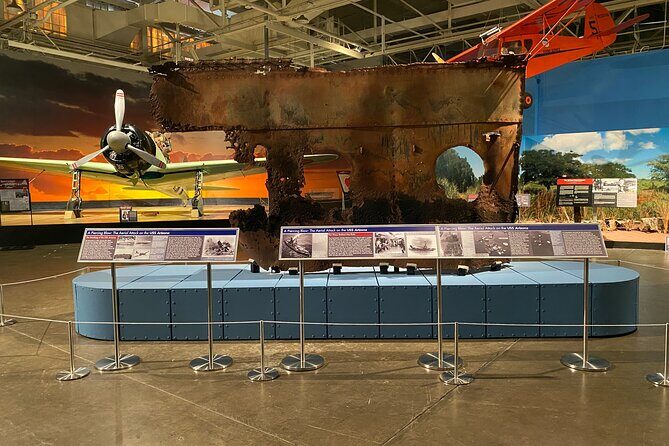
Hangar 79 is known as the restoration shop, and it’s the battlefield survivor. The key draw is that it still has bullet holes left by the Japanese attack, and that visual detail gives you a concrete sense of impact.
During the war, this space was used for maintenance and engine repair. Today, the museum keeps the restoration feel practical and authentic. You can see aircraft being restored using WWII tools, plus you’ll likely spot aircraft that are awaiting restoration.
The tour also points out that Hangar 79 features a 1940s Carrier Aircraft Service Unit (CASU) rebuilt to wartime authenticity. For me, that’s the difference between “cool planes” and “war mechanics.” You start understanding how aircraft stayed flying: maintenance wasn’t a side job—it was survival work.
If you’re sensitive to the heavier side of history, just know Hangar 79 is the part of the tour where the scars are most direct. It’s quiet in the best way, the kind of space that makes you slow down without anyone telling you to.
East Wind, Rain and the Museum Exhibits That Fill Out the Hour
Your Aviator’s Tour ticket includes general admission to the museum exhibits, and that’s what makes the experience more than a quick walk-through. The museum includes areas like MiG Alley, plus you can browse the museum store.
The documentary is part of your ticket too: East Wind, Rain, a 12-minute film about the events of the December 7, 1941 attack. This film is useful because it gives you timeline clarity. After you’ve seen the hangars, the documentary helps stitch together what the aviation parts connect to—attack sequence, outcomes, and why so many aircraft and crews mattered.
You may also notice how the tour’s narrative approach leans into the broader Asia-Pacific aviation story. The museum shows aircraft and related pieces from across the war, not just the first few hours of Pearl Harbor. That’s helpful if you want context beyond one date.
Optional extras can add time. There are flight simulators on site, but combat flight sims are not included in the tour. Some visitors describe the simulator as a fun add-on worth trying, but treat it as a separate cost and use it if you have energy left after the guided hour.
One more real-world detail: there’s food available on Ford Island, and the museum area includes an on-site restaurant or café in another hangar. If you plan to linger, it’s easier when you don’t have to leave the Ford Island bubble right after the tour.
Time Plan: How to Make the Most of a 60-Minute Guided Hour
The guided portion is about one hour and runs multiple times per day. The schedule flexibility matters because Pearl Harbor visits often come with crowds, shuttle timing, and the urge to see everything in one day. Having several departure times lets you fit the aviation museum without wrecking your full plan.
Group size is capped at 25 travelers. That’s large enough to meet people, but small enough for a docent to keep the pace moving and answer questions. When the reviews mention guides who kept everyone engaged, the group size is part of why that works.
Here’s how I’d structure it for a smooth day:
- Do the Hangar Guided Tour first or mid-visit, so the hangars set the tone for what you notice afterward.
- Then give yourself a little buffer to wander the rest of the museum exhibits at an easy speed.
- If you want a simulator, slot it after the documentary so the timeline stays fresh.
Also, wear shoes you don’t mind walking in. Hangars mean concrete, metal, and lots of “look up and look down” moving. It’s not a strenuous tour, but you do move through real spaces with real surfaces.





Who This Tour Fits Best (and Who Might Skip the Guided Hour)
This tour is a strong match if you care about aircraft, Pacific War events, or simply want the Pearl Harbor story explained with examples you can see. If you’re the kind of traveler who likes understanding what you’re looking at—why one aircraft matters, why a hangar was crucial—this is exactly that kind of experience.
It’s also great for mixed ages. Comments mention families with multiple generations, including kids, and the tour format is designed to be understandable even when the subject matter is intense. If you bring younger travelers, plan for a little extra patience—WWII details can be heavy, but a good docent can make it feel clear and human.
Should you skip the guided hour? Maybe. If you only want a quick walk for aircraft photos and you’re already comfortable with WWII aviation basics, you might find the museum signage and exhibits carry you. But if you want interpretation—the story behind the aircraft and the hangars—this is where you get it.
For first-timers to Pearl Harbor, I’d see it as a “don’t leave Ford Island until you understand the aviation side” stop. The memorial is essential; this is the aviation mechanics and mission perspective.
Price and Value: What $40.98 Buys You Here
At $40.98 per person for about an hour, you’re paying for two things: docent-led access to WWII hangars and full museum admission. The admission piece matters because it stops the experience from feeling like a short, overpriced walkthrough.
Think of it like this: you’re not just touring a building. You’re getting guided interpretation in the exact spaces where VJ-1 operated (Hangar 37) and where bullet impacts are still visible (Hangar 79). That’s hard to replicate with self-guided wandering alone, especially when the guide weaves the details together into a clear narrative.
The “value check” comes down to your interest level:
- If aviation history is your thing, the price feels easier to justify because the hangar access is the core.
- If you’re mostly there for general Pearl Harbor landmarks, you might question it—until the East Wind, Rain film and docent stories connect the dots.
Either way, the tour’s small-group setup supports the quality. If the guide is doing what guides like Tomoko, Chris, Steve, and Laughlin Tanaka were described doing—keeping the story flowing and answering questions—then the extra cost becomes practical value, not just a ticket fee.
Should You Book the Hangar Guided Tour?
Yes, if you want the Pearl Harbor aviation story explained in the actual hangars tied to December 7. Book it especially if you like museum experiences where a guide gives context and you leave thinking, I understand what I saw.
Skip it only if you’re trying to do everything on the cheapest, fastest track and you already know the WWII aviation basics. In that case, self-guided time in the museum might satisfy you.
If you have a short visit to Ford Island, I’d treat this as the best use of your limited time. The hangars are the main event, the documentary is included, and you get general admission to keep exploring afterward.
FAQ
How long is the Hangar Guided Tour?
The tour is approximately 1 hour.
What’s included with the tour ticket?
Your ticket includes the docent-led Hangar Guided Tour and general admission to the museum and its exhibits.
Which hangars do you visit?
You tour Hangar 37 and Hangar 79.
Is the East Wind, Rain documentary included?
Yes. The tour ticket includes access to the museum’s documentary, East Wind, Rain.
Are flight simulators included?
Combat flight sims are not included. If you want to do a simulator, plan on paying separately.
What language is the tour offered in?
The tour is offered in English.
Can children participate?
Children must be accompanied by an adult. Children under 4-years-of-age are free.
Can I get a full refund if I cancel?
Yes for cancellations made at least 24 hours before the experience start time. If you cancel within 24 hours, the amount paid is not refunded.