REVIEW · OAHU
Incredibly Fun Coral Reef Giant Sea Turtles 4hour Boat Scuba Tour
Book on Viator →Operated by WAIKIKI DIVE CENTER · Bookable on Viator
Sea turtles are the headline here. This 4-hour Oahu scuba boat day combines hands-on training with real professional instruction in warm water, not a sketchy beach setup.
I especially like the two-tank structure: you get coached, practice your skills, then spend real time exploring. And if conditions line up, you’re in the right neighborhood for giant sea turtles plus other big-name reef visitors like eagle rays, octopus, and reef sharks.
The main thing to plan around is conditions. In wetter periods, visibility can drop (some divers reported about 10–15 feet), and the reef can feel smaller than you hoped—so set expectations and you’ll enjoy it more.
In This Review
- Quick takeaways before you book
- Price and what you’re really paying for ($299 for 4 hours)
- The day’s flow: from Waikiki to open water in a tight half-day
- What you do first: training that aims for confidence, not fear
- Two shallow tanks: where you spend your real underwater time
- Giant sea turtles and the rest of the reef crew
- The roles that make or break your day: instructors and captain
- Stops around Oahu: scenic route with a practical purpose
- Gear, snacks, and the stuff you should plan for
- How safe is it, really?
- Value check: is $299 worth it for beginners on Oahu?
- Who should book this tour (and who should skip it)
- Should you book the Waikiki sea turtle boat scuba tour?
- FAQ
- How long is this scuba boat tour?
- Do I need to be certified to go?
- What’s included in the price?
- What depths should beginners expect?
- Do I need a medical check before I can participate?
- What’s the maximum group size?
- Are there rules about flying after the trip?
- What if the weather is unsafe?
Quick takeaways before you book
- Real professional coaching: instructors are presented as PADI-certified professionals, with an emphasis on safety and proper ratios.
- Two shallow tank plan: expect a rope-down style first tank and a second tank for more exploration.
- Big-animal odds: giant sea turtles are a core target, with sightings like eagle rays, sharks, and octopus showing up in past days.
- Small group limit: the day caps at 16 travelers, which helps keep the attention on beginners.
- Sober, medical-cleared, on-time: you’ll need a medical questionnaire (and doctor consent if required) and a no-alcohol policy.
Price and what you’re really paying for ($299 for 4 hours)
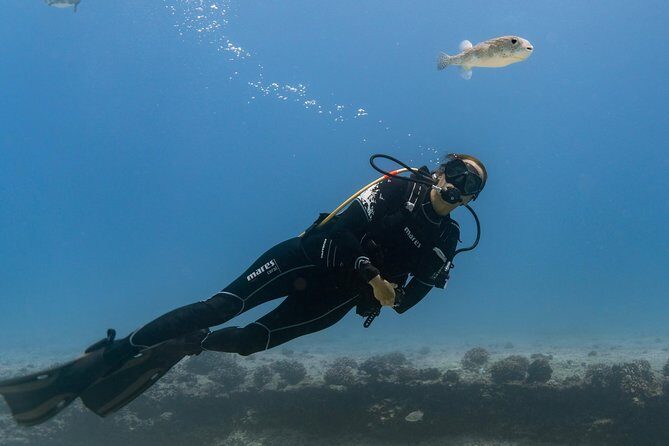
At $299 per person, this isn’t the cheapest way to try scuba. But the cost makes more sense when you look at what’s included: full equipment rental, water, snacks, and professional instructor time for an all-in, ocean-based experience.
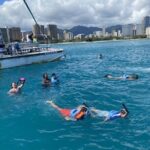
You’re also paying for the stuff that prevents chaos. The operator stresses that this is done in the open ocean from a larger dive vessel, with proper training and safety procedures, and it runs with a max of 16 travelers. That matters on a half-day schedule—there’s less room for winging it.
One quick reality check: with beginner tours, you’re mostly buying guidance + time underwater, not a guarantee of a perfect, teeming reef every single minute. When weather turns, visibility can shrink your view dramatically.
You can also read our reviews of more boat tours in Oahu

The day’s flow: from Waikiki to open water in a tight half-day
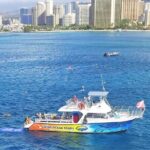
This runs about 4 hours total and centers on a Waikiki-area meeting spot at 424 Nāhua St. You’ll check in, get set up, and get briefed before heading out.
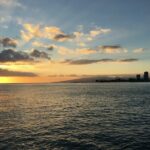
In between, you’ll spend some time at stops around the Waikiki and Honolulu coast—places like Lanikai Beach, Diamond Head State Monument, and Ala Moana Beach Park are part of the route. The big value of these stops is timing: you’re not wasting the whole day in transit. You’re moving efficiently toward the water access and staying focused on the underwater portion.
Here’s what I’d watch for: the schedule is built around water conditions and a safety cut-off. You need to show up on time, and there’s a 15-minute cut-out for late arrival. If you’re flying in the same day, factor in extra buffer.
What you do first: training that aims for confidence, not fear
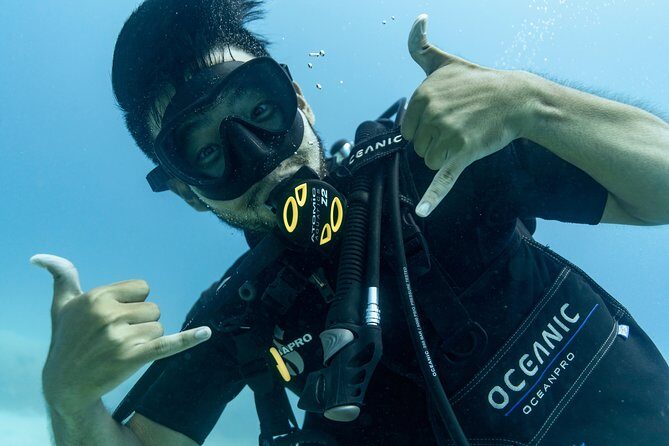
This tour is designed for people with no experience and also for certified divers who want a refresher. The expectation is that you start with instruction, then head down with a controlled plan.
For beginners, you should expect a first tank focused on fundamentals: using your gear correctly, working through basic skills, and getting comfortable with breathing and buoyancy at shallow depths. In one example from prior divers, the tour followed a rope down to around 50 feet to practice the basics, then returned for an additional tank to explore.
If you feel anxious, this format helps because you’re not thrown into the deep end of the ocean. Many past divers specifically praised instructors for being patient through the nervous moments—people named Chad, Olga, Josh, Red, and Mike came up repeatedly as strong coaches.
My practical tip: when the instructor asks if you have questions, speak up fast. If something feels confusing at the surface, it’s better to clear it before you’re underwater.
Two shallow tanks: where you spend your real underwater time
The tour is described as a two-tank setup, and the target is typically shallow reef depths. For the shallow plan, you’ll be around 40–60 feet; deeper plans (for those who do them) can go 60–100 feet, and the operator advises against flying soon after based on depth.
What this means for your experience:
- Your first tank is more controlled and skills-focused.
- Your second tank is where you usually get to slow down and look around.
- You’ll likely spend more time watching behavior than memorizing theory.
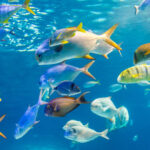
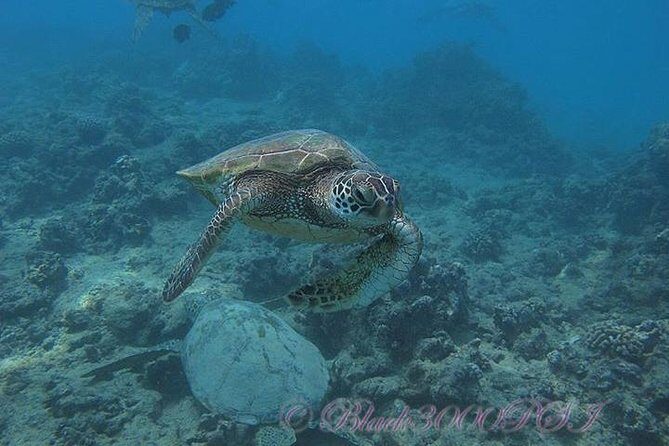
Based on prior dive experiences, you can expect to see reef life like colorful fish and coral structures, plus common big sightings depending on the day: giant sea turtles resting or moving along the reef, and animals like eels, urchins, and small octopus.
Also, temper your expectations if you’re expecting a huge, high-contrast reef every time. One diver reported the reef felt small and noted a “large pipe” area with coral and smaller life—paired with poor visibility during rainy season. It still counts as a real ocean experience, but the “wow” factor can swing with weather.
Giant sea turtles and the rest of the reef crew
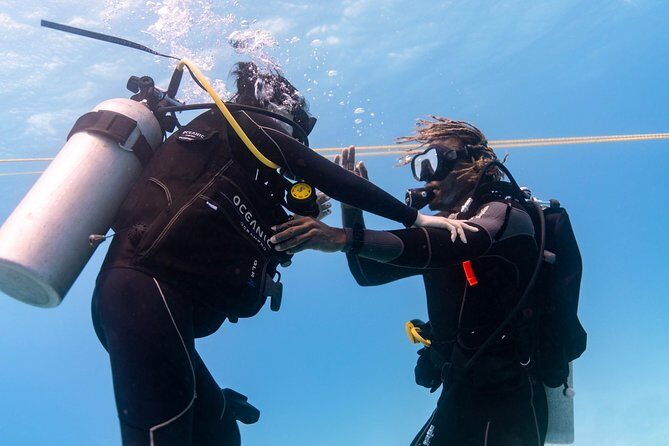
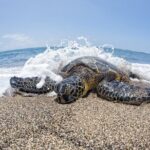
Sea turtles are the headline, but what makes this tour special is the mix of larger marine life you might spot in the same day.
In past experiences, divers reported:
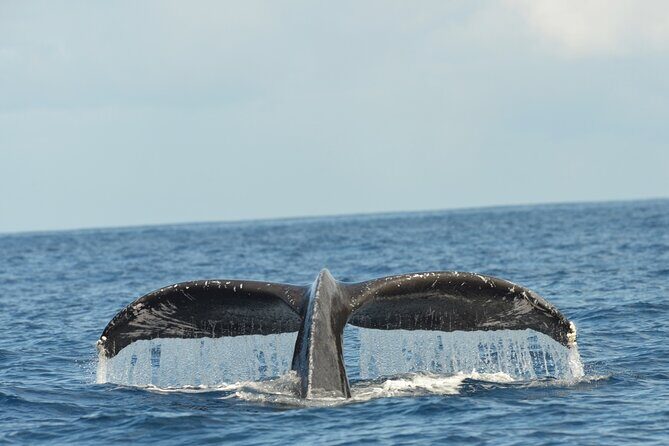
- giant sea turtles surfacing near them or coming out from under the reef
- eagle rays feeding
- reef sharks
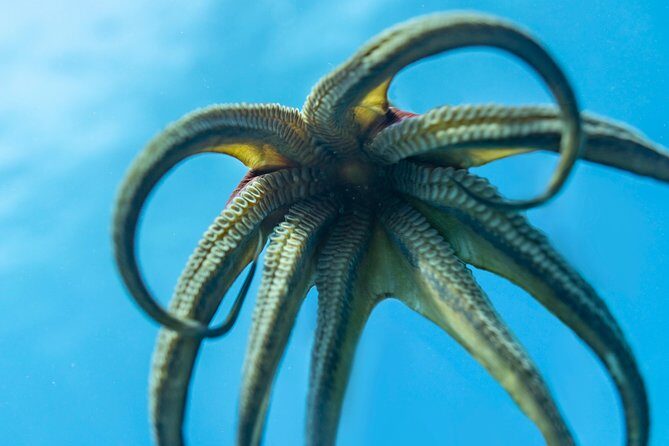
- eels and octopus
- lots of tropical reef fish, plus urchins and starfish
A pattern showed up in the praise: people weren’t just seeing turtles in the distance. They described turtles coming up close and surprising them with timing, like one turtle appearing near the group rather than being a “maybe later” sighting.
One important note: marine life is not a vending machine. You’re booking a guided chance with professional help, not a scripted wildlife documentary. Weather, water clarity, and how the group is progressing all influence what you’ll see.


The roles that make or break your day: instructors and captain
For beginner tours, the instructor relationship is everything. This operator’s strongest reviews focus on patience, clear explanations, and steady safety checks.
Names that came up often:
- Chad: described as extremely patient with first-timers, with coaching that helped divers feel comfortable by the end.
- Olga: praised for constantly checking equipment and comfort.
- Josh: highlighted for clear instruction and safety consciousness.
- Red: noted for patient, knowledgeable guidance.
- Captains like Yoshi and Steve also received praise for smooth operations and helping the non-diver (in at least one case, a diver finished and someone snorkeled with the captain’s help).
If you get a calm, attentive team, the tour feels like a series of small wins: you get your gear right, you manage your breathing, you learn buoyancy without panicking, and then you can actually enjoy the water.
If you don’t, the day can feel rushed. And while most feedback is very positive, there were a couple complaints about briefing flow or how groups were handled. My advice is to go in expecting coordination, and to ask questions right away if anything feels off.
Stops around Oahu: scenic route with a practical purpose
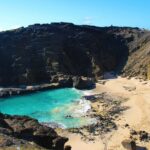
This day includes multiple stops, many around the Honolulu and Oahu coastline. You’ll see spots like Diamond Head, Hanauma Bay Nature Preserve (likely from the route rather than as a full visit since lunch isn’t included and this is a short half-day), and Lanikai Beach.
What you should take from these stops:
- You get a coastal “preview” while the crew manages the timing needed for open water.
- You don’t spend your whole day sightseeing far from the water access.
- You still get photo-friendly moments if your group pauses.
If you’re expecting guaranteed time inside every named location, don’t. This is built as a water day, not a land tour.
Gear, snacks, and the stuff you should plan for
Equipment rental is included, which saves you time and hassle. You’ll also have water and snacks, but lunch is not included, so plan to eat before (or after) depending on your timing and hunger level.
The operator also collects shoe size and T-shirt size at booking, which usually means your gear fitting is handled properly without last-minute scrambling. That’s a small detail, but it helps a lot for first-timers.
Two other “don’t skip these” items:
- You must complete the medical questionnaire, and if you have certain conditions, you’ll need a doctor’s consent to dive and to present it at check-in.
- You must remain sober; no alcohol prior to going out is part of the safety policy.
I’d also take the flight warning seriously. If your plan includes shallow tanks, don’t plan a flight within 18 hours; if you plan a deeper dive, avoid flying within 24 hours. This is your responsibility, so make it easy on yourself and schedule a buffer.
How safe is it, really?
The tour emphasizes safety procedures and proper staffing. It also limits group size to 16 travelers, and it stresses professional instruction rather than student or expired guidance.
From the feedback, safety and patience are recurring themes. Divers describe instructors checking equipment repeatedly, using clear safety briefings, and keeping the pace manageable for beginners.
Still, you should follow the rules exactly:
- Be honest on your medical forms.
- Arrive on time for the briefing.
- Keep your attention on instruction.
- Speak up if you feel uncomfortable underwater.
Safety doesn’t mean “no surprises.” It means the crew handles those surprises with training.
Value check: is $299 worth it for beginners on Oahu?
For me, this tour offers good value if you want:
- a real open-ocean, pro-guided scuba experience
- two tanks worth of underwater time in about half a day
- a beginner-friendly setup with clear coaching
It may not feel like a deal if you’re experienced and expecting endless visibility or a reef full of animals on command. But for beginners, paying for guidance usually beats trying to self-manage risky gear and buoyancy.
Also, remember the weather factor. If visibility is poor, the “visual payoff” drops—even if the safety and instruction are excellent. That’s why a flexible schedule helps. The good news: the operator states that if the trip is canceled due to unsafe weather, you’ll be offered a different date or a full refund.
Who should book this tour (and who should skip it)
This fits best if you:
- want your first scuba experience with coaching
- don’t already have gear and want it handled for you
- care more about learning and seeing sea turtles than about extreme depths
It may be a poor fit if you:
- need a guaranteed high-visibility day during rainy season
- are trying to fly too soon after diving (the operator gives specific time windows)
- can’t handle the medical paperwork and potential doctor consent requirement
There’s also a practical physical note: the tour says you should have moderate physical fitness. That’s usually about boarding and moving while wearing gear, not about being an athlete.
Should you book the Waikiki sea turtle boat scuba tour?
I’d book it if your top goal is a guided, beginner-friendly day with real professional coaching and a real chance at giant sea turtles off Oahu. The strongest signals here are the instructor-led patience (names like Chad and Olga show up a lot), the two-tank structure, and the small-group cap.
I’d think twice if you’re traveling during a time when rain is frequent and you’re sensitive to low visibility. In those conditions, you’ll still be underwater and learning, but the “see everything clearly” payoff may shrink. If that sounds like you, consider booking with flexibility and having a Plan B for what you’ll do if the water is less clear.
FAQ
How long is this scuba boat tour?
It runs about 4 hours.
Do I need to be certified to go?
No. The experience is set up for beginners and also works for certified divers.
What’s included in the price?
Full equipment rental, water, and snacks are included. Lunch is not included.
What depths should beginners expect?
The shallow reef plan is described as 40–60 feet.
Do I need a medical check before I can participate?
Yes. You must complete a medical questionnaire, and if your answers require it, you need a doctor’s consent to present at check-in.
What’s the maximum group size?
The tour has a maximum of 16 travelers.
Are there rules about flying after the trip?
Yes. The operator advises not flying within 18 hours if you do the shallow plan, and not within 24 hours if you do a deeper dive plan.
What if the weather is unsafe?
If it’s canceled due to poor weather, you’ll be offered a different date or a full refund.