REVIEW · OAHU
Marine Ecology Snorkel from Electric Beach Oahu with Photos
Book on Viator →Operated by Makai Expeditions · Bookable on Viator
Coral reefs become a living classroom. This is a marine biologist guided snorkeling outing where you learn reef ecology while you’re actually in the water, and you get a complimentary photo package to take home. I like the focus on real animal behavior—coral reef life, endemic species, and sea turtle ecology—done in a way that feels practical, not lecture-y.
One heads-up: the ocean part can be rough for some people. A couple of people noted motion sickness, so if you’re prone to that, plan ahead before you get near the water.
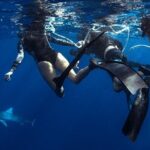
You’ll start with a short briefing so you know where you are and what you might see. Then it’s about an hour of snorkeling with a chance at reef fish, sea turtles, monk seals, eagle rays, and more, depending on conditions and what’s out there that day.
In This Review
- Key highlights I’d plan my day around
- Why This Snorkel Feels Like a Marine Ecology Class
- Group Size and the Real Timeline: From Briefing to About 1 Hour in Water
- Kahe Point Beach Park: The Reef Stop You’ll Be Thinking About Later
- What You Learn Underwater: Coral Reef Ecology and Sea Turtle Ecology
- Guides, Safety, and Comfort: Talia and Randy’s Style of Help
- Gear and the Photo Package: How to Make Those 2 Hours Last
- Price and Value: Is $125 a Good Deal for This Small-Group Reef Class?
- Who Should Book This Marine Ecology Snorkel (and Who Might Skip It)
- A Few Practical Notes Before You Go
- Should You Book This Marine Ecology Snorkel from Electric Beach Oahu?
- FAQ
- How long is the Marine Ecology Snorkel tour?
- Where does the tour take place?
- What’s the group size limit?
- Is snorkeling equipment included?
- Do I get photos from the tour?
- What marine life might I see?
- Is the tour beginner-friendly for snorkeling?
- What fitness level do I need?
- What if the weather is bad?
- What’s the cancellation window?
Key highlights I’d plan my day around
- Less than 5 people guaranteed for more hands-on guidance and calmer water time
- Marine biologist-led in-water learning tied to what you see, not just what you’re told
- Kahe Point Beach Park as the main reef area for your snorkeling session
- Short briefing + Q&A so you can steer the lesson toward your interests
- Included snorkeling equipment so you’re not scrambling for gear
- Complimentary photo package to help you remember what you spotted
Why This Snorkel Feels Like a Marine Ecology Class
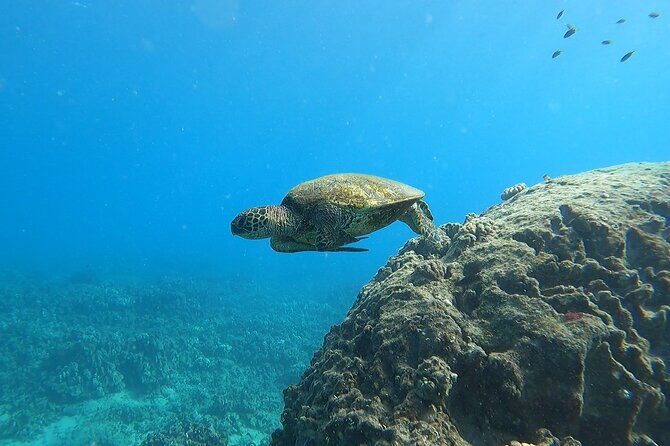
If you’ve done snorkeling tours before, you might know the drill: gear on, quick safety talk, then everyone fans out and hopes for turtles. This one flips the order. The big difference is that your guide is working like a teacher in real time, pointing out what you’re seeing and explaining how it connects to the reef.
The best part for me is the way the lesson stays grounded in the ecosystem. Instead of only naming animals, you learn how coral reef ecology works and how species fit together. You’re not just looking at sea turtles as a cool moment; you’re learning how their habits connect to the whole reef system, including what other animals are doing nearby.
Another plus is the human scale. With a maximum of 5, you get more attention when conditions change, and it’s easier to keep everyone comfortable. For families and less confident swimmers, that extra support matters.
You can also read our reviews of more photography tours in Oahu

Group Size and the Real Timeline: From Briefing to About 1 Hour in Water
The tour runs about 2 hours total. You’ll spend roughly 1 hour snorkeling once you’re set up, after a briefing that gets you oriented to the site. That briefing time is more than a formality. You can ask questions, say what you’re hoping to see, and get tips that make it easier to spot marine life once you’re floating.
This format also helps with safety. When the group stays tiny, guides can watch buoyancy and spacing more closely. One of the guides people mentioned, Randy, paid special attention to less strong swimmers so they felt safe and comfortable.
If you’re worried about being overwhelmed, this pacing helps. You’re not stuck in the water for hours while you figure everything out. You get a short warm-up with instruction, then a focused snorkeling period.
Kahe Point Beach Park: The Reef Stop You’ll Be Thinking About Later
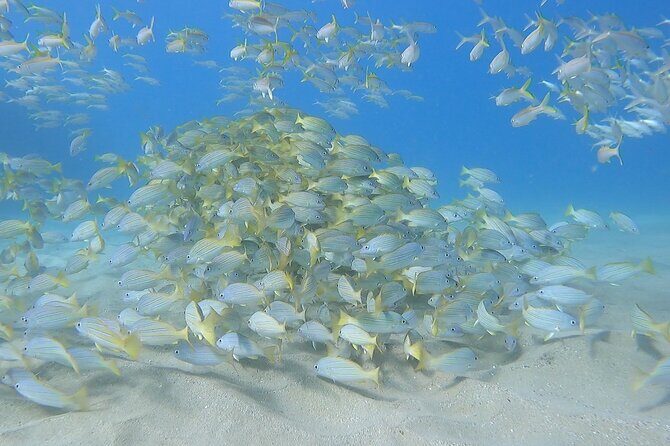
Kahe Point Beach Park is the snorkeling stop. It’s the kind of place where the “classroom” idea makes sense: a reef area with enough marine activity to support hands-on observation. From your first look, the goal is to get your eyes trained for patterns—fish behavior, coral shapes, and how sea life uses the reef.
There’s also a practical side. Knowing where the snorkeling happens makes the experience feel more grounded. Instead of drifting around and hoping for the best, you’re given a specific site and a plan for what to look for in that habitat.
The tour description also suggests that you’ll explore multiple habitats during the water time. Even without a long itinerary, that variety helps you avoid the letdown of seeing the same scene for the full hour.
What You Learn Underwater: Coral Reef Ecology and Sea Turtle Ecology
Here’s the magic trick: the learning is tied directly to sightings. When you see reef fish, you’re not only getting a quick ID. You get context for how they live in the reef system and what they’re doing there. When sea turtles appear, the emphasis shifts to ecology—how they relate to their environment.
You’ll also hear about coral reef ecology, endemic species, and sea turtle ecology. Those topics are especially valuable because they turn a memorable animal encounter into understanding. After your snorkel, the reef doesn’t feel like scenery; it feels like a system with jobs and relationships.
If you’re a curious person, you’ll likely like the flexibility. The tour is described as semi-private and unique each time, so no two snorkels are supposed to be the same. That matters because reefs change, animals move, and your guide adapts. You’re not buying a script—you’re joining a living lesson.
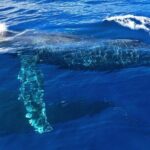
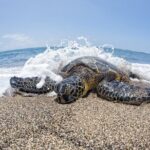
And yes, sightings matter. The tour highlights reef fish, sea turtles, monk seals, eagle rays, and more as possible encounters during the roughly 1-hour snorkeling window. Some days will be heavy on turtles or rays, while others might be more fish-focused. That’s part of the deal with wildlife.
Guides, Safety, and Comfort: Talia and Randy’s Style of Help
The tour’s review comments point to a consistent theme: guides who make safety feel normal, not stressful. People noted that the team made the outing feel safe even for those who weren’t fully ready for the ocean at first. That first adjustment moment is real—waves, bobbing, and the feeling of being in open water—so having calm instruction helps.
Talia is described as a marine biologist and someone with strong knowledge plus enthusiasm. That combination is a big deal on an education-focused tour. You want explanations that are accurate, but also delivered in a way that doesn’t turn the experience into a lecture you can’t enjoy while wearing a snorkel.
Randy, according to the reviews, focused on comfort and keeping less strong swimmers at ease. In a small group setting, that kind of attention can change your whole mood. If you start relaxed, you spot more, you learn more, and you enjoy the time in the water instead of fighting nerves.
Gear and the Photo Package: How to Make Those 2 Hours Last
Snorkeling equipment is included, which is a practical win. You don’t need to show up hunting for a mask and snorkel that fit. That reduces friction and makes it easier to arrive ready.
Then there’s the photo package, complimentary with the tour. Underwater photos are tricky on many snorkels, so I treat the included photo package as part of your value, not a bonus. It’s especially useful for remembering those moments that happened fast—like a turtle sighting or a quick ray pass—when your hands are busy with snorkeling and your brain is busy learning.
One more tip: because the guide is teaching in real time, you’ll want to balance looking and listening. If you crank your head around nonstop, you can miss the explanations. If you listen too hard and forget to watch, you’ll miss the reason you’re there. Aim for a rhythm: listen when the guide points, then look immediately at what they’re describing.
Price and Value: Is $125 a Good Deal for This Small-Group Reef Class?
At $125 per person for about 2 hours, you’re paying for a focused, guide-driven experience—one that’s not built for huge crowds. The value sits in the combination of things you get together:
- A marine biologist guide focused on ecology, not just spotting animals
- Semi-private group size capped at 5, which improves both comfort and instruction
- Included snorkeling equipment, so you avoid extra rental costs
- Complimentary photo package, helping you keep memories beyond mental snapshots
If you compare this style of tour to big-group snorkeling, you’ll likely notice where the money goes. Big groups often mean less time with the guide and more “follow the leader” energy. Here, the learning and the wildlife viewing are paired, and that pairing takes guide attention. With fewer people, that attention can stay where you need it.
For me, the best value sign is simple: the tour is built around a reef education experience that continues while you’re in the water for about an hour, not just before and after.
Who Should Book This Marine Ecology Snorkel (and Who Might Skip It)
This is a great fit if you want more than casual snorkeling. If you like learning how ecosystems work and you enjoy animal behavior explanations tied to what you see, you’ll probably get a lot out of it.
It’s also a solid choice if you value comfort and safety. The small group size and guide support make the experience friendlier for people who might feel nervous at first.
I’d think twice if you know you’re very sensitive to motion sickness. The reviews included a note about motion sickness for a couple of participants, and they handled it with medicine next time. If that’s you, plan ahead rather than hoping you’ll be fine once you’re already on the water.
A Few Practical Notes Before You Go
This experience requires good weather. If weather doesn’t cooperate, you’ll be offered a different date or a full refund. That’s important in Oahu plans because rough conditions can be a real factor for any ocean activity.
You should also have moderate physical fitness. That doesn’t automatically mean you need to be an athlete, but it does suggest you should be comfortable with being in the water for about an hour and handling the basic movements of snorkeling.
The tour is offered in English and uses a mobile ticket. The activity starts and ends at the meeting point in Kapolei, and it’s near public transportation, which can make day-of logistics easier.
Should You Book This Marine Ecology Snorkel from Electric Beach Oahu?
If your idea of a good snorkeling day includes learning while you float—coral reef ecology, endemic species, and sea turtle ecology—this is a smart pick. The small group size and the marine biologist approach are the real reasons to book, and the included equipment plus photo package makes it feel complete.
Skip it if you only want a casual swim and don’t care about ecology lessons. Also, if you’re prone to motion sickness, make a plan first. When those two boxes are checked, you’re signing up for a reef experience that turns seeing animals into understanding why they matter.
FAQ
How long is the Marine Ecology Snorkel tour?
It runs for about 2 hours total, including a short briefing and roughly 1 hour snorkeling in the water.
Where does the tour take place?
The snorkeling stop is at Kahe Point Beach Park. The tour meeting point is 92-301 Farrington Hwy, Kapolei, HI 96707, USA.
What’s the group size limit?
This is a semi-private tour with a maximum of 5 travelers, guaranteed to have less than 5 people.
Is snorkeling equipment included?
Yes. Snorkeling equipment is included.
Do I get photos from the tour?
Yes. You receive a complimentary photo package with the tour.
What marine life might I see?
The tour highlights a chance to see reef fish, sea turtles, monk seals, eagle rays, and more.
Is the tour beginner-friendly for snorkeling?
The tour is designed for people who can do moderate physical activity in the water. The small group size and guide support help, especially for nervous first-timers.
What fitness level do I need?
Travelers should have a moderate physical fitness level.
What if the weather is bad?
The experience requires good weather. If it’s canceled due to poor weather, you’ll be offered a different date or a full refund.
What’s the cancellation window?
Free cancellation is available up to 24 hours in advance for a full refund. Canceling less than 24 hours before the start time isn’t refundable.