REVIEW · OAHU
PADI Open Water Certification Course Shared Experience
Book on Viator →Operated by Aloha Scuba Diving Company · Bookable on Viator
Get certified in paradise before breakfast. This PADI Open Water certification runs in warm, clear waters off Honolulu, and the small group size means your instructor can actually keep an eye on you. With a max of six and a 6:00 am start, it’s the kind of day that feels efficient and special.
I really like that the price includes equipment included, so you don’t waste vacation time shopping or worrying if you picked the right gear. I also love the marine life payoff, from turtles to all the little reef creatures that make the whole learning process feel worthwhile.
One consideration: you’re committing to an early morning and a full 6-hour training day, and the course depends on good weather. If you’re low on sleep or not feeling steady physically, you’ll want to plan extra rest the night before.
In This Review
- Key highlights you’ll feel fast
- Why Honolulu’s PADI Open Water setup works
- Meeting point at 410 Atkinson Dr: how to start smoothly
- Small-group training (max six) and why it changes everything
- Equipment included: the hidden value of not shopping
- Your skills day: what you should expect to practice
- Underwater encounters off Honolulu: turtles and more
- Instructors and crews: what you’re really paying for
- Pricing at $85: when it’s an easy yes
- Logistics that actually matter on a learning day
- What to do before you go (to avoid last-minute stress)
- Who should book this course (and who might rethink it)
- Should you book Aloha Scuba’s Open Water certification in Oahu?
- FAQ
- FAQ
- Where is the meeting point for this PADI Open Water course?
- What time does the experience begin?
- How long is the course?
- What is the price, and does it include equipment?
- What is the maximum group size?
- Where does the course take place?
- Is good weather required?
- What is the cancellation policy for a full refund?
- Is there any fitness or accessibility note?
Key highlights you’ll feel fast
- Small group of up to six: more time for corrections and personal check-ins
- Gear is included: you show up and get fitted, no gear hunt required
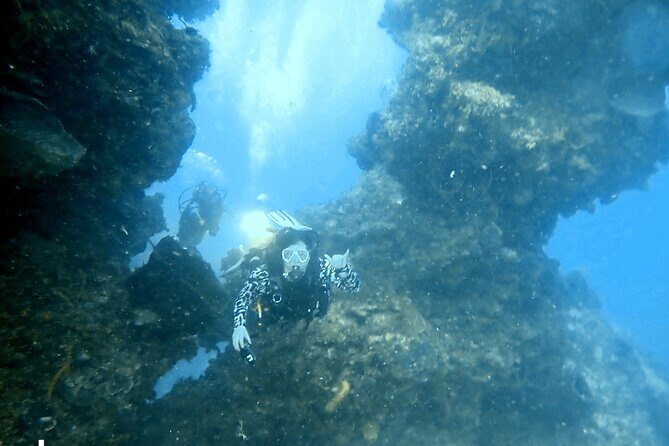
- Warm Honolulu waters: clarity makes the basics easier to practice
- Marine life you can spot right away: turtles and other reef life are part of the experience
- Instructors like Hussein and Erin get praise for calm, patient coaching: perfect if you feel nervous
- You’ll get proper PADI paperwork support: the team helps get you to your certification notice
Why Honolulu’s PADI Open Water setup works
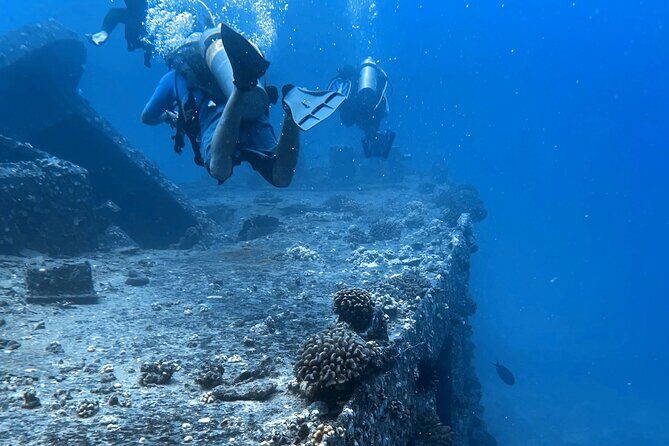
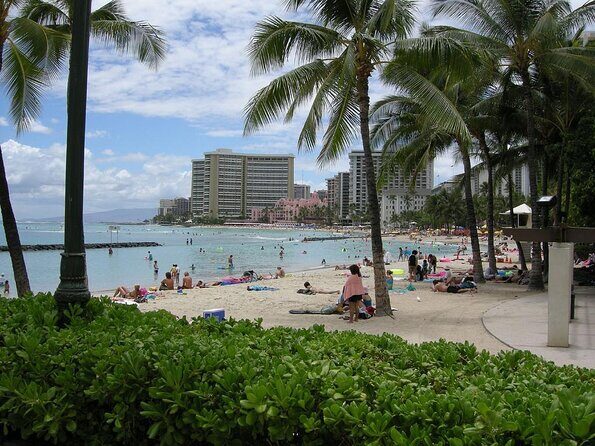
Oahu’s water is famous for being inviting, and this course leans into that. You’re not just watching lessons from a chair. You’re learning the skills you need to be confident with scuba in a place that naturally makes people relax.
The best part for me is how the program is built for real learning time. A small group means less waiting, fewer eyes on the checklist, and more eyes on you. In a training day, that difference matters because your comfort depends on quick feedback.
And the ocean itself does part of the job. Warm, clear water helps you understand buoyancy and breathing without the stress of cold or poor visibility. If you’ve ever tried to learn something technical while stressed, you’ll appreciate why that matters.
You can also read our reviews of more tours and experiences in Oahu.
Meeting point at 410 Atkinson Dr: how to start smoothly
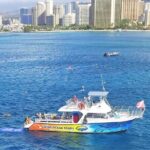
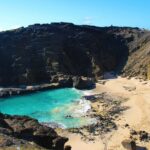
The course starts at 410 Atkinson Dr, Honolulu, HI 96814, with a 6:00 am beginning. That early start sounds intense until you realize it’s exactly what makes a full-day schedule feel manageable. You’ll be on the water when other people are still finding parking.
This is also listed as near public transportation, which is useful if you don’t want to fight Waikiki traffic before sunrise. You’ll have a mobile ticket, so you’re not juggling paper.
One practical tip: plan to arrive early enough to check in without turning the morning into a sprint. Small delays can throw off your setup time, and you’ll want a calm head before you gear up.
Small-group training (max six) and why it changes everything
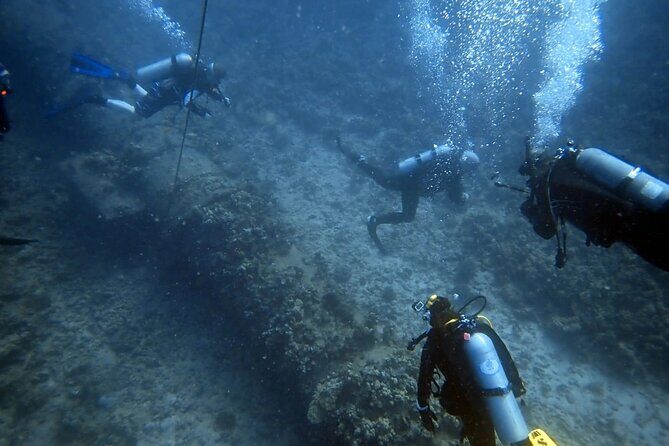
A lot of “intro” activities pack too many people into the same limited time. This one caps the experience at six travelers, so the instructor can give attention where it counts: safety checks, technique fixes, and the little moments when you suddenly need reassurance.
That one-on-one feel is also what shows up in the way the team is talked about. In particular, Hussein and Erin get repeated praise for being patient and supportive, especially for people who were nervous at first. That’s important because fear can slow learning. A calm instructor can shorten the distance between unsure and confident.
In practical terms, small group size usually means:
- you get clearer explanations
- you spend less time waiting around
- you can repeat skills until they click
If you’re the type who learns better with direct coaching, this format is a strong match.
Equipment included: the hidden value of not shopping
At a cost of $85, the big value isn’t just the low price tag. It’s that the course includes the use of all necessary scuba equipment. That saves money, yes, but it also saves decision fatigue.
For first-timers, gear is where vacations go to die. Too many rentals, too many straps, too many chances to get something wrong. When the program includes equipment, you can focus on learning the system instead of translating a gear catalogue.
You’ll still want to show up feeling ready for fitting and adjustment, but you won’t have to chase rental availability or compare brands. In Hawaii, that matters because you’re paying in time as much as in dollars.
Your skills day: what you should expect to practice
You’re taking a PADI Open Water certification course, which means you’ll learn the skills needed to be confident with scuba. The experience description emphasizes training with a very qualified instructor and then applying those skills in Honolulu’s waters.
Because your goal is certification, the day usually has a structure of teach, practice, check, repeat. You’ll want to treat the training like a workshop, not like a sightseeing cruise. Your best results come when you keep asking questions and don’t try to “power through” discomfort.
Also, pay attention to how the instructor manages safety. Multiple crew members get named for prioritizing safe, fun learning—an approach that matters when you’re new and the equipment feels strange. If you’re nervous, it helps to know you’re not alone; this course is set up for students to build confidence step-by-step.

Underwater encounters off Honolulu: turtles and more
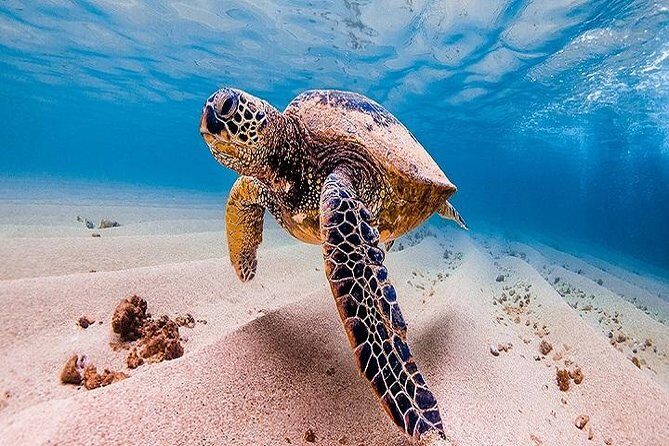
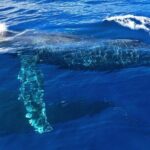
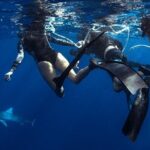
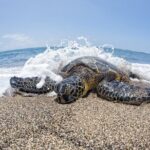
This course happens in the warm, clear ocean off Honolulu. The highlight list calls out marine life such as turtles, and the broader experience is clearly meant to connect learning with the reason you came to Hawaii.
That connection is more than emotional. When you’re learning basic underwater skills, a living reef keeps your attention from wandering. You’ll likely notice how quickly people relax when they see something moving outside the window of theory.
From the stories connected to this operator, you may also run into other marine life highlights like octopus and eels, plus lots of coral and fish. The exact mix can vary by day, but the theme stays the same: the ocean is part of the curriculum.
If you’re hoping for wildlife photography, remember that early learning means you’re busy. Don’t expect perfect shots. Do expect a lot of “stop and look” moments when you spot something big and calm—like a turtle gliding by.
Instructors and crews: what you’re really paying for
Gear and location are important. But your day mostly lives or dies on people—how they teach, how they respond, and how they keep the whole group steady.
Across the experience, names come up again and again:
- Hussein is praised for being patient and taking special care for safety and comfort
- Erin is repeatedly mentioned for friendly, supportive instruction
- Sam shows up in accounts as an effective instructor who keeps training enjoyable
- Saul gets credit for explaining clearly and staying patient when students need extra time
- Boat crews like Derek are described as funny but safety-focused
Even if you don’t get the same exact person, the pattern matters. This operator appears to staff training with people who understand what first-timers need: reassurance plus instruction that doesn’t rush you.
One real-world piece of advice I’d give: if you feel overwhelmed, say it early. Good instructors treat that as normal information, not as a problem.
Pricing at $85: when it’s an easy yes
This costs $85 and runs about 1 day (6 hours approx.). That’s the kind of price where you should pay attention to what’s included and what isn’t.
Here, the biggest “value move” is that equipment use is included. That’s often where add-ons quietly add up. You also get the small group size and instructor-led training, which are the main components you can’t DIY on vacation.
The other side of value is how you manage expectations. This isn’t a multiple-day certification immersion. It’s a single day to learn core skills and work toward your Open Water certification.
So this price is a strong fit if:
- you want certification without dragging out the schedule
- you’re okay doing an early start
- you want professional gear setup and coaching
It’s a weaker fit if you need lots of flexible weather time or you’re hoping for a relaxed, slow vacation pace.
Logistics that actually matter on a learning day
A few details from the experience description will affect how smoothly your day goes:
- Weather matters: the activity requires good weather, and if it’s canceled for poor conditions you’ll be offered a different date or a full refund.
- Moderate physical fitness: the course notes a moderate physical fitness level. You don’t need to be an athlete, but you should be comfortable handling a full morning/afternoon of moving, wearing gear, and staying calm in the water.
- Class size is capped: maximum of 6 travelers.
- Service animals allowed: if you rely on one, this is explicitly permitted.
- You end where you start: the activity ends back at the meeting point.
Also, you’ll receive confirmation at booking, and your ticket is mobile. For a first-timer, that reduces friction. You’re not guessing which email matters or where to pick anything up.
What to do before you go (to avoid last-minute stress)
The course is about skills, not guesswork. So before your 6:00 am start, focus on the basics that keep training from getting messy.
Here’s what I’d do:
- Get your paperwork and pre-qualifications handled ahead of time so nothing stalls on day one.
- Get a good night of sleep. Early mornings make every skill harder.
- Eat something light before you go. Don’t show up hungry, and don’t show up stuffed.
- If you’re nervous, don’t try to hide it. Tell the instructor early so they can work with you.
One more practical note: small group training runs on attention. If you’re checking your phone every ten minutes once you’re geared up, you’ll lose the teaching momentum. Save the photos for after the key skills are done.
Who should book this course (and who might rethink it)
This PADI Open Water course is a good match if you:
- want an official scuba certification with professional coaching
- prefer small-group instruction
- like the idea of learning in Honolulu waters with a chance to see turtles and other marine life
- want a team that’s described as patient and safety-focused, especially for anxious first-timers
It may be less ideal if you:
- hate early starts and can’t shift your schedule
- struggle with moderate physical activity for long stretches
- are scheduling tightly around changing weather
If you’re bringing a teen, it can fit families. The course is described as teen-friendly in the way it’s delivered and supported, which usually means instructors handle different comfort levels without treating anyone like a nuisance.
Should you book Aloha Scuba’s Open Water certification in Oahu?
If you want a straightforward way to earn PADI Open Water certification in Honolulu, this is an easy “yes” to consider—especially for first-timers. The small group size, instructor attention, and included equipment are exactly what you want when you’re learning a new skill set.
Book it if you can handle the 6:00 am start and you’re comfortable with moderate physical fitness. Also book it if seeing turtles and real reef life while you learn matters to you, because the ocean is part of the payoff.
I’d think twice only if your schedule is extremely weather-dependent or you can’t be flexible if conditions cancel the experience. Otherwise, $85 for a well-structured certification day with gear included is strong value—without forcing you into long, complicated logistics.
FAQ
FAQ
Where is the meeting point for this PADI Open Water course?
It starts at 410 Atkinson Dr, Honolulu, HI 96814, USA.
What time does the experience begin?
The start time is 6:00 am.
How long is the course?
It lasts about 1 day, around 6 hours.
What is the price, and does it include equipment?
The price is $85, and it includes the use of necessary scuba equipment.
What is the maximum group size?
The experience has a maximum of 6 travelers.
Where does the course take place?
It takes place in the warm, clear waters off Honolulu, Oahu.
Is good weather required?
Yes. The experience requires good weather, and if it’s canceled due to poor weather you’ll be offered a different date or a full refund.
What is the cancellation policy for a full refund?
You can cancel up to 24 hours in advance for a full refund. If you cancel less than 24 hours before the experience starts, the amount you paid will not be refunded.
Is there any fitness or accessibility note?
Travelers should have a moderate physical fitness level, and service animals are allowed.