REVIEW · OAHU
Safe and Educational Shark Dive from Haleiwa: Sharks Guaranteed
Book on Viator →Operated by One Ocean Diving · Bookable on Viator
Most people think sharks are scary. This one teaches you why not. You start with a research-based briefing from marine biologists, then you get in the water with safety divers using a respectful, low-impact approach designed to keep the ocean calm for everyone.
Two things I like a lot: first, the focus on shark body language and how your actions change what they do. Second, you’re not guessing your way through the water time since the team provides snorkeling and safety equipment and runs the experience with a tight safety flow.
One drawback to consider: even though it’s private to your group, you can still have enough swimmers that you’ll need to follow instructions closely and stay in the planned swim area. If you want maximum freedom, you’ll have more fun when you’re comfortable listening and moving at the team’s pace.
In This Review
- Quick hits before you go
- Haleiwa shark swim: research-first safety and conservation
- Meet at Haleiwa Commercial Loading Dock and get geared up
- The classroom portion: species, sex, and shark body language
- In the water: rope support, snorkeling gear, and a calm pace
- Wildlife chances in Oahu waters: whales, turtles, and tiger sharks
- Cost, photo packages, and value at $165
- Should you book this Haleiwa shark experience?
- FAQ
- How long is the Shark swim experience?
- Where do I meet for the tour?
- Is this a private tour?
- What language is the tour offered in?
- Is snorkeling equipment provided?
- What happens if weather is bad?
Quick hits before you go
- Research-first briefing: you learn how sharks think and behave before you ever enter the water
- Hands-on safety setup: rope support plus safety diver guidance keeps nervous moments manageable
- Species spotting training: you’ll practice how to tell different sharks and pelagic animals apart
- Frequent bonus wildlife sightings: the same outing can include whales, turtles, and other ocean life
- Photo and video add-ons: option exists, but pricing can feel Hawaii-expensive
- Private experience for your group: your schedule, your people, your guide team
Haleiwa shark swim: research-first safety and conservation
This experience is built around a simple idea: if you understand sharks, you worry less—and you behave better. It started as a research initiative, and today it’s open to the public with a clear education and conservation mission. That matters because the ocean isn’t a stage. The less you treat it like one, the better the encounter tends to be.
You’ll also get taught how scientists and trained professionals interpret shark behavior. That includes learning what to look for in the animals’ body language and what those cues can mean. It’s the kind of lesson that sticks, even after you’re back on land.
From the name and description, you’re promised a safe, respectful encounter. From the guide examples mentioned in the crew—people like Gina and Zac—you can also expect a guide who runs the experience with both professionalism and calm humor. That combo helps when your brain is still catching up to the fact that you’re about to swim near large ocean animals.
You can also read our reviews of more tours and experiences in Oahu.

Meet at Haleiwa Commercial Loading Dock and get geared up
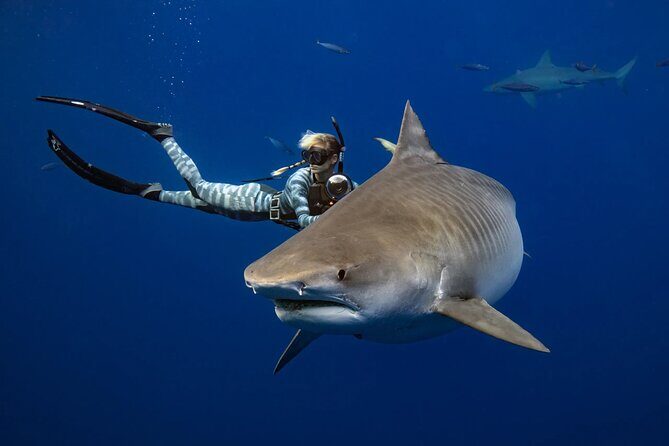
You start at the Haleiwa Commercial Loading Dock at 66-101 Haleiwa Rd, Haleiwa, HI 96712. The activity ends back at the same place, so you’re not dealing with a complicated pickup chain after you’re wet and happy.
Plan on about 2 hours total. That short window is good news if your trip is packed. It also means the crew keeps things moving: brief on land, then you get your time in the water with a clear plan.
You’ll want to arrive ready to move, since you’re meeting at a public dock and then boarding. A mobile ticket is part of the process, and you’ll get confirmation at booking. It’s offered in English, which makes the safety briefing and species talk much easier to follow.
One practical tip: sea conditions can make or break comfort. If you’re prone to motion sickness, follow the safe, boring advice—prepare ahead and follow dosing instructions on whatever you use. The trip is managed by trained staff, but your stomach is still your responsibility.
The classroom portion: species, sex, and shark body language
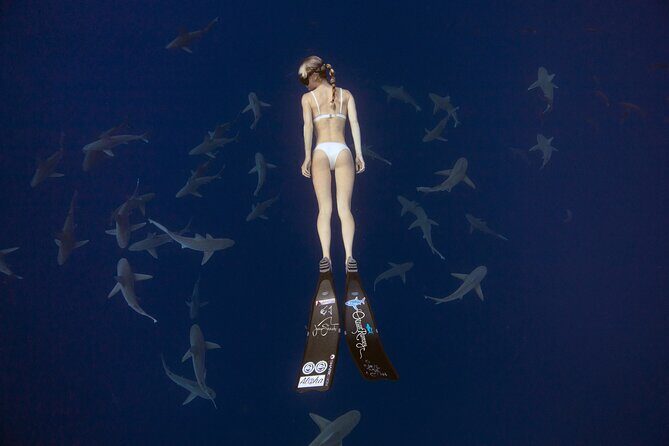
The best part starts before you touch the ocean: the briefing. You’ll go out on the ride where a marine biologist and a safety diver/divemaster explain what you’re likely to see and how to interact. The content is practical, not just dramatic facts.
Here’s what you’ll learn, based on the tour program outline:
- what species of sharks and other pelagic animals to watch for, and how to tell differences
- how to determine gender and what behavior differences you might notice
- specific shark behavior and body language cues
- how biology and physiology influence behavior
- how your behavior affects the shark’s behavior
- how to deter or entice a shark or pelagic animal (always in a safety-first way)
- how weather and seasons can change what you see on your particular outing
- the role of MANO (sharks) in Hawaiian and Polynesian culture
That last point is more than trivia. When you learn the cultural context, you’re more likely to treat the encounter with respect instead of turning it into a checklist. You also tend to pay closer attention to the ocean cues because you’re mentally invested in doing things the right way.
You’ll also hear about the conservation side, including how to support the ID program for the Hawaii Shark Count. That’s valuable because it turns your encounter into something more than a photo moment. You’re not just seeing sharks. You’re contributing to understanding them.
In the water: rope support, snorkeling gear, and a calm pace
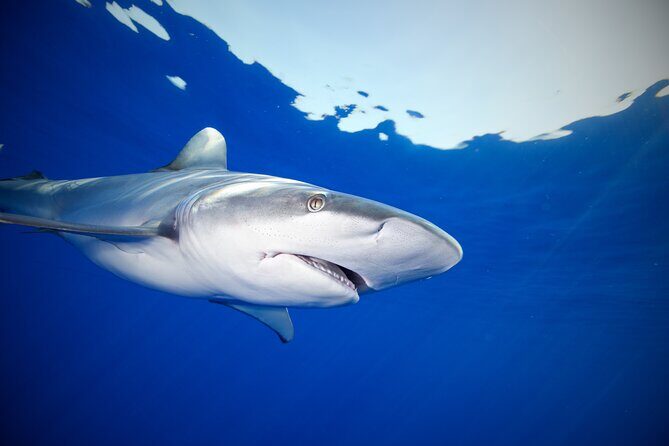
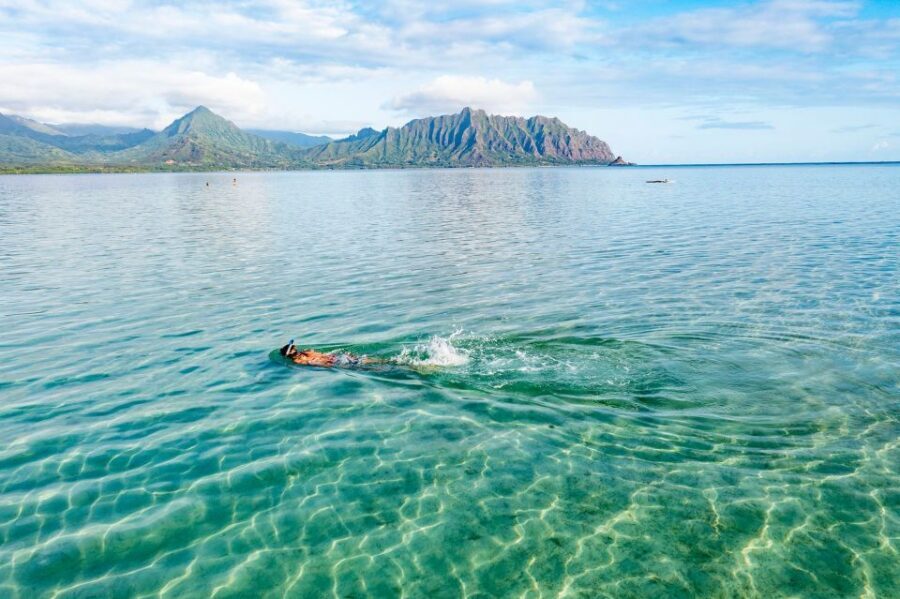
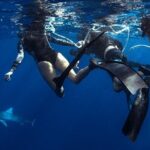
Once you reach the water time, the experience uses a controlled format. You’ll use snorkeling and safety equipment, and you’ll typically be working with secure support while swimming alongside the animals. Many people find that the rope connection and guided assistance make a huge difference, especially if you’re nervous.
A common detail people highlight is how the guides keep everyone feeling safe during onboarding and while you’re actually in the water. Guides like Gina are repeatedly mentioned as staying close during the free swim portions, which helps if you’re thinking too much about what’s happening under you.
The experience also includes a repeatable flow:
- the biologist’s pre-lesson prepares your eyes
- safety divers keep the group organized
- you get multiple chances for close viewing and snorkeling
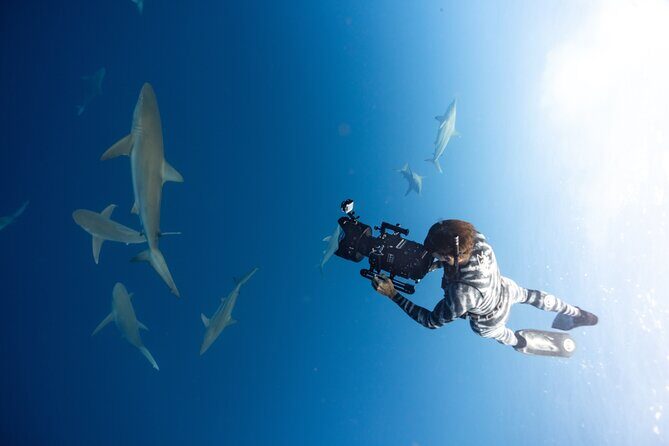
- the team may film with GoPro-style equipment while you’re in the water
Some people describe the experience as peaceful. That fits the program’s “don’t disturb the environment” emphasis. You’re not thrashing around trying to chase the next thrilling moment. You’re learning to hover, watch, and follow cues.
Also, don’t expect total free-for-all swimming. One person noted they felt they spent a lot of time holding the rope and following the swim structure. That doesn’t mean it’s unsafe. It means the crew may keep the group moving as a unit. If you’re anxious, that structure can actually help.
For your comfort, focus on three things:
1) follow the safety diver’s instructions fast
2) keep your movements smooth and predictable
3) use the briefing cues to “read” the animal instead of panicking
If you’re the type who wants to understand what the animal is doing, you’ll have an easier time staying calm.
Wildlife chances in Oahu waters: whales, turtles, and tiger sharks
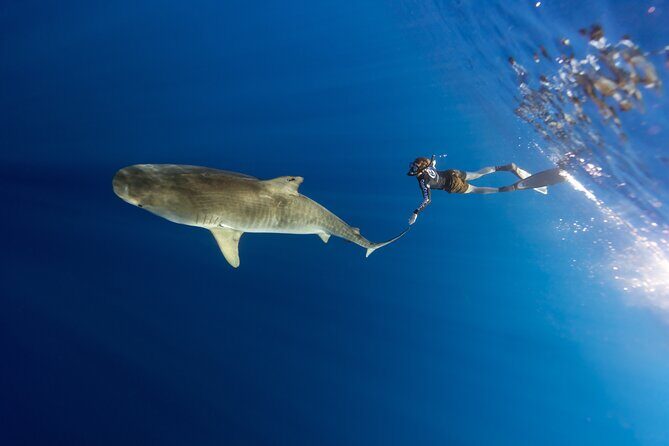
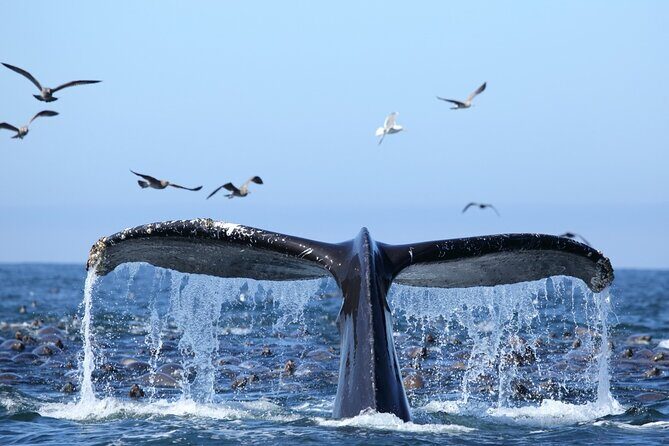
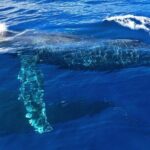
The program is shark-focused, but the ocean often delivers extras. In real outings, people reported seeing whales with a baby whale, turtles, and lots of fish. No dolphins on one trip is also part of the reality—your sightings depend on conditions and timing.
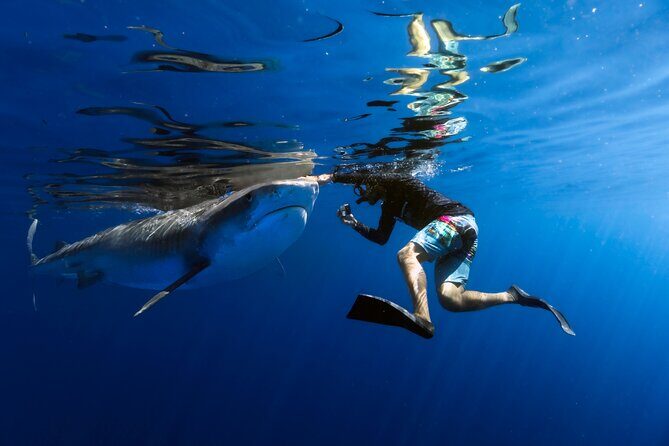
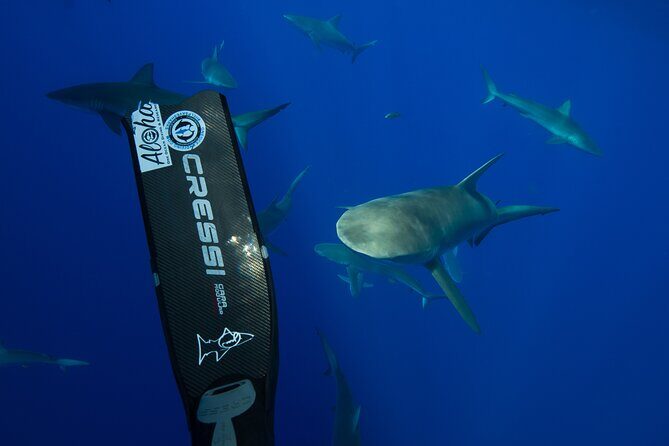
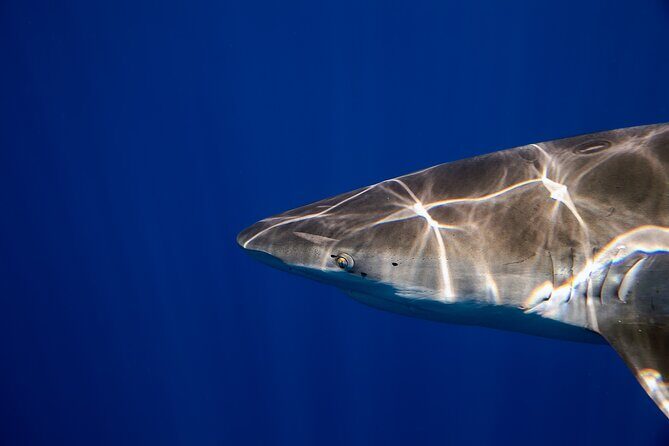
The shark side can include multiple species, and one review highlighted tiger sharks as a highlight, including a situation where a tiger shark came very close—around a couple feet away at one point. That’s exactly why the earlier training matters. When you know what calm body language looks like, you can experience the moment without spiraling into fear.
Season and weather play a role. Cloudy or rainy conditions don’t automatically ruin the day, but they can affect visibility and what animals feel like doing. The crew is planning around that. If weather is poor enough, the experience can be canceled and you’ll be offered another date or a full refund, since the tour requires good weather.
One more angle I appreciate: the program is explicit about teaching how weather and seasonal timing can change shark behavior and how that affects your specific swim. You’re not getting random luck as the only explanation.




Cost, photo packages, and value at $165
At $165.71 per person for about 2 hours, this isn’t a bargain-bin activity. But it’s also not just a “show up and hope” shark encounter. You’re paying for trained professionals, a research-linked conservation message, and safety systems that help you actually relax enough to learn.
What improves the value:
- education from expert marine biologists and a safety diver/divemaster
- snorkeling and safety equipment provided
- structured in-water time with guided support
- multiple opportunities in the water rather than a quick pass
There’s also an optional photography angle. People recommend the picture package, and others say the video package can feel very expensive. So treat it like a choice, not an auto-included expense. If you’re the kind of person who wants proof for future you, budget for it. If you’d rather keep costs down, consider bringing your own camera strategy—some visitors even note using their own GoPro.
One small practical reality: because bookings are strong (it’s typically reserved about 18 days in advance on average), you’ll feel smarter booking earlier rather than waiting. Popular shark encounters can fill up around prime conditions.
Should you book this Haleiwa shark experience?
I’d book it if you want a shark encounter that’s more than a thrill. If you like learning how animals behave—especially if you’re nervous about being in open water—this structure helps a lot. The combination of a pre-water briefing, equipment support, and guides staying close during the swim portion is a real confidence builder.
I’d think twice if you get impatient with instructions or if you want total freedom to roam without structure. The rope and group flow are part of how the crew keeps the experience safe and respectful, even if it means you’re not free-swimming exactly how you’d do it on a beach day.
If you’re a couple, a family, or a solo traveler who values guided learning and safety, it’s a strong fit. And if you want to see sharks while also learning about Hawaiian cultural connections to sharks, this program directly covers MANO (sharks) and conservation support.
Book it when:
- you’re comfortable following a briefing
- you want education plus an up-close encounter
- you’re ready to treat the ocean with respect
Skip or pick another option if:
- you dislike guided structure
- you’re not able to handle open-water conditions even with support
- you’re only chasing the cheapest price and fewer services
FAQ
How long is the Shark swim experience?
It’s about 2 hours (approx.).
Where do I meet for the tour?
You meet at the Haleiwa Commercial Loading Dock, 66-101 Haleiwa Rd, Haleiwa, HI 96712, and the activity ends back at the same meeting point.
Is this a private tour?
Yes. It’s listed as private, so only your group participates.
What language is the tour offered in?
The experience is offered in English.
Is snorkeling equipment provided?
Yes. Snorkeling and safety equipment are made available for the experience.
What happens if weather is bad?
The experience requires good weather. If it’s canceled due to poor weather, you’ll be offered a different date or a full refund.