REVIEW · OAHU
Oahu: Shallow Reef Scuba Dive for Certified Divers
Book on GetYourGuide →Operated by Dive Oahu Inc · Bookable on GetYourGuide
Seeing sea turtles up close feels unreal. This short 3-hour program runs from Ala Moana and takes certified divers to two shallow reef areas where you can expect lots of marine activity in clear, tropical water.
I especially like how it’s built around PADI-certified instruction and solid organization. I also like that you’re not just staring at coral for the whole time; you get two structured reef periods where spotters help you find what’s worth seeing, including turtles and reef sharks.
One possible drawback: this is for certified divers only, and the format is active enough that you’ll want to be comfortable swimming and in good health. There’s also a hard constraint that you should not fly within 24 hours after your scuba session.
In This Review
- Key Things I’d Book This For
- Southern Oahu Reefs: Why This Short Trip Works
- Where You Meet: Ala Moana and Getting There Without Stress
- The 25-Minute Safety Briefing: The Part People Skip in Their Heads
- Two Reef Periods at Kaiser’s and Turtle Canyons
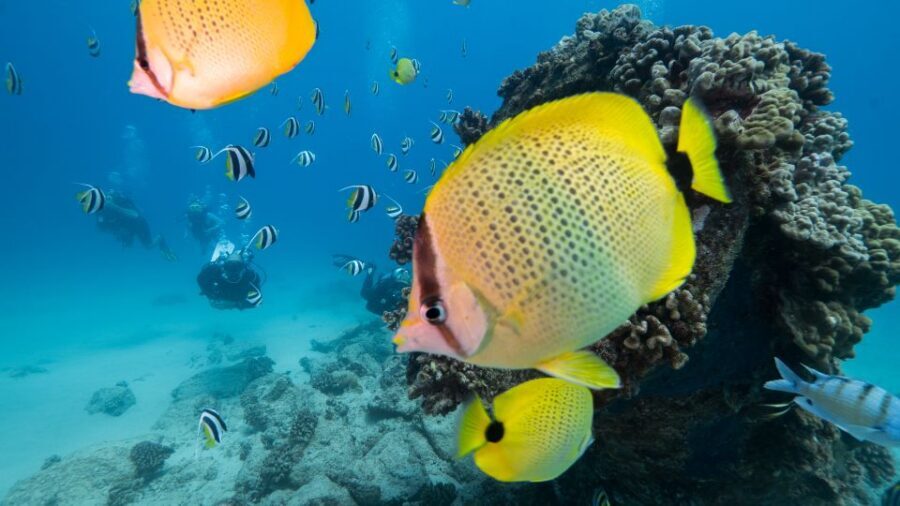
- Kaiser’s Reef: Where Reef Fish Steal the Show
- Turtle Canyons: Volcanic Reef Formation and Sea Turtle Chances
- Marine Life: What You Can Expect (And What to Watch For)
- The Names That Matter on a Good Team Day
- Gear Rental and Small Comfort Details That Add Up
- Price and Value: Is $248 Worth It?
- Who Should Book This Shallow-Reef Scuba Session
- Optional Add-Ons If You Want More Than the Basics
- Should You Book It?
- FAQ
- How long is the scuba experience?
- Where do I meet the tour?
- Do I need scuba certification?
- Is the tour only for scuba, or is snorkeling included too?
- What marine life might I see?
- Can I request extra gear or services?
- What should I bring with me?
- Is it okay if I fly soon after?
- Is it suitable for kids or pregnancy?
Key Things I’d Book This For
- Two reef areas in one outing, including Kaiser’s and Turtle Canyons
- PADI-certified instructors with a safety-first setup and organized check-in
- Lots of sea life focus, including sightings like turtles and even white tip reef sharks in past trips
- Premier gear rental plus snacks and refreshments to keep you comfortable
- Optional add-ons like GoPro rental, DPV scooter, Nitrox tanks, private guide, or private photographer
Southern Oahu Reefs: Why This Short Trip Works
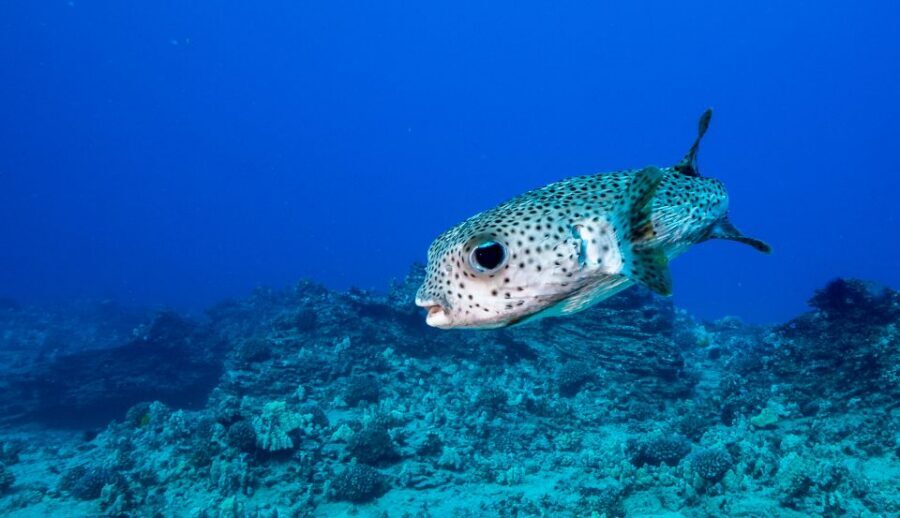
Oahu’s southern coast is all about convenient access and solid underwater conditions for a busy vacation. This experience is timed for a full, satisfying morning or early outing, not a half-day production. You’re on the boat, you get your safety routine set, and then you spend focused time at two reef sites.
Because the program is shallow-reef oriented, the goal is to keep your attention on what you can see. You’re not chasing long bottom times. You’re swimming reef-to-reef in areas known for wildlife—so your experience stays human-sized and photo-friendly when conditions cooperate.
Also, the operator emphasizes the onboard setup. You’ll have comfort and amenities on one of Dive Oahu’s boats (they run 46’ Newton dive boats), which matters because you don’t want to feel wrung out before you even get wet.
You can also read our reviews of more tours and experiences in Oahu.
Where You Meet: Ala Moana and Getting There Without Stress
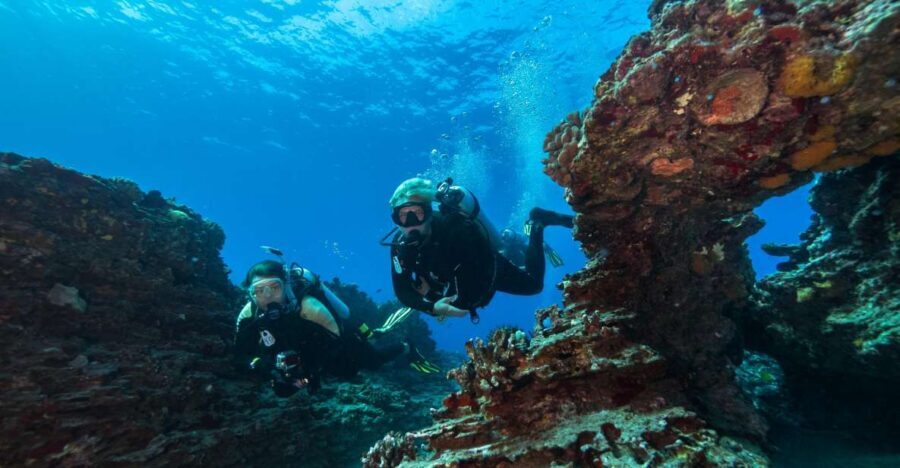
You’ll meet at Dive Oahu – Ala Moana. The practical trick is arriving early enough to handle the waivers and equipment fitting. Plan on being at the harbor about 30 minutes before the start time, so you’re not rushed into your gear and buoyancy checks.
If you’re driving, parking options are simple:
- Kewalo Basin: $2 an hour
- Ala Moana Beach Park: free
This is one of those tours where being calm at check-in pays off. If you show up late, you lose that buffer time and you start the outing a little tense, which is the opposite of what you want when you’re wearing a mask and planning your first few breaths at altitude.
The 25-Minute Safety Briefing: The Part People Skip in Their Heads
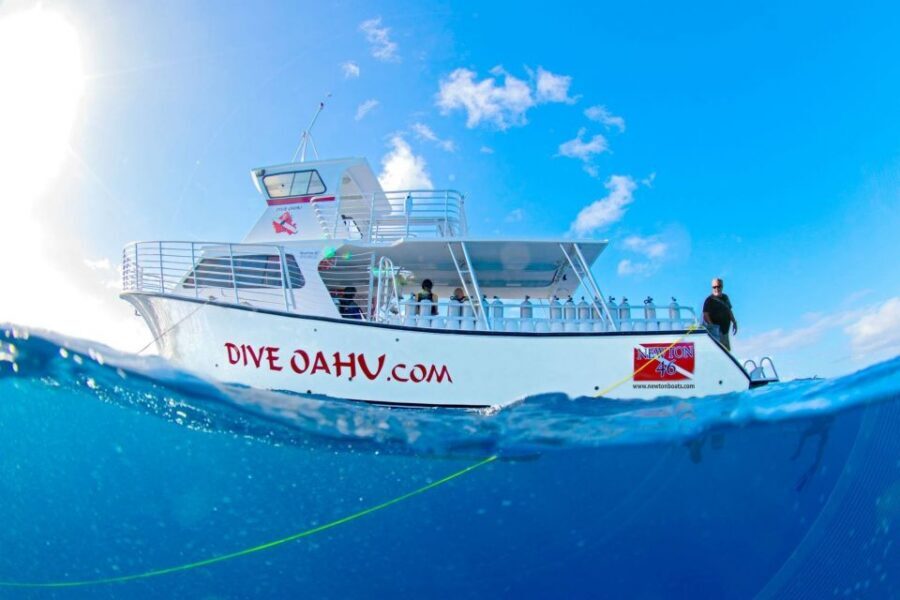
Before you ever hit the water, you’ll do a safety briefing for about 25 minutes. Even if you’re an experienced diver, this matters because the briefing sets expectations for the day: how the group will move, how signals work, and how the guides plan to manage spotting and entry/exit.
This is also where you’ll confirm you understand the rules of the day. The tour requires divers to be able to understand verbal English, and you’ll need to show proof of certification (PADI or another approved diving course) before boarding.
There’s one extra “plan ahead” rule: you must not fly within 24 hours after scuba. That one can sneak up on people who are juggling inter-island flights. If you’re on a tight schedule, build that buffer into your itinerary.
Two Reef Periods at Kaiser’s and Turtle Canyons
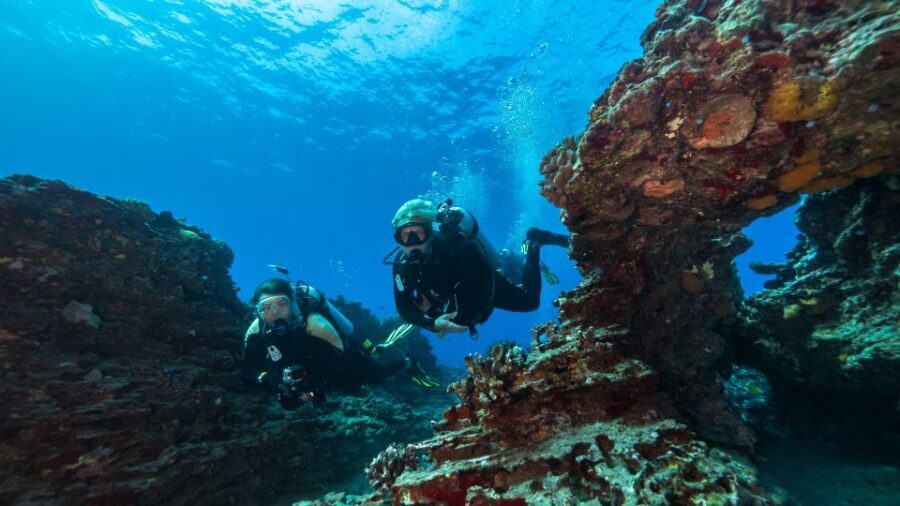
This outing is built around two guided reef sessions, each about 75 minutes, after the safety briefing. The structure is simple: you get into the water with a guide team, you follow the plan, and you get help finding marine life.
Kaiser’s Reef: Where Reef Fish Steal the Show
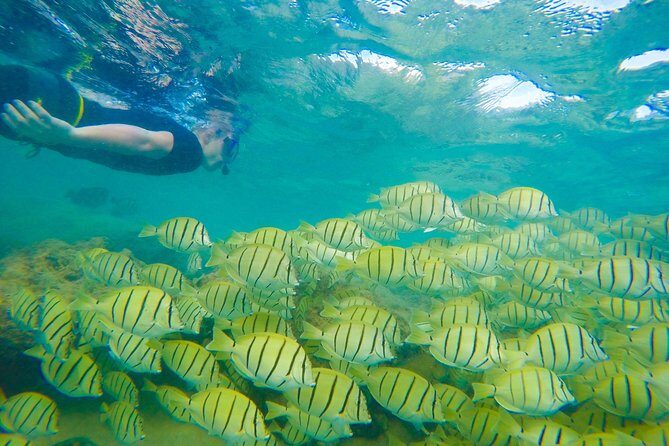
Kaiser’s is known for reef life and underwater movement. The kind of things you hope for here are the small, bright fish that make reefs look alive even when you’re not seeing a big animal every minute.
You’ll also be using this period to get your rhythm. For many certified divers, the first reef stop is where you settle into your buoyancy and breathing while the guide team does the spotting work.
If you like your dives practical—fish, coral structure, and steady cruising—Kaiser’s is the kind of site that delivers without feeling like a scavenger hunt.



Turtle Canyons: Volcanic Reef Formation and Sea Turtle Chances
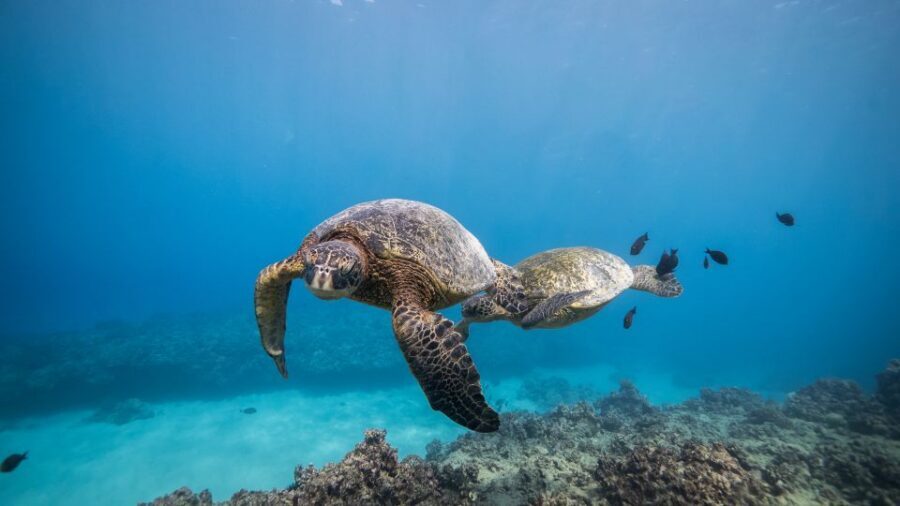
The second stop is Turtle Canyons, and it’s the one with the most “wow” potential. Here you’re swimming through reef formations shaped by volcanic activity, which gives the underwater scenery extra texture. That volcanic structure also creates routes for wildlife, so you’re more likely to see animals pass close enough to register clearly.
This is the stop where you should set your expectations for Hawaiian green sea turtles. The tour info also points to endemic reef species like Gold Ring Surgeon Fish, and there’s a chance of rarer-looking fish such as Saddleback Butterflies or Flame Angels depending on conditions.
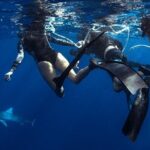
From a spotting perspective, this is where a good instructor really matters. One past trip stood out for how actively the instructor helped find wildlife, including lots of turtles plus sightings of two white tip reef sharks.
Marine Life: What You Can Expect (And What to Watch For)
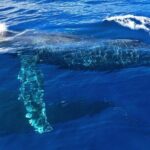
If your goal is wildlife—especially turtles—this program is aimed at that. The tour’s description highlights the range you might encounter, from sharks and rays to octopus and dolphins. In reality, you won’t see every single animal on every trip, but the sites and guided spotting are clearly tuned for variety.
Here are some specific animals and what to do with your attention when you’re underwater:
- Hawaiian green sea turtles: Slow your pace. Don’t rush toward them. Watch how they move along the reef edge, and give them space to keep behaving naturally.
- White tip reef sharks (possible): Don’t chase. If one shows up, your job is to observe calmly and avoid blocking the guide’s view.
- Octopus: Scan the reef structure. Octopus sightings often come from noticing something still where everything else moves.
- Bright reef fish like Gold Ring Surgeon Fish, and possibly Flame Angels or Saddleback Butterflies: Look for color pops near coral heads rather than just open sand.
Two things I’d treat as “confidence boosters” when you’re planning your expectations:
1) This is a shallow reef experience, so there’s often more light and easier visibility for spotting smaller life.
2) You get spotting help from the instruction team, not just a generic “go swim around” setup.
The Names That Matter on a Good Team Day
One of the strongest signals in the past feedback is how well the crew runs the day. The captain Nacho has been noted as a great guy, and the instructor Dan is specifically mentioned for taking careful care of everyone and acting as a strong spotter for sea life.
That matters more than people think. A reef outing can feel either like a guided adventure or like a group logistics problem. The best days are when the team is relaxed, organized, and actively helping you see what’s there—especially for wildlife that doesn’t stay in one place.
Gear Rental and Small Comfort Details That Add Up
You’ll have premier gear rental included, which is a big deal if you’re traveling light. You’re also getting snacks and refreshments onboard, so you can stay focused instead of running on pre-dive caffeine and regret.
What to bring is straightforward:
- Swimwear
- Towel
- Sunscreen
- Your diving certification card (proof required)
Also, keep in mind that you must be able to swim and be in good health. If you’re unsure, ask before booking. Being fit for the physical part isn’t a formality—it affects how enjoyable the whole outing feels.
Price and Value: Is $248 Worth It?
At $248 per person for a 3-hour outing, the value comes from three bundled things that would be hard to replicate solo:
- Professional PADI instruction for certified divers
- Gear rental included
- Two guided reef sites with wildlife spotting help
If you were to book instruction, charter access, and gear separately, the math often turns ugly fast. Here, you’re paying for a tight package that gets you onto the reef efficiently.
For me, the best value sign is not only the price—it’s the structure: safety briefing, two substantial reef periods, and an operation that’s clearly geared toward organized, safe experiences.
Who Should Book This Shallow-Reef Scuba Session
This fits best if you’re:
- A certified diver with proof of training (PADI or approved course)
- Comfortable swimming and meeting basic health requirements
- Interested in Hawaiian sea turtles and reef wildlife close to shore
- Traveling on a schedule where a short, structured outing is ideal
It’s not suitable for:
- Children under 10
- Pregnant women
One more “match” note: the tour runs in English, and you need to be able to understand verbal English to participate smoothly.
Wheelchair access is listed, so it may work for some mobility needs, but the underwater activity itself still requires certification and the ability to swim.
Optional Add-Ons If You Want More Than the Basics
If you’re the type who wants extra gear or an elevated media plan, you can request add-ons while booking:
- GoPro rental
- DPV underwater scooter (if available for your setup)
- Nitrox tank rental
- Private guide
- Private photographer
This is a good place to think realistically. A scooter can change how much area you cover, and GoPro time can tempt you to rush your breathing and movements. If you do add-ons, I’d keep your main priority as safe buoyancy and calm observation.
Should You Book It?
Book it if your top goal is a well-run, short, wildlife-focused scuba experience on Southern Oahu. The best reason is the combination: PADI-guided instruction, two reef sites, and a strong track record of turtle and shark sightings, including notable feedback with captain Nacho and instructor Dan leading the experience.
Skip or reconsider if you don’t have certification, you’re not comfortable swimming, or your schedule doesn’t allow for the no-flying within 24 hours rule. Also, if you’re hoping for a slow, purely scenic underwater stroll with no active effort, this program is still an organized reef outing with real participation expectations.
If you want a practical way to see Oahu’s underwater life without turning your whole day into a gear-and-logistics marathon, this one is a strong match.
FAQ
How long is the scuba experience?
It lasts about 3 hours total, with a 25-minute safety briefing and two guided reef periods of about 75 minutes each.
Where do I meet the tour?
You meet at Dive Oahu in Ala Moana.
Do I need scuba certification?
Yes. You must show proof of certification through PADI or another approved diving course before boarding.
Is the tour only for scuba, or is snorkeling included too?
The tour includes guided snorkeling as well as guided scuba time during the two guided periods.
What marine life might I see?
The tour information highlights turtles, rays, sharks, octopus, dolphins, and reef fish. Specific possible sightings include green sea turtles, Gold Ring Surgeon Fish, and sometimes Saddleback Butterflies or Flame Angels.
Can I request extra gear or services?
Yes. Add-ons can be requested, including GoPro rental, DPV underwater scooter, Nitrox tank rental, a private guide, and/or a private photographer.
What should I bring with me?
Bring swimwear, a towel, sunscreen, and your diving certification.
Is it okay if I fly soon after?
No. You must not fly within 24 hours after your scuba session.
Is it suitable for kids or pregnancy?
Children under 10 are not suitable, and pregnant women are not suitable. The experience is listed as wheelchair accessible, but it still requires meeting diver requirements such as certification and good health.