REVIEW · OAHU
Open Water Scuba Certification
Book on Viator →Operated by Honolulu Scuba Company and Dolphin Divers · Bookable on Viator
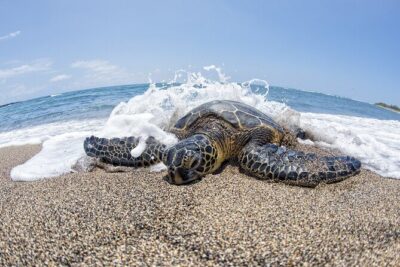
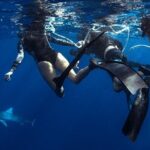
Scuba cert in Oahu feels surprisingly doable. This SSI Open Water course is built for real beginners and runs over two consecutive weekends, with early mornings and plenty of hands-on practice. You’ll also spend time underwater looking for sea turtles, octopuses, and colorful tropical fish around Hawaii’s coral reefs.
I love the way the training is structured: review and confined skills first, then you prove those skills in the ocean, then you finish with more confined practice and final check-out sessions. I also love the people factor, because instructors like Lenny, Theo, Nick, Jake, Jess, Ed, Chandler, Hunter, and Anna are repeatedly described as patient, safety-focused, and willing to take the time to help you feel comfortable with your gear and techniques.
One thing to consider: it’s not refundable if you cancel, and you’ll need to manage your own transportation between the course days. On top of that, there’s at least one report of equipment condition and Covid-safety concerns, so I’d plan to inspect your gear before you commit to suiting up.
In This Review
- Key highlights I’d circle before you book
- SSI Open Water on Oahu: the course format you can actually plan around
- Day 1 at the beach: exam review plus confined water skills
- Day 2 in the ocean: two open-water training sessions
- Weekend 2, Day 3: finishing confined water training
- Day 4: final check-out sessions and your SSI card
- Instructors and the “feel safe” factor: why names like Hunter and Anna stand out
- Price and value: what $495 includes, what costs extra, and what to budget
- Honolulu logistics: 7:00 am start, your own rides, and medical check paperwork
- What you’ll see around Oahu’s reefs (and how that helps learning)
- Who should take this SSI course, and who might want to rethink
- Should you book the Honolulu SSI Open Water course?
- FAQ
- How long is the Open Water Scuba Certification course?
- Where does the course start?
- What time does the course start each day?
- What certification will I earn?
- What parts of the course are in the ocean versus confined water?
- What scuba equipment is included?
- Do I need to complete online learning before the first day?
- Do I need my own transportation?
- Is there a medical questionnaire and any travel timing guidance?
Key highlights I’d circle before you book
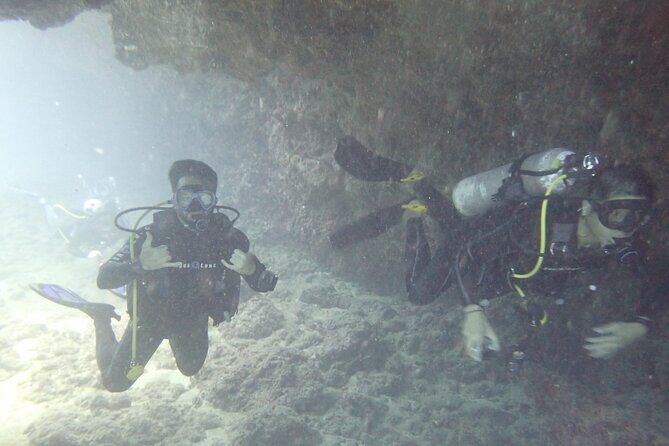
- SSI Open Water certification in 4 parts across two consecutive weekends, ending with final check-out sessions
- Max 8 students, which usually means you get more attention during skills and equipment time
- Gear included except mask, snorkel, fins, and boots, so you can travel lighter
- Early 7:00 am start at Honolulu Scuba Company, with training that begins promptly
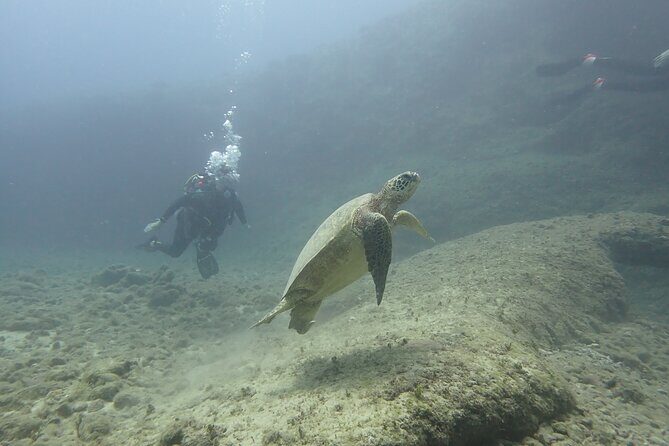
- Expect reef wildlife like sea turtles and octopuses during your ocean sessions
SSI Open Water on Oahu: the course format you can actually plan around
This is a full Open Water scuba certification course through Scuba Schools International (SSI), designed for people who want a legit card, not just a fun outing. The full program runs for about 4 days total, but it’s stretched across two consecutive weekends so you get time to absorb skills and come back ready.
Here’s the rhythm: you’ll start with independent digital learning, then you’ll practice core scuba skills in confined water, then you’ll move into the ocean for open-water training sessions. After that, you’ll return the next weekend for additional confined water training and finish with final check-out sessions.
That two-weekend layout matters. It gives you time between days to remember how to use the regulator, manage buoyancy, and practice underwater communication—things that can feel weird at first. It also makes the course easier to fit into an Oahu trip schedule without cramming everything into a single long stretch.
You can also read our reviews of more tours and experiences in Oahu.
Day 1 at the beach: exam review plus confined water skills
Day 1 begins with review of the final exam and confined water scuba training from the beach. In plain terms, this is where you learn how everything works when you’re not far from safety staff and the water is controlled.
You’ll also be expected to have completed the digital learning before your first day of class. That’s important because the in-water time is for doing the skills and building muscle memory, not stopping to teach every concept from scratch.
One practical tip: arrive ready to set up and check gear quickly. Even if most equipment is provided, you’re the one who has to be comfortable with your fit—especially with the mask, snorkel, fins, and boots you’ll need to bring if you don’t want to rent. One review note I keep in mind from past course feedback: people often feel their confidence jump when instructors slow down and let them get comfortable with breathing and equipment setup, not when they rush.
Day 2 in the ocean: two open-water training sessions
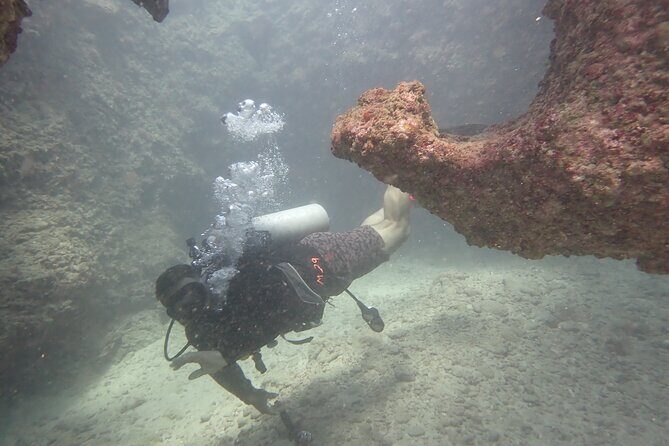
Day 2 is where the course switches gears. You’ll complete two ocean training sessions to apply what you practiced in confined water—skills like steady breathing, buoyancy control, and basic underwater procedures.
This is also where the experience becomes more than a classroom. You’re out in Hawaii water near coral reef habitat, so you’re not just learning technique—you’re watching what the technique allows you to see. The course description highlights sea turtles, octopuses, and colorful tropical fish, and that’s exactly the kind of payoff that helps first-timers push through nerves.
Because this is open water, you’ll want to show up rested and calm. If you’re feeling even a little rushed, it can make equal everything harder: mask seal, regulator comfort, and staying relaxed enough to control your breathing.
Weekend 2, Day 3: finishing confined water training
Day 3 is another confined water day. You’ll complete the confined water training that sets up your final check-out sessions.
This part can feel less exciting than the ocean days, but it’s where confidence gets built. If anything felt shaky on Day 2—like keeping your buoyancy steady or remembering the sequence of steps—Day 3 is your chance to tighten it up with guided repetition.
I like this design for beginners. When you’re learning scuba, the goal is not just passing; it’s feeling ready to handle the gear and the environment without panic. Confined water time gives you that safe practice while instructors can troubleshoot what you’re doing wrong.
Day 4: final check-out sessions and your SSI card
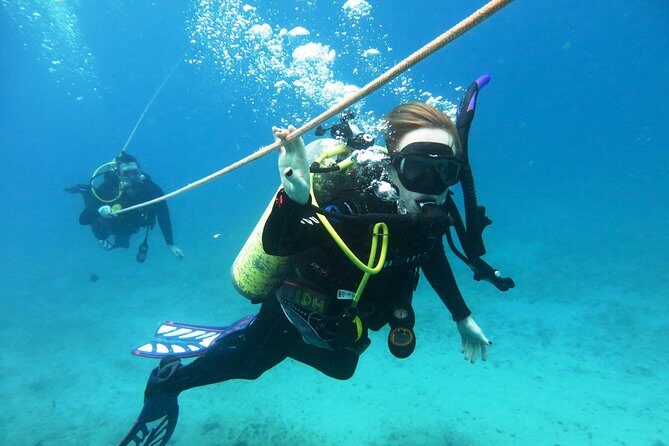
Day 4 wraps the course with final check-out sessions—the last two sessions where you demonstrate that you can apply the training under assessment conditions. Once you complete the training, you earn your Open Water Scuba Certification from SSI, and you’ll have logged four local scuba training experiences during the program.
This last day is the payoff day. It’s also usually the day where your comfort level changes the fastest: the first time you realize you can focus on breathing and surroundings instead of equipment problems, the whole experience clicks.
Also, the course highlights that you become a lifetime member of the ocean community. That’s not just marketing language on paper. It signals that the training is meant to plug you into conservation-minded scuba culture, not just hand you a card and send you away.

Instructors and the “feel safe” factor: why names like Hunter and Anna stand out
The biggest theme across the praised instructor feedback is clear: patient teaching, a calm vibe, and safety-first guidance. Multiple people called out instructors by name—Lenny, Theo, Nick, Jake, Jess, Ed, Chandler, Hunter, and Anna—and described them as taking the time to help students feel comfortable with equipment and techniques.
That matters more than people expect. If you’re nervous, scuba becomes harder—not because you’re incapable, but because you’re fighting your own stress response. Instructors who slow down, explain clearly, and check that you’re comfortable help you reduce that stress early.
Several positive comments also emphasized a lighthearted, friendly atmosphere. You’ll feel better learning when the crew treats you like you’re learning, not like you’re being tested every five minutes.
Now for balance: at least one negative note mentioned equipment issues (like a torn wetsuit), plus complaints about Covid measures and an unpleasant captain attitude. That doesn’t automatically mean your experience will match that report, but it’s enough that I’d do two things: check your gear condition before you rely on it, and ask what Covid-safety steps are being followed right now.
Price and value: what $495 includes, what costs extra, and what to budget
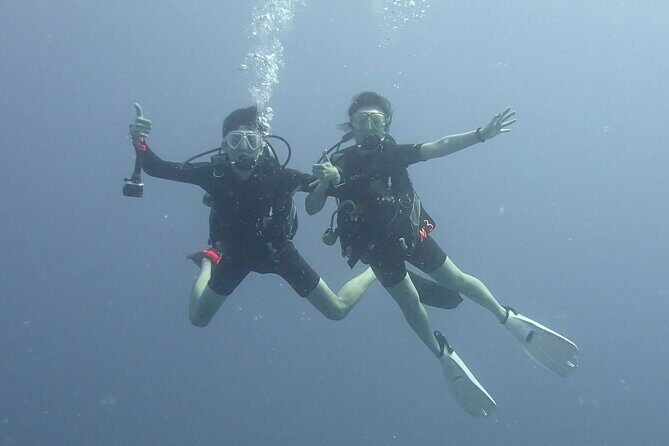
At $495 per person, this is positioned as a value option for SSI certification on Oahu. The reason it can feel like good value is that you’re getting more than just a ticket—you’re getting a professional guide, scuba equipment usage, and digital learning included (and required before Day 1).
The equipment detail is the one part you have to budget wisely. Everything is included except your mask, snorkel, fins, and boots. If you don’t bring them, the info says rentals start at $175. That means your real cost is either the $495 with you traveling with your own basic gear, or $495 plus gear costs if you need to rent.
So who gets the best deal? You do if:
- you already own at least a mask or basic fin setup
- you travel with your own boot/fins
- you want a small-group certification without private transportation costs adding up
One more money reality: you’ll need your own transportation. That doesn’t change the $495, but it can change your trip budget. Plan for rides to the meeting point and back for each session.
Honolulu logistics: 7:00 am start, your own rides, and medical check paperwork
This course meets at Honolulu Scuba Company, 670 Auahi St suite a-1, Honolulu, HI 96813, starting at 7:00 am, and it ends back at the same meeting point. The schedule and the early start are not optional details. Starting at 7:00 am means you’ll want breakfast and a calm head, not a last-minute scramble.
You also need to handle your own transportation, since private transportation is not included. If you’re staying far from Waikiki or downtown, factor in travel time early in the day—especially with the two-weekend structure.
Before you get in the water, you’ll complete a health questionnaire. Diving within 48 hours of flying is not recommended, and people with certain pre-existing medical conditions (the info calls out asthma and heart conditions) may be prevented from diving. If you have any concerns, it’s worth talking with your doctor before you commit your vacation days.
Finally, the course notes you should have moderate physical fitness. You don’t need to be an athlete, but you should be comfortable with water time, gear weight, and following instructions under a bit of physical exertion.
What you’ll see around Oahu’s reefs (and how that helps learning)
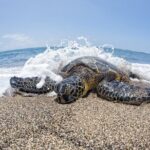
The course description promises wildlife encounters: sea turtles, octopuses, and colorful tropical fish. Your job isn’t to go hunting for animals; your job is to learn control—breathing, buoyancy, and movement—so you can observe without disturbing.
This is a smart way to introduce first-timers to scuba. When you learn to move slowly and stay neutrally buoyant, you naturally spend more time watching. That turns your training into a real experience, not just skill drills.
Also, coral reef time is one of the reasons people return to scuba. Even if Day 2 or Day 4 feels like a test, you’ll still be seeing habitat that makes scuba worth learning in the first place.
Who should take this SSI course, and who might want to rethink
This class is designed for locals, but it welcomes anyone who can meet the schedule. That schedule is the key. You’re committing to two consecutive weekends and being ready for confined water plus ocean training plus check-out sessions.
It suits you if:
- you want a structured SSI Open Water certification with four-part training
- you like a small group size (max 8)
- you want to learn safely with instructors who consistently earn praise for patience and confidence building
It might not suit you if you:
- need a flexible single-weekend schedule
- can’t handle an early 7:00 am start
- have medical conditions that might keep you from being cleared by the questionnaire (talk to your doctor first)
Should you book the Honolulu SSI Open Water course?
I’d book it if you want an honest route to SSI Open Water on Oahu: small group size, clear multi-day training, and instructors who repeatedly get credited for helping nervous beginners feel steady. The reef wildlife promise is the right kind of motivation too, because it makes the hard skill work feel worth it.
Before you pay, do a quick checklist:
- Confirm you can make both weekends, including early mornings.
- Plan for mask, snorkel, fins, and boots—either bring your own or budget for rentals (starting around $175).
- If you’re sensitive to medical issues, complete the questionnaire requirements and ask your doctor if you’re cleared.
- When you arrive, do a real gear check. If something feels off, say something right away.
If that all looks doable, this course is a strong value way to earn your SSI Open Water card and start your underwater life in Hawaii with skills you can trust.
FAQ
How long is the Open Water Scuba Certification course?
It’s about 4 days total, completed over two consecutive weekends.
Where does the course start?
The course meets at Honolulu Scuba Company, 670 Auahi St suite a-1, Honolulu, HI 96813.
What time does the course start each day?
The start time listed is 7:00 am.
What certification will I earn?
You’ll earn an Open Water Scuba Certification from Scuba Schools International (SSI).
What parts of the course are in the ocean versus confined water?
Day 1 includes review of the final exam plus confined water scuba training from the beach. Day 2 includes two ocean sessions. Day 3 completes the confined water training. Day 4 includes the final two check-out sessions.
What scuba equipment is included?
The course includes use of scuba equipment, but it does not include a mask, snorkel, fins, or boots.
Do I need to complete online learning before the first day?
Yes. Digital learning is included and required before Day 1, and access is provided by contacting the company.
Do I need my own transportation?
Yes. Private transportation is not included, so you’ll need to arrange your own rides to and from the meeting point.
Is there a medical questionnaire and any travel timing guidance?
Yes. You’ll complete a health questionnaire prior to diving. Diving within 48 hours of flying is not recommended, and some conditions (like asthma and heart conditions) may prevent you from diving, so check with your doctor.