REVIEW · OAHU
Waikiki 2 Hours Private Guided Surf Lesson
Book on Viator →Operated by Kahu Surf School · Bookable on Viator
Waikiki surf lessons can be fast. This private 2-hour setup is interesting because you’re coached from the shore first, then you jump into the water with a plan, not just vibes. I like the private, personalized coaching and the fact that most beginners stand up many times in their first lesson. One thing to consider: a small number of past bookings complained about communication and refund/scheduling problems, so it’s smart to double-check details before you show up.
You’ll meet at 2450 Prince Edward St in Honolulu (and end right back there). It’s near public transportation, and you’ll need moderate physical fitness, which makes sense for paddling and getting up repeatedly.
Expect land and water demonstration for proper positions, plus some applied surfing theory so you understand what you’re doing when the wave arrives. The goal is simple: catch enough waves—up to 10–20—so you get repetition, not one lucky moment.
In This Review
- Quick hits
- Waikiki Private Surf Lesson: where the session starts
- Land demo + applied surf theory: why beginners get traction
- In the water: coaching that keeps you safe and moving
- How many waves can you really ride in 2 hours?
- Who your instructor might be (and why that matters)
- Video and photos: capturing the first big wins
- Price value: what you’re really paying for in Waikiki
- What can go wrong: scheduling and communication reality check
- Who should book a Waikiki 2-hour private surf lesson?
- Should you book Kahu Surf School in Waikiki?
- FAQ
- How long is the Waikiki private guided surf lesson?
- Where do I meet for the lesson?
- Is this lesson private or shared?
- Do I need surfing experience?
- What language is the lesson taught in?
- How many waves can I ride?
- What’s included in the instruction?
- Can the lesson be filmed or photographed?
- What if weather is bad?
- What is the cancellation window?
Quick hits
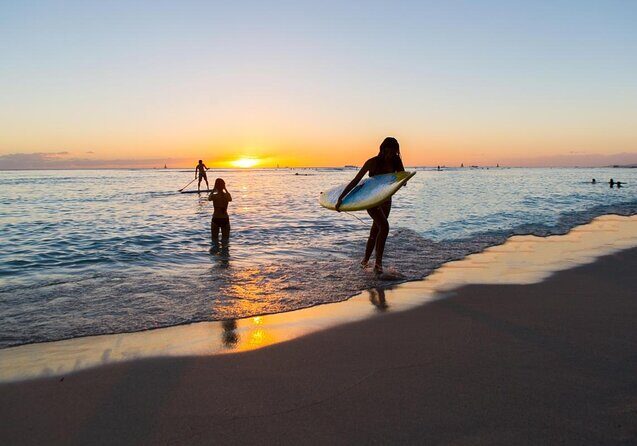
- Private 2-hour lesson in Waikiki so you’re not sharing coaching with a crowd
- Land + water demonstration for body position, timing, and technique
- Applied surfing theory so you can understand what to adjust mid-session
- Up to 10–20 waves with coaching tailored to your ability
- 95%+ of students stand up multiple times during their first lesson
- Video/photo capture is possible, so you can share the win back home
Waikiki Private Surf Lesson: where the session starts
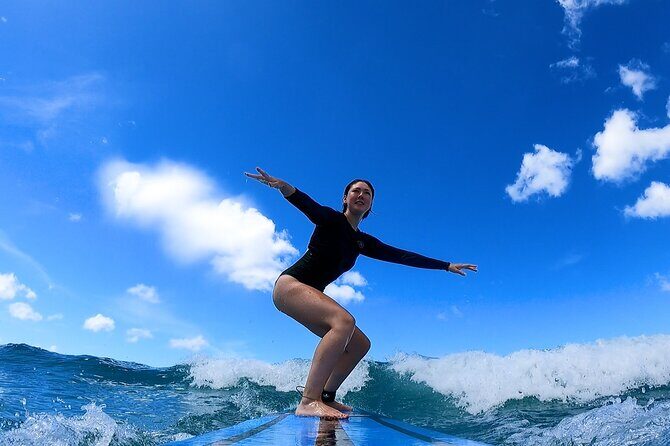
This lesson is built around a simple, practical rhythm: you meet in Honolulu at 2450 Prince Edward St, get your intro, then move through shore coaching and into the water practice. It ends back at the meeting point, which keeps the logistics easy after 2 hours of surf effort.
Because it’s private, you’re not squeezed into a one-size-fits-all experience. Your instructor can spend time correcting your stance and wave setup without feeling rushed by other people’s progress.
The location is also “get there without drama” friendly. It’s described as near public transportation, which matters in Waikiki where parking and traffic can eat into your fun time. If you’re traveling with limited mobility for long walks, this is still something to consider, but the lesson itself does assume you can handle repeated paddling and getting up.
Also note the language: it’s offered in English. If you’re more comfortable with a specific surf vocabulary, you’ll likely do fine with clear coaching and demonstration, but having any ability to communicate basics helps.
You can also read our reviews of more guided tours in Oahu



Land demo + applied surf theory: why beginners get traction
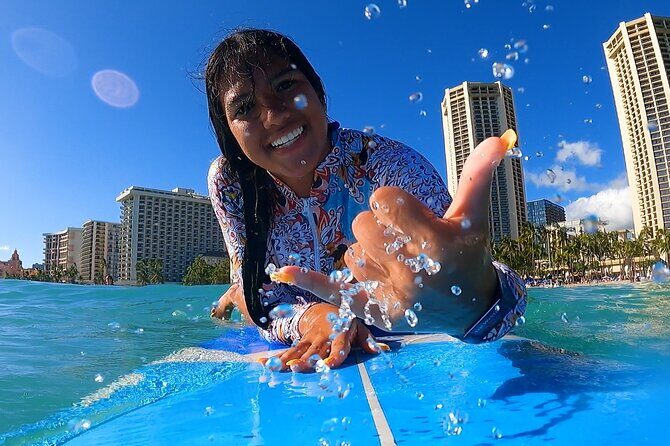
A lot of “try surfing” experiences forget the why. This one doesn’t. Every lesson includes both land and water demonstrations, focused on proper positions and proven technique. That shore time is not just warm-up. It’s where you learn what your body should be doing before you’re staring at the chaos of incoming sets.
Then there’s the added layer: you’ll also get applied theory. In plain terms, that means you’re not only taught what to do, you’re taught how to think about timing, wave selection, and what to change when something doesn’t work.
That’s a big deal for first-timers. When you only get instructions in the water, it’s easy to freeze or copy one movement without understanding it. With a shore demo plus theory, you’re more likely to adjust on the next try instead of repeating the same mistake three times in a row.
The coaching is also described as personalized based on ability. That matters because “beginner” isn’t one single skill level. Some people can pop up quickly. Others need more reps on stance and balance. The lesson is designed to match what you can do that day rather than forcing everyone into the same target.
In the water: coaching that keeps you safe and moving
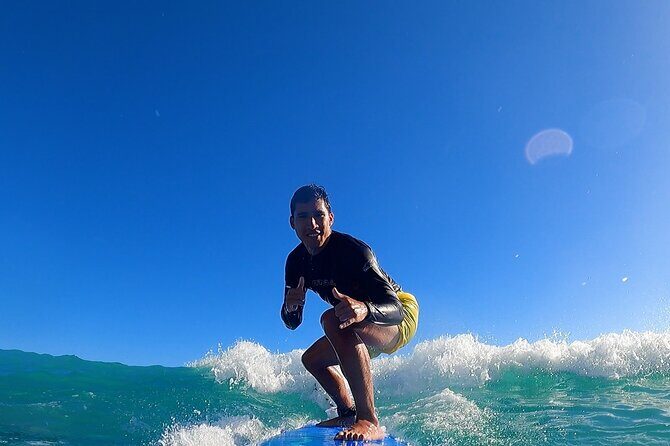
Once you’re in the surf, the instructor is with you and actively guiding. The experience is described as having consistent outcomes for beginners: 95%+ of students stand up many times during their first lesson. That doesn’t mean every wave turns into a surfing movie. It means most people get multiple successes instead of a single standing moment.
Safety and real-time correction are themes that show up in the positive feedback. Several people described instructors who stayed close, checked in constantly, and gave clear guidance while you’re paddling out and during each attempt.
You’ll also be aiming for repeated rides. The lesson is designed around wave time, and you can ride up to 10–20 waves depending on conditions and your progress. In surf terms, “up to” is doing a lot of work there. It means you’re not guaranteed that exact number in every session, but you’re set up to get enough tries to learn.
One practical plus of the private format: your instructor can focus on your specific bottleneck. Maybe you’re going too fast and losing balance. Maybe you’re late on the pop-up. Maybe you’re looking at your feet instead of the wave face. Private coaching makes those corrections feel immediate.
If you’re worried about confidence, don’t overthink it. The structure—land practice first, then guided attempts—helps you build momentum wave by wave.
How many waves can you really ride in 2 hours?
Two hours sounds short. On paper, it is. In surf reality, it becomes just right when the plan is repetition.
This lesson is specifically designed so you can ride 10–20 waves and you’re coached based on your ability. The session is also described as personalized, so you’re not only rushing to the biggest breaks or forcing advanced maneuvers. The goal is getting you up, getting you riding, and getting you learning.
One useful detail from positive experiences: some sessions may run slightly behind the first scheduled start. In one account, the lesson began about 45 minutes later than planned, but it was framed as waiting for better conditions. That may happen on the coast. Surf is weather and wave-driven, not clock-driven.
The wave count and your ability progression also help explain why people often feel like the lesson is worth it. For first-timers, the best sign isn’t a perfect glide. It’s the moment you realize you’re standing more than you’re falling.
There’s also a real fitness angle. You’re expected to have a moderate physical fitness level. Even if you’re comfortable in water, paddling, timing, and the repeated scramble to stand up add up. The upside is that the shorter 2-hour window makes it easier to push through without draining the whole day.
Who your instructor might be (and why that matters)
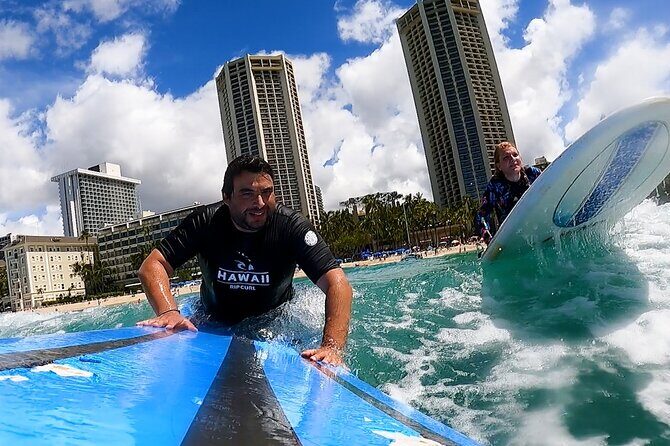
The experience provider is Kahu Surf School, and the tone of the lesson can depend a lot on who you get. Names that came up include Moki, Vance, Kaa’Aine, and Cody.
What I’d take from the positive accounts is consistent: the best instructors in these lessons are supportive, energetic, and focused on safety and repeatable technique. Several people described instructors who stayed right with them, gave clear instructions, and celebrated progress. For kids and absolute beginners, encouragement can be the difference between nervous hesitation and real momentum.
For example, one person described a 1:1 lesson for a 12-year-old with a highly encouraging instructor, including lots of smiles and celebration when the student caught waves. Another account highlighted Cody making a bucket-list surf experience happen at age 59. Those aren’t small details. They signal that the lesson approach is adaptable to different ages and comfort levels.
On the flip side, a few negative experiences described harsh or unprofessional communication from leadership. Some people claimed scheduling mismatches and refund issues. I can’t sugarcoat that. If you book, you should treat it like any important appointment: confirm your exact time and bring your confirmation details.
You can also read our reviews of more private tours in Oahu




Video and photos: capturing the first big wins
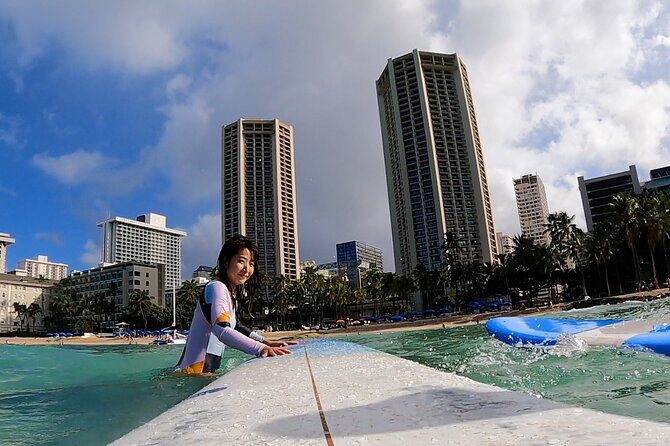
Surf has a funny way of making you forget what success looked like. That’s where camera capture helps.
This lesson says surf lessons can be captured on camera, so you can share videos and photos afterward. In at least one positive account, a raw footage video package was included or offered, and the person was especially glad they got it because the student kept smiling throughout the session.
For first-time surfers, the footage is useful for two reasons:
- You can rewatch your stance and pop-up timing when you’re calm.
- It turns the day into something you’ll actually remember beyond the sore arms.
If you’re the type who hates awkward selfies at beaches, this is still a win. You’re capturing the action. You’re not posing, you’re surfing.
Price value: what you’re really paying for in Waikiki
No price is provided here, so I’ll talk value instead of numbers.
You’re paying for three things:
- Time: a true 2-hour session aimed at multiple wave attempts
- Instruction: land + water demonstration plus applied theory
- Format: private coaching for your group
Value gets real when those parts match your goal. If your goal is “one short attempt and a photo,” you’ll feel underwhelmed. If your goal is “I want to stand up and ride a bunch of waves,” this format is built for that.
The stated success metric—95%+ stand up many times—isn’t a guarantee, but it tells you what the lesson is designed to achieve: repeated small wins. Add the target of 10–20 waves, and you can see why many first-timers feel like the lesson pays off.
The other value driver is adaptability. Personalized coaching based on your ability helps you progress instead of stalling. That’s especially important for mixed groups or if someone in your group is more nervous than excited.
Just don’t ignore the risk side. With any operator, if communication goes sideways, value goes down fast. So keep your confirmation details handy and confirm timing if possible.
What can go wrong: scheduling and communication reality check
I’ll address this directly because it affects whether your Waikiki day stays fun.
A few negative experiences described trouble with communication and scheduling. One person said they arrived and were told they were not on the schedule despite having confirmation paperwork, and they reported long delays and lack of refund response afterward. Another account criticized the owner’s communication style as unprofessional and rude, saying it ruined their experience.
That doesn’t mean every lesson goes that way. Many people gave glowing feedback about instructors being kind and focused. But it does mean you should plan like an adult with a calendar.
Here’s how to protect your day using only common-sense moves:
- Save your confirmation details (and screen them if you have a mobile ticket).
- Make sure you know the exact start time and meeting point: 2450 Prince Edward St.
- If anything feels off when you arrive, ask for resolution immediately.
Surf is unpredictable. But your booking details should be the part that’s predictable.
Who should book a Waikiki 2-hour private surf lesson?
Book it if you want beginner-friendly guidance with enough time to actually improve. This lesson works well for:
- First-time surfers who want structure and repeated attempts
- Parents booking for kids who need encouragement and close coaching
- People in the “I’m nervous but I’m doing it anyway” camp
- Anyone who wants a private experience rather than a group scramble
It also fits different ages, based on positive accounts that included an older first-time surfer (59) and a 12-year-old doing a 1:1 lesson.
Consider skipping (or booking with extra caution) if you’re extremely sensitive to strict schedule handling or you need a calm, polished communication experience from start to finish. A small number of past complaints were loud about this topic.
Also, the lesson assumes moderate physical fitness. If paddling and repeated get-ups sound like your limit today, you might want to pick a day with extra rest.
Should you book Kahu Surf School in Waikiki?
If you want the best shot at standing up and riding multiple waves in a controlled, beginner-focused format, this lesson has a lot going for it. The structure—land demo, water coaching, and applied theory—is exactly what first-timers need to progress. Add the private format and the wave targets (up to 10–20), and it’s a strong value for a 2-hour block.
I’d book it when:
- You want private attention and a learning-first experience
- You’re okay with surf conditions affecting timing
- You’re ready for a moderate workout
- You confirm your booking details ahead of time
I’d hesitate when:
- You need perfect scheduling certainty and zero communication risk
- You’re booking last-minute without any flexibility
- You’re not comfortable with the possibility of a weather-based change (the lesson requires good weather, and poor conditions can mean a different date or a refund)
If you do book, do it with your confirmation ready, show up at 2450 Prince Edward St, and go in with one mindset: learn fast, fall fast, repeat. Waikiki surf is basically built for that.
FAQ
How long is the Waikiki private guided surf lesson?
It runs for about 2 hours.
Where do I meet for the lesson?
The meeting point is 2450 Prince Edward St, Honolulu, HI 96815, USA.
Is this lesson private or shared?
It’s private. Only your group participates.
Do I need surfing experience?
No surfing experience is necessary.
What language is the lesson taught in?
The lesson is offered in English.
How many waves can I ride?
You can ride up to 10–20 waves. The exact number can vary by your ability and the session.
What’s included in the instruction?
Lessons include land and water demonstration, proper positions and proven techniques, and applied surfing theory.
Can the lesson be filmed or photographed?
Yes. The surf lesson can be captured on camera, so you can share videos and photos afterward.
What if weather is bad?
The experience requires good weather. If it’s canceled due to poor weather, you’ll be offered a different date or a full refund.
What is the cancellation window?
You can cancel for a full refund up to 24 hours in advance of the experience’s start time (based on local time). Canceling less than 24 hours before start time doesn’t receive a refund.