REVIEW · OAHU
Whale Watching Cruise in Honolulu
Book on Viator →Operated by Prince Kuhio Tours · Bookable on Viator
Whales are the main event here. What makes this Honolulu cruise interesting is how built-for-viewing it is: I love the spacious upper deck and the crew’s steady whale-search focus, which matters when sightings are fast and far out. The main drawback to plan around is that you’re on the water, so wind or rougher seas can make the ride uncomfortable, and there have been real-world cancellations and delays.
This is a winter-focused whale trip: humpback whales often winter in Hawaii’s warm waters from mid-December to March, so that’s when your odds climb. You’ll sail off Oahu along the Waikiki coast for about 1 hour 45 minutes, with stops that include Diamond Head Lighthouse and Waikiki Beach.
You get a mobile ticket and a boat limit of up to 100 people, which helps keep things relaxed. Just be honest with yourself about motion sickness: the experience isn’t recommended if you have unmanageable motion issues.
In This Review
- Key things to know before you go
- What makes whale watching off Waikiki work in the first place
- Prince Kuhio and the ship: where comfort meets spotting
- The route: Diamond Head Lighthouse, Waikiki Beach, and the view strategy
- How the crew improves your odds of seeing humpbacks
- What you’ll actually do on board (and what helps you enjoy it)
- Price and value: is $45 worth it for most people?
- Weather, wind, and why last-minute changes are part of the deal
- Who should book this cruise (and who might skip it)
- Should you book Prince Kuhio’s Honolulu whale watching?
- FAQ
- FAQ
- How long is the whale watching cruise?
- What time does the cruise start?
- Where is the meeting point?
- How much does it cost?
- What whales are you hoping to see, and when?
- Can I expect to see other animals besides whales?
- What is included with the ticket?
- Are motion sickness issues a problem for this cruise?
- What should I bring for comfort?
Key things to know before you go
- Winter is the sweet spot for humpbacks (mid-December to March).
- You’ll ride high on a large open upper deck for the best sightlines.
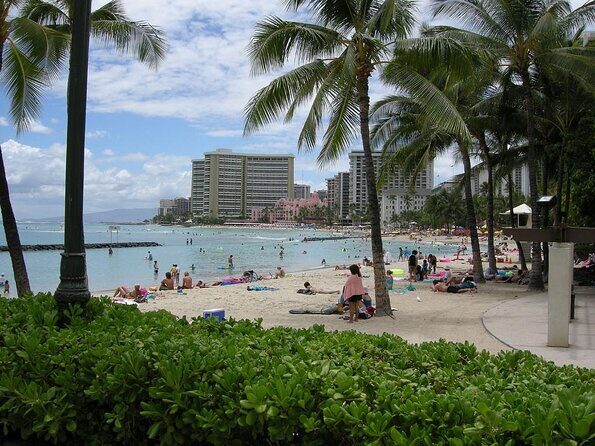
- The route includes Diamond Head Lighthouse and Waikiki Beach for big ocean views.
- Whales aren’t guaranteed, but the crew actively looks once you’re out there.
- On-board drinks are part of the experience, so you can stay comfortable as you scan the water.
- Good weather is required, so expect day-of weather decisions.
What makes whale watching off Waikiki work in the first place
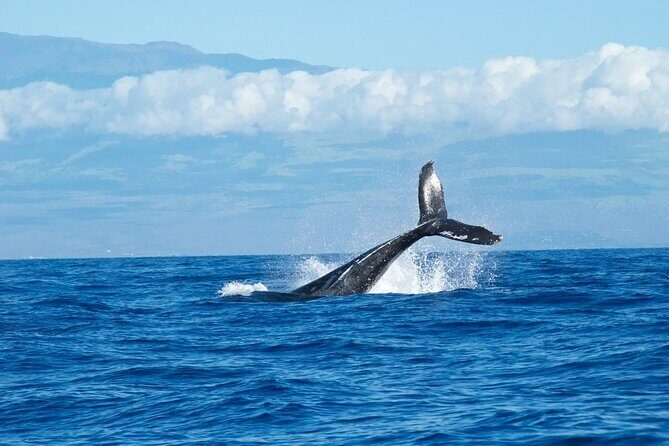
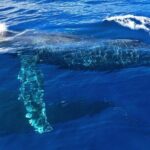
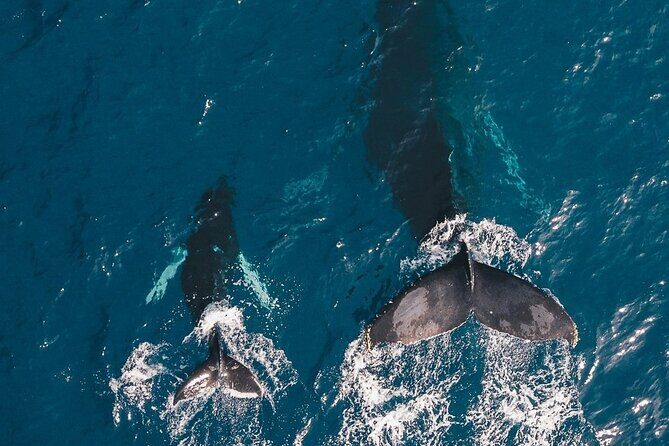
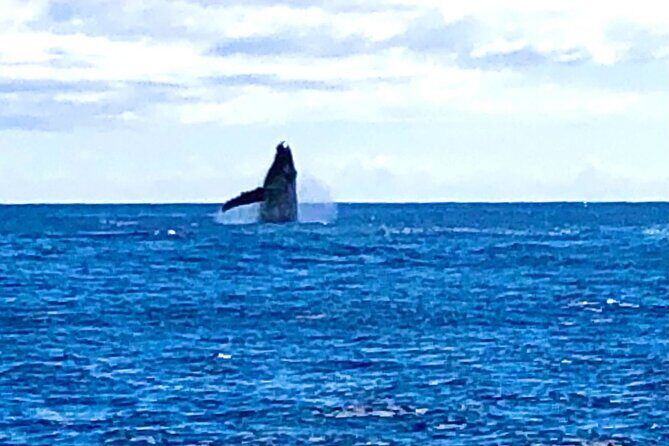
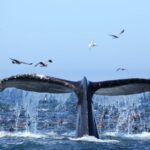
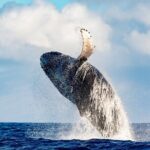
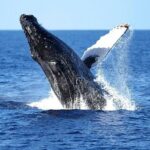
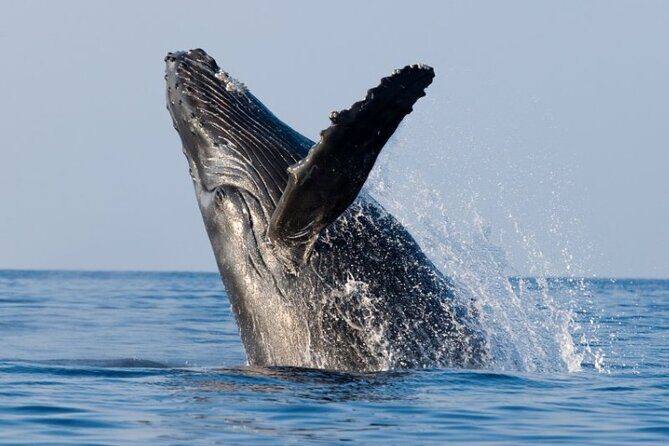
Humpback whales are the headline here. When they’re in season (mid-December through March), you can see more than just a spout on the horizon. You’re aiming to catch whales swimming, feeding, playing, and sometimes breaching, which is the moment that turns a scan session into a real wow.
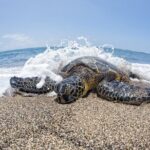
The bonus is that the ocean often brings company. Dolphins and sea turtles can show up too, and even when whales are distant, watching marine life doing marine life things off the coast is still a strong way to spend a Honolulu afternoon.
This also explains why timing matters. The trip starts at 12:00 pm, so you’re going out in daylight with time to enjoy the upper deck views before the evening crowds build.
You can also read our reviews of more boat tours in Oahu

Prince Kuhio and the ship: where comfort meets spotting
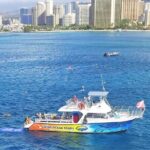
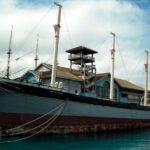
This cruise uses the Prince Kuhio for a reason: the boat offers a spacious and open upper deck that’s designed for watching. That matters because whale-spotting is a game of patience and angles. If you’re stuck below or behind railings, you lose sightlines right when something breaks the surface.
Stability also comes up. The description highlights a large, stable viewing platform, which helps you stay focused on the water instead of battling every wave. That doesn’t eliminate motion, but it can make a difference in how long you can comfortably stand and look.
Crew attention is another big factor. Across positive feedback, people consistently praise the crew’s friendliness and their ability to let everyone know when whales are spotted. On one sailing, a helpful team member named Jaedyn is singled out for making the experience memorable, which fits the bigger pattern: you want a crew that stays alert and communicates fast.
And yes, you should plan to be scanning constantly. Even with good conditions, whale sightings can happen and vanish quickly. The payoff is that once the whales show up, you’re positioned for real viewing rather than just hoping you caught something at the far end of the boat.
The route: Diamond Head Lighthouse, Waikiki Beach, and the view strategy
You won’t just head straight out and stare at the open sea. This cruise includes stops that connect famous coastline landmarks with real ocean viewing.
Stop 1: Diamond Head Lighthouse
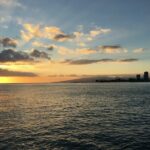
Diamond Head is easy to recognize, and approaching it from the water gives you that classic Honolulu look with less street noise and better angles for photos. It’s also a good “get your bearings” moment when you’re fresh to the cruise and still learning where to scan.
A practical note: landmarks like Diamond Head can look great in photos, but whale action doesn’t always happen right next to the sights. If whales aren’t right there, treat this part as your warm-up—great views now, whale chances as you move.
Stop 2: Waikiki Beach
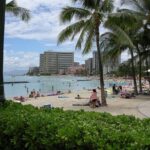
Kiwi-sized shoreline energy is the vibe here. From the water, Waikiki looks different: more layered, more spread out, and more dramatic with the coastline in view. Even if whales are far, the shoreline scenery keeps the cruise feeling like more than just a boat ride.
This stop can also be a reminder of how whale spotting actually works: you’re not always guaranteed close-up moments. Some sightings may be distant, and the best you can do is keep watching until something rises, breaches, or surfaces with a clear tell.
How the crew improves your odds of seeing humpbacks
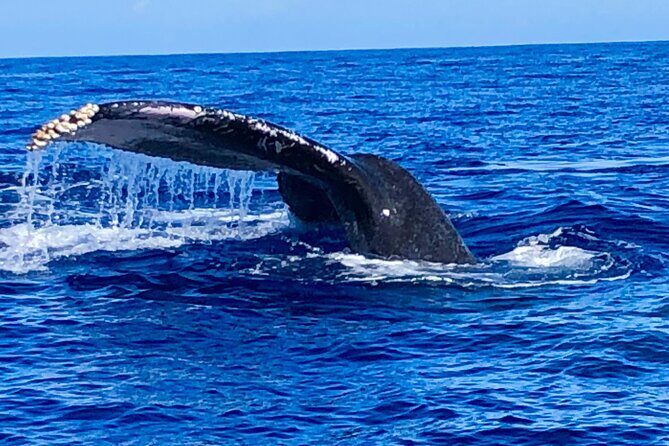
Let’s be blunt: you can’t buy whale sighting certainty. You can buy better odds. This cruise leans into that by focusing on viewing space and active spotting.
Here’s what that looks like in practice:
- You stay on an upper open deck where you can track the water horizon.
- Crew members watch continuously and communicate when whales are sighted, so you don’t miss the first spout.
- The captain keeps distance in mind. Some whale encounters are close enough to feel special, while others are more “from a ways away,” but either way you’re watching whales in their natural habitat.
Even in seasons where whales are around, sightings can vary day to day. Some people describe long stretches of whale watching with multiple sightings, while others report no whales at all. That’s the nature of the ocean. Your best strategy is to come with flexible expectations and focus on the whole cruise experience: sky, coastline, and the moment the water starts doing its whale stuff.
Also keep an eye on timing within the trip. A few comments mention that whales were spotted and communicated well, but the time spent near sightings can vary depending on where the whales are at that moment. Translation for you: once you hear whales are sighted, stay ready for a quick shift in where everyone looks.
What you’ll actually do on board (and what helps you enjoy it)
Your main activity is watching. Everything else supports that: comfort, visibility, and staying warm enough to keep scanning.
This cruise includes upper/outside seating with capacity depending on the boat setup. If you want the best experience, arrive ready to claim deck viewing time and keep moving with the crowd when sightings are called out.
On-board drinks are offered. That’s a simple comfort upgrade when you’re out there for nearly two hours in ocean air. If you’re sensitive to wind, warm-up is easier when you can sip something and keep your body comfortable.
Packing tips are pretty straightforward from real-world advice:
- Bring sunglasses.
- Bring a light jacket or layer, because ocean wind can hit harder than you expect.
And one more practical thing: plan your day so you’re not stressed about exact timing. Some people had smooth experiences; others ran into issues tied to cancellations, mechanical problems, or a boat that didn’t show up. When you’re depending on water conditions, build in breathing room so a rough day doesn’t ruin your entire Honolulu plan.
You can also read our reviews of more whale watching tours in Oahu
Price and value: is $45 worth it for most people?
At $45 per person, this is priced like a mainstream Honolulu activity. Whale watching can get pricey fast in tourist-heavy areas, so this tends to feel like decent value if you keep your expectations realistic.
Here’s how I think about the value:
- If whales are actively spotted, you’re getting something you can’t replicate in a parking-lot tour: real wildlife behavior in motion.
- You’re also buying the viewing setup: an open upper deck and a cruise route that includes recognizable coastline.
- The experience lasts about 1 hour 45 minutes, so it doesn’t swallow your whole day.
Now the balancing reality: there’s enough mixed feedback around cancellations and operational problems that you should treat it like a weather-dependent plan, not a guaranteed wildlife appointment. If you’re traveling with a tight schedule or you can’t handle a last-minute change, you may want to stack options or keep your evening flexible.
In other words, I’d call this a good-value choice when you’re flexible and ready to enjoy the ride even if whales are distant.
Weather, wind, and why last-minute changes are part of the deal
This experience requires good weather. If it’s canceled due to poor conditions, you’ll be offered a different date or a full refund. That’s the standard model for ocean tours, and it’s smart to expect it.
Still, real-world operations can wobble. The trip has seen mechanical-related cancellations and situations where the boat experience didn’t start as expected. Sometimes it’s weather; sometimes it’s mechanical.
Your best move:
- Keep your contact information updated so confirmation and updates can reach you.
- Have a flexible plan for the rest of the afternoon.
- If you’re driving and parking matters, leave extra time for buffers so you don’t get stuck stressed if the start shifts.
If you’re prone to motion sickness, take that seriously. This cruise is not recommended if your motion sickness is unmanageable. For many people, a stable viewing deck helps, but if you know you’ll suffer, skipping this one may be the kinder choice.
Who should book this cruise (and who might skip it)
This whale watching cruise is a strong fit if you want:
- A classic Honolulu ocean activity with major coastline views.
- A higher vantage point for spotting wildlife.
- A trip that’s short enough to fit into a day, but long enough for real scanning.
It’s also a nice choice for couples and families who can enjoy the cruise experience even when sightings aren’t perfect. When it goes well, people describe it as fun, comfortable, and very whale-focused, with crew communication that keeps everyone in sync.
I’d think twice if:
- You cannot handle motion at sea.
- You have a rigid schedule and no room for a weather/mechanical reroute.
- You need a guaranteed wildlife outcome. This is about improving odds, not buying certainty.
Should you book Prince Kuhio’s Honolulu whale watching?
If you’re traveling during the humpback season and you’re okay with nature variability, I’d book it. The biggest reasons are simple: the upper deck viewing setup and the sense that the crew is actively on the lookout. At $45, it’s a reasonable bet for a memorable winter wildlife experience off Waikiki.
Just go in with the right mindset. Keep a little flexibility in your schedule. Bring sunglasses and a light layer. If motion sickness is a known problem for you, don’t push it. And if you want the smoothest trip, aim for a day when the forecast looks friendly.
FAQ
FAQ
How long is the whale watching cruise?
It runs for about 1 hour 45 minutes (approx.).
What time does the cruise start?
The start time is 12:00 pm.
Where is the meeting point?
The tour starts at 1009 Ala Moana Blvd, Honolulu, HI 96813, USA, and ends back at the same meeting point.
How much does it cost?
The price is $45.00 per person.
What whales are you hoping to see, and when?
Humpback whales are the main target. They’re commonly seen wintering in Hawaiian waters from mid-December to March.
Can I expect to see other animals besides whales?
You might also spot dolphins and sea turtles.
What is included with the ticket?
Upper deck/outside seating is included, with capacity depending on the sailing.
Are motion sickness issues a problem for this cruise?
It is not recommended for travelers with unmanageable motion sickness.
What should I bring for comfort?
Bring sunglasses and a light jacket or layer, since wind and sun are part of the experience on the water.