REVIEW · OAHU
Honolulu, Oahu: Waikiki Whale Watching Cruise
Book on GetYourGuide →Operated by E SEA DIVER · Bookable on GetYourGuide
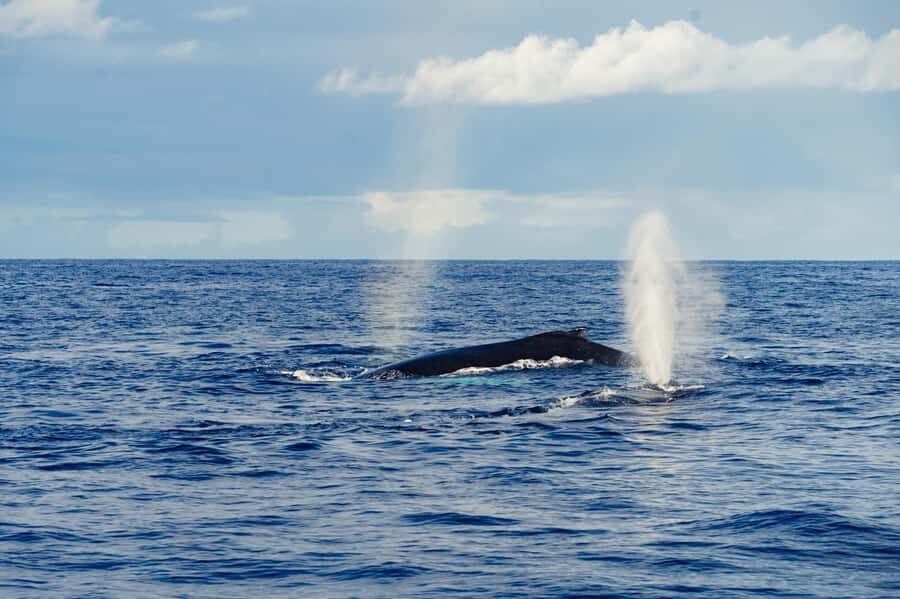
Whales have a way of shutting you up fast. On Oahu, this 90-minute cruise on the Ocean Intrigue, a 65-foot double-deck catamaran, gives you wide-open views while a dedicated crew hunts for humpbacks, often alongside dolphins and turtles. I love the free follow-up option if whales don’t show, and I also like the simple onboard comfort like binoculars, snacks, and bathrooms. One thing to plan for: humpbacks are wild animals, so sightings are never 100%—and refund rules can be stricter during the introductory rate window.
Humpback season here runs December through April, which is when your odds jump. The tour also weaves in real cultural meaning: Hawaiians connect whales to Kanaloa, the god of ocean life—so even when you only see blowholes and tails at the right angle, the moment lands.
In This Review
- Key things I’d pay attention to
- Ocean Intrigue Double-Deck Views: Why the Boat Setup Matters
- Best Season for Humpbacks Off Oahu (and What You’ll Likely See)
- Getting to Kewalo Basin Pier E: Meeting Point Without the Headache
- How the 90-Minute Cruise Feels on the Water
- Onboard Comfort: Snacks, Bathrooms, Binoculars, and Safety
- Whale-Sighting Guarantee and the Free Second Trip
- Price and Value at Around $39: When It Feels Like a Win
- What to Bring and How to Beat Seasickness
- Who This Tour Suits Best on Waikiki
- Should You Book This Waikiki Whale Watching Cruise?
- FAQ
- When is the best time to see humpback whales on Oahu?
- How long is the whale watching cruise?
- Where do I meet the tour?
- What’s included in the ticket price?
- What should I bring for the trip?
- What happens if the crew doesn’t spot whales?
- Is pickup included for the free second trip?
- Is the tour wheelchair accessible?
- Is transportation or parking included?
Key things I’d pay attention to
- Ocean Intrigue’s double-deck layout: open visibility that helps you spot spouts faster.
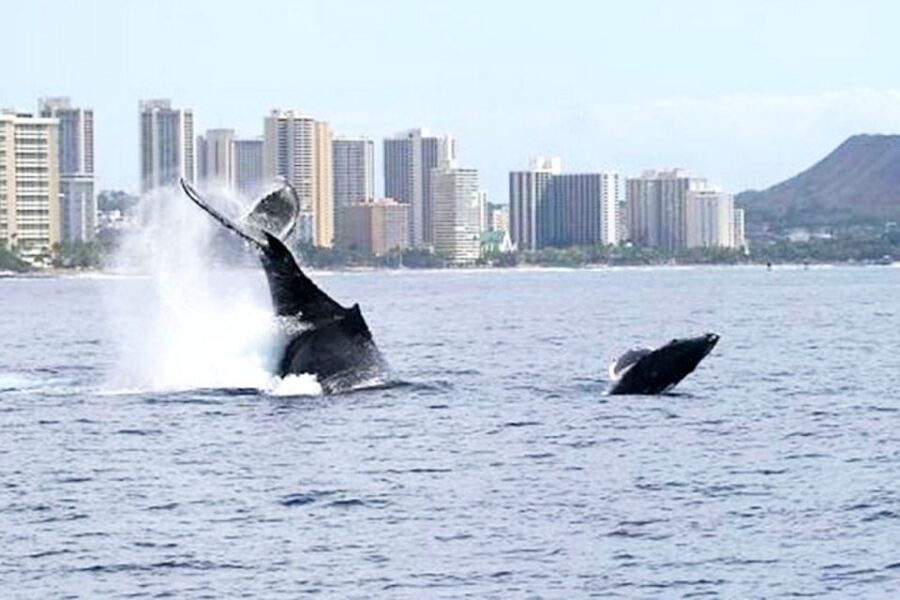
- Humpbacks in season (Dec–Apr): this is when Hawaii’s humpbacks are most reliably around Oahu.
- Included binoculars + crew scanning: spotting is a team sport out on the water.
- Whale-sighting guarantee: if you don’t see whales, you can arrange a free second trip.
- Easy onboard perks: water, juice, snacks, bathrooms, and plenty of time on the ocean.
Ocean Intrigue Double-Deck Views: Why the Boat Setup Matters
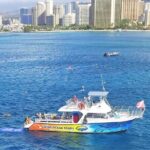
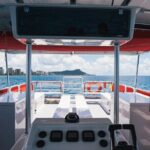
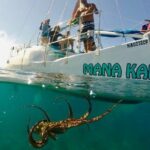
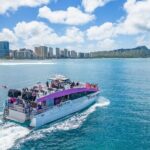
This cruise runs on the Ocean Intrigue, a 65-foot double-deck catamaran. That sounds like a boating detail, but it matters because whale watching is mostly about angles and sight lines. On a double-deck boat, you naturally get more chances to spot spouts and movements as the animals surface.
The catamaran setup also tends to feel stable for a short trip. You’re not committing to a long expedition, so you can focus on watching instead of bracing yourself for the whole journey. And because this tour is aimed at whale spotting off the coast of Oahu, the crew’s job is to keep scanning and repositioning when they find signs.
If you’re comparing experiences, this is the kind of tour where the basics are actually done well: included binoculars, time on the water, and a boat designed for viewing. For $39, you’re paying for the seeing, not for fancy extras.
You can also read our reviews of more boat tours in Oahu

Best Season for Humpbacks Off Oahu (and What You’ll Likely See)
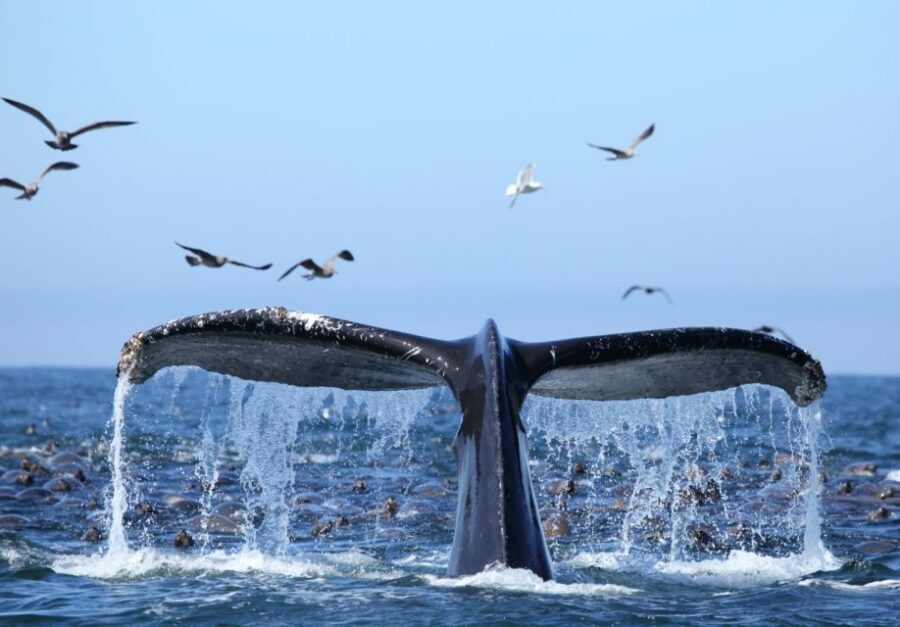
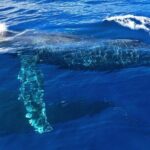
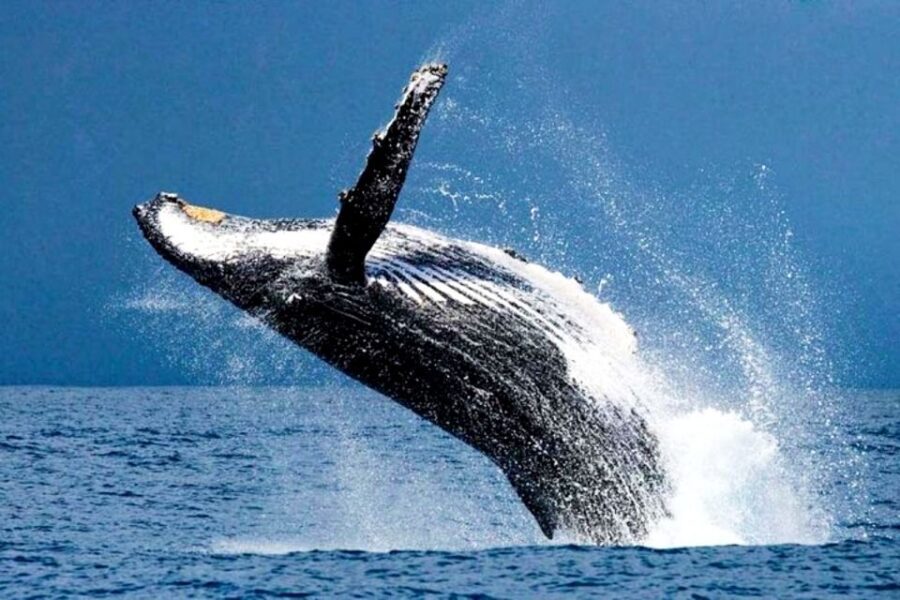
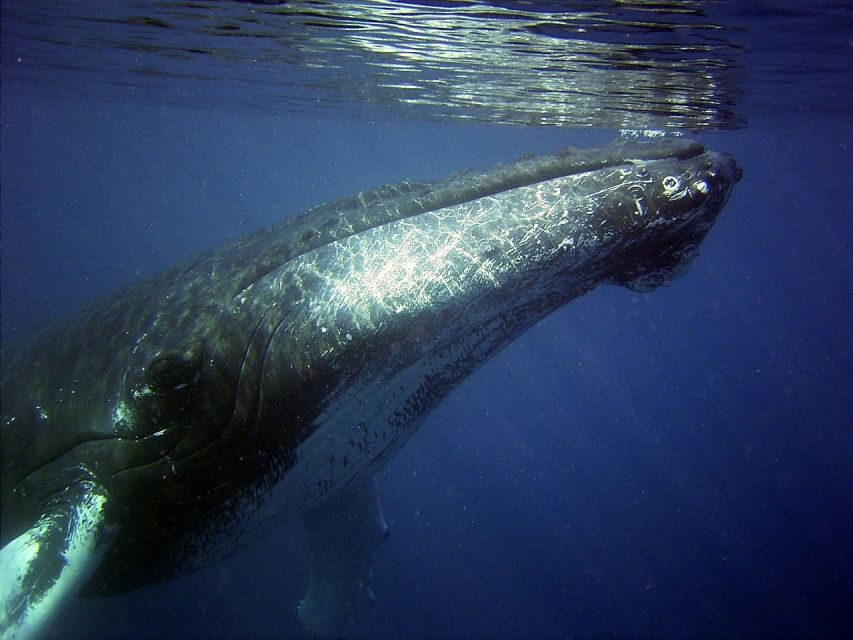
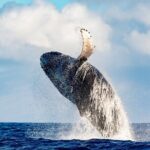
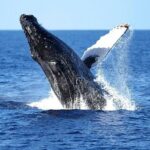
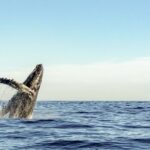
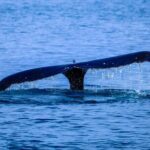
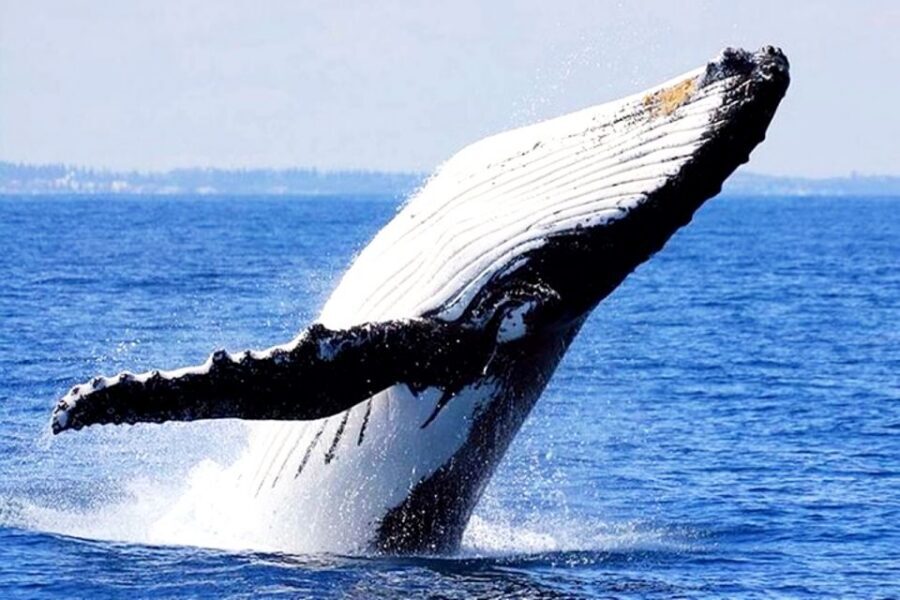
Humpback whales in Hawaii are best between December and April. That’s when humpbacks spend time around the islands, and it’s also when tours like this lean most heavily into sightings.
I also like that the description frames whales as more than a wildlife checkbox. Humpbacks have strong cultural value in Native Hawaiian tradition, connected to Kanaloa, the god of all ocean life. When you’re out there watching, that context makes the whole outing feel more grounded.
Even when whales are hiding, this type of cruise often includes other wildlife sightings. The highlights mention dolphins, and the experience commonly pairs humpback luck with other marine life like turtles and even flying fish. On the ocean, those bonus sightings are not random distractions—they’re proof you’re in the right habitat and that the crew is seeing something happening in the water.
Getting to Kewalo Basin Pier E: Meeting Point Without the Headache
The tour’s stated starting point is 1025 Ala Moana Blvd, and you return there after the cruise. But your real-world meeting spot is at Kewalo Basin, Pier E, Slip F-18, at an orange booth marked Eseadiver. That orange booth detail is the kind of thing that saves time, especially if you’re in Waikiki and traffic or walking routes mess with your timing.
Here’s how I’d simplify it for your planning:
- Aim to arrive early so you can find Pier E and Slip F-18 without rushing.
- Use the orange booth marker (Eseadiver) as your anchor.
- If you’re driving, remember parking isn’t included, and the hourly cost can add up.
One small note: not every part of the system includes pickup for the next trip if you miss whales the first time. So treat your first boarding as the moment that matters most for easy logistics.
How the 90-Minute Cruise Feels on the Water
You’re out for about 90 minutes. That’s a sweet spot for families and first-timers. Long enough to actually find whales if they’re nearby. Short enough that you’re not stuck on a boat through multiple weather shifts.
The cruise rhythm usually looks like this:
- You head out from the Oahu shoreline zone.
- The crew scans for whale signs—spouts, surfacing patterns, and any activity that suggests whales are in the area.
- When they spot something, the boat positions for viewing.
- You may also catch other marine life while you wait for the next surfacing.
Because humpbacks surface unpredictably, there’s always an element of luck. You might get a close, slow pass from a calm surface moment. Or you might spend the time watching the ocean for movement, then suddenly get a family group appear. Either way, the value here comes from having enough time to get into the action without wearing yourself out.
It also helps that the boat includes binoculars, so you can do your own scanning between whale events. You’re not stuck only reacting to what someone calls out.
Onboard Comfort: Snacks, Bathrooms, Binoculars, and Safety
This is one of those tours where comfort is practical, not promotional. You get:
- Water, juice, and snacks
- Bathrooms on board
- Binoculars included
That combo matters more than people think. If you’re on the ocean, even a short ride can mean sun, wind, and salt in the air. Having water and juice keeps you from turning the outing into a dehydrated shuffle. Snacks help if you ate breakfast early and you’re about to head into whale watching with an empty stomach.
I also appreciate that the boat is designed for real viewing time. When you’re paying for a wildlife experience, you want the trip to feel like it’s built for watching—not just for getting you to a generic viewing point.
Safety comes up in the experience in a straightforward way: riders consistently mention feeling safe on the boat. And on a catamaran, that kind of confidence is usually easier to feel because the ride tends to be stable.
You can also read our reviews of more whale watching tours in Oahu
Whale-Sighting Guarantee and the Free Second Trip
Here’s the big selling point: the tour offers a guarantee for whale sightings. If you don’t see whales during your first trip, you can book another trip for free on the same activity provider.
That free second trip is where the real value shows up. Whale watching is the ocean’s version of a lottery—some trips are magical, some are quiet. A guarantee doesn’t eliminate the risk, but it reduces the regret.
Two details to take seriously:
- The free second trip does not include pickup and drop-off.
- During the special introductory rate time frame, refunds won’t be given if whales aren’t sighted.
So, if you’re trying to minimize hassle, do this: schedule your first cruise early in your Oahu stay. Then you have time to act if the whales decide to take the day off.
Also, the crew is described as making dedicated efforts to spot marine life. In practice, that means the captain and crew are working to increase your chances, not just going through the motions and crossing their fingers.
Price and Value at Around $39: When It Feels Like a Win
At $39 per person, this cruise is priced in a way that makes whale watching feel possible even if your budget is tight. You’re not paying for luxury; you’re paying for time on the water plus the tools to spot whales.
Parking is not included, and it’s listed as $4/hour. Transportation is also not included. Those two items are the usual budget traps in Waikiki, because you can’t always park close, and ride shares plus short walks can add up fast. Still, even with parking, the base cost remains reasonable compared to what many people expect to pay for whale watching in this area.
In plain terms: this feels like a good deal if you want:
- a short, family-friendly time on the water,
- binoculars and snacks included,
- and a backup plan if whales don’t show.
It’s less of a sure thing if you’re the type who hates any uncertainty. But honestly, if you’re choosing whales, you’re choosing uncertainty. The guarantee is there to soften it.
What to Bring and How to Beat Seasickness
The list of what to bring is short, but it’s the right stuff:
- Hat
- Towel
- Camera
- Jacket
- Motion sickness prevention
Even in Hawaii, the ocean air can be chilly, and wind plus sun can surprise you. A jacket is smart because being comfortable lets you stay focused on spotting, not on fidgeting.
Motion sickness prevention is one I’d treat as non-negotiable if you’re even slightly sensitive. Whale watching often has enough movement to matter, and you’ll enjoy it more if your stomach isn’t negotiating a treaty with the sea.
Also consider bringing food and drinks if that’s part of your routine. The tour includes water, juice, and snacks, but having your own items can reduce stress if you’re picky about timing or dietary needs.
Who This Tour Suits Best on Waikiki
This is a strong match for:
- First-time whale watchers who want a short trip with onboard viewing support.
- Families with kids who need something that won’t eat an entire day.
- People who want a more affordable option but still expect a real crew effort and comfort.
It’s also good if you’re open to bonus wildlife. The experience highlights dolphin sightings, and the ride commonly pairs whales with other marine life like turtles and flying fish.
Who might want to think twice: anyone with very tight schedules who can’t handle the possibility that whales don’t show on the first try. The guarantee helps, but the free second trip has different pickup rules, so you’ll want flexibility in where you’ll be and how you’ll get to the pier.
Should You Book This Waikiki Whale Watching Cruise?
If your goal is to see humpback whales off Oahu without spending a fortune, I’d book it—especially if your travel dates fall between December and April. The double-deck Ocean Intrigue setup plus included binoculars makes spotting more realistic. And the free second trip is the kind of safety net that turns an iffy wildlife outing into a plan you can live with.
Book it with smart timing: start this early in your Oahu stay so you’re not gambling your whole vacation on one sea day. Pack the comfort basics (hat, jacket, motion sickness prevention), and show up at Kewalo Basin Pier E by the orange Eseadiver booth so you’re not burning your energy on directions.
If you’re ready for the ocean’s unpredictability and you want value, this one fits.
FAQ
When is the best time to see humpback whales on Oahu?
Humpback whales are best seen in Hawaii between December and April.
How long is the whale watching cruise?
The cruise lasts about 90 minutes (1.5 hours).
Where do I meet the tour?
Meet at Kewalo Basin, Pier E, Slip F-18, at the orange booth marked Eseadiver. The closest reference is the main road.
What’s included in the ticket price?
The ticket includes the whale-watching cruise, water, juice, snacks, bathrooms, and binoculars.
What should I bring for the trip?
Bring a hat, towel, camera, food and drinks, a jacket, and motion sickness prevention.
What happens if the crew doesn’t spot whales?
If you don’t see whales during your journey, you can book another trip for free directly with the activity provider.
Is pickup included for the free second trip?
No. The second trip does not include pickup and drop-off.
Is the tour wheelchair accessible?
Yes, the tour is wheelchair accessible.
Is transportation or parking included?
Transportation is not included, and parking costs $4/hour.