REVIEW · OAHU
Oahu: Single & Double Kayak 3-Hour River Rental
Book on GetYourGuide →Operated by Kahana Adventures, LLC · Bookable on GetYourGuide
Three hours on Oahu, with paddles and no big drama. This Kahana River and Bay rental lets you explore at your own pace, with life jackets and paddles included. I especially like the two kayak options—single for staying dry and double for sharing the work—and the vibe stays calm even if the weather is gray. The main thing to consider is that it is not suitable for non-swimmers or anyone with back problems.
What I found most useful is that the design matches your comfort level. The single kayak uses a sit-in hull meant to keep you dryer as you glide, while the double kayak uses a sit-on-top setup that makes it easier to jump in and out of the warm water. The rental is run in a small group (up to 10), and the host Larry and his wife are described as welcoming and helpful.
In This Review
- Key things to know before you paddle
- Kahana River and Bay: why this 3-hour paddle feels different
- Single vs Double Kayaks: dry comfort or splash freedom
- From the host residence to your first strokes
- Paddling route reality: quiet water, a turn-around, and planning energy
- Gear you’ll actually want: bring list that makes the ride better
- Safety on the water: what’s included and what to think about
- Weather and timing: how a gray day still works
- Price and value on Oahu: $75 per person for 3 hours
- Who should book this kayak rental (and who shouldn’t)
- Should you book the Kahana River and Bay kayak rental?
- FAQ
- How long is the kayak rental?
- What’s the difference between the single and double kayak?
- What’s included in the rental price?
- Where do we meet?
- What should I bring?
- Is it suitable for non-swimmers or people with back problems?
Key things to know before you paddle
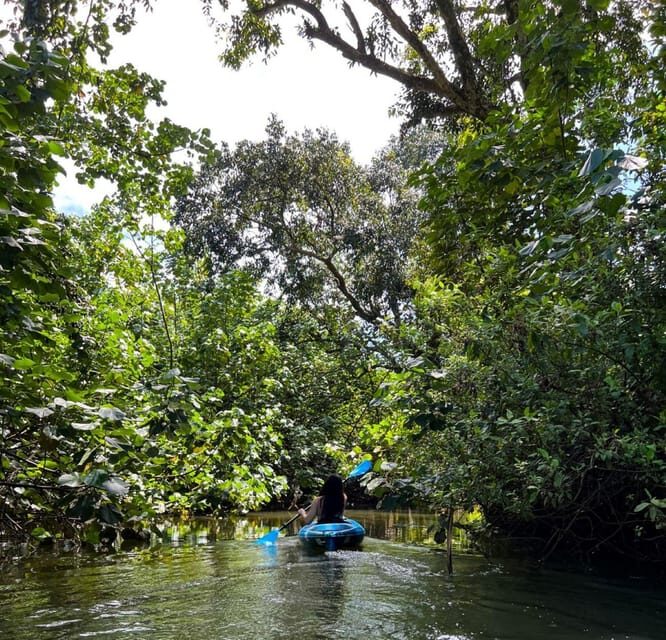
- Single kayaks use a sit-in hull design that helps you stay dry while cruising the river
- Double kayaks are stable and efficient for two people, with a sit-on-top setup for water breaks
- Kahana River and Bay means you get a mix of calm water and changing scenery over a full 3-hour session
- Meet at the host’s residence and use the map carefully (one review notes entering between two surfboards)
- Warm tropical water time is part of the fun on the double kayaks, but conditions can change near shore
Kahana River and Bay: why this 3-hour paddle feels different
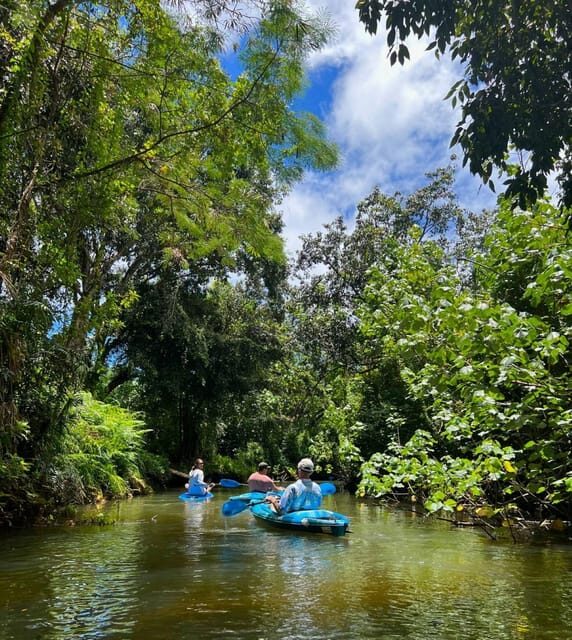
This isn’t a white-knuckle tour. It is a chance to move slowly, look around, and let the scenery come to you as you paddle the Kahana River and Bay. The length—3 hours—gives you enough time to settle into a rhythm instead of rushing.
I also like that it is self-paced. You are not stuck watching someone else’s plan all the time. If you want to linger, take photos, or pause when the water calms, you can usually do it without feeling like you are falling behind.
Finally, you get a real “water day” even though you’re not out on open ocean for long stretches. One review described the river going on and on, even feeling secluded because the hosts own the property where you start. That kind of slower, private-feeling setup is hard to find on busier shoreline activities.
You can also read our reviews of more tours and experiences in Oahu



Single vs Double Kayaks: dry comfort or splash freedom
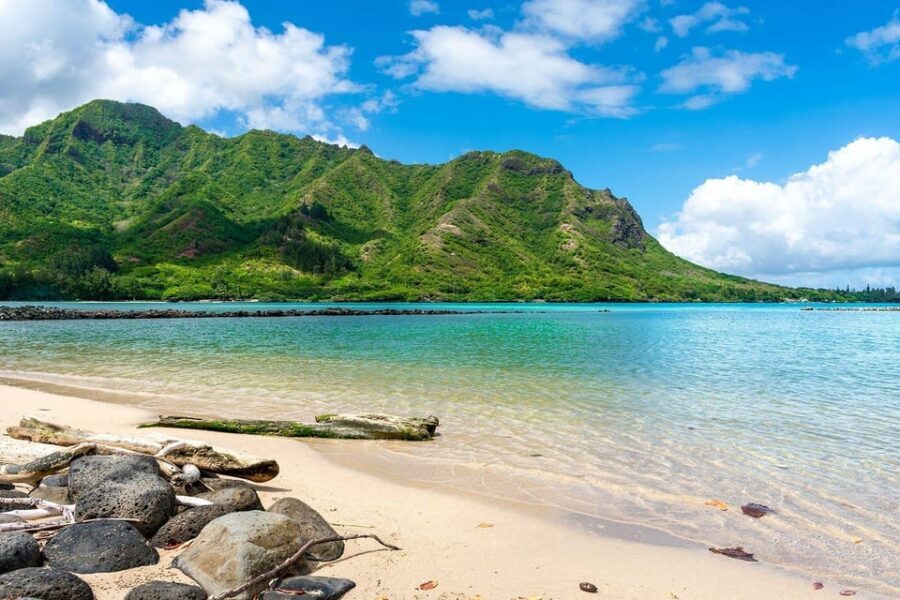
Choosing between single and double is really about how you want to feel on the water.
If you pick a single kayak, you get the sit-in hull design. That matters because it helps you stay drier while you paddle through the river and Bay. It’s also a simpler option if you are traveling solo or you are planning for a small child (the activity description calls out singles as ideal for solo travelers or families with a small child).
If you choose a double kayak, you’re sharing the experience and splitting the workload. The double design is meant for stability and comfortable two-person paddling. The sit-on-top style is the game-changer here: it is made for easy jump-in-and-out moments in warm tropical sea water, so the rental can turn into a fun swim break when you want it.
One practical consideration: paddling together takes coordination. Even on stable boats, you’ll move more smoothly if you and your partner match effort and timing.
From the host residence to your first strokes
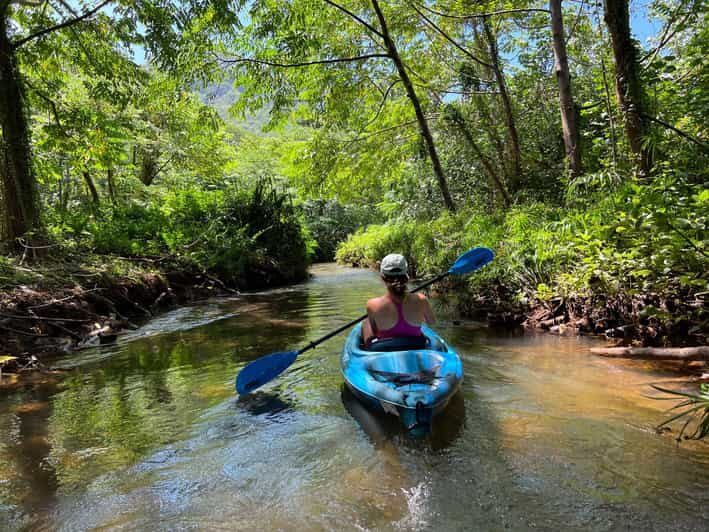
Your starting point can vary by option, so don’t assume it will be a big public dock. In one review, the tour began at the host’s residence, and the reviewer said the map location mattered—they entered between two surfboards. The takeaway for you: arrive early enough to find the spot without stress.
You’ll also get your safety gear at the start. Included in the rental are life jackets and paddles, which makes the first few minutes straightforward: put on the life jacket, get your paddle adjusted, and get ready to move.
The human factor matters here. One review named the host Larry and his wife, describing them as welcoming and helpful. That doesn’t mean you’ll be on a dramatic guided trek, but it does mean you’re likely to get clear, friendly help when you’re figuring things out.
And because it’s limited to a small group (up to 10), the start usually feels less chaotic than larger boat operations.
Paddling route reality: quiet water, a turn-around, and planning energy
The paddle route is built for a 3-hour rental, not a timed sprint. In one review, the reviewer noted that you go out and then must turn around and paddle back down the river. That’s a useful expectation for your energy planning. Start steady, don’t burn out early, and save some strength for the return.
The best part of this kind of route is that it often feels calm and slow. One review called the scenery beautiful and the adventure fun but chill. Another described the river as even more secluded since the property is owned by the hosts for a long time, which can make the experience feel less like a public attraction.
Still, watch for shoreline conditions. One reviewer mentioned they had access to kayak to the beach from the river but chose not to due to heavy waves at the time. Translation for you: if the water near shore looks rough, it’s okay to stick with the main route and enjoy the river and Bay portion instead of forcing a detour.
Gear you’ll actually want: bring list that makes the ride better

This activity is short enough that good packing makes a big difference. If you only bring the essentials, you’ll still have fun—but you’ll probably wish you had a few extras when you’re wet, sunburned, or trying to capture photos.
Bring:
- Sunglasses and a hat (sun glare on water is real)
- Swimwear and a towel (even the “dry” single can get splashed)
- Sunscreen and water (paddling can sneak up on you)
- Camera, plus a waterproof camera if you have one
- Snacks if you want a casual meal during the session
One review added an extra real-world tip: that reviewer arrived early, brought lunch from a local spot, and used the hosts outdoor tables and chairs for a picnic. That kind of relaxed pre-paddle break is exactly the style of day you’re going for, so if you want that, plan to bring your own food.
Avoid smoking, alcohol, and drugs. You’ll have life jackets and water time, so keep it simple and family-friendly.
You can also read our reviews of more tours and experiences in Oahu



Safety on the water: what’s included and what to think about
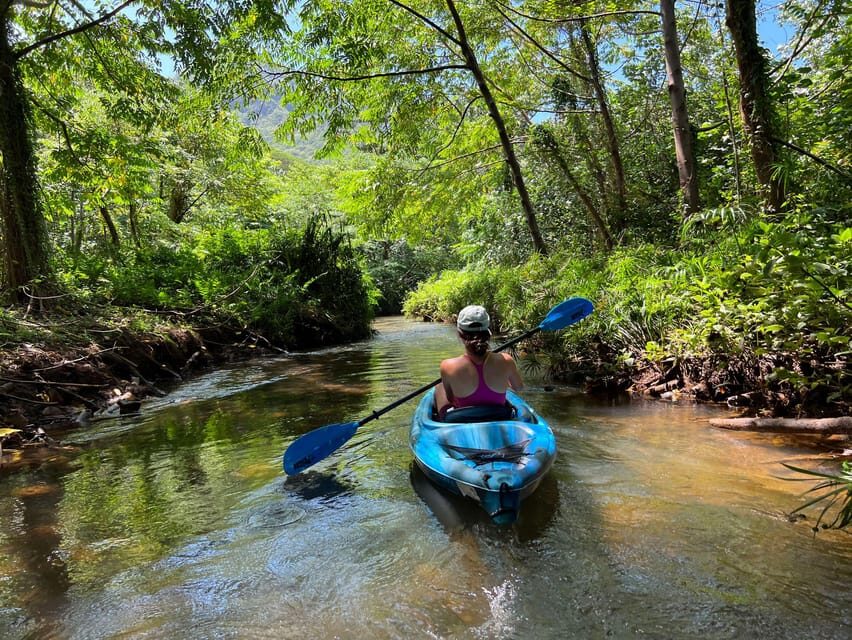
The rental includes the essentials: life jackets and paddles. That’s a strong baseline for safety because it means you’re not showing up to improvise gear.
But you still need to match the activity to your body and comfort. It’s listed as not suitable for people with back problems and non-swimmers. Also, it’s a water activity on moving surfaces, so even if conditions feel gentle, you should treat it like a real paddle outing, not a backyard float.
I also think the kayak type affects your sense of security. A sit-in single can feel more protected from splash, while a sit-on-top double can feel freer for stepping in and out. Either way, you’ll want to keep an eye on your center of gravity, especially when you’re getting on and off for a water break.
A small humor note: if you’re looking for adrenaline, this isn’t that. It’s more about cruising, photos, and enjoying the pace.
Weather and timing: how a gray day still works
A gray or rainy day can sound like bad luck, but this kind of river-and-Bay paddle often stays enjoyable. One verified review said the day was gray and rainy, yet the family had a great time renting double kayaks. That makes sense because you’re not relying on perfect visibility or beach conditions for the main event.
Do plan for wet weather anyway. Bring sunscreen (yes, even with clouds) and a towel. If you’ve got a waterproof camera, you’re set for the “everything feels softer” vibe that overcast days can bring.
Timing also affects the water feel. Your session runs for 3 hours, so you’ll likely experience multiple moments—moving stretches, slower stretches, and times when you’re just letting the boat glide.
Price and value on Oahu: $75 per person for 3 hours
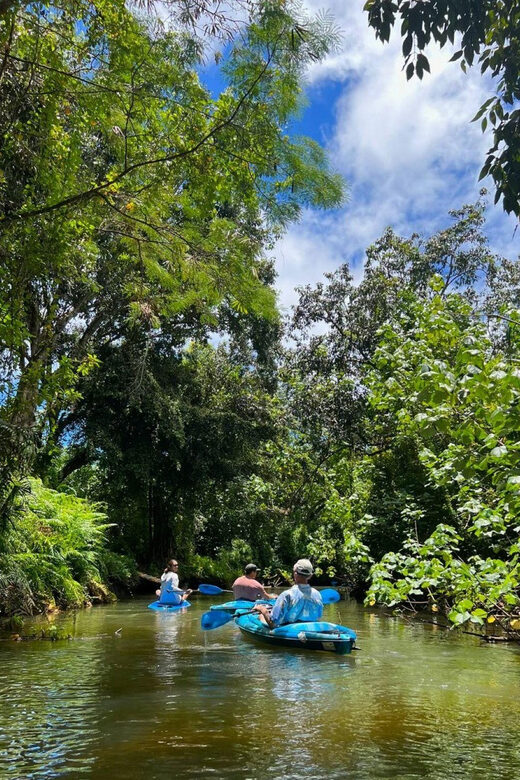
At $75 per person for a 3-hour kayak rental, you’re paying for time on the water plus the equipment and safety gear. What makes it feel like value is that you’re not renting a kayak and then scrambling to find life jackets or paddles separately. Here, paddles and life jackets are included, and you get to choose single or double based on how you want to experience the water.
The tradeoff is that the price is per person. So if you’re booking a double with two adults, the total cost can add up quickly compared with a per-kayak price model. If you’re cost-sensitive, decide whether you truly need a double for comfort and efficiency, or whether a single could be enough.
One review mentioned the double kayaking felt like it might not take long enough for the price, with the group estimating they finished in about 45 minutes. That doesn’t mean the rental is shorter for everyone, but it’s a reminder to think about your expectations. If you want a long, slow paddle with lots of breaks, pace yourself and plan for photos and water time.
If you want the simplest “equipment + time + scenery” value on Oahu, this setup can fit well—especially for families who like an active day without complicated logistics.
Who should book this kayak rental (and who shouldn’t)
I think this works best for people who want a low-stress water adventure. If your idea of fun is gliding through calm water, taking pictures, and sharing a relaxed activity with someone else, you’re in the right place.
It’s a great match for:
- Families who want an active outing without a big endurance challenge
- Couples or friends who like coordinating together on a double kayak
- Solo travelers who prefer the control and comfort of a single kayak
- Anyone who wants included safety gear and a straightforward 3-hour block
It’s not a good match if:
- You have back problems
- You can’t swim
- You’re hunting for extreme thrills
If you fall into those “not a good match” categories, don’t force it. Your time on Oahu should be safe and comfortable, not stressful.
Should you book the Kahana River and Bay kayak rental?
Book it if you want a practical, flexible way to enjoy Oahu’s water without committing to a long tour. You get a real 3-hour session, included life jackets and paddles, and a choice between single and double kayaks that changes how wet (and how playful) the day can be.
Skip it if you’re only happy with fast, intense adventure, or if you’re not comfortable with the activity’s swim and health requirements. And if you’re hoping to reach a beach area, remember that shore conditions can vary; one review mentioned heavy waves stopped that plan that day.
My final take: this is the kind of activity that turns into a good day because you’re outside, on the water, and moving at a human pace. If that sounds like your style, this rental is a strong choice.
FAQ
How long is the kayak rental?
The rental is 3 hours.
What’s the difference between the single and double kayak?
The single kayak uses a sit-in hull design that helps keep you dry. The double kayak uses a sit-on-top design, which makes it easier to jump in and out of the warm tropical sea water.
What’s included in the rental price?
Your rental includes the kayak time for 3 hours, plus paddles and life jackets.
Where do we meet?
The meeting point may vary depending on the option booked. One review noted that the tour starts at the host’s residence and that the map location helped them enter between two surfboards.
What should I bring?
Bring sunglasses, a hat, swimwear, a towel, sunscreen, water, and a camera. A waterproof camera is also recommended. Snacks are suggested too.
Is it suitable for non-swimmers or people with back problems?
No. The activity is listed as not suitable for non-swimmers and for people with back problems.