REVIEW · OAHU
Historical Tour of Downtown Honolulu in Red Light District
Book on Viator →Operated by Honolulu Red Light Tours · Bookable on Viator
A strange-but-true slice of Honolulu history. This short walk through Chinatown’s red light district of the 1930s to 1944 is led by Jackie and Jim (in separate reviews) with a steady, fact-based approach, and you’ll see how police and prostitution were entangled right in the daytime world. I especially liked the way the tour makes the story concrete at real locations—starting at the Old Blaisdell Hotel—and the way the route is designed for different mobility needs so you can still follow along comfortably.
For me, the biggest draw was the combination of six former brothel stops plus the guide’s emphasis on what the system did to people, not just lurid folklore. One thing to consider: the topic is adult and morally messy, and you’ll hear hard truths about exploitation, including during WWII-era Honolulu—so it’s not a casual party-style outing.
In This Review
- Key Highlights You Should Know Before You Go
- Old Blaisdell Hotel: Where the Story Starts (and Why That Matters)
- Walking Honolulu’s 1930s–1944 Red Light District at a Human Pace
- The Six Former Brothel Stops: What You’ll Actually Learn
- Jackie and Jim’s Guide Style (Small Group, Lots of Questions)
- Mobility Notes: Wheelchair Friendly, With a Key Timing Detail
- Price and Value: Why $60 Can Make Sense for This Kind of Tour
- When to Book (and Why Waiting Can Hurt)
- Who This Tour Fits Best
- Practical Tips for a Better Experience
- Should You Book This Honolulu Red Light Tour?
- FAQ
- How long is the Historical Tour of Downtown Honolulu in the red light district?
- How much does the tour cost?
- Where do I meet the guide?
- What does the tour include?
- Is the tour offered in English?
- Is the tour wheelchair accessible?
- Are service animals allowed?
- Can I cancel for a refund?
Key Highlights You Should Know Before You Go
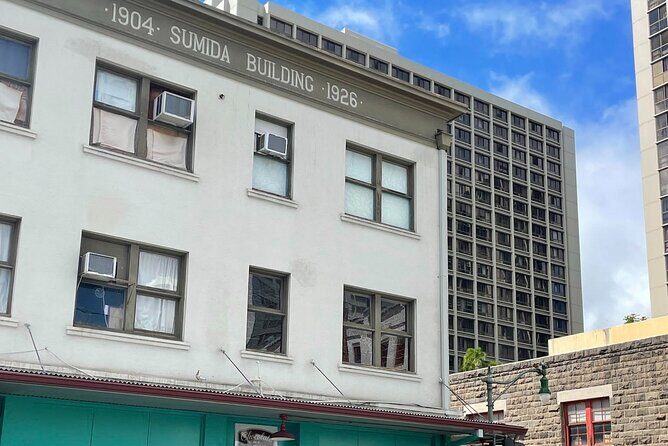
- Old Blaisdell Hotel start point: The tour meets at 1154 Fort St and ties the story to police oversight right from the beginning.
- Six former brothel locations: You’ll stop at six sites and hear the specific building stories behind each one.
- Small group pace (max 8): Fewer people makes it easier to ask questions and hear details without getting lost.
- Designed with mobility in mind: The full route is wheelchair friendly, with an important elevator timing note for later tours.
- English-only tour: Straightforward for English speakers, no language-juggling needed.
Old Blaisdell Hotel: Where the Story Starts (and Why That Matters)
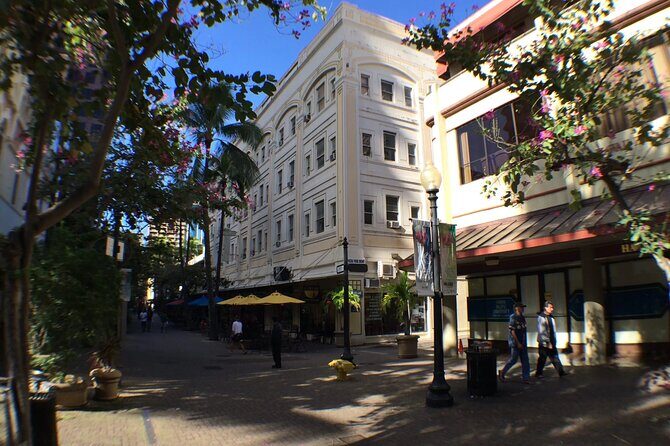
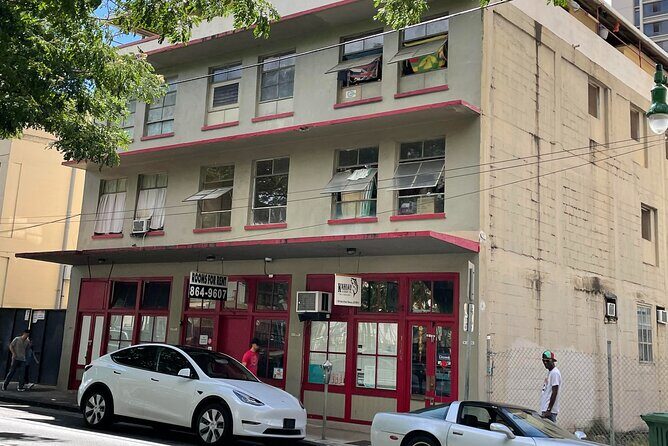
The tour begins where the story was managed, not where it was whispered. Your meeting point is the Old Blaisdell Hotel at 1154 Fort Street Mall, and the guide sets the stage by explaining how working girls checked in with the Chief of Police. That detail changes the tone fast. Instead of treating the red light district as a rumor, you’re seeing it as an organized part of city life—policed, supervised, and folded into the streets people walked every day.
That’s why I like this start: it makes you pay attention to power. Who sets the rules? Who profits? Who gets blamed? The tour doesn’t ask you to decide whether the subject is “interesting.” It nudges you to understand the structure behind it, and that keeps the walk from feeling like a stunt.
Logistically, the format is simple. It’s about one hour of walking. The route brings you back to the same meeting point, so you don’t spend your day trying to figure out how to reconnect with your group afterward.
You can also read our reviews of more historical tours in Oahu


Walking Honolulu’s 1930s–1944 Red Light District at a Human Pace
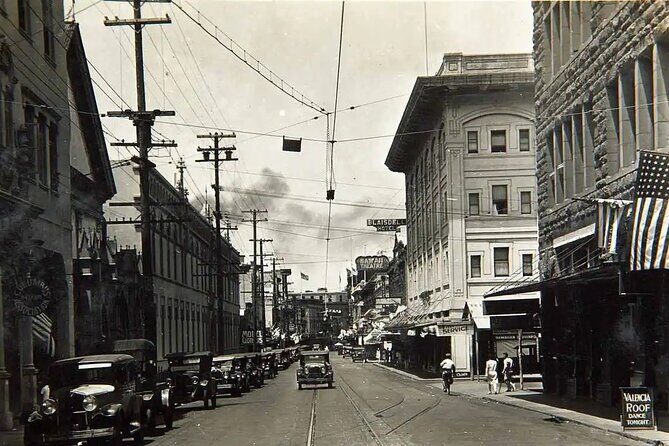
This isn’t a long hike or a sprint. It’s a short walking tour through Downtown Honolulu and the historic red light district tied to Chinatown’s heyday, spanning roughly the 1930s through 1944. I found that time window especially useful because it covers a long stretch of change rather than a single snapshot. And since the WWII-era context comes up in the tour’s telling, the city feels different as the years move on—less like a postcard and more like a place under pressure.
Because the group is capped at 8 people, the pacing stays readable. You’re not constantly tugged forward to keep up with a crowd. Instead, you can slow down when the guide points out a building-related detail, and you can keep your eyes on the street-level reality. This matters on a history walk: if you miss one explanation, you lose the thread. Here, that’s less likely to happen.
One more practical note: Downtown Honolulu means you’ll want to be comfortable standing and walking for about an hour. Wear shoes you trust, and plan for Hawaii weather—light layers can help, even if you expect sun.
The Six Former Brothel Stops: What You’ll Actually Learn
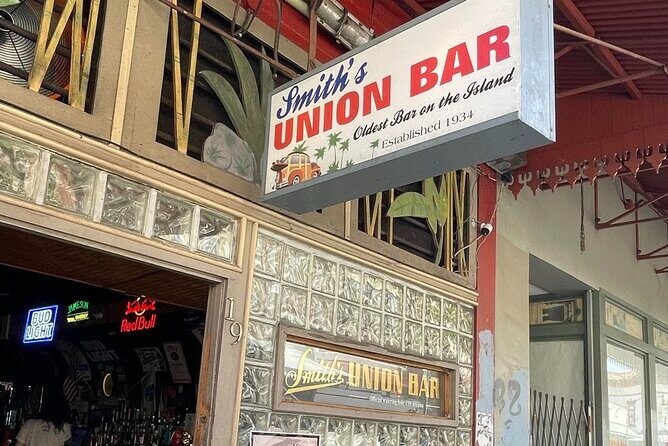
The tour’s core is the sequence of stops. After starting at the Blaisdell Hotel, you’ll continue through the district with stops at six former brothels. The guide’s job is to connect each building to its role in the story, and to share “steamy” history in the sense of real-life accounts—paired with the systems around them.
I like that the tour focuses on places, not just generalities. When the guide anchors a story to a specific building, it makes the history feel less like a lecture and more like a map you can see. Even if many buildings have changed since those years, the point is the same: you’re learning how the area functioned, where it happened, and how people experienced it day to day.
Just as important, the tone in the reviews is consistent: this isn’t a watered-down version. The guides (including Jackie and Jim, named in the feedback) are described as entertaining and educational, with the sense that the truth can be hard. That honesty is what makes the walk stick. You’re not just collecting trivia; you’re being asked to consider what it cost—emotionally, physically, and socially—for the people caught in the system.
A quick heads-up for your expectations: this is not a “how-to” or party tour. It’s a historical walk into prostitution’s history in wartime Honolulu. If the subject matter feels uncomfortable, that doesn’t mean the tour is doing something wrong. It’s doing something real.
Jackie and Jim’s Guide Style (Small Group, Lots of Questions)
From the feedback, the guide quality is a big reason people rate this tour highly. Jackie and Jim are specifically mentioned, and the common thread is that they make the material understandable without turning it into a joke. The tours feel like a conversation you can follow.
Small groups help here. With a maximum of 8 travelers, the guide can slow down when someone has a question and still keep the tour on track. That’s a big deal for history walks because the most interesting moments often come from follow-ups: What was the role of police oversight? How did the war-era changes affect the district? What did the “rules” really mean?
If you enjoy asking questions, this is a format that rewards you for it. If you prefer quiet listening, you can still do that—just know the guide is likely to engage you because there’s room to talk.
Mobility Notes: Wheelchair Friendly, With a Key Timing Detail
I’m glad this tour spells out mobility considerations. The route is wheelchair friendly, and the tour is designed with different physical abilities in mind. There’s also an important detail: the historic elevator stops running at 4:30 PM, so wheelchair accommodation may depend on which time slot you book.
So here’s my practical advice: if mobility is part of your planning, check the tour time you’re selecting and aim for an earlier slot when possible. That one detail can be the difference between a smooth experience and an avoidable headache.
Also, the tour allows service animals, which is helpful if you need that support.






Price and Value: Why $60 Can Make Sense for This Kind of Tour
At $60 per person for about one hour, this isn’t a bargain-basement walking tour. But it also isn’t trying to be cheap. The value comes from three things:
- Focused storytelling at real locations. You’re paying for a guide to connect six building sites to a specific era (1930s–1944) and to explain the social/police context around them.
- Small-group format. A max group size of 8 means more attention per person than you’ll get on large tours.
- Adult, historical content with clarity. The best part isn’t the topic alone—it’s the way it’s handled. The feedback points to guides who treat the subject seriously and keep it educational.
One more “value” angle: this kind of tour is the opposite of generic sightseeing. If you already plan to do the standard Honolulu highlights, this gives you a very different perspective on Chinatown and Downtown Honolulu—one you can’t replicate from a brochure.
If you like history walks where the guide does more than point, and you’re okay with mature subject matter, the price feels fair for what you get.
When to Book (and Why Waiting Can Hurt)
On average, this tour gets booked about 71 days in advance. That’s your signal to plan ahead. A small maximum group size plus a specific meeting point in the center of Downtown Honolulu means time slots can fill.
If your trip dates are fixed, I’d book early enough that you’re not gambling. If your schedule is flexible, you can still grab a spot later, but you’ll have a better chance sooner.
Who This Tour Fits Best
This is a good fit if you:
- want a Downtown Honolulu and Chinatown-era perspective that goes beyond daytime landmarks
- enjoy guided walking tours where the guide connects stories to specific buildings
- like small groups and don’t mind history that includes exploitation and difficult context
It may not be ideal if you:
- want a light, carefree tour with no adult themes
- get uneasy with topics involving prostitution and police oversight
- prefer your history told only in broad strokes without the harder details
Practical Tips for a Better Experience
A few simple things will help the walk feel smoother:
- Bring a charged phone for the mobile ticket and to check directions if you arrive early.
- Wear comfortable shoes. It’s a walking tour, and you’ll cover enough ground to need support.
- If you’re visiting later in the afternoon and you use a wheelchair, keep the 4:30 PM elevator timing in mind.
- If you plan to drink alcohol, note the rule that it must be 21+ to consume alcohol.
Should You Book This Honolulu Red Light Tour?
I’d book it if you want a smart, direct history walk in Downtown Honolulu that treats the subject as real—not sensational. The combination of a Blaisdell Hotel start, six former brothel stops, and a small-group guide experience is exactly the kind of thing that makes a trip feel more grounded in place.
Skip it only if you’d rather keep your sightseeing upbeat and light, because this tour addresses the human cost of the system in Chinatown’s red light district during 1930s–1944, including WWII-era context.
If your style of travel is “show me what really happened here,” this one will satisfy.
FAQ
How long is the Historical Tour of Downtown Honolulu in the red light district?
The tour lasts about 1 hour.
How much does the tour cost?
It costs $60.00 per person.
Where do I meet the guide?
Meet at 1154 Fort St, Honolulu, HI 96813, USA.
What does the tour include?
It’s a historical walking tour through the red light district area, including stops at 6 former brothels and the Downtown Honolulu area tied to the period from the 1930s to 1944.
Is the tour offered in English?
Yes, it’s offered in English.
Is the tour wheelchair accessible?
The route is wheelchair friendly. For wheelchair accommodation, note that the historic elevator stops running at 4:30 PM, so earlier tours may be easier.
Are service animals allowed?
Yes, service animals are allowed.
Can I cancel for a refund?
Yes. Free cancellation is available, with a full refund if you cancel up to 24 hours in advance of the experience start time.