REVIEW · OAHU
Paddleboard Yoga Class in Honolulu
Book on Viator →Operated by Yoga Floats, LLC · Bookable on Viator
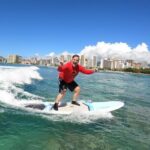
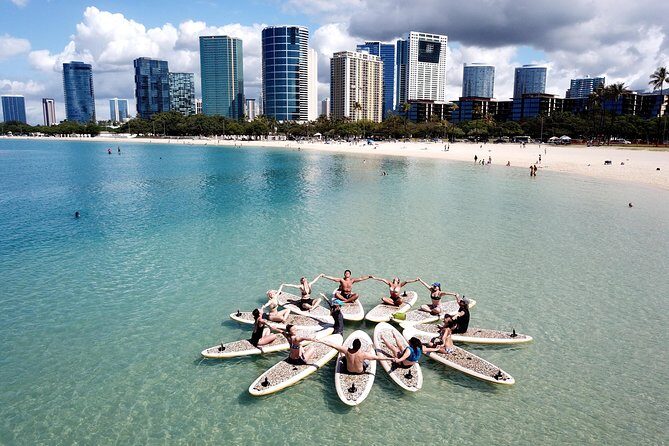
Yoga, but the floor is the ocean. This paddleboard yoga class at Ala Moana Beach Park turns familiar yoga into ocean-ready balance work, with a small group capped at 10 for quick coaching. I especially like the rocking savasana at the end and the way the instructor has you adapt common poses for the water, not just copy shapes.
Your main trade-off to plan for: the photo setup can cost extra. There’s an additional $10 per picture photo charge, and one review noted they do not let you take your own photos during the class, which might feel annoying if you’re hoping to shoot your own sequence.
In This Review
- Key points before you go
- Entering at Ala Moana and Magic Island: where SUP yoga starts
- Why paddleboard yoga feels harder (and better) than studio yoga
- The 75-minute flow: safety, warmups, standing work, and rocking savasana
- 1) Safety briefing and your first balance cues
- 2) Waist-deep water, anchor down
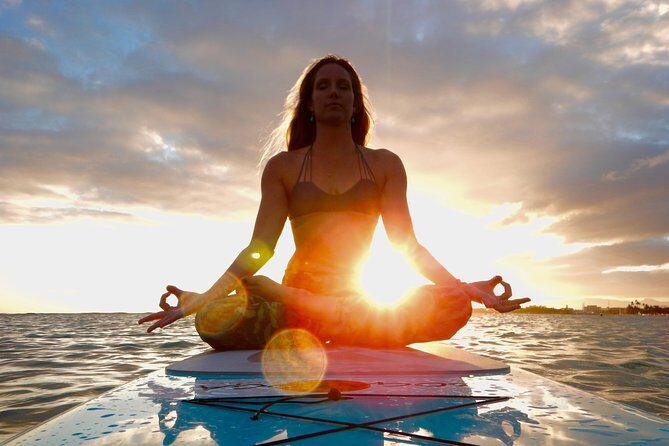
- 3) Seated meditation to start
- 4) Sitting and kneeling warmups
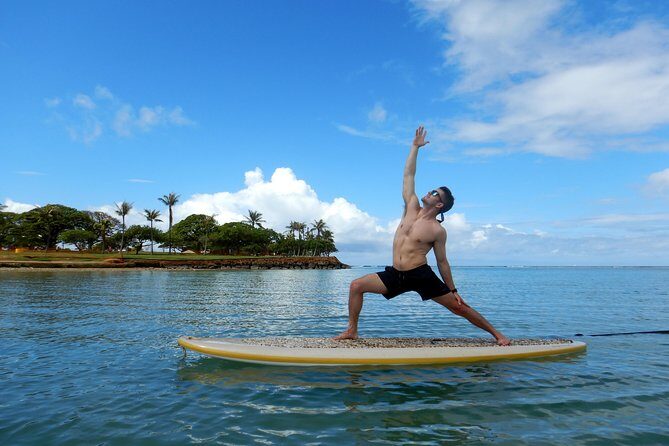
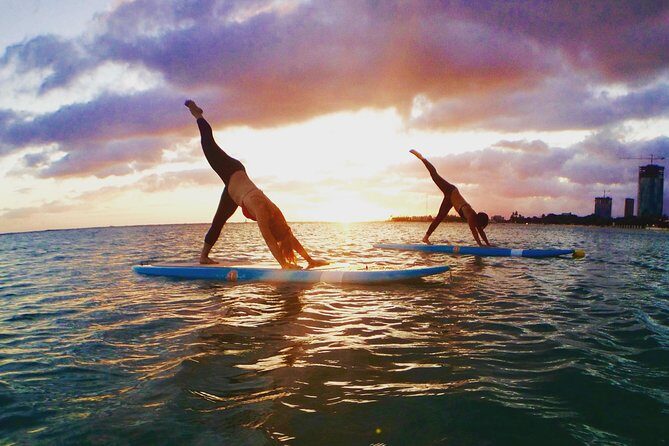
- 5) Stand up and try sun salutations
- 6) Free time for your favorite poses
- 7) Deep stretching and savasana—lying down on the water
- Your instructor matters: Kelsey, Julie, Stacy, and the “no-stress” approach
- Water conditions, how far you go, and who this suits best
- Kids and extra factors
- Price in perspective: what $57.36 buys you (and when it might feel pricey)
- Photos, sea turtles, and those random Hawaii surprises
- What to bring for a calm, comfortable class
- Should you book paddleboard yoga in Honolulu?
- FAQ
- Where do I meet for Paddleboard Yoga Class in Honolulu?
- How long is the class?
- What language is the class offered in?
- What is included in the ticket price?
- Do I need to be experienced in yoga or paddleboarding?
- What is the cancellation and weather approach?
Key points before you go
- Ala Moana starting point: meet at Yoga Floats at Magic Island, then head out to waist-deep water with a safety briefing first
- Small group vibe: max 10 people, so you get real attention when your legs start wobbling
- Pose adaptation for water: sitting, kneeling warmups, then standing and sun salutations on the board
- Guided meditation on the water: start seated and end lying down in savasana while the ocean rocks you
- Calm help for motion sickness: motion sickness bands are available if you need them
- Photo package is optional, but common: you’ll see and share photos afterward, with extra costs mentioned in reviews
Entering at Ala Moana and Magic Island: where SUP yoga starts
Honolulu’s coastline can be loud and flashy, but this class starts in a place that feels made for learning. You meet at Yoga Floats Magic Island, at Ala Moana Blvd Park (Honolulu, HI 96814). From there, the instructor keeps things simple: group check-in, then a quick plan for how the session works before anyone tries to stand up.
One of the smartest parts of this setup is the “still on land first” moment. Your instructor explains the basics of staying balanced and centered on the board before you get wet. That matters because paddleboard yoga isn’t just yoga with a different chair—it’s yoga plus movement, wind, and tiny shifts you can’t always control.
Also, the location is practical. You’re in the Waikiki-area orbit, and the activity is listed as near public transportation. That’s handy if you want a morning activity without building a whole transport plan.
You can also read our reviews of more tours and experiences in Oahu
Why paddleboard yoga feels harder (and better) than studio yoga
If you’ve done yoga on a mat, you’ll recognize most of the shape names. But on a SUP board, your body has to work for every pose. The board acts like a moving “surface,” even in calm conditions. So your balance becomes part of the practice.
The class is built around that idea. You’ll learn how to adapt familiar poses for the water instead of trying to force your usual technique. In practice, this means the instructor breaks down what to do when your weight shifts, your ankles adjust, or your core has to stay active longer than you expected.
I also like that the session includes both challenge and calm. You do warmups from seated and kneeling positions, then move into standing and balancing work—including sun salutations on the board. That gives you a chance to test your comfort level early, then build confidence step by step.
And yes, some people end up in the water. That’s not a failure here—it’s part of learning. One review even joked about falling a lot, while still calling it smooth and super fun. The overall tone is: expect some wobble, and you’ll be fine.
The 75-minute flow: safety, warmups, standing work, and rocking savasana
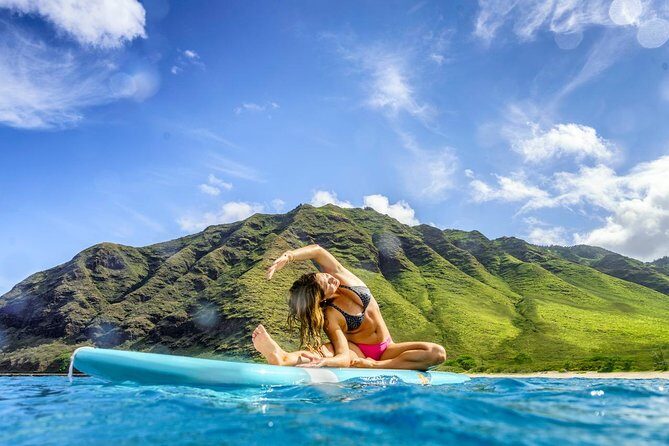
Plan for about 1 hour 15 minutes total. The structure is clear, and it keeps you from spending half the class figuring out what’s happening.
1) Safety briefing and your first balance cues
Before you head out, you get a safety talk and basic guidance. You’ll practice how to stay steady and centered, which is the foundation for everything else.
2) Waist-deep water, anchor down
Then you move into the ocean slowly—wading to waist-deep water with your board and dropping an anchor. This detail is huge for beginners. Anchor down means less drift, so you can focus on the practice instead of wrestling the board.
3) Seated meditation to start
You begin seated on the board with a meditation. This is a smart way to help your body adjust to the sensation of floating while you’re not yet standing and balancing.
4) Sitting and kneeling warmups
Next comes the warmup sequence: sitting and kneeling positions. These build mobility and stability, and they help your hips and core learn how to control small shifts.
5) Stand up and try sun salutations
Once you’re warmed up, you stand. You’ll do a few sun salutations and then get guided into balancing poses. Reviewers highlight that instructors offer options—so if you’re a land yoga person, you still have a path to participate without feeling lost.
6) Free time for your favorite poses
You get some free practice time to work on what interests you—either challenging yourself or keeping it restful. That’s a nice break from the “follow the instructor blindly” style you sometimes see.
7) Deep stretching and savasana—lying down on the water
The finale is the part people remember: savasana lying down on the board, while the ocean rocks you. Even if you’ve done meditation before, doing it with gentle wave movement is a different feeling. It turns the water into part of the relaxation, not a distraction.
Your instructor matters: Kelsey, Julie, Stacy, and the “no-stress” approach
This class is listed as English, and the instruction style comes through strongly in the reviews. Names pop up again and again: Kelsey, Julie, Stacy, and Emily are mentioned as instructors who were welcoming, calm, and clear.
What I’d take from those reviews for your decision-making is this: you’re not just given vague tips. Instructors are described as:
- making beginners feel at ease
- giving clear directions and pose options
- taking photos throughout (not just at the end)
- accommodating different comfort levels during standing and balancing
One review even mentions that the instructor came prepared with motion sickness bands, which is exactly the kind of practical touch that makes this feel like a real class—not an “activity” where you hope for the best.
If you want SUP yoga that’s more supportive than showy, this is the right style.
Water conditions, how far you go, and who this suits best
This class is designed for safety and comfort, and that shows in two ways: the water depth and the anchoring. You start in waist-deep water, and you don’t have to go far offshore to get the full experience.
A couple of reviews specifically note they stay in relatively close, calm conditions. That can be a plus if you want a calmer practice and less chance of stronger chop. It might feel limiting if you were hoping for long paddles or dramatic open-ocean views.
As for fitness level, you’ll want moderate physical fitness. That doesn’t mean you have to be an athlete. It does mean you should be comfortable getting up and down, keeping your balance, and holding poses while the board supports you.
Also consider the realities of balance training. One reviewer said they had years of yoga experience and it still felt harder. That’s typical. SUP yoga isn’t about how flexible you are; it’s about how steady your body can be while the surface moves.
Kids and extra factors
- Children under 17 must be accompanied by an adult.
- Service animals are allowed.
- Travelers should be at a moderate physical fitness level.
Price in perspective: what $57.36 buys you (and when it might feel pricey)
The price is $57.36 per person. On paper, that’s more than a basic yoga studio class. On the water, the value equation shifts.
Here’s what you’re paying for based on the session style:
- a professional guide who handles safety and instruction
- a class structure built for paddleboard-specific balance
- equipment being ready for you (reviews mention newer boards and being prepared on arrival)
- photos being taken during the class (even if you skip the add-on)
If you’re the kind of person who wants a one-time, memorable Hawaii experience, this cost can feel fair. You’re paying for both the “how” (coaching) and the “where” (ocean yoga at Ala Moana).
The one price hiccup to know in advance: the photo add-on. Reviews mention $10 per picture and that you might not be able to take your own photos during the session. If getting your own photos is a priority, bring that up in advance or plan to pay only if you love what you get afterward.
Photos, sea turtles, and those random Hawaii surprises
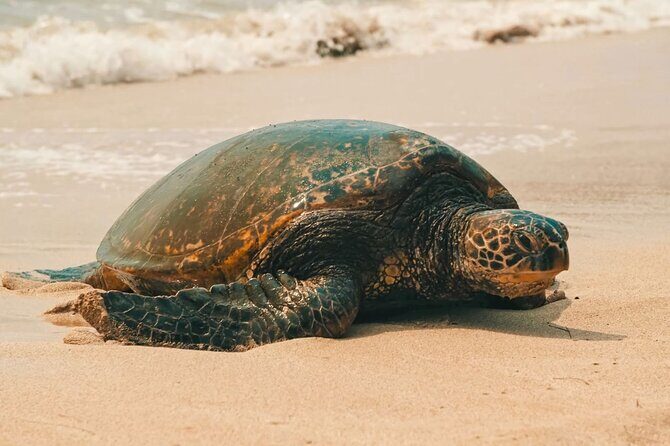
One of the fun parts of this class is that the ocean sometimes adds extras. A review mentions seeing sea turtles, and another notes catching a rainbow before class. Nobody can guarantee wildlife or weather vibes, but the setting is right for those moments.
As for photos, the class has a built-in capture. Multiple reviews say instructors took photos during the session and then shared them afterward. One review praised the photo package as good value for money and recommended adding it. Another review called the photo policy frustrating.
So here’s the practical stance: treat the photos as a bonus, not a sure thing. If you want to leave with keepsakes, this is a nice plus. If you prefer to shoot your own content, you may want to ask about the photo rules before you arrive.
What to bring for a calm, comfortable class
The listing doesn’t give a full packing list, but the reviews and the activity itself point to a few smart moves.
- Wear gear you can get wet in. You’re on a board in the ocean, so expect splashes and water contact.
- Bring sunscreen. One review flat-out says sunscreen is a must.
- If you’re prone to motion sickness, consider the fact that motion sickness bands are available and tell your instructor you might need help.
- Water comfort matters. Since the session ends with savasana lying down, you’ll want to feel comfortable enough to relax, not tense up.
Also, because you’re wading and then sitting/standing, you should choose footwear carefully. The activity uses the board in water; your goal is traction and comfort, not fashion.
Should you book paddleboard yoga in Honolulu?
I think you should book this class if you want:
- a small-group SUP yoga session with hands-on guidance
- a guided path from seated calm to standing balancing to a relaxing ending
- a more beginner-friendly SUP experience than the “just go out and figure it out” style
I would skip it (or at least read the details carefully) if:
- you’re strongly photo-first and want to take all your own pictures
- you don’t like the idea of staying relatively close to shore in calm, controlled conditions
If you’re balancing a Hawaii vacation with a desire for something active but not chaotic, this hits a sweet spot. It’s fun, it’s challenging in a real way, and the ending—lying down on a rocking board—can turn a morning into something you’ll remember.
FAQ
Where do I meet for Paddleboard Yoga Class in Honolulu?
You meet at Yoga Floats Magic Island, Ala Moana Blvd Park, Honolulu, HI 96814, USA. The activity ends back at the meeting point.
How long is the class?
The duration is listed as about 1 hour 15 minutes.
What language is the class offered in?
The class is offered in English.
What is included in the ticket price?
The experience includes a professional guide. Transportation to and from attractions is not included.
Do I need to be experienced in yoga or paddleboarding?
You should have a moderate physical fitness level. The class includes instruction for balance and adapting poses for the water, and it also uses guided options during the session.
What is the cancellation and weather approach?
Free cancellation is available up to 24 hours in advance for a full refund. The experience requires good weather, and if it’s canceled due to poor weather, you’ll be offered a different date or a full refund.